 Halkirk Solar
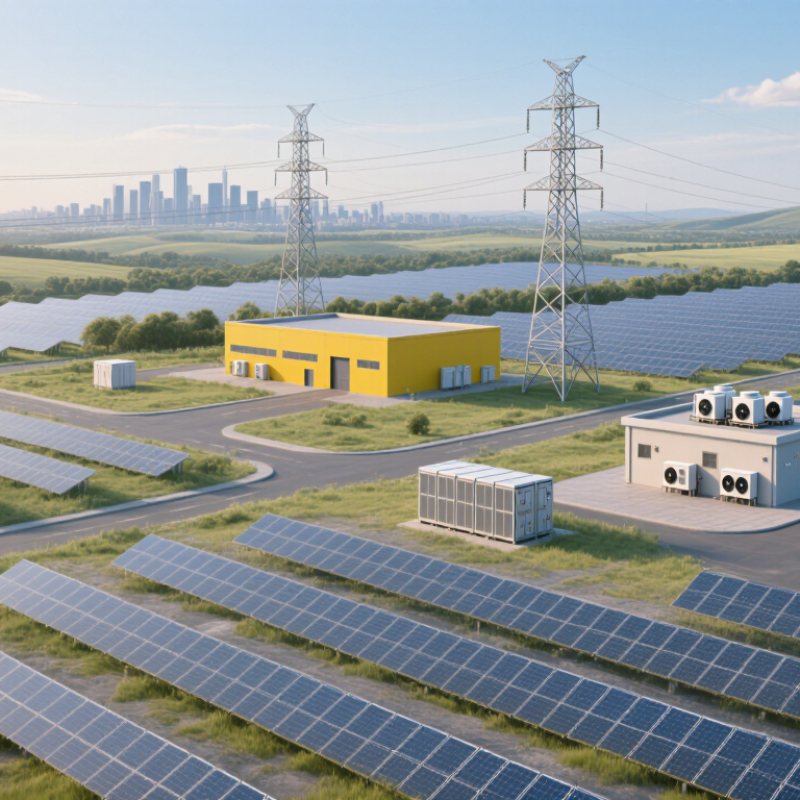
2026 Best Ways to Maximize ROI for Solar Projects
Construction quality sets the financial ceiling for a solar project. Small installation errors can reduce energy yield for decades. Inspectors should verify module alignment, torque values, cable routing, and drainage conditions. Thermal imaging can reveal loose connections before they become costly failures. Independent quality checks also make performance assumptions more credible to investors and lenders.
Operations must turn data into practical action. A reliable monitoring system should track availability, inverter performance, soiling, temperature, and abnormal power losses. Cleaning schedules should follow measured soiling rates, not habit. Vegetation control matters too. Shading from fast-growing plants can quietly reduce production across an entire section. Spare components, clear maintenance procedures, and trained technicians shorten downtime. Yet many plans still underestimate response time during extreme weather.
Long-term energy yield depends on realistic assumptions. Financial models should include degradation, seasonal weather variation, curtailment, equipment replacement, and grid limitations. Historical sunlight data helps, but it cannot remove uncertainty. No model is perfect. Field measurements should update forecasts after commissioning and throughout operations. A conservative yield estimate may appear less attractive, but it often protects ROI better than optimistic projections. Regular performance reviews can expose weak assumptions before they become permanent losses.
