Engineered for utility-scale systems, high-density residential installs, and harsh environments.
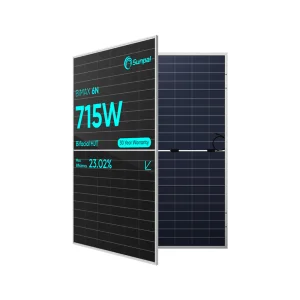
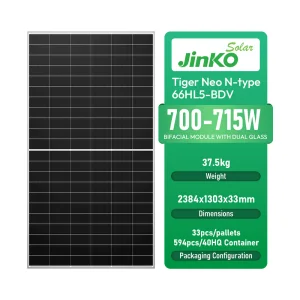
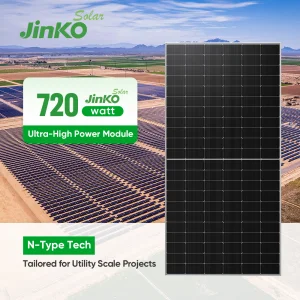
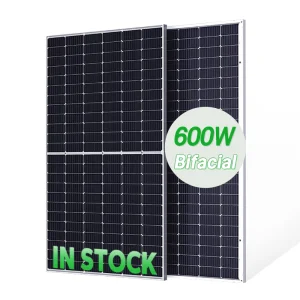
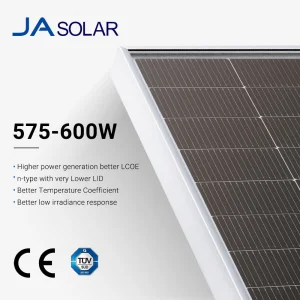
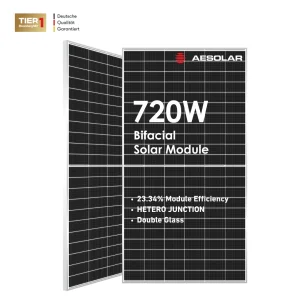
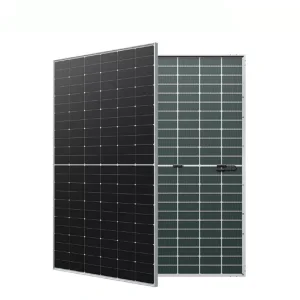
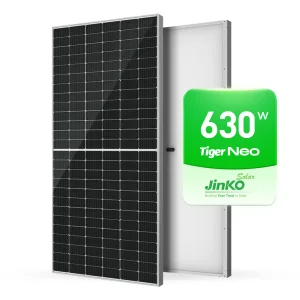
Why Silicon Heterojunction (HJT) technology is outperforming PERC and TOPCon in commercial yield and LCOE reduction.
Heterojunction (HJT) solar cells combine the best aspects of crystalline silicon (c-Si) and thin-film amorphous silicon (a-Si) technologies. In an N-type mono wafer architecture, extremely thin layers of amorphous silicon are deposited on both sides. This creates a highly passivated interface that drastically reduces surface recombination velocities. Surface passivation minimizes electron recombination losses, yielding an open-circuit voltage (Voc) that frequently surpasses 740 mV.
Because the deposition occurs at low temperatures (typically under 200°C), HJT modules avoid the intense thermal stress associated with traditional high-temperature diffusion methods used for PERC and TOPCon cells. The result is a crystalline structure with higher structural integrity, practically eliminating micro-cracking and initial degradation factors.
For global solar developers and EPC contractors, the selection of solar panels boils down to Levelized Cost of Energy (LCOE). Heterojunction modules deliver a massive structural advantage via their temperature coefficient of -0.26%/°C. In regions experiencing extreme ambient temperatures, HJT modules generate significantly more kilowatt-hours per installed kilowatt peak than legacy modules.
Coupled with a bifaciality factor of 85% to 95%, HJT captures diffused light reflection from the ground, water bodies, or tracking membranes. This double-sided energy generation increases net energy yield by up to 20% compared to monofacial panels in identical configurations, speeding up the ROI threshold for utility and large-scale industrial projects.
| Parameter | p-Type PERC | n-Type TOPCon | n-Type HJT (Heterojunction) |
|---|---|---|---|
| Average Cell Efficiency | 22.8% - 23.3% | 24.5% - 25.5% | 25.8% - 26.5%+ |
| Temperature Coefficient | -0.35%/°C | -0.30%/°C | -0.26%/°C |
| Bifaciality Factor | 65% - 70% | 75% - 80% | 85% - 95% |
| LID & PID Vulnerability | Moderate to High | Low | Virtually Zero (LID-Free / PID-Free) |
| First-Year Degradation | 1.5% - 2.0% | 1.0% | < 0.5% (Typically 0.25% - 0.4%) |
| Annual Degradation (30 Yrs) | 0.55% | 0.40% | 0.25% - 0.35% |
How regional compliance, pricing paradigms, and performance standards shape HJT sourcing globally.
In Europe, compliance with local green taxonomy, low-carbon footprints, and circular economy principles is paramount. Sourcing teams prioritize HJT because its low-temperature manufacturing process results in a lower carbon footprint during production. Local warehousing (e.g., EU stocks) and quick customs clearances are critical triggers for immediate project execution.
In MENA and LATAM regions, developers look for high thermal durability. With solar farm ambient temperatures soaring above 40°C, the actual cell temperature can hit 70°C. Under these conditions, standard panels experience a performance degradation of up to 15%. HJT maintains output, mitigating grid mismatch losses and ensuring predictable yields.
EPC contractors and developers seeking debt financing must source from manufacturers that pass strict bankability requirements. Quality control processes, third-party certification (e.g., TUV, RETC, PVEL), and stable supply chains dictate the bankability of a solar project. High-power panels must be backstopped by robust product and performance warranties.
A professional China solar panel manufacturer and monocrystalline & bifacial solar module supplier.
Ningbo Halkirk Solar Co., Ltd. is a professional China solar panel manufacturer and monocrystalline & bifacial solar module supplier, dedicated to delivering high-efficiency renewable energy solutions to customers worldwide. Located in Ningbo, China, the company integrates research and development, manufacturing, quality control, and global sales to provide reliable solar products for residential, commercial, industrial, and utility-scale applications.
Halkirk Solar specializes in the production of monocrystalline solar panels, bifacial solar modules, TOPCon solar panels, N-type solar modules, off-grid solar solutions, on-grid solar systems, and customized photovoltaic products. Leveraging advanced cell technology and intelligent manufacturing processes, our products are designed to maximize energy output, improve conversion efficiency, and ensure long-term performance in diverse environmental conditions.
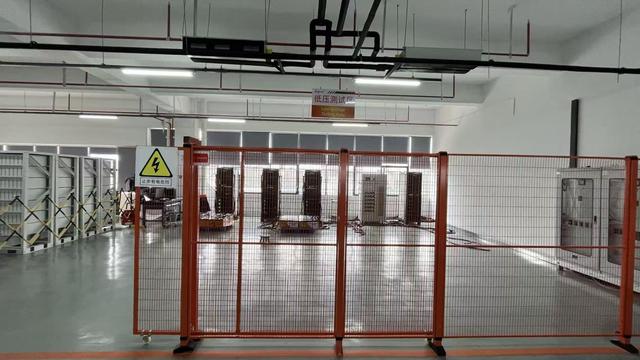
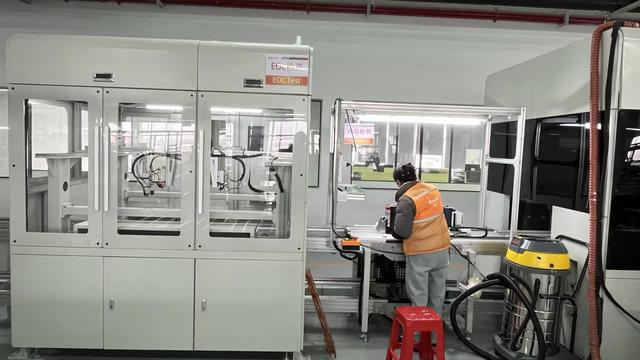
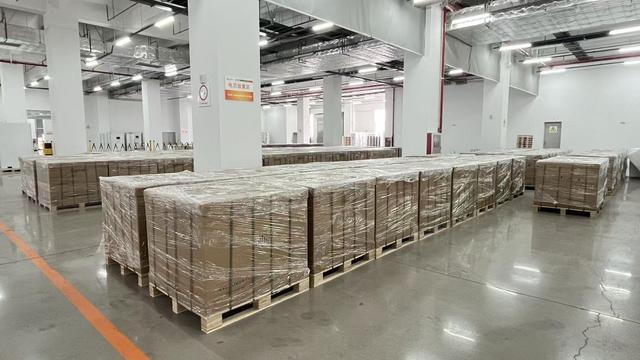
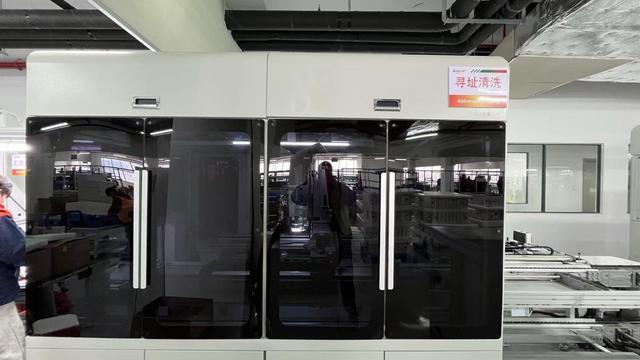
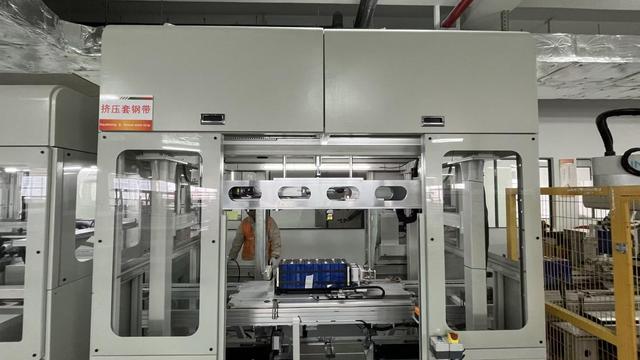
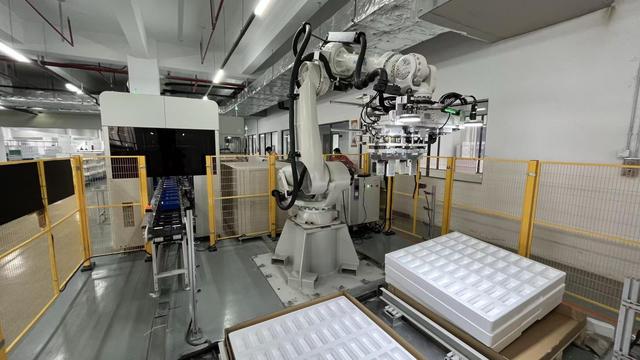
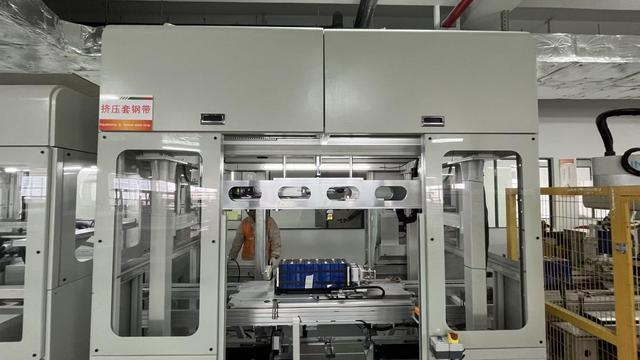
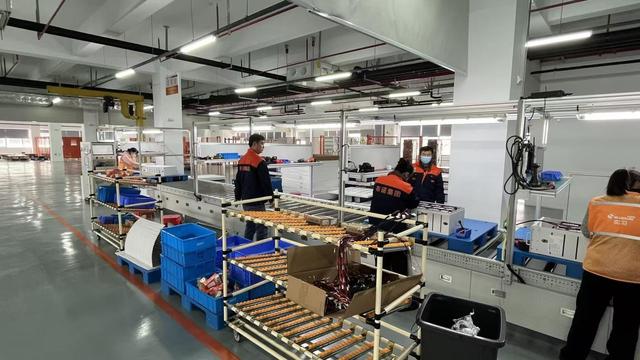
Our modern manufacturing facility is equipped with automated production lines, precision testing equipment, and strict quality management systems. Every solar module undergoes comprehensive inspections and performance testing to guarantee superior reliability, durability, and compliance with international standards. We are committed to providing products that meet the evolving demands of the global renewable energy market.
To better serve international customers, Halkirk Solar offers flexible OEM and ODM services for solar brands, distributors, EPC contractors, wholesalers, and project developers. Our experienced engineering and technical teams work closely with clients to deliver customized solar solutions tailored to specific project requirements, market demands, and branding needs.
Driven by innovation, sustainability, and customer satisfaction, Ningbo Halkirk Solar Co., Ltd. continues to expand its presence in global markets. We strive to become a trusted partner in the photovoltaic industry by providing high-quality solar modules and comprehensive clean energy solutions that contribute to a greener and more sustainable future.


Maximizing returns across diverse environmental and economic landscapes.
Large-scale solar farms require high structural performance over decades. High-power HJT solar modules, when paired with single-axis tracking systems, allow project developers to generate electricity earlier in the morning and later in the afternoon. This flattens the energy curve, minimizes curtailment losses, and maximizes grid compliance.
Commercial and industrial operations are bounded by physical rooftop space. Using premium 700W+ HJT dual-glass panels optimizes solar power density, maximizing yield per square meter. It reduces the balance-of-system (BOS) costs, including racking, cabling, and installation labor, while providing a 30-year performance hedge against rising electrical rates.
In off-grid, mining, and island locations, fuel costs for diesel backups are high. Combining high-efficiency N-type HJT solar panels with hybrid energy storage systems ensures a reliable, continuous power supply. The exceptional low-light behavior of HJT technology ensures production during overcast conditions, reducing battery discharge cycles.
The evolutionary trajectory of Heterojunction cells to Perovskite Tandems.
By replacing conventional amorphous silicon with microcrystalline thin films on the front and rear, manufacturers improve the transparency and conductivity of the passivation layers. This increases short-circuit current (Jsc) and fill factor (FF), pushing cell efficiencies past 26.5%.
To address high metalization costs, factories are adopting Silver-Plated Copper paste alongside Smart Wire Connection (SMBB) technologies. By decreasing overall silver usage without sacrificing conductivity or durability, HJT modules are achieving cost parity with TOPCon modules.
HJT is the ideal bottom cell partner for Perovskite tandem devices. The combination of perovskite (capturing short-wavelength blue light) and silicon (capturing long-wavelength infrared light) enables cell efficiency potentials exceeding 30%, redefining clean energy production scales.
Essential insights for procurement managers, EPC contractors, and distributors.
Explore our N-type mono, bifacial, and weather-resistant modules for high-reliability energy systems.

 Halkirk Solar