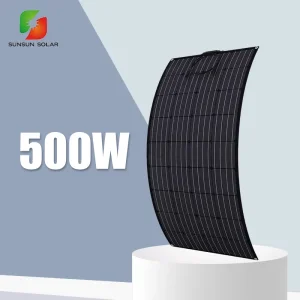
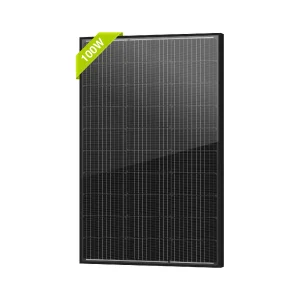
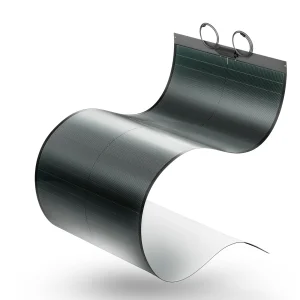
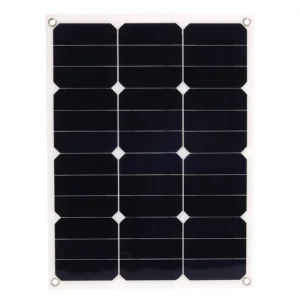
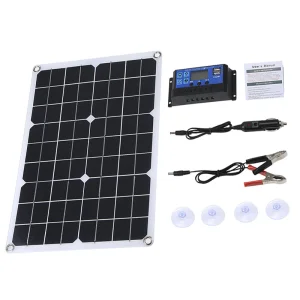
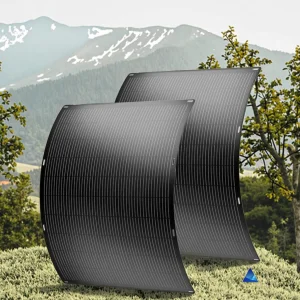
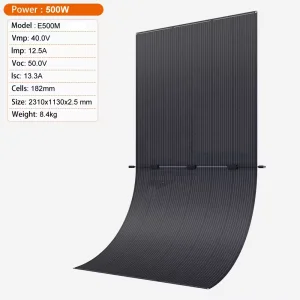
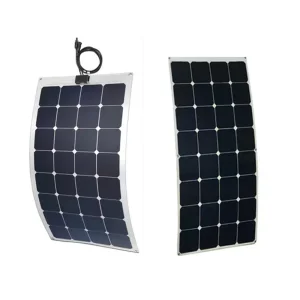
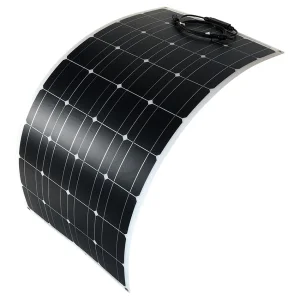
Explore our premium selection of offshore-rated, flexible, and micro-grid solar solutions manufactured to withstand extreme marine conditions. Incorporating advanced cell tech with heavy-duty structural integrity.
The integration of photovoltaics into maritime applications is undergoing a rapid evolution. Driven by strict global carbon-reduction regulations established by the International Maritime Organization (IMO) and the broader economic pressure of fuel costs, marine operators are transitioning to solar power. Marine solar panels are no longer niche solutions for hobbyist yachts; they have become critical components of mega-scale floating solar plants, deep-sea exploration vessels, logistics chains, and offshore navigation platforms.
Unlike land-based solar installations, the marine environment represents the absolute frontier of environmental stress. Panels are constantly exposed to high salinity, severe UV levels, wind shear, wave dynamic loading, and mechanical vibrations. Consequently, the commercial demand has shifted towards advanced cell technologies (such as N-type TOPCon, Bifacial, and Copper Indium Gallium Selenide - CIGS) wrapped in high-grade encapsulants like ETFE (Ethylene Tetrafluoroethylene) instead of traditional glass or PET backsheets.
Standard rooftop panels suffer rapid degradation when exposed to marine environments. High concentration of sodium ions initiates Potential Induced Degradation (PID) when coupled with high humidity. Furthermore, salt buildup acts as a physical barrier blocking light, which generates hot spots and thermal stress. The engineering of true marine-grade solar systems involves:
Ningbo Halkirk Solar Co., Ltd. is a professional China solar panel manufacturer and monocrystalline & bifacial solar module supplier, dedicated to delivering high-efficiency renewable energy solutions to customers worldwide. Located in the strategic industrial hub of Ningbo, China, the company integrates research and development, manufacturing, quality control, and global sales to provide reliable solar products for residential, commercial, industrial, and utility-scale applications.
Halkirk Solar specializes in the production of monocrystalline solar panels, bifacial solar modules, TOPCon solar panels, N-type solar modules, off-grid solar solutions, on-grid solar systems, and customized photovoltaic products. Leveraging advanced cell technology and intelligent manufacturing processes, our products are designed to maximize energy output, improve conversion efficiency, and ensure long-term performance in diverse environmental conditions.
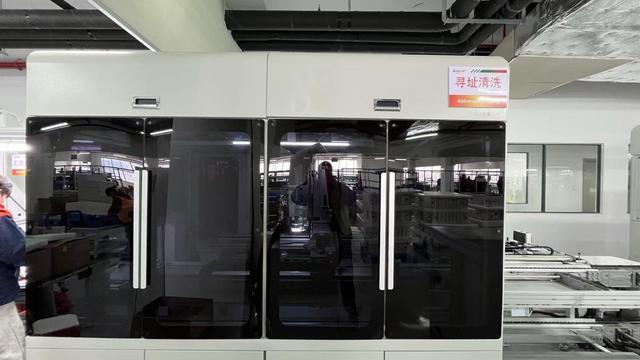
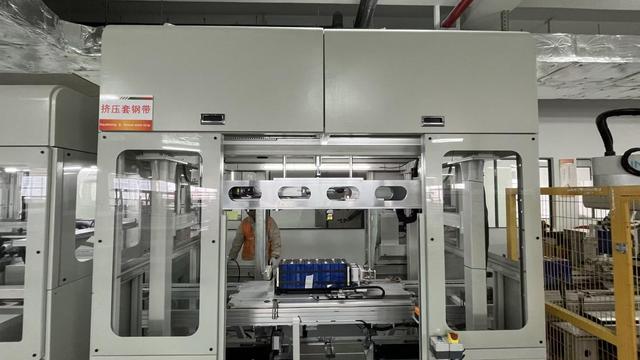
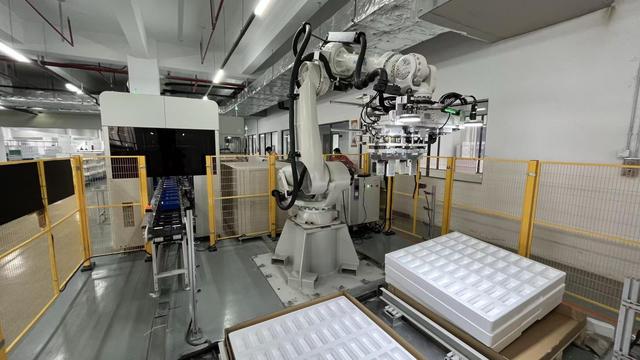
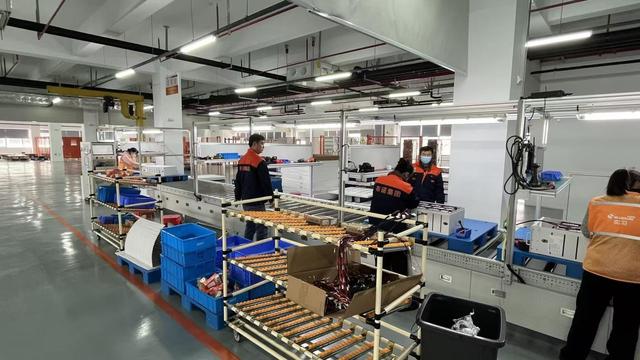
Our modern manufacturing facility is equipped with automated production lines, precision testing equipment, and strict quality management systems. Every solar module undergoes comprehensive inspections and performance testing to guarantee superior reliability, durability, and compliance with international standards. We are committed to providing products that meet the evolving demands of the global renewable energy market.
To better serve international customers, Halkirk Solar offers flexible OEM and ODM services for solar brands, distributors, EPC contractors, wholesalers, and project developers. Our experienced engineering and technical teams work closely with clients to deliver customized solar solutions tailored to specific project requirements, market demands, and branding needs.
Ningbo hosts one of the world's busiest deep-water ports, streamlining shipping logistics and lowering freight costs to Europe, North America, and Southeast Asia. Beyond geographic advantages, Ningbo represents the epicenter of China's PV supply chain integration. The localized access to ultra-pure silicon, high-grade ribbon connectors, high-transmittance ETFE films, and fully automated robotics allows Ningbo Halkirk Solar to offer premium-tier marine panels at prices that traditional manufacturers cannot match.
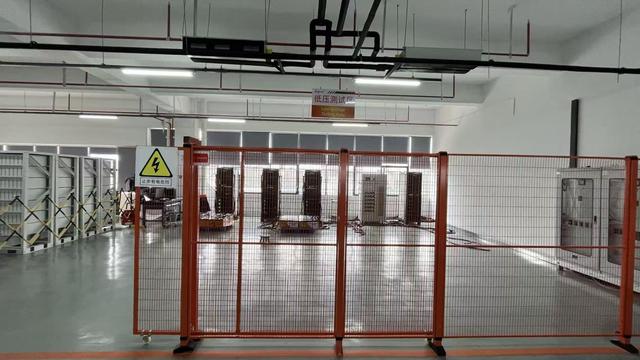
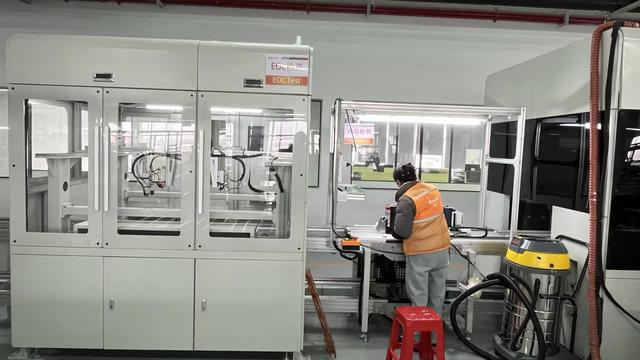
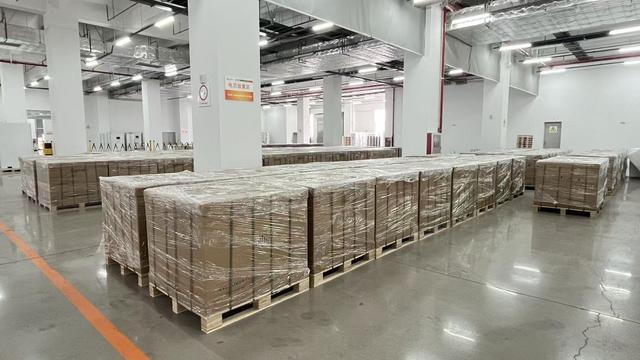
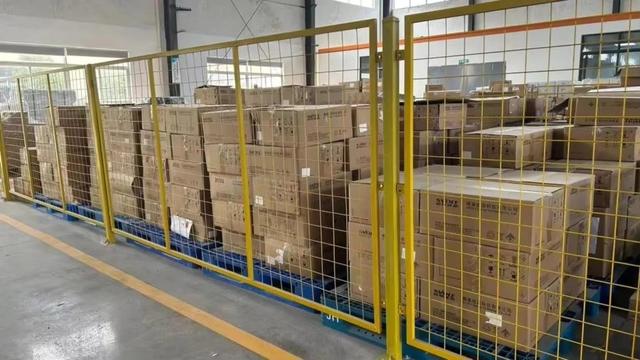
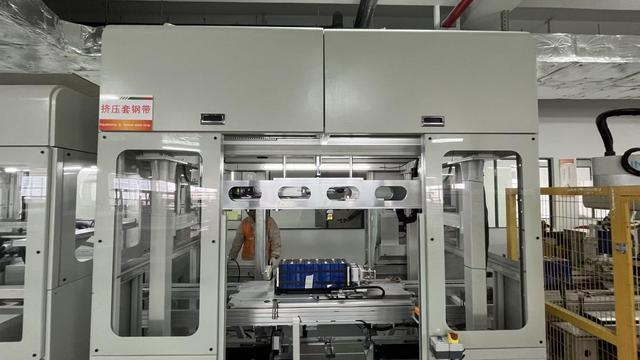
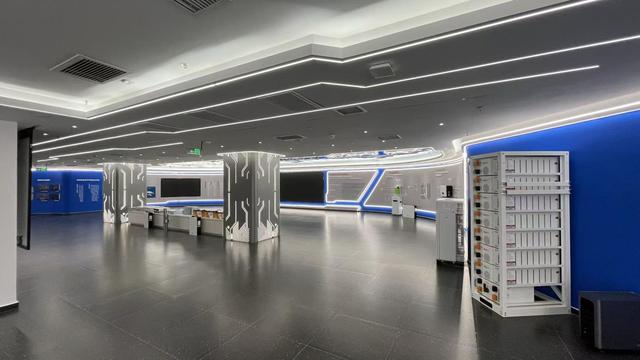
Take an inside look at our modern Ningbo production facilities. With advanced EL (Electroluminescence) testing, laser cutting, laminating ovens, and automated stringing lines, we secure the mechanical and electrical longevity of our marine-rated modules.
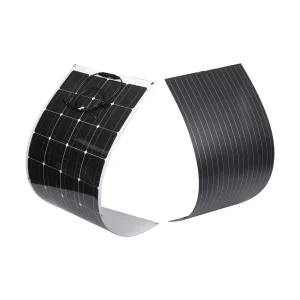
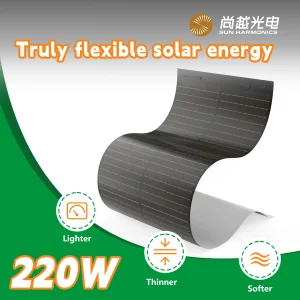
A major choice for yachts and commercial vessel builders is selecting between Copper Indium Gallium Selenide (CIGS) and monocrystalline cells. CIGS thin-film technology offers unparalleled bendability (up to 360 degrees) and is highly shade-tolerant due to internal cell layouts. When a mast, sail, or rigging casts a shadow across a CIGS panel, the power output does not drop as drastically as it does in standard monocrystalline arrays. However, N-type monocrystalline flexible panels, encapsulated in high-durability ETFE, offer higher efficiency levels (exceeding 22%), making them perfect for limited spaces where maximum power output is required.
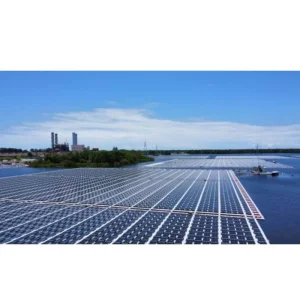
As land availability declines, coastal countries are turning to floating solar plants (FPVs). The design of these arrays uses high-density polyethylene (HDPE) structures paired with tracking mechanisms to withstand waves and high wind speeds. The water body provides a cooling effect that increases cell efficiency, offsetting the added structural costs. Ningbo Halkirk supplies highly specialized bifacial solar modules for these arrays, designed to capture reflected light (albedo effect) from the water surface, boosting electricity generation by up to 25%.
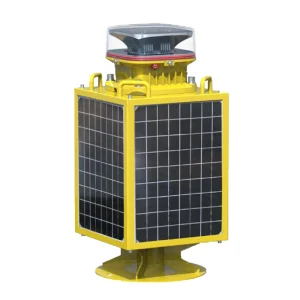
Reliability is critical for ocean-going navigation aids. Medium-intensity marine navigation lights integrated with waterproof solar panels must function continuously, even through seasonal periods of low sunlight. Concurrently, large logistics vessels are adopting solar arrays to power internal ventilation, communications, and cooling systems. This helps ships comply with IMO's Energy Efficiency Design Index (EEDI) requirements.
For solar distributors, EPC contractors, and marine architects, purchasing marine solar panels involves technical considerations that go beyond simple price-per-watt comparisons.
Key technical questions and answers compiled by our engineering department for global solar distributors and marine system integrators.
Browse the second half of our specialized product portfolio, featuring low-profile flexible panels, marine displays, and compact off-grid modules.
 Halkirk Solar