Explore our top-tier monocrystalline half-cut cell configurations. Designed for maximum energy yields, superior shade resilience, and robust mechanical performance.
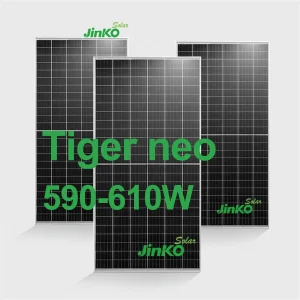
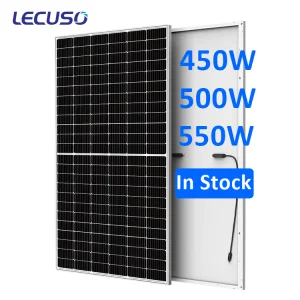
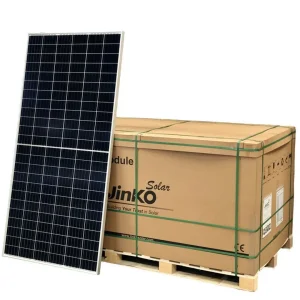
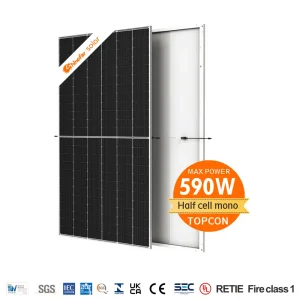
The global energy transition demands continuous increases in conversion efficiency and project viability. Standard full-cell modules have long faced thermodynamic and electrical resistance bottlenecks that limit their performance. In response, the solar sector has shifted towards Half-Cut Cell Technology. By dividing standard silicon cells in half, solar manufacturers have reshaped module current dynamics, heat patterns, and shading tolerance.
Ningbo Halkirk Solar Co., Ltd. is a leading China solar panel manufacturer and monocrystalline & bifacial solar module supplier. We provide high-efficiency renewable energy solutions worldwide from our base in Ningbo, China. Our operations integrate research and development, smart manufacturing, quality control, and global logistics. This allows us to supply highly reliable solar products for residential, commercial, industrial (C&I), and utility-scale projects.
Our modern factory produces monocrystalline solar panels, bifacial modules, TOPCon panels, N-type modules, and custom photovoltaic products. Using advanced cell technology and intelligent manufacturing processes, our products maximize energy output, improve conversion rates, and ensure long-term stability in diverse environmental conditions.
Commercial and Industrial (C&I) solar applications require high energy density due to limited roof space and strict financial performance goals. Half-cell modules have become the industry standard for commercial installations globally.
Half-cut technology provides higher power output per square meter. This improves returns for factories and warehouses with limited roof space.
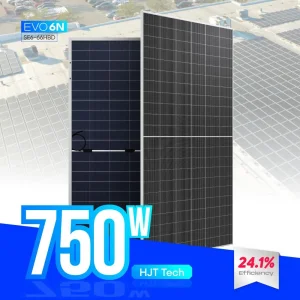
By raising panel power up to 750W, projects need fewer racks, cables, and combiners. This reduces balance-of-system (BOS) costs.
C&I roofs often have chimneys, HVAC units, or nearby trees. Half-cut designs split modules into two parallel circuits to limit performance drops from local shade.
From a financial perspective, half-cell panels lower project paybacks. Standard solar modules lose significant output when partially shaded, which can disrupt corporate power purchasing agreements (PPAs). Half-cell modules help maintain steady power delivery, making them highly attractive to clean energy funds and corporate buyers.
China produces a large portion of the world's solar components. Ningbo Halkirk Solar Co., Ltd. utilizes the unique regional advantages of our location in Ningbo to deliver high-quality products at competitive prices.
Our facility uses high-speed cell cutters, automated bussing and stringing systems, and multi-stage EL testing. Automation ensures consistent cell placement and welding, minimizing micro-cracks and hot spots that can occur in manual production.
Located near Ningbo Port, one of the world's busiest container hubs, we ship directly to major global markets. This proximity reduces domestic transit times, lowers land freight costs, and minimizes handling risks for delicate glass modules.
Our manufacturing process combines wafer sourcing, advanced cell patterning, automated glass lamination, and structural anodization. By manufacturing near our materials suppliers in East China, we maintain strict quality control and manage inventory efficiently. This helps protect our global distributors and EPC partners from supply chain volatility.
To understand why half-cell modules perform better than standard ones, we look at the basic electrical design of solar panels.
In a standard solar panel, full-sized monocrystalline cells are connected in series. When sunlight hits a cell, it creates an electrical current (I). As this current flows through the cell's internal metal grids and ribbons, it encounters resistance (R).
According to Joule's first law, the power lost to heat is:
P_loss = I² × R
By cutting a cell in half, the current (I) generated by each half-cell is also reduced by half. Putting this into the formula shows:
P_loss_new = (I/2)² × R = 1/4 × (I² × R)
Reducing internal electrical power loss to one-quarter lowers the heat generated inside the module. This helps the panel run cooler, improving the temperature coefficient and power yields on hot days.
Standard panels run their cells in series, so if one section is shaded, the entire string suffers. Half-cut panels are split into upper and lower halves that operate independently in parallel. If the bottom half of a panel is shaded by dirt or a roof edge, the top half continues to produce power at 100% capacity. This prevents the entire array from dropping in output.
Half-cell systems are highly adaptable and perform well in a wide range of climates and environments.
Our half-cell design maintains a lower operating temperature. This prevents output drops in hot regions like the Middle East and Africa, ensuring consistent power output.
In northern regions, snow can accumulate on the bottom edge of panels. Because the top and bottom sections run independently, the top portion can continue generating power even while the bottom is covered.
Using double-glass lamination protects the cells from salt spray, humidity, and PID (Potential Induced Degradation), making them suitable for coastal and marine environments.
Whether installed on residential roofs or floating utility arrays, Halkirk Solar half-cell panels are built to withstand high mechanical loads (5400 Pa snow load / 2400 Pa wind load). They deliver reliable clean energy in challenging conditions worldwide.
We believe reliable quality is built, not inspected. Every stage of manufacturing, from wafer testing to final packaging, is monitored by our automated manufacturing execution system (MES) to ensure trackable quality.
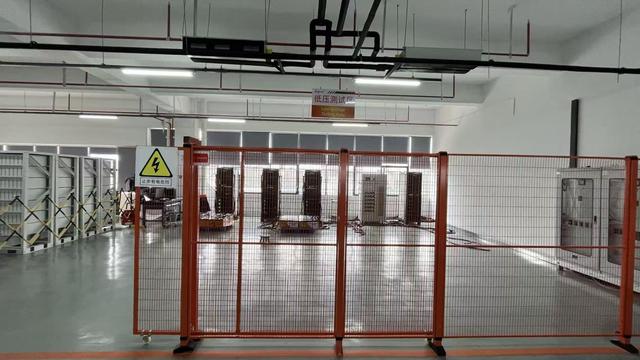
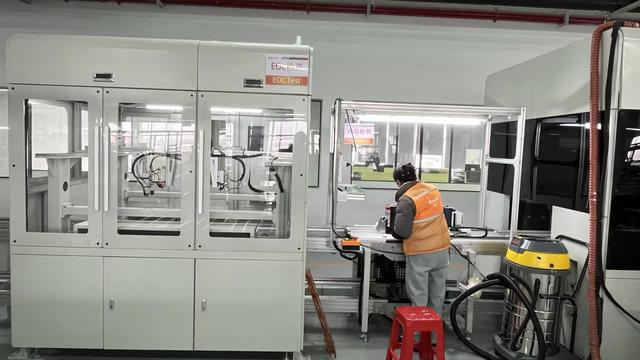
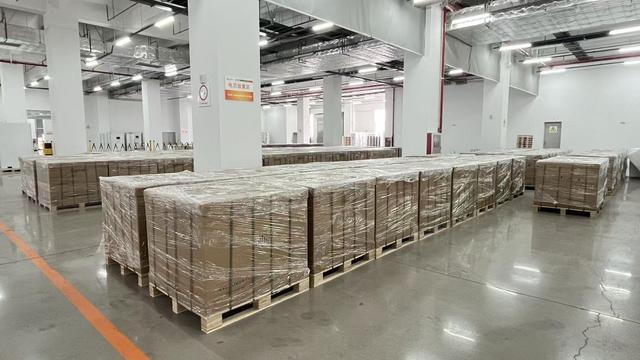
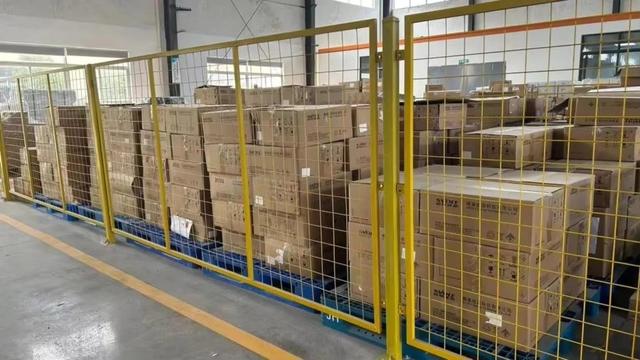
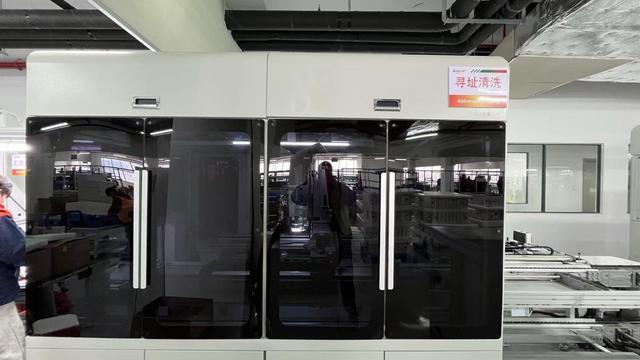
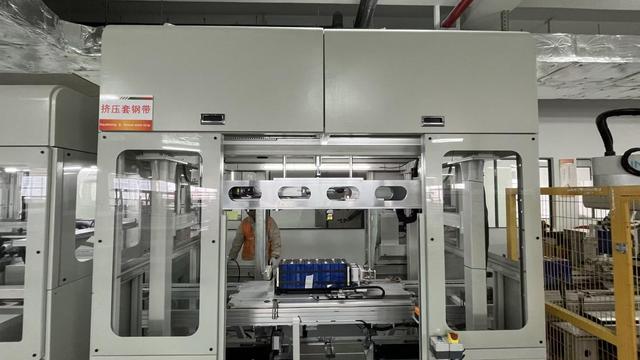
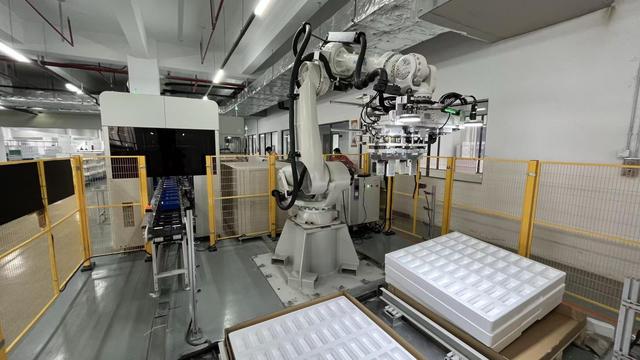
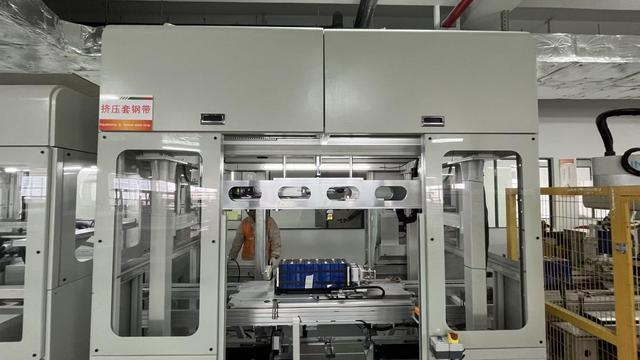
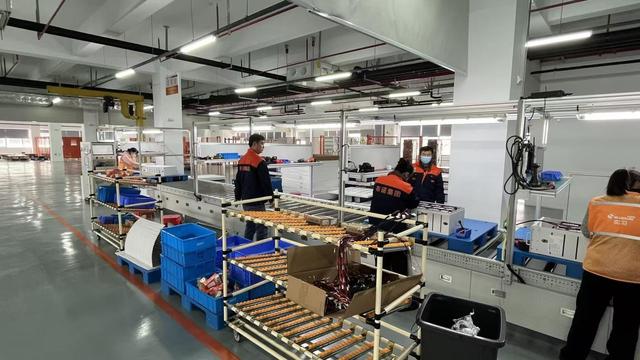
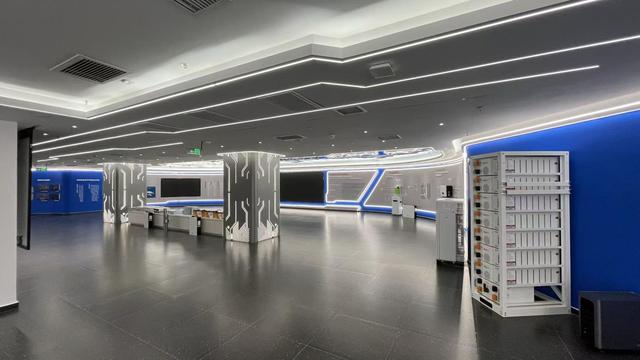
Our facility is ISO 9001, ISO 14001, and ISO 45001 certified. We conduct double electroluminescence (EL) tests—both before and after lamination—to check for internal microscopic cracks, cold solder joints, or cell defects. This thorough process ensures that only high-quality modules leave our factory.
Procuring tier-1 quality solar panels involves verifying manufacturing processes, material tracing, and shipping terms. Halkirk Solar offers customized services to simplify this process:
We offer custom brand printing, altered dimensions, varied wire lengths, and custom junction box configurations to meet local grid requirements.
Our products are fully certified with CE, TUV, and UL marks, meeting the strict import standards of European, North American, and Asia-Pacific markets.
We use heavy-duty pallets with reinforced vertical corner protectors, sealed in moisture-proof packaging, to prevent shipping damage over long sea voyages.
For EPC contractors and utility project planners, we provide detailed PVsyst pan files, structural drawing layouts, and electrical diagrams. This speeds up design, engineering approvals, and financing processes.
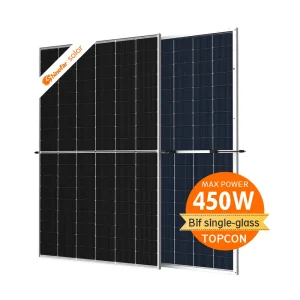
As PERC cell technology nears its efficiency limits, the industry is moving towards N-Type TOPCon (Tunnel Oxide Passivated Contact) designs. TOPCon technology uses thin tunnel oxide layers to reduce recombination losses. When combined with half-cut cell layouts, it offers several key advantages:
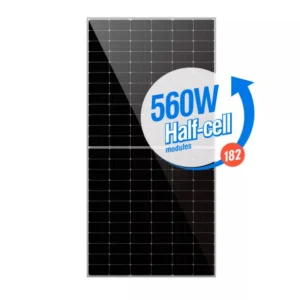
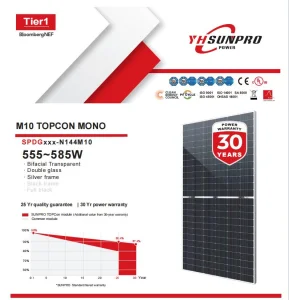
Halkirk Solar is expanding our N-type TOPCon production lines to supply 182mm and 210mm half-cut modules with power ratings from 430W to 750W. This range helps ensure our global customers have access to the latest PV technology.
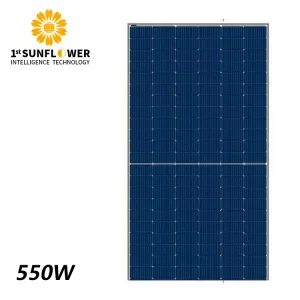
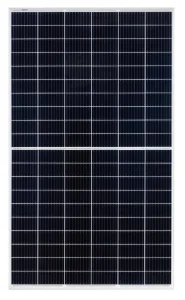
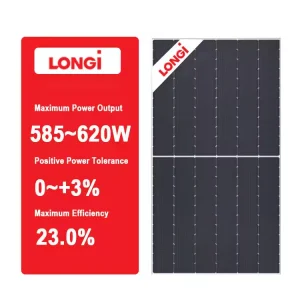
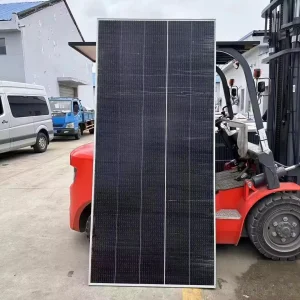
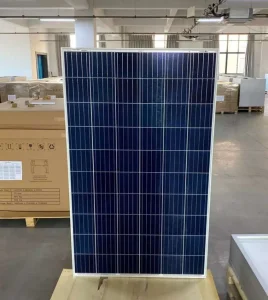
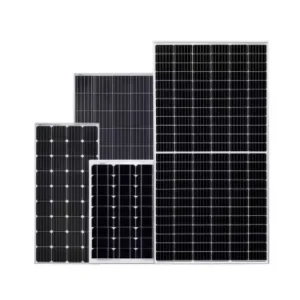
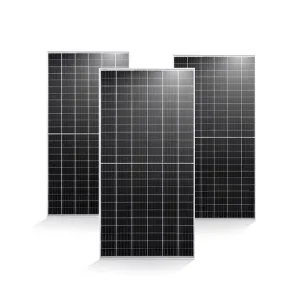
Select from our range of residential modules, bifacial double-glass systems, and high-power utility-scale solutions.
 Halkirk Solar