Ningbo Halkirk Solar Co., Ltd. stands at the forefront of the global energy transition as a professional China solar panel manufacturer and monocrystalline & bifacial solar module supplier. Strategically located in Ningbo, China, we operate an integrated industrial framework that spans foundational research and development, smart manufacturing, strict quality control, and an optimized international logistics network to deliver clean energy infrastructure globally.
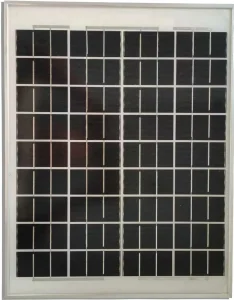
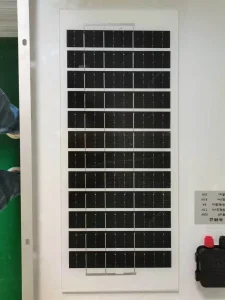
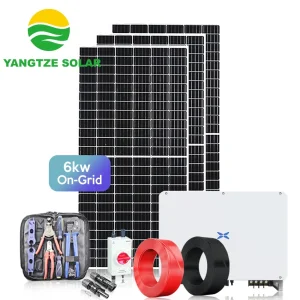
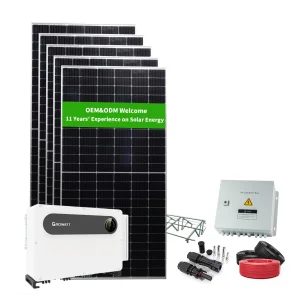
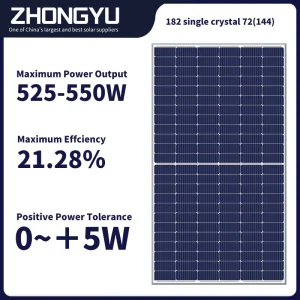
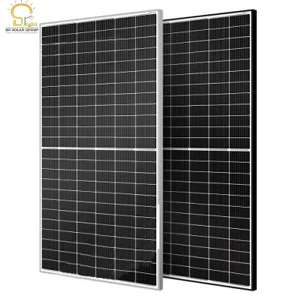
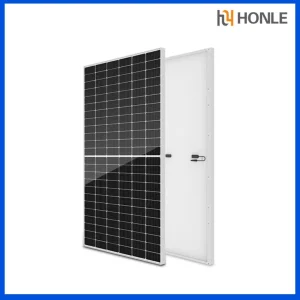
We specialize in state-of-the-art monocrystalline solar panels, bifacial solar modules, TOPCon solar panels, N-type solar modules, off-grid solar solutions, on-grid solar systems, and highly tailored photovoltaic equipment. Integrating cell efficiency innovation and Industry 4.0 automation, our equipment operates reliably in residential, commercial, industrial, and utility-scale application fields worldwide.
The global PV landscape is experiencing a fast shift toward N-type silicon architectures. The transition from legacy p-type PERC (Passivated Emitter and Rear Cell) structures to N-type TOPCon (Tunnel Oxide Passivated Contact) and HJT (Heterojunction) technologies has set new baselines for Levelized Cost of Energy (LCOE). On-grid installations now demand high performance, making temperature coefficients, bifaciality ratios, and low light behavior critical factors in commercial asset evaluation.
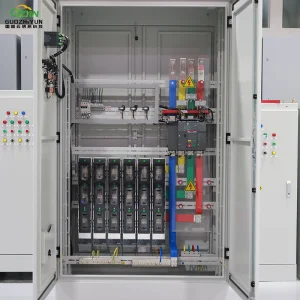
Industrial developers prioritize high module power (550W+ to 700W+) and low degradation rates to optimize Balance of System (BOS) costs. Standardizing large-area M10 and G12 wafers allows system designers to reduce structural steel mounting requirements, copper cabling runs, and land-use footprints. Additionally, managing grid stability with advanced high-capacity combiner distribution panels is crucial to preventing curtailment and voltage fluctuations during peak generation periods.
Using tunneling oxide passivating layers minimizes carrier recombination, increasing efficiency past 22.5% and reducing LID/LeTID degradation.
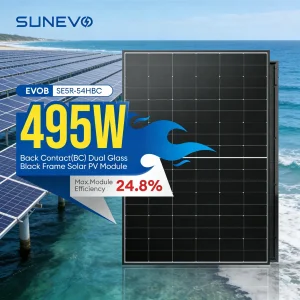
Bifacial modules capture rear-side albedo reflections, generating up to 25% additional power depending on the ground surface conditions.
High-wattage modules reduce mechanical racking, trackers, interconnect wiring, and civil works costs per megawatt installed.
Large-scale solar procurement requires balancing technical performance, financial feasibility, and supply chain transparency. EPC (Engineering, Procurement, and Construction) contractors and developers look for bankable manufacturers that can provide reliable performance documentation and meet compliance requirements, such as carbon footprint tracking (e.g., EU CBAM) and supply chain verification.
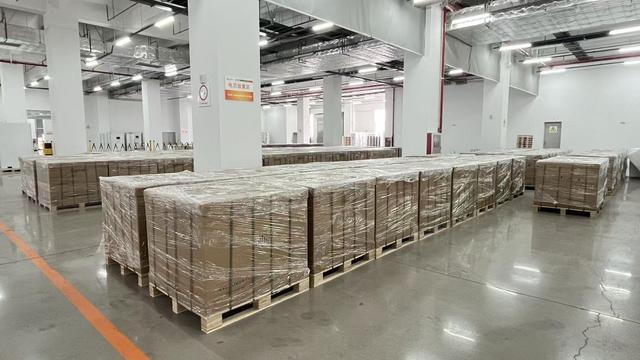
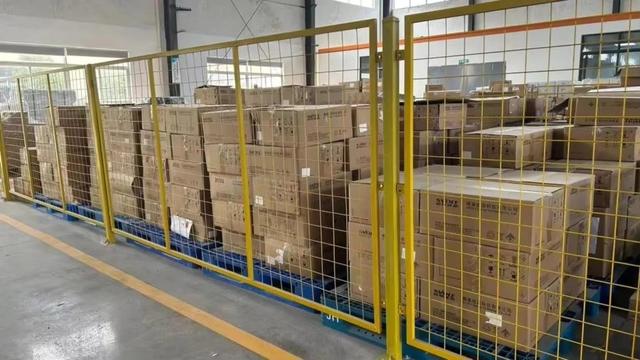
To mitigate long-term project risks, we prioritize traceabilty of components, raw material consistency, and comprehensive quality assurance testing. Beyond manufacturing efficiency, our logistics services support on-time delivery to site, minimizing demurrage charges and field staging bottlenecks. Ningbo Halkirk Solar addresses these market expectations through tailored manufacturing services, transparent material tracking, and reliable logistics support.
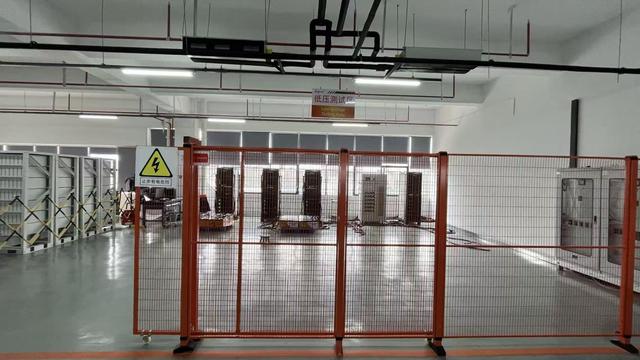
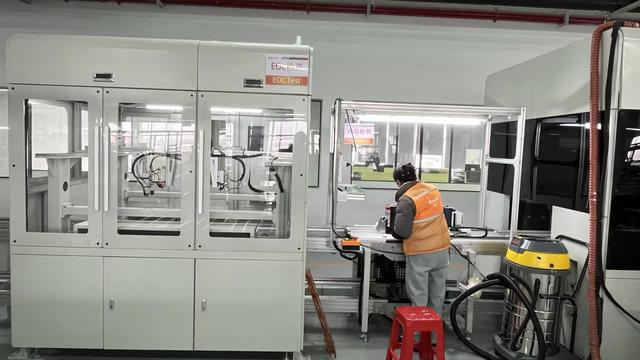
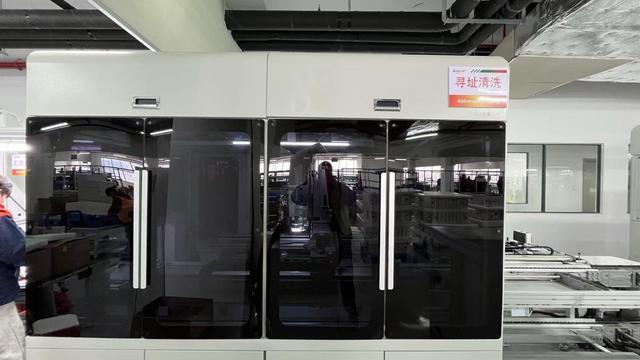
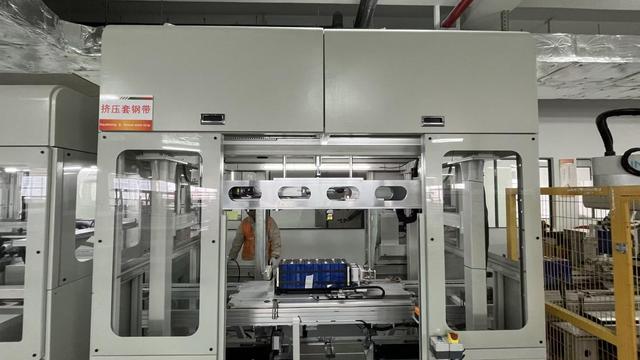
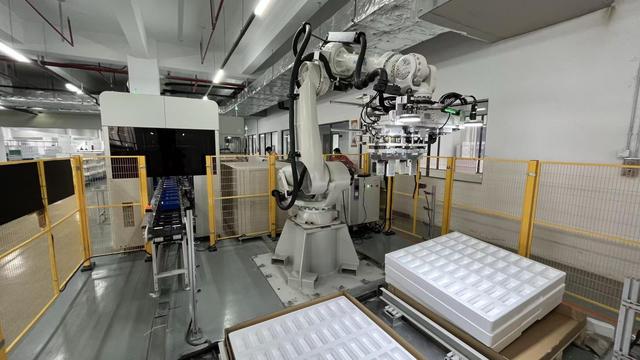
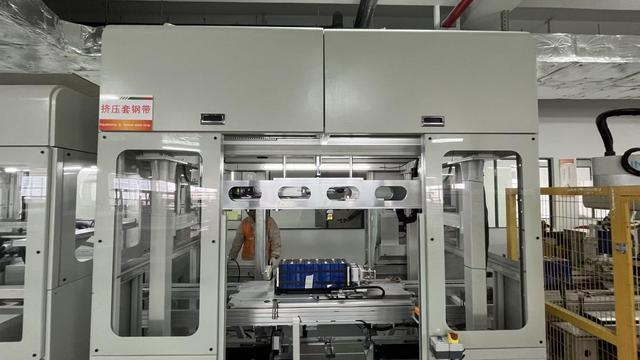
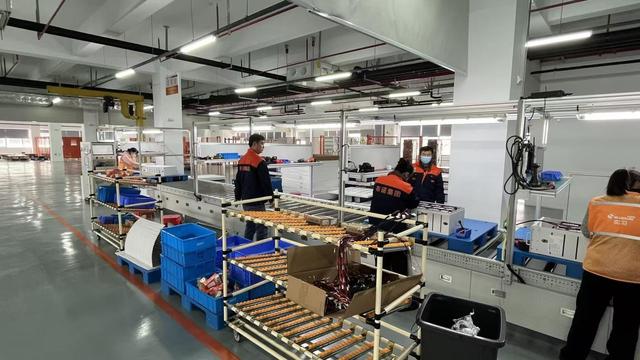
Ningbo Halkirk Solar’s production facilities combine automated assembly lines with advanced testing protocols. Our manufacturing processes utilize automated stringer alignment, robotic glass placement, and high-precision lamination systems. This automation ensures mechanical consistency and maintains module integrity under mechanical load testing up to 5400Pa on the front side and 2400Pa on the rear side.
Every module undergoes multi-stage Electroluminescence (EL) imaging to detect micro-cracks, soldering anomalies, or cell defects before lamination and packaging. Located in Ningbo, a global shipping hub, our facility benefits from proximity to component suppliers and deep-water port access. This integration reduces transportation time for raw materials, helping us maintain reliable lead times for our customers.

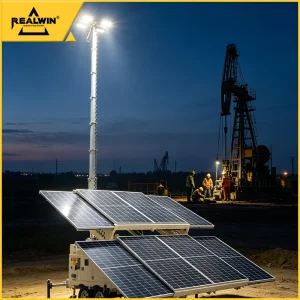
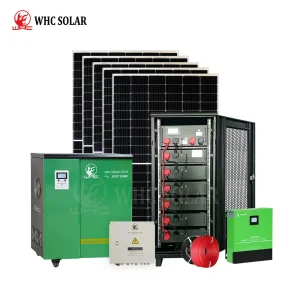
Halkirk Solar designs modules for a wide range of operating conditions. Our portfolio supports utility-scale installations, marine applications, and off-grid power systems.
Our high-density monocrystalline panels help commercial enterprises reduce peak demand charges and lower carbon footprint metrics, aligning with corporate sustainability targets.
Bifacial modules paired with single-axis tracking systems maximize daily energy output (kWh/kWp), offering consistent yields for power purchase agreements (PPAs).
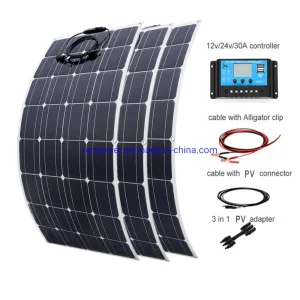
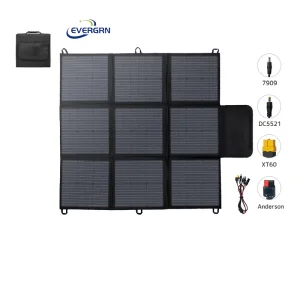
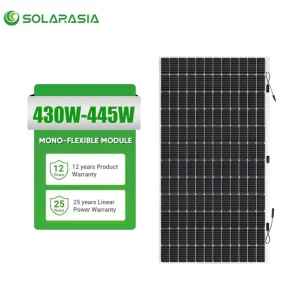
Flexible monocrystalline modules adapt to curved surfaces on boats and RVs. Paired with charge controllers, they provide reliable off-grid power for exploration and transport.
 Halkirk Solar