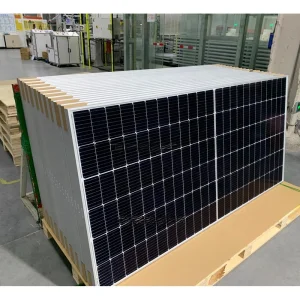
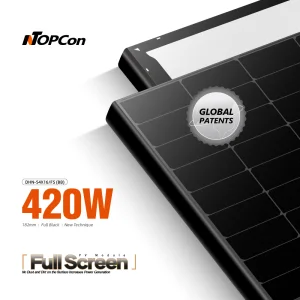
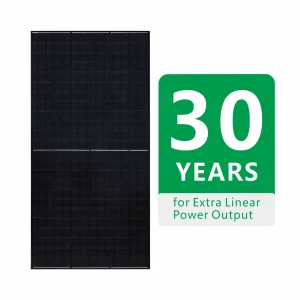
Engineered for high conversion efficiency, lower degradation, and superior temperature coefficients.
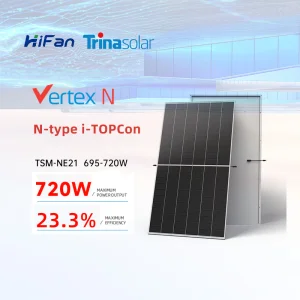
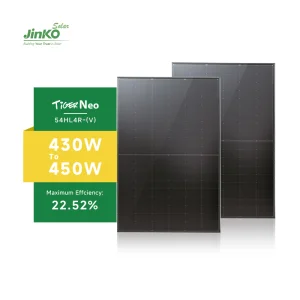
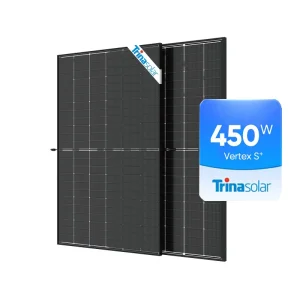
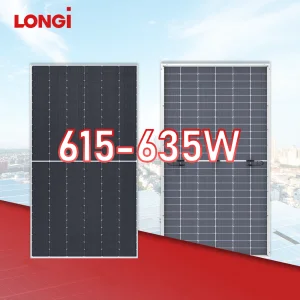
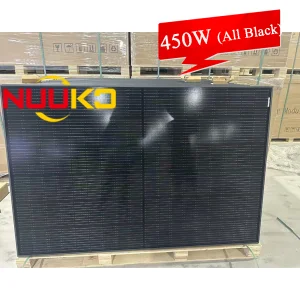
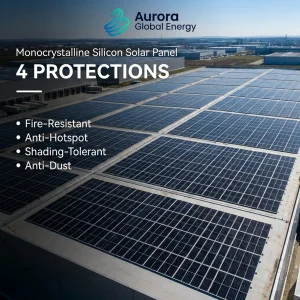
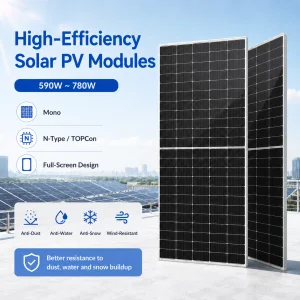
A Premier Tier-1 Equivalent Solar Panel Manufacturer & Photovoltaic Solution Provider
Ningbo Halkirk Solar Co., Ltd. is a professional China solar panel manufacturer and monocrystalline & bifacial solar module supplier, dedicated to delivering high-efficiency renewable energy solutions to customers worldwide. Located in Ningbo, China, the company integrates research and development, manufacturing, quality control, and global sales to provide reliable solar products for residential, commercial, industrial, and utility-scale applications.
Halkirk Solar specializes in the production of monocrystalline solar panels, bifacial solar modules, TOPCon solar panels, N-type solar modules, off-grid solar solutions, on-grid solar systems, and customized photovoltaic products. Leveraging advanced cell technology and intelligent manufacturing processes, our products are designed to maximize energy output, improve conversion efficiency, and ensure long-term performance in diverse environmental conditions.
To better serve international customers, Halkirk Solar offers flexible OEM and ODM services for solar brands, distributors, EPC contractors, wholesalers, and project developers. Our experienced engineering and technical teams work closely with clients to deliver customized solar solutions tailored to specific project requirements, market demands, and branding needs.
Analyzing the Quantum Tunneling Layer and Passivated Contacts that Outperform Legacy P-Type PERC
Tunnel Oxide Passivated Contact (TOPCon) technology represents the dominant frontier in the commercialization of N-type silicon photovoltaic cells. By incorporating an ultra-thin silicon oxide tunnel layer (typically ~1.5 nm) combined with highly doped polycrystalline silicon, TOPCon modules significantly reduce minority carrier recombination at the metal contacts. This architectural upgrade leads to superior open-circuit voltage ($V_{oc}$) and a higher Fill Factor ($FF$) compared to traditional passivated emitter and rear cell (PERC) architectures.
In a standard P-type PERC cell, metal electrodes contact the silicon wafer directly, introducing dangling bonds that act as recombination centers. TOPCon resolves this by inserting a chemically grown tunnel oxide layer. This layer is thin enough to allow majority carriers (electrons in N-type substrates) to tunnel through quantum mechanically to the polycrystalline silicon cap layer, while repelling holes (minority carriers). This selective transport decreases surface recombination velocity ($S_e < 10\text{ cm/s}$), pushing practical cell conversion efficiencies beyond 25.5% in standard manufacturing settings.
| Technical Parameter | Traditional P-Type PERC | N-Type TOPCon | Heterojunction (HJT) |
|---|---|---|---|
| Average Cell Efficiency | 22.8% - 23.2% | 25.2% - 25.8% | 25.5% - 26.2% |
| Temperature Coefficient | -0.34% / °C | -0.30% / °C | -0.26% / °C |
| Bifaciality Factor | 65% - 70% | 80% - 85% | 85% - 90% |
| First Year Degradation | 2.0% | 1.0% | 1.0% |
| Annual Degradation Rate | 0.55% | 0.40% | 0.25% |
| LID (Light Induced Degradation) | High (Boron-Oxygen complexes) | Negligible (Phosphorus-doped) | Zero |
Why China's manufacturing ecosystems dominate the global solar supply chain
China's PV industrial clusters in Zhejiang, Jiangsu, and Anhui provinces contain over 80% of the world's upstream and downstream solar capacity. From polysilicon purification and ingot pulling to cell stringing, module lamination, and glass tempering, all crucial operations occur within a 200km radius. This geographic concentration drastically lowers transport overheads, guarantees component consistency, and allows factories to adapt production schedules in real time to fluctuating global demands.
Ningbo Halkirk Solar Co., Ltd. profits directly from its strategic placement in Ningbo. Ningbo-Zhoushan Port is the world's busiest port by cargo tonnage, offering direct shipping lines to North America, Europe, Southeast Asia, and Latin America. Efficient port logistics reduce domestic freight costs, reduce the risk of transport damage, and trim transit times down to a minimum—crucial features for EPC projects with strict construction deadlines.
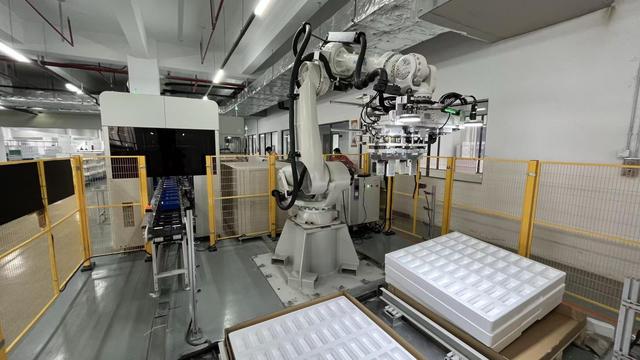
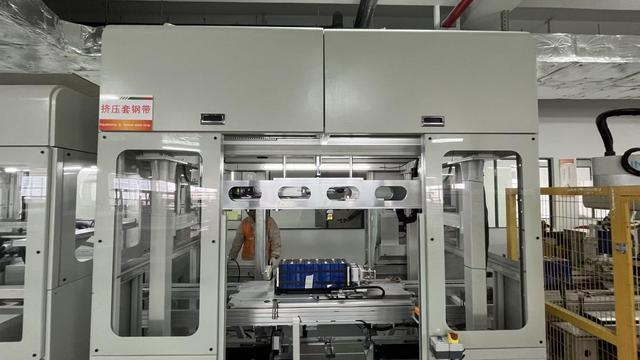
Modern Chinese manufacturing facilities rely on industry 4.0 automation. Equipped with fully automated soldering, high-speed layout robots, and automated optical inspection (AOI) systems, TOPCon lines limit human error to near-zero margins. Inline Electroluminescence (EL) testers analyze every single cell before and after lamination to isolate micro-cracks, ensuring only mechanically perfect modules leave the facility floor.
Analyzing financial returns, CAPEX, and risk mitigation strategies for procurement officers
Levelized Cost of Energy (LCOE) is the ultimate metric for power producers. N-type TOPCon modules lower LCOE by boosting energy yields across three core dimensions:
For international buyers and EPC contractors, purchasing from Chinese factories requires rigorous due diligence. Standard checklists include:
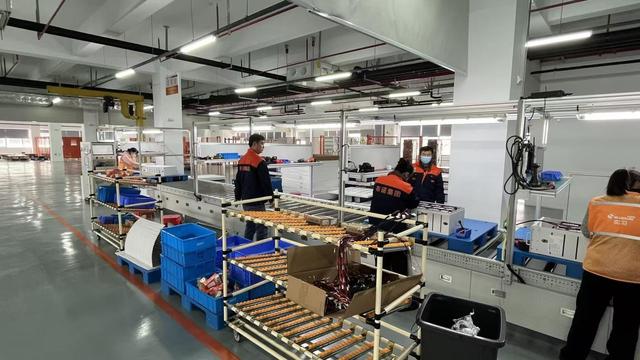
Our modern manufacturing facility is equipped with automated production lines, precision testing equipment, and strict quality management systems. Every solar module undergoes comprehensive inspections and performance testing to guarantee superior reliability, durability, and compliance with international standards (such as TUV, CE, and UL certifications).
Adapting N-type TOPCon modules to harsh geographical environments and high-yield layouts
Large-scale solar parks demand high bifacial yields. By utilizing N-type bifacial modules paired with single-axis tracking systems, operators achieve maximum daily irradiation capture. The structural integrity of dual-glass configurations shields cells against sandstorms and physical loading.
Roofs have limited structural capacity and mounting footprints. Using high-power density TOPCon modules (such as 600W+ designs) ensures optimal capacity installations per square meter. This minimizes balance of system (BOS) racking costs and speeds up project payback times.
Floating solar installations expose modules to extreme humidity and potential PID degradation. TOPCon's inorganic passivation layers, combined with POE encapsulation and dual-glass construction, provide industry-leading protection against water vapor ingress and salt-mist corrosion.
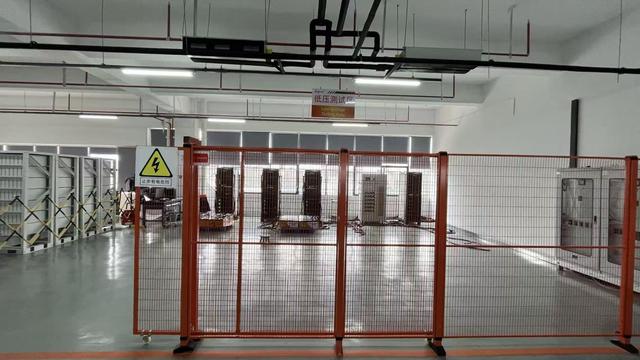
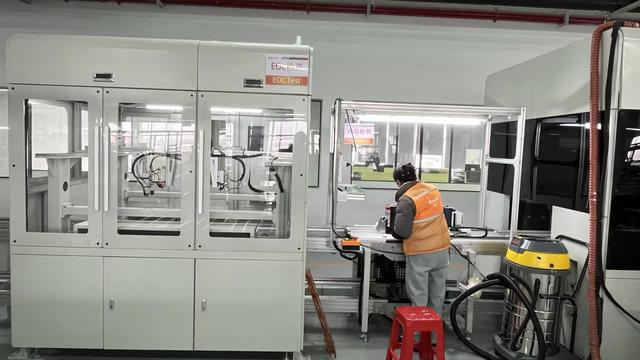
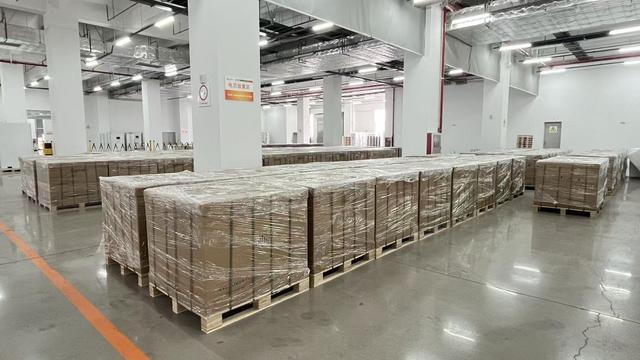
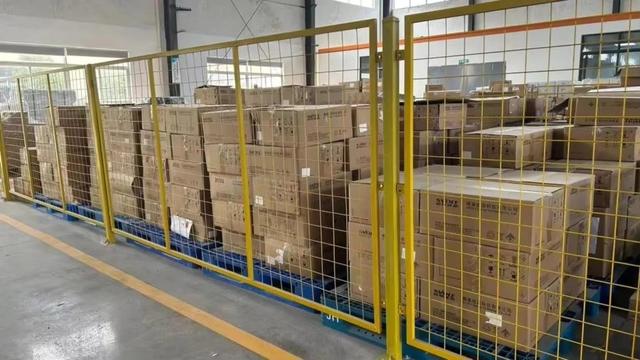
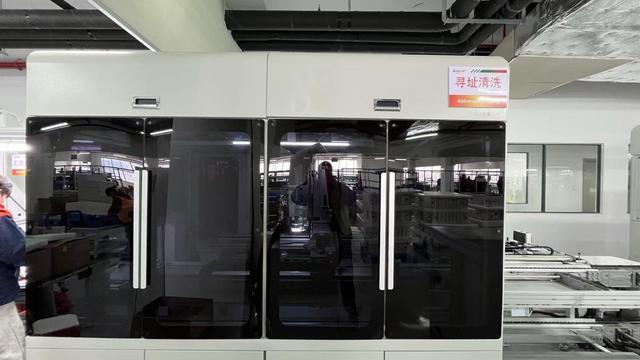
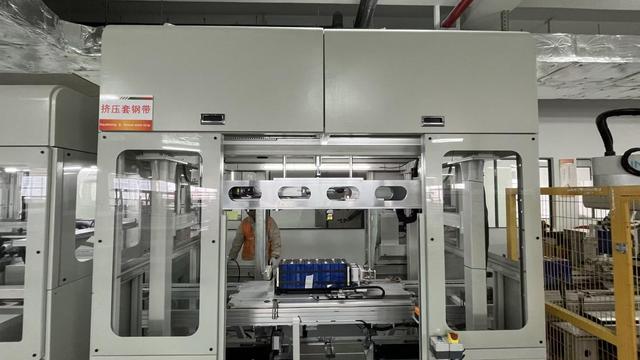
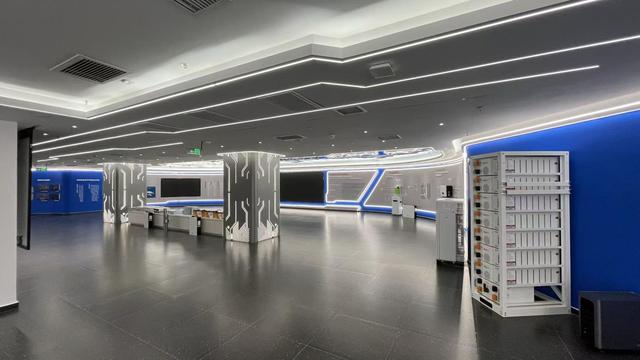
Inside Ningbo Halkirk Solar Co., Ltd.'s state-of-the-art production floors
Our production facilities feature automated lines, cleanroom cell-soldering bays, and advanced lamination presses. We utilize rigorous optical inspection systems at each processing step to guarantee defect-free modules.
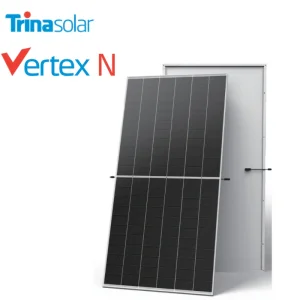
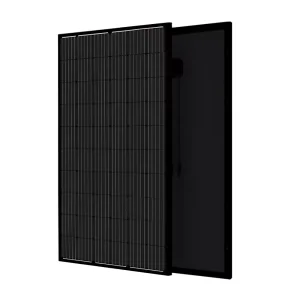
Explore high-efficiency, multi-power outputs optimized for worldwide applications
Answering high-intent questions from project developers and utility engineers
 Halkirk Solar