Explore our tier-one lineup of next-generation N-type TOPCon and HJT solar modules, engineered to deliver ultra-high power output and superior performance metrics.
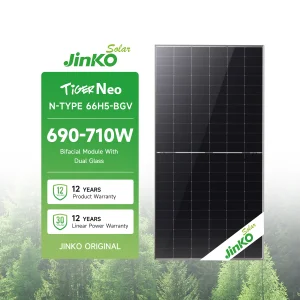
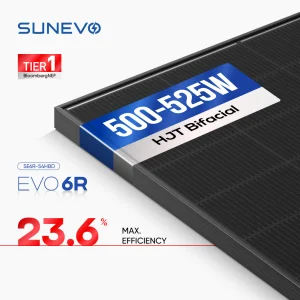
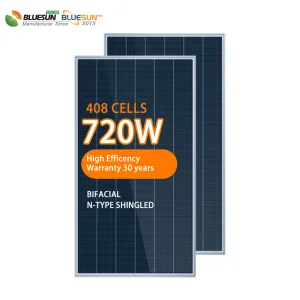
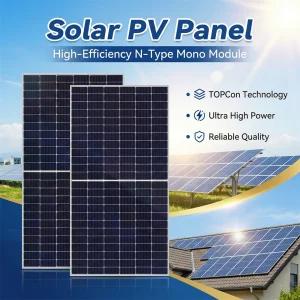
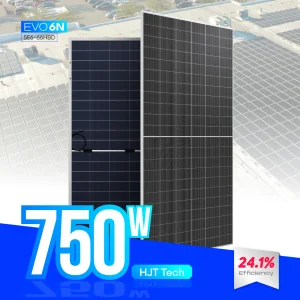
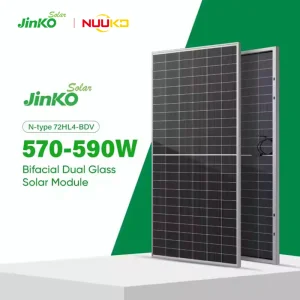
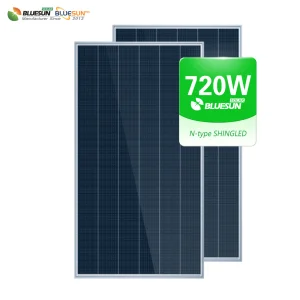
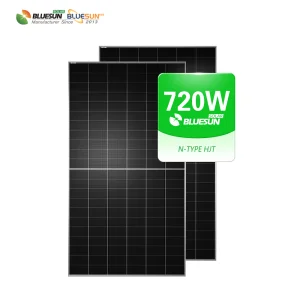
Ningbo Halkirk Solar Co., Ltd. is a professional China solar panel manufacturer and monocrystalline & bifacial solar module supplier, dedicated to delivering high-efficiency renewable energy solutions to customers worldwide. Located in Ningbo, China, the company integrates research and development, manufacturing, quality control, and global sales to provide reliable solar products for residential, commercial, industrial, and utility-scale applications.
Halkirk Solar specializes in the production of monocrystalline solar panels, bifacial solar modules, TOPCon solar panels, N-type solar modules, off-grid solar solutions, on-grid solar systems, and customized photovoltaic products. Leveraging advanced cell technology and intelligent manufacturing processes, our products are designed to maximize energy output, improve conversion efficiency, and ensure long-term performance in diverse environmental conditions.
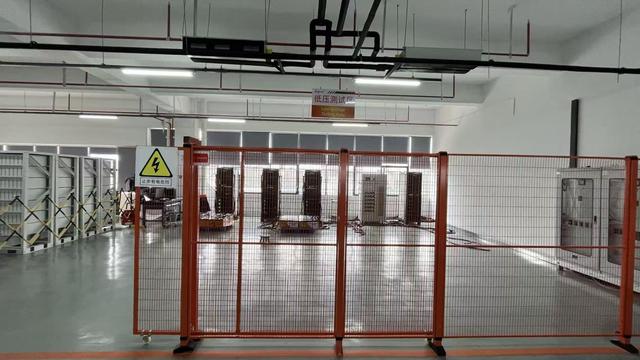
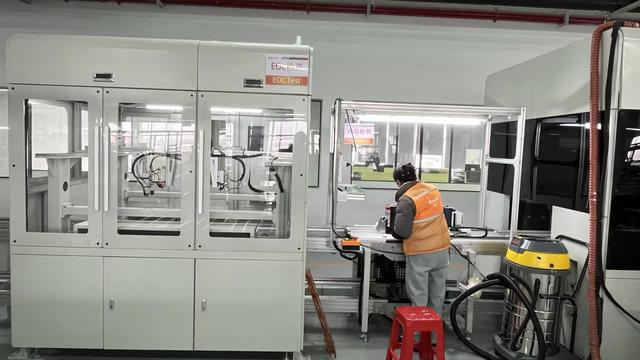
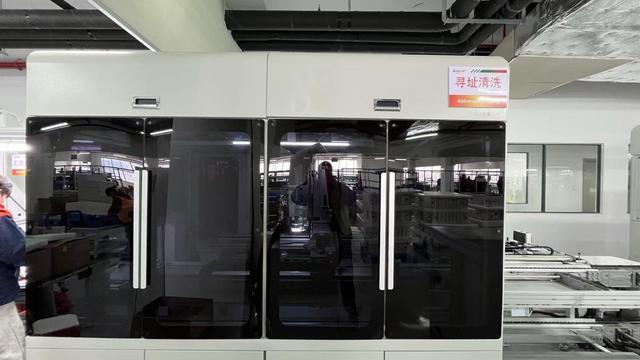
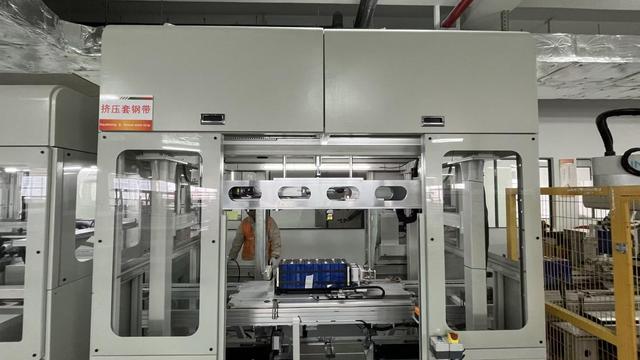
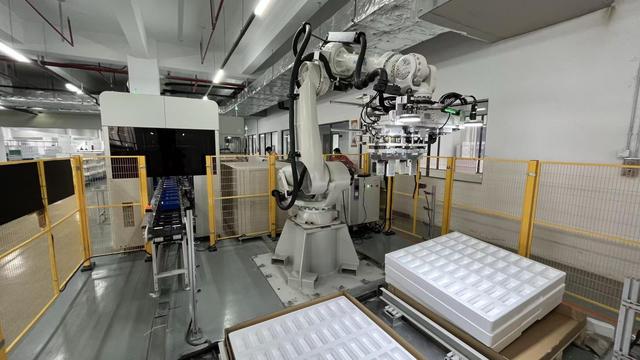
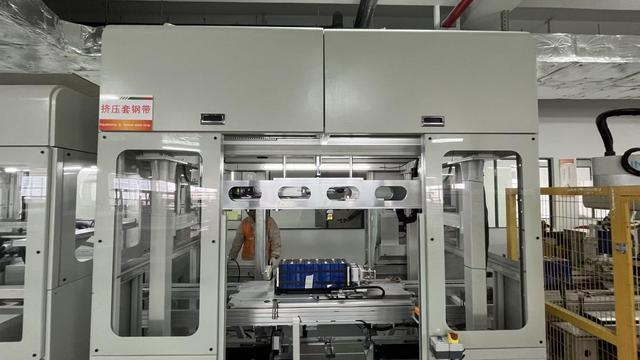
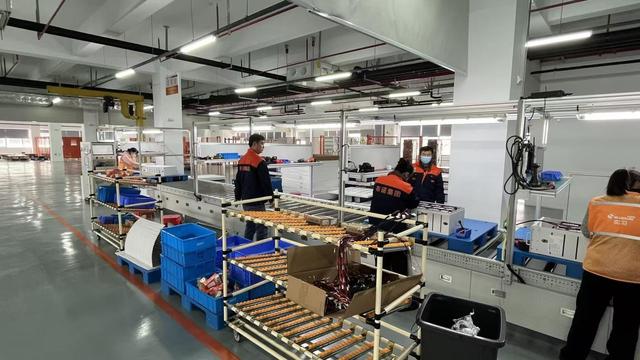
Our modern manufacturing facility is equipped with automated production lines, precision testing equipment, and strict quality management systems. Every solar module undergoes comprehensive inspections and performance testing to guarantee superior reliability, durability, and compliance with international standards. We are committed to providing products that meet the evolving demands of the global renewable energy market.
To better serve international customers, Halkirk Solar offers flexible OEM and ODM services for solar brands, distributors, EPC contractors, wholesalers, and project developers. Our experienced engineering and technical teams work closely with clients to deliver customized solar solutions tailored to specific project requirements, market demands, and branding needs. Driven by innovation, sustainability, and customer satisfaction, Ningbo Halkirk Solar Co., Ltd. continues to expand its presence in global markets.
The global solar energy paradigm is experiencing a fundamental transition. P-type PERC (Passivated Emitter and Rear Cell) technology, which dominated the photovoltaic market for over a decade, has reached its practical efficiency ceiling of approximately 24.5%. Consequently, Tier-1 manufacturers and developers are pivoting to N-type monocrystalline silicon technology. This shift represents a massive technological leap that directly impacts the Levelized Cost of Electricity (LCOE) for commercial, industrial (C&I), and utility-scale projects.
N-type substrates, doped with phosphorus instead of boron, are inherently immune to Light-Induced Degradation (LID). This chemistry eliminates the boron-oxygen defects that plague P-type cells under initial sunlight exposure. The result is a highly reliable module that maintains long-term structural and power generation stability, making N-type solar modules the standard choice for risk-averse institutional developers and IPPs (Independent Power Producers) worldwide.
Furthermore, N-type technology features a substantially lower temperature coefficient (typically -0.30%/°C compared to P-type’s -0.35%/°C). This thermodynamic advantage is critical in hot environments, such as desert areas in the Middle East and regions of Latin America, where standard solar panels lose efficiency due to heat. Under high-temperature conditions, N-type modules can generate up to 3.5% to 5% more energy compared to conventional P-type PERC arrays of equivalent nameplate capacity.
Additionally, N-type cells enable much higher bifaciality factors. While P-type bifacial modules typically achieve a bifaciality of 65-70%, N-type architectures easily surpass 80-85%. This means the back side of the module generates significantly more electricity from albedo (ground-reflected light), creating massive energy yield premiums in ground-mounted utility arrays and rooftop solar setups.
| Performance Parameter | P-Type PERC Module | N-Type TOPCon Module | N-Type HJT Module |
|---|---|---|---|
| Average Cell Efficiency | 23.0% - 23.8% | 25.0% - 25.8% | 25.5% - 26.2% |
| Temperature Coefficient | -0.35% / °C | -0.30% / °C | -0.26% / °C |
| Bifaciality Factor | 65% - 70% | 80% - 85% | 85% - 90% |
| First-Year Degradation | 2.0% | 1.0% | 1.0% |
| Annual Degradation Rate | 0.55% / year | 0.40% / year | 0.37% / year |
| LID / LeTID Sensitivity | Moderate to High | Negligible | Zero |
The global photovoltaic value chain is restructuring around N-type ingot, wafer, cell, and module production. Key technological and market trends include:
Module efficiency is scaling beyond 23% in mass production, powered by refinements in SMBB (Super Multi-Busbar) interconnection and zero-loss cut-cell layouts, minimizing electrical resistance and recombination losses.
TOPCon and HJT capacities are eclipsing P-type production lines. By 2026, N-type is projected to secure over 80% of global PV market share, rendering older cell production models obsolete.
N-type modules utilize thinner silicon wafers (down to 130μm and 110μm for HJT), reducing raw material usage. Manufacturers are integrating eco-friendly glass coatings to minimize carbon footprints.
In highly regulated and space-constrained European markets, maximum power density is essential. The demand for HJT all-black modules and N-type TOPCon is driven by space optimization. Residential and commercial rooftops seek highest performance within limited surfaces. This maximizes local ROI and shortens amortization periods under high electricity prices.
For desert-based utility projects in the Middle East and tracking arrays in the US and Latin America, high-temperature efficiency and bifaciality are vital. The combination of N-type double-glass construction with single-axis tracking systems leverages high ground albedo (sand/concrete), maximizing generation capacity and reducing overall project cost of energy.
Understanding the technical evolution between competing N-type architectures enables developers to make forward-compatible investment decisions.
TOPCon cells are manufactured by grown ultra-thin silicon oxide tunnel layer, followed by highly doped polycrystalline silicon. This structure significantly reduces surface recombination while maintaining high carrier transport. The main advantage of TOPCon is its compatibility with existing PERC manufacturing lines, enabling rapid capacity conversion and cost scaling.
HJT combines thin amorphous silicon layers on crystalline silicon wafers. This simple cell design delivers high open-circuit voltage (Voc) and a low temperature coefficient of -0.26%/°C. Because HJT uses low-temperature processing, it reduces wafer stress during manufacturing, paving the way for ultra-thin wafer integration and high bifaciality.
The ultimate evolution in the photovoltaic roadmap is the integration of perovskite thin films on top of N-type silicon bottom cells. By stacking materials that absorb different wavelengths of light, tandem cells can transcend the single-junction theoretical efficiency limit, target practical commercial module efficiencies exceeding 30% by 2030.
Both TOPCon and HJT utilize glass-glass encapsulation. This structure blocks moisture entry and protects the cell from potential-induced degradation (PID), securing a stable 30-year performance lifecycle.
Ningbo Halkirk Solar Co., Ltd. goes beyond manufacturing by designing complete system solutions. We address the physical and electrical challenges of large-scale PV installations, from design to execution:
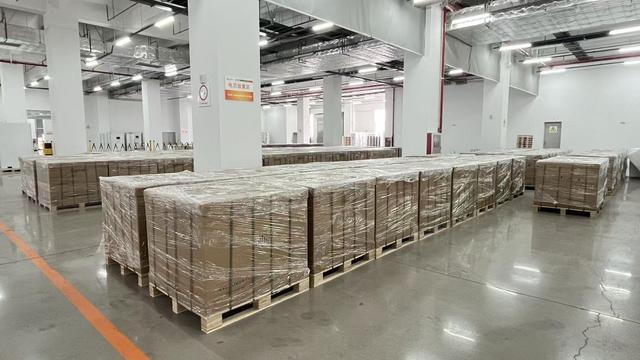
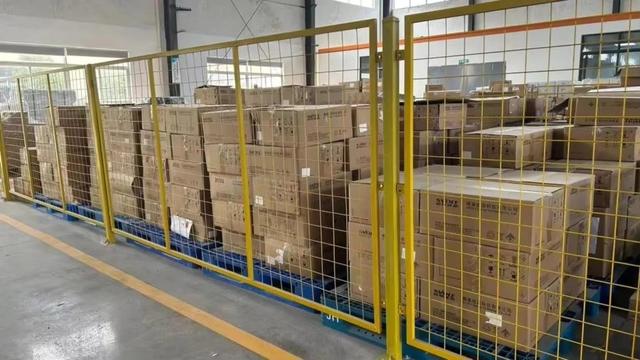
Take a look inside our high-tech facility. We combine advanced automation, cleanroom environments, and strict testing to guarantee premium quality.

Find quick answers to common questions about N-type solar modules, TOPCon/HJT technologies, and project implementation.
N-type solar panels provide higher cell efficiency (exceeding 25%), higher bifaciality (80-85%), and zero Light-Induced Degradation (LID). They also feature a lower temperature coefficient (-0.30%/°C to -0.26%/°C), enabling better energy production in warm climates. Over a 30-year lifecycle, this translates to up to 10% more total energy yield compared to P-type PERC panels.
TOPCon (Tunnel Oxide Passivated Contact) uses a thin oxide layer and doped silicon to reduce recombination losses. It is highly cost-effective and adapts easily to existing PERC lines. HJT (Heterojunction Technology) combines crystalline silicon with amorphous silicon layers, offering a lower temperature coefficient (-0.26%/°C) and a higher bifaciality factor (up to 90%), though it requires a higher initial investment.
Yes. We offer fully customizable OEM and ODM services for solar brands, distributors, EPC contractors, and project developers. We can adapt module dimensions, cell configurations, junction boxes, frames (including all-black designs), and cable lengths to match specific project requirements and branding guidelines.
Double-glass construction replaces the plastic backsheet with a secondary sheet of tempered glass. This protects the cells from moisture, salt mist, and mechanical stress. It virtually eliminates PID (Potential-Induced Degradation) and micro-cracking, allowing us to offer a 30-year performance warranty.
Our modules meet key global standards, including CE, TUV, IEC, BIS, and MCS. We perform rigorous quality inspections on all production lines, ensuring smooth import and grid connection in Europe, the Americas, Asia-Pacific, and other international markets.
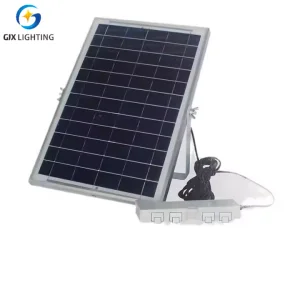
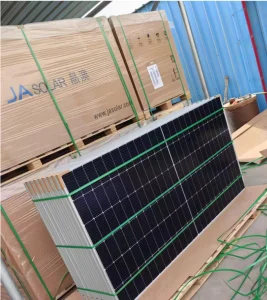
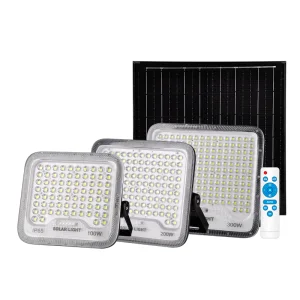
Discover our specialized solar systems, durable glass components, and mini modules designed for off-grid and smart energy projects.

 Halkirk Solar