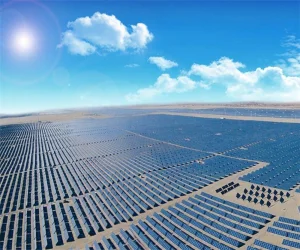
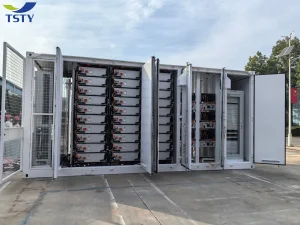
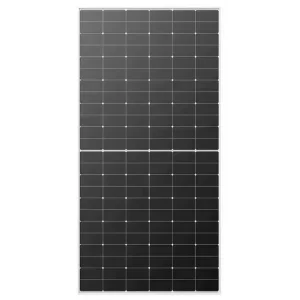
Deploy Tier-1 class PV technology engineered for maximum energy density, minimal degradation, and optimal Levelized Cost of Electricity (LCOE).
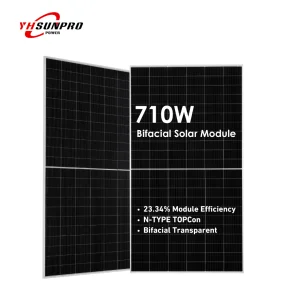
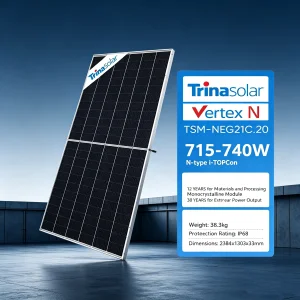
In the global race toward decarbonization, utility-scale solar installations have evolved from supplemental energy sources to grid-dominating baseload power plants. The economic viability of megawatt- and gigawatt-scale projects rests entirely on minimizing the Levelized Cost of Electricity (LCOE) while maximizing operational durability over 25- to 30-year design lifetimes. This requires an uncompromising alignment between EPC developers, asset managers, and Tier-1 manufacturing factories.
Historically, the photovoltaic market was dominated by standard p-type Al-BSF and PERC technologies. Today, a technological step-change has made n-type silicon chemistry the de facto industry standard for utility installations. By offering zero Light-Induced Degradation (LID), lower temperature coefficients, and superior bifaciality, modern n-type technologies (including TOPCon, HJT, and Back Contact variants) yield up to 3% to 8% more lifetime energy per watt installed compared to legacy platforms.
Ningbo Halkirk Solar Co., Ltd. sits at the intersection of this technology curve. As a premier Chinese manufacturer and supply chain integrator, we produce high-capacity, heavy-duty monocrystalline and bifacial solar modules engineered specifically for large-scale utility configurations. By deploying automated precision manufacturing lines, we guarantee that every cell, ribbon, frame, and backsheet complies with strict international performance baselines.
Building a utility-scale solar farm requires thousands of metric tons of high-grade raw materials, highly reliable tracker-compatible frames, and flawless electrical connections. China’s PV industrial clusters supply over 80% of the world’s solar wafers, polysilicon, and solar glass, creating an unmatched ecosystem of innovation, cost-efficiency, and quality control.
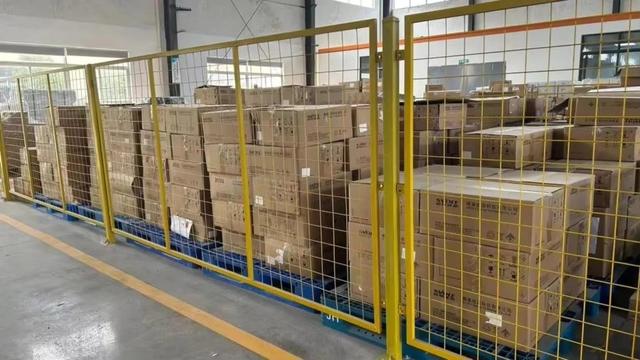
Our facility in Ningbo leverages immediate proximity to the Port of Ningbo-Zhoushan—the world’s busiest port by cargo tonnage. This drastically reduces overland transport costs, eliminates long port transit delays, and ensures that containerized shipments reach regional distribution ports seamlessly.
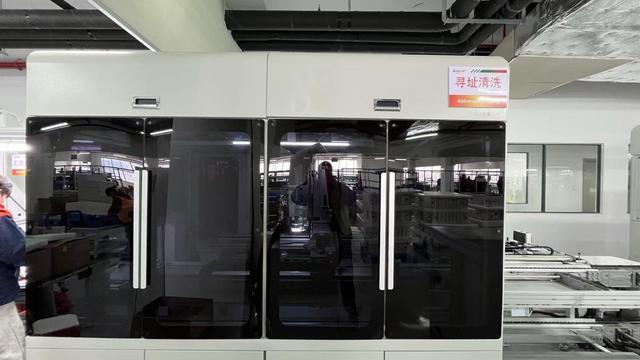
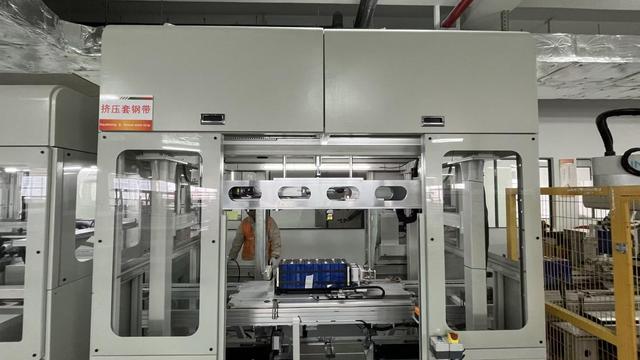
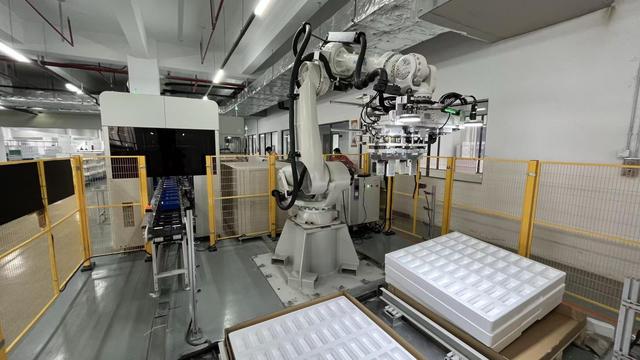
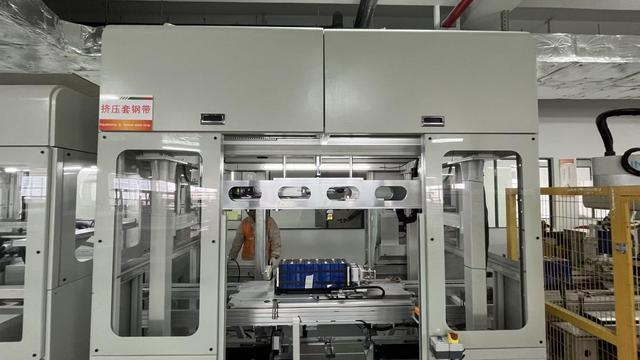
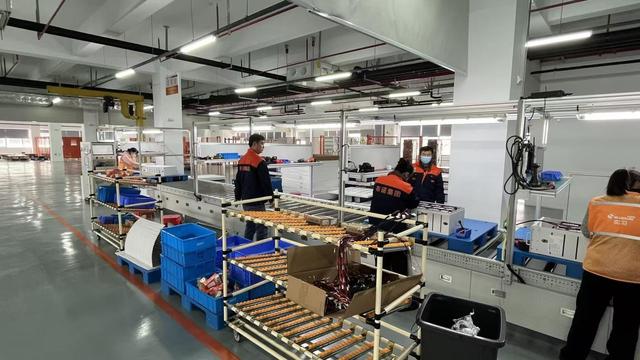
Modern utility-scale modules cannot rely on manual assembly. Our automated manufacturing utilizes robotic stringers, non-destructive laser cutting, and dual-stage Electroluminescence (EL) testing to detect micro-cracks invisible to the human eye, ensuring long-term field stability.
By securing multi-gigawatt procurement contracts for silicon, POE encapsulants, and low-iron tempered glass directly with regional tier-1 suppliers, Ningbo Halkirk Solar insulates project developers from the price spikes and material shortages that frequently disrupt Western supply chains.
Ningbo Halkirk Solar Co., Ltd. coordinates this localized supply advantage to offer flexible OEM and ODM solutions. Whether you are an EPC contractor requiring custom module lengths to match legacy tracking structures, or a regional distributor requiring high-power N-Type TOPCon or HJT modules packaged under proprietary branding, our production facility delivers tailored PV technology built to international quality and safety benchmarks.
Understanding the physical performance characteristics of modern cell architectures is vital for achieving the lowest Levelized Cost of Energy. Developers must weigh upfront capital expenditures (CAPEX) against cumulative energy yields.
TOPCon technology employs an ultra-thin silicon oxide tunnel layer combined with highly doped polycrystalline silicon to passivate the rear contacts. This architecture minimizes carrier recombination, boosting typical cell efficiency past 25.5%. With a temperature coefficient of just -0.30% / °C and a high bifaciality factor exceeding 80%, N-Type TOPCon modules deliver maximum value in high-insolation, hot-climate installations.
HJT combines crystalline silicon with amorphous silicon thin-film layers to form a symmetrical heterojunction cell. Known for its ultra-high bifaciality (often above 85-90%) and a minimal temperature coefficient of -0.26% / °C, HJT modules represent the high-performance tier of modern photovoltaics. The symmetrical design also helps reduce micro-cracking risk during mechanical load stresses (certified to withstand up to 5400 Pa front load and 2400 Pa wind/snow loads).
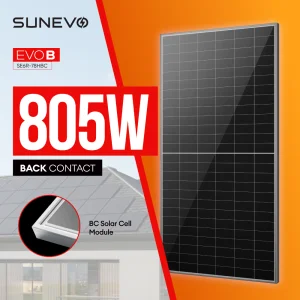
By moving all metal busbars to the rear of the cell, back contact technologies like LONGi’s HPBC 2.0 eliminate shading losses on the front surface. This creates a clean aesthetic while capturing more diffuse light. Back contact cells achieve top-tier cell efficiencies (over 26%), making them highly effective for utility-scale systems operating under low-light or high-soiling conditions where front-side obstruction presents a major operational risk.
A single standard module design cannot meet the diverse environmental challenges of global project sites. Ningbo Halkirk Solar provides specialized engineering solutions tailored to the physical characteristics of different terrain types:
Arid areas offer high solar resource potential but expose modules to high ambient temperatures, wind-blown sand abrasion, and dust accumulation. Halkirk Solar recommends double-glass bifacial N-type modules with anti-soiling, anti-abrasive coatings. The dual-glass structure prevents internal moisture ingress and resists sand blasting, while the low temperature coefficient limits power drop-off during peak heat hours.
Installing PV systems on water reservoirs or lakes helps conserve land resources and cools the solar modules to boost efficiency. However, these humid environments expose systems to Potential Induced Degradation (PID). Our water-surface utility solutions utilize double-glass configurations combined with POE (Polyolefin Elastomer) encapsulation rather than EVA, providing a robust water-vapor barrier that prevents PID-related power loss.
Agrivoltaics combines agricultural activities with clean energy production. Our bifacial modules with optimized transparency ratios allow photosynthetically active radiation (PAR) to reach crops below while harvesting reflected light from the ground, maximizing land-use efficiency and improving project returns.
Ningbo Halkirk Solar Co., Ltd. is a professional China solar panel manufacturer and monocrystalline & bifacial solar module supplier, dedicated to delivering high-efficiency renewable energy solutions to customers worldwide. Located in Ningbo, China, the company integrates research and development, manufacturing, quality control, and global sales to provide reliable solar products for residential, commercial, industrial, and utility-scale applications.
Halkirk Solar specializes in the production of monocrystalline solar panels, bifacial solar modules, TOPCon solar panels, N-type solar modules, off-grid solar solutions, on-grid solar systems, and customized photovoltaic products. Leveraging advanced cell technology and intelligent manufacturing processes, our products are designed to maximize energy output, improve conversion efficiency, and ensure long-term performance in diverse environmental conditions.
Our modern manufacturing facility is equipped with automated production lines, precision testing equipment, and strict quality management systems. Every solar module undergoes comprehensive inspections and performance testing to guarantee superior reliability, durability, and compliance with international standards. We are committed to providing products that meet the evolving demands of the global renewable energy market.
To better serve international customers, Halkirk Solar offers flexible OEM and ODM services for solar brands, distributors, EPC contractors, wholesalers, and project developers. Our experienced engineering and technical teams work closely with clients to deliver customized solar solutions tailored to specific project requirements, market demands, and branding needs.
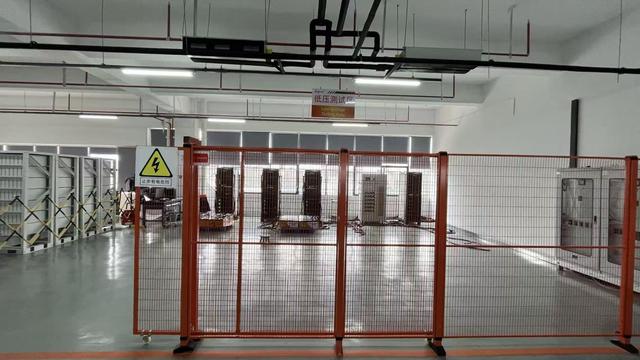
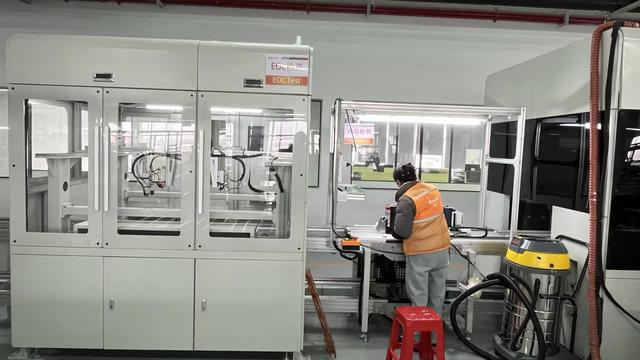
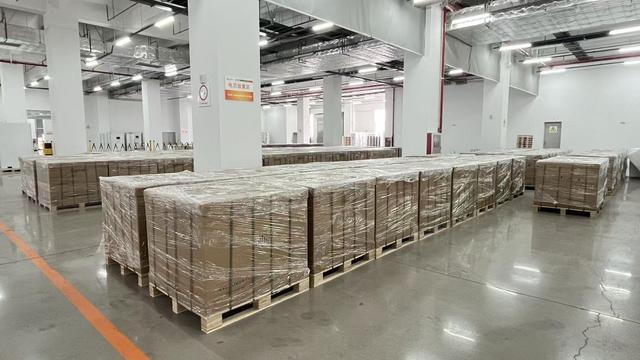

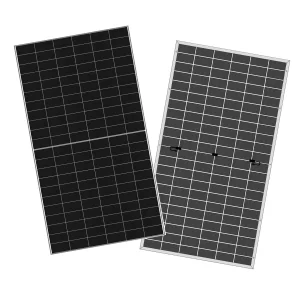
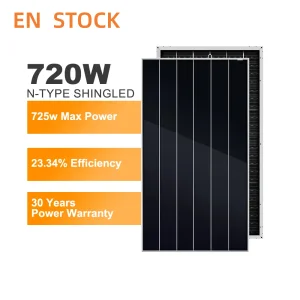
Engineered to meet the specifications of utility-scale, industrial-scale, and hybrid grid projects worldwide.
 Halkirk Solar