Explore our top-tier monocrystalline panels, optimized for utility-scale solar farms, commercial rooftop applications, and specialized off-grid power solutions.
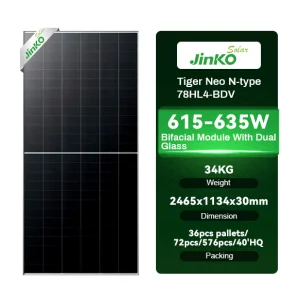
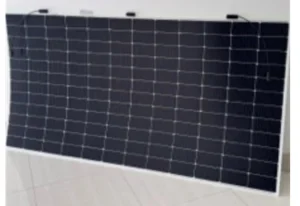
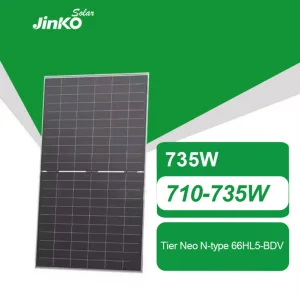
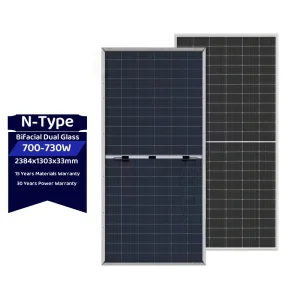
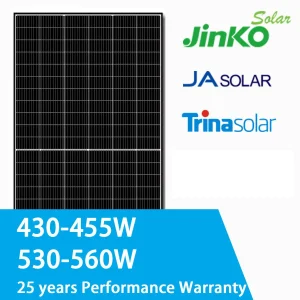
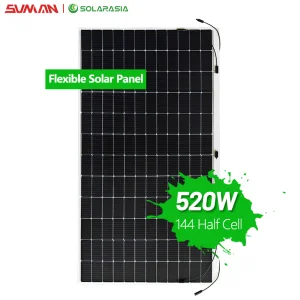
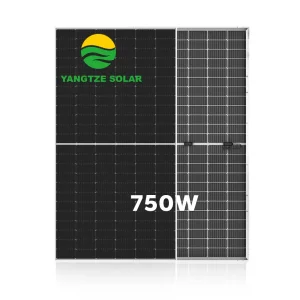
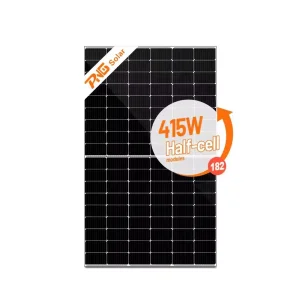
Ningbo Halkirk Solar Co., Ltd. is an industry-leading China solar panel manufacturer and monocrystalline & bifacial solar module supplier. Positioned in the global maritime hub of Ningbo, China, we operate at the intersection of robust logistics networks and cutting-edge silicon engineering. We are dedicated to delivering high-efficiency renewable energy solutions to customers worldwide. The company integrates research and development, manufacturing, quality control, and global sales to provide reliable solar products for residential, commercial, industrial, and utility-scale applications.
Halkirk Solar specializes in the production of monocrystalline solar panels, bifacial solar modules, TOPCon solar panels, N-type solar modules, off-grid solar solutions, on-grid solar systems, and customized photovoltaic products. Leveraging advanced cell technology and intelligent manufacturing processes, our products are designed to maximize energy output, improve conversion efficiency, and ensure long-term performance in diverse environmental conditions.
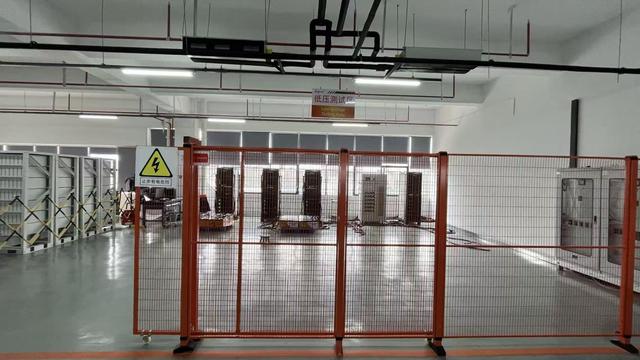
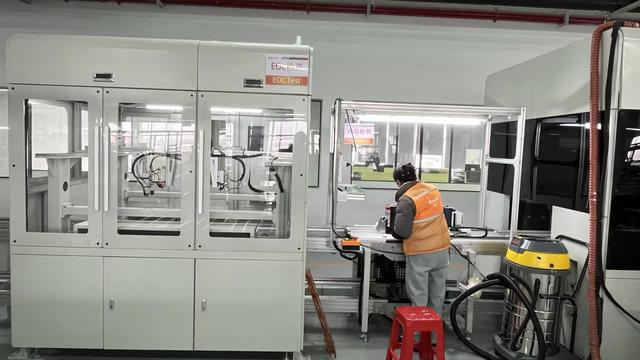
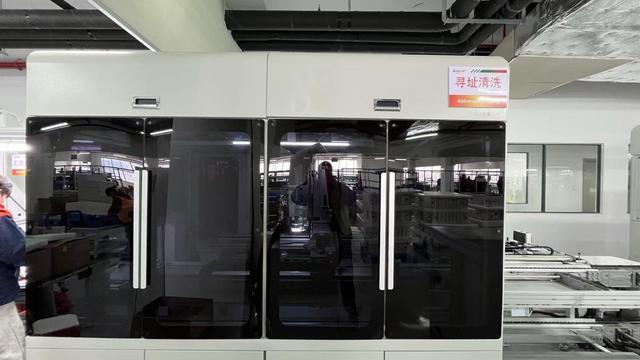
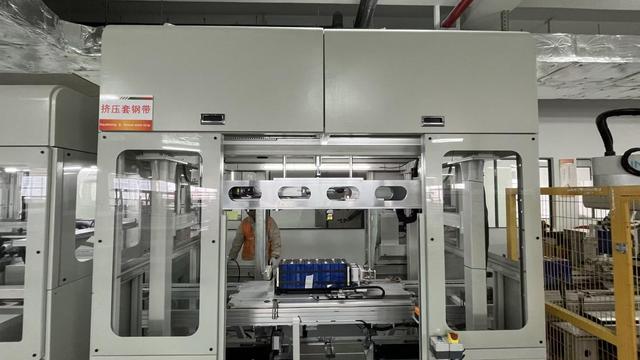
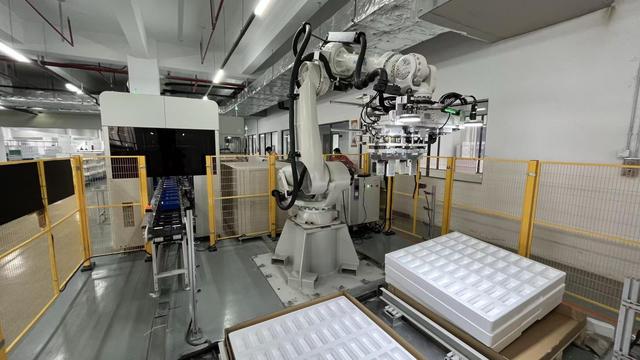
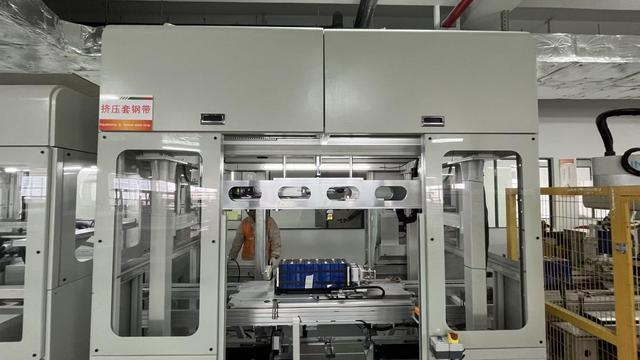
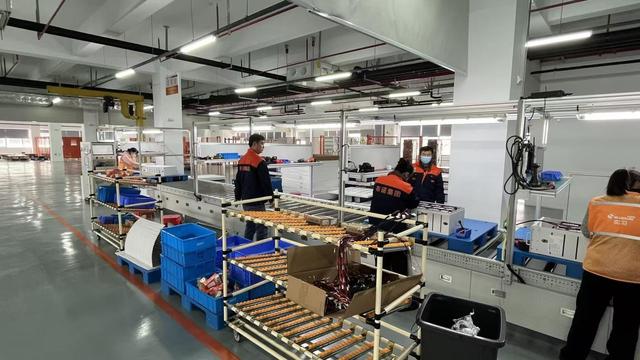
Our modern manufacturing facility is equipped with automated production lines, precision testing equipment, and strict quality management systems. Every solar module undergoes comprehensive inspections and performance testing to guarantee superior reliability, durability, and compliance with international standards. We are committed to providing products that meet the evolving demands of the global renewable energy market.
To better serve international customers, Halkirk Solar offers flexible OEM and ODM services for solar brands, distributors, EPC contractors, wholesalers, and project developers. Our experienced engineering and technical teams work closely with clients to deliver customized solar solutions tailored to specific project requirements, market demands, and branding needs. Driven by innovation, sustainability, and customer satisfaction, Ningbo Halkirk Solar Co., Ltd. continues to expand its presence in global markets.
The landscape of silicon photovoltaic cell architecture has evolved rapidly. By transitioning away from conventional P-type PERC structures, monocrystalline solar panel factories are paving the way for record-breaking efficiency ceilings.
Utilizing ultra-thin silicon oxide tunnel layers combined with highly doped polycrystalline silicon, TOPCon modules offer excellent passivated contacts. This results in standard production efficiencies exceeding 22.5%, lower LID/LeTID degradation rates, and a significantly improved temperature coefficient (-0.30%/°C) compared to standard P-type systems.
By sandwiching crystalline silicon between thin layers of amorphous silicon, HJT achieves high open-circuit voltages. Offering high bifaciality factors (up to 85%-90%) and a low temperature coefficient (-0.26%/°C), HJT is a top choice for utility applications where high yield in hot climates is required.
Hybrid Passivated Back Contact (HPBC) and other IBC technologies place all electrical contacts on the rear of the cell. This eliminates busbar shading on the front surface, maximizing light absorption and providing a sleek all-black look for residential roofs.
Looking forward, our R&D efforts are aligned with stacking perovskite thin films on top of silicon sub-cells. This configuration captures different spectrums of sunlight, bypassing the theoretical Shockley-Queisser efficiency limit of single-junction silicon (approx. 29.4%) and moving toward commercial module efficiencies of over 30% in the next decade.
How Ningbo Halkirk Solar operates its modern manufacturing facility to achieve zero-defect quality assurance and cost optimization.
Our monocrystalline solar panel factories feature fully automated cell sorting, high-speed stringer soldering, and robotic lay-up systems. Precision laser cutting minimizes micro-cracks along wafer edges, ensuring long-term durability. Modern vacuum lamination systems precisely control thermal and pressure cycles, eliminating delamination risks over the module's 30-year operational life.
Located in Ningbo, a global shipping hub, Halkirk Solar benefits from integrated supply chain ecosystems. From quartz mining and polysilicon refining to wafer slicing and solar glass production, the regional supply chain reduces material transit times and energy consumption during manufacturing.
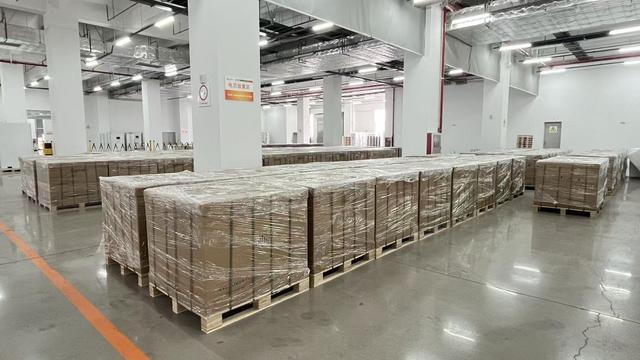
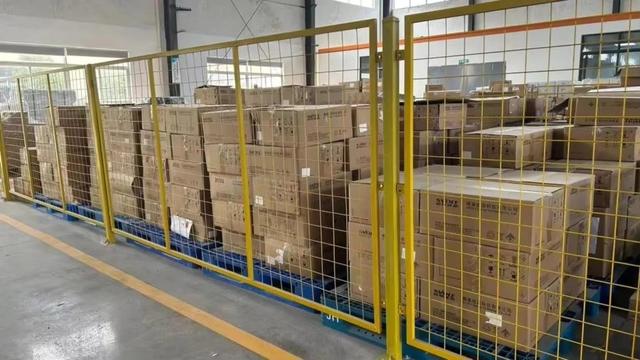
This allows us to maintain consistent production schedules, secure high-quality raw materials, and offer cost-competitive pricing. The proximity to Ningbo-Zhoushan Port also ensures streamlined logistics, reduced freight costs, and reliable shipping times for international projects.
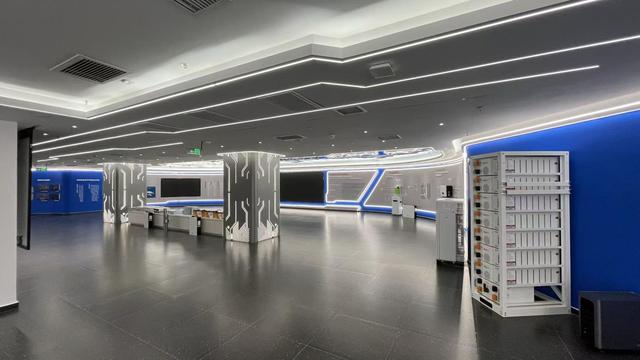
We design and manufacture solar modules to meet the unique structural and electrical challenges of residential, commercial, and utility-scale installations.
Our high-wattage bifacial modules (up to 730W) are optimized for utility-scale solar farms. By capturing ground-reflected albedo light, double-glass N-type bifacial panels can increase energy yield by up to 25% depending on local site conditions, lowering the Levelized Cost of Electricity (LCOE) for project developers.
Optimized for factory rooftops, warehouses, and corporate facilities, our N-type and HPBC modules maximize energy generation per square meter. Lightweight designs and flexible thin-film options help address structural weight limits on older roofs while maintaining high efficiency.
For home installations, we offer all-black monocrystalline panels that blend style with performance. These modules feature high low-light performance to generate electricity during cloudy days, early mornings, and late evenings, and are compatible with modern residential storage systems.
For procurement managers, EPC contractors, and distributors, buying direct from a monocrystalline solar panel factory involves key technical and logistical checkpoints.
Halkirk Solar maintains a strict quality management system aligned with international standards. Our manufacturing processes and products are certified to ensure global compliance:
Get answers to technical, logistical, and warranty questions commonly asked by solar energy professionals.
Monocrystalline panels are sliced from single-crystal silicon ingots, creating a uniform molecular structure. This allows electrons to flow with less resistance, resulting in higher efficiency (often exceeding 22%-23.6%) compared to polycrystalline panels (typically 17%-19%). Monocrystalline cells also perform better in high-temperature and low-light conditions, offering higher energy yield per square meter.
N-type silicon is doped with phosphorus, which prevents boron-oxygen complexes and virtually eliminates Light-Induced Degradation (LID). TOPCon cell designs also utilize a thin oxide layer to reduce carrier recombination at the contacts, leading to high open-circuit voltages, low temperature coefficients (-0.30%/°C), and improved energy yield in low-light and high-temperature environments.
Bifacial solar panels feature active PV cells on both sides. The rear side absorbs reflected light from the ground, known as the albedo effect. Depending on the ground surface (e.g., concrete, sand, or snow), the rear side can generate an extra 5% to 25% of energy. This boosts total energy output per unit area, helping to reduce the overall system Levelized Cost of Electricity (LCOE).
We employ advanced manufacturing safety measures, including multi-busbar (MBB) designs to shorten electron travel distances, automated laser cutting to reduce edge stress, and dual EL (Electroluminescence) inspections. Every panel is scanned for micro-cracks and material defects before lamination and during final quality control testing.
Halkirk Solar offers a 12-to-15-year product workmanship warranty and a 30-year linear power performance warranty. For N-type modules, first-year degradation is guaranteed at less than 1.0%, with subsequent annual degradation limited to 0.40%. This ensures the modules retain at least 87.4% of their nominal power output by the 30th year of operation.
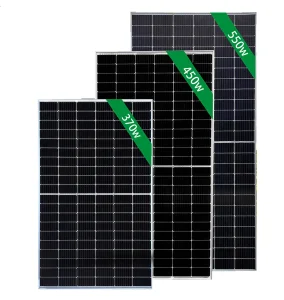
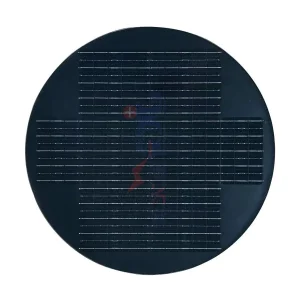
Select from our wider range of solar technologies, designed to support flexible installations from urban residential rooftops to demanding utility configurations.
 Halkirk Solar