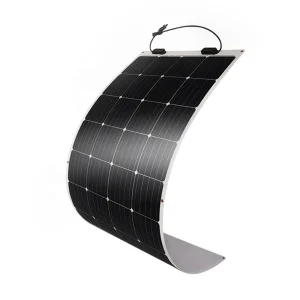
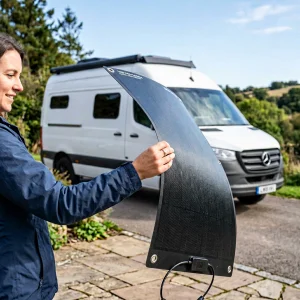
Discover our top-tier range of flexible, ultra-thin, and custom-shaped photovoltaic panels designed for marine, architectural, IoT, and mobile applications.
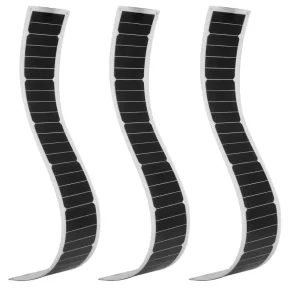 Mono Small Thin Film Flexible Strips Rollable Solar Panels for Advertising Lighting Used Customized Shape
Technical Specifications
Mono Small Thin Film Flexible Strips Rollable Solar Panels for Advertising Lighting Used Customized Shape
Technical Specifications
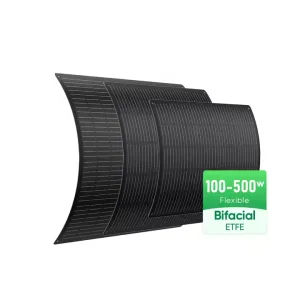
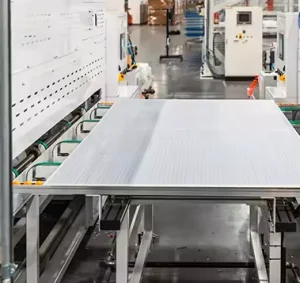 High efficiency 500w solar panel 570Wp 575Wp 580Wp 585Wp 590Wp solar panel cost 275w flexible solar panel
Technical Specifications
High efficiency 500w solar panel 570Wp 575Wp 580Wp 585Wp 590Wp solar panel cost 275w flexible solar panel
Technical Specifications
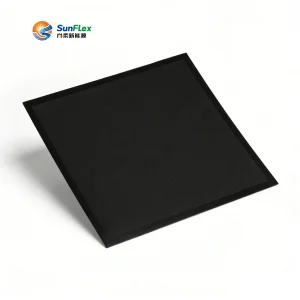 SunFlex Flexible Solar Panels Perovskite 0.6mm Ultra Thin Indoor Solar Low Light 35% Efficiency IoT Sensors Smart Device Paneles
Technical Specifications
SunFlex Flexible Solar Panels Perovskite 0.6mm Ultra Thin Indoor Solar Low Light 35% Efficiency IoT Sensors Smart Device Paneles
Technical Specifications
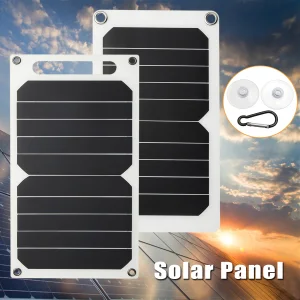 Flexible Solar Panel Small Solar Panel 50 Watts Portable and Suitable for Camping in RVs
Technical Specifications
Flexible Solar Panel Small Solar Panel 50 Watts Portable and Suitable for Camping in RVs
Technical Specifications
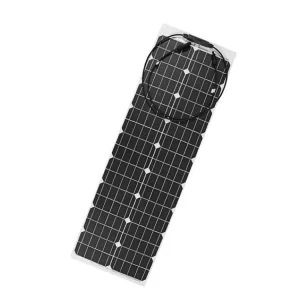 Flexible Solar Panel Panels Flexible 60w Solar Panel HOT SALE 60W Thin Film Etfe Flexible Solar Panel Flexible Rollable
Technical Specifications
Flexible Solar Panel Panels Flexible 60w Solar Panel HOT SALE 60W Thin Film Etfe Flexible Solar Panel Flexible Rollable
Technical Specifications
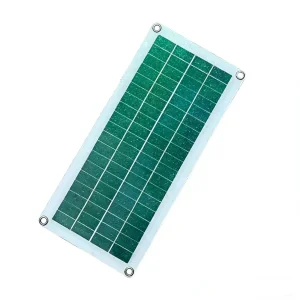 New Arrival Colorful Flexible 10W Monocrystalline Solar PV Panel Solar Energy Solar Panel
Technical Specifications
New Arrival Colorful Flexible 10W Monocrystalline Solar PV Panel Solar Energy Solar Panel
Technical Specifications
Addressing structural load limits, aerodynamic integrations, and off-grid demands through state-of-the-art material science.
Historically, commercial and industrial solar installations have been constrained by the physical properties of rigid crystalline silicon panels. Weighing upwards of 20 kg per square meter including racking equipment, standard panels pose major installation risks on lightweight commercial roofs (such as corrugated steel, membrane, or older composite structures). In these scenarios, structural reinforcement costs often render projects economically unviable.
This is where flexible solar panels represent a disruptive technological shift. By replacing tempered glass and heavy aluminum frames with advanced fluoropolymer materials like ETFE (Ethylene Tetrafluoroethylene) and fiberglass backing, manufacturers have decreased panel weight to under 3 kg per square meter. This dramatic reduction unlocks gigawatts of potential solar capacity on low-load commercial structures, transportation vehicles, and mobile off-grid infrastructure.
“Flexible PV systems are no longer a niche recreational luxury. They are an engineering necessity for modern Building-Integrated Photovoltaics (BIPV), lightweight industrial roofs, and highly mobile defense or IoT systems.”
Install modules directly onto vertical facades, curved membranes, and low-load industrial roofs without piercing critical waterproofing seals.
Designed for campervans, commercial logistics fleets, transit buses, and marine yachts, minimizing wind drag while maximizing battery charge efficiency.
Perovskite and thin-film micro-cells optimize energy harvest in indoor or low-irradiance settings, replacing single-use lithium batteries in smart sensors.
An expert-level evaluation of competing flexible photovoltaic tech pathways to help procurement managers balance cost, weight, and efficiency.
Choosing the correct cell technology and encapsulation method is crucial for ensuring a system's target lifespan of 15 to 25 years. Below, we compare the primary technology pathways engineered within our state-of-the-art facilities.
| Parameter | Monocrystalline (Thin-Wafer) | Copper Indium Gallium Selenide (CIGS) | Tandem Perovskite (Emerging) |
|---|---|---|---|
| Cell Efficiency Range | 20.0% – 23.5% | 15.0% – 17.5% | 22.0% – 35.0% (Low-Light optimized) |
| Minimum Bending Radius | Approx. 30 cm | Down to 10 cm (Highly Rollable) | Highly flexible depending on substrate |
| Degradation Profile | < 0.5% per year (Standard MBB) | < 0.7% per year | Subject to ongoing thermal testing |
| Encapsulation Chemistry | High-durability ETFE / Fiberglass | Polyimide substrate / Vapor barrier | PET / Ultra-thin composite layers |
| Weight Profile | ~2.2 - 3.5 kg/m² | ~1.8 - 2.5 kg/m² | < 1.0 kg/m² |
| Cost-per-Watt Index | Optimal commercial ROI | Premium (High architectural cost) | Developing (Low bulk raw material cost) |
For outdoor installations, encapsulation is the primary factor in long-term reliability. Many budget flexible panels use PET (Polyethylene Terephthalate) or epoxy resins, which degrade rapidly under intense ultraviolet (UV) radiation, leading to yellowing, delamination, and severe power loss within 2–3 years.
At Ningbo Halkirk Solar Co., Ltd., our heavy-duty flexible panels feature advanced ETFE film technology. ETFE is a highly durable, self-cleaning fluoropolymer that offers over 95% light transmittance. Because it is chemically inert, it withstands extreme thermal shifts, high UV exposure, and harsh saltwater environments, maintaining its structural integrity and optical clarity for decades.
A trusted name in clean energy—integrating research and development, smart manufacturing, and global logistics.
Ningbo Halkirk Solar Co., Ltd. is a professional China solar panel manufacturer and monocrystalline & bifacial solar module supplier, dedicated to delivering high-efficiency renewable energy solutions to customers worldwide. Located in Ningbo, China, the company integrates research and development, manufacturing, quality control, and global sales to provide reliable solar products for residential, commercial, industrial, and utility-scale applications.
Halkirk Solar specializes in the production of monocrystalline solar panels, bifacial solar modules, TOPCon solar panels, N-type solar modules, off-grid solar solutions, on-grid solar systems, and customized photovoltaic products. Leveraging advanced cell technology and intelligent manufacturing processes, our products are designed to maximize energy output, improve conversion efficiency, and ensure long-term performance in diverse environmental conditions.
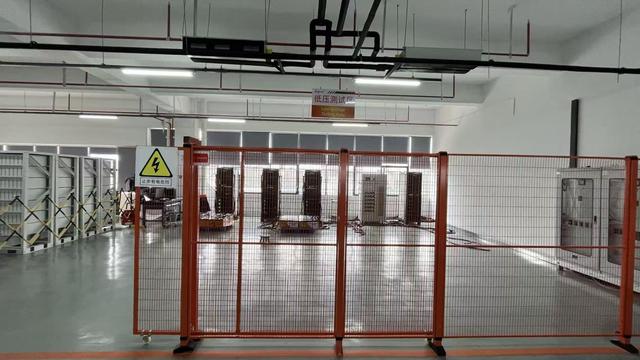
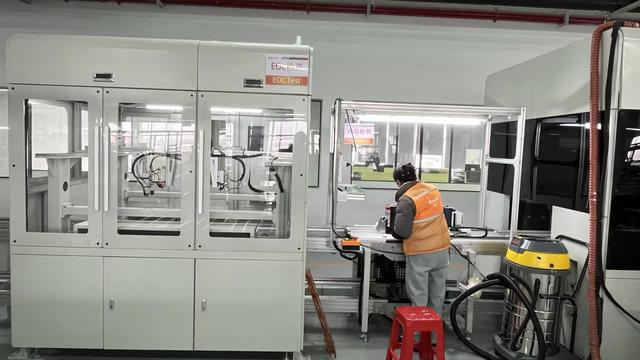
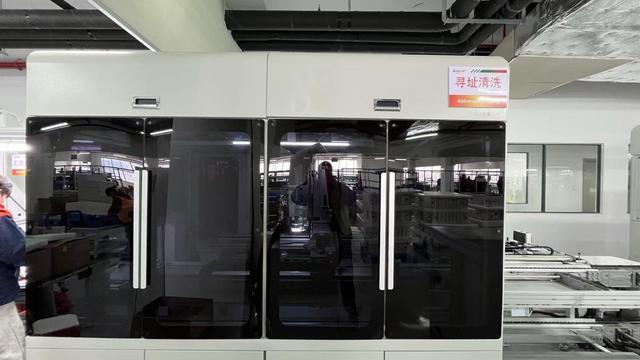
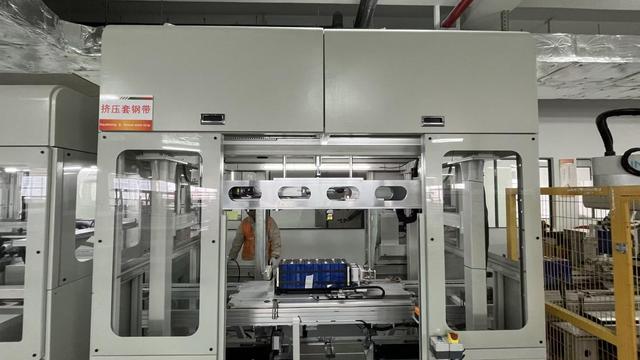
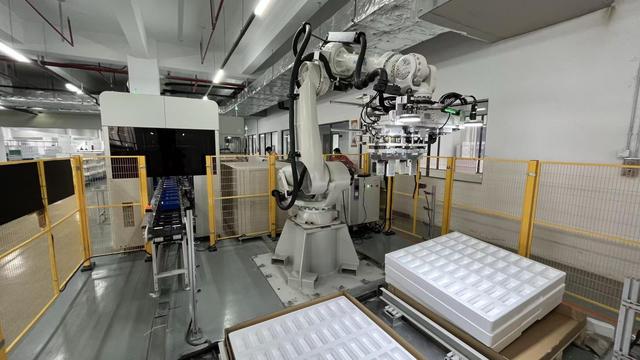
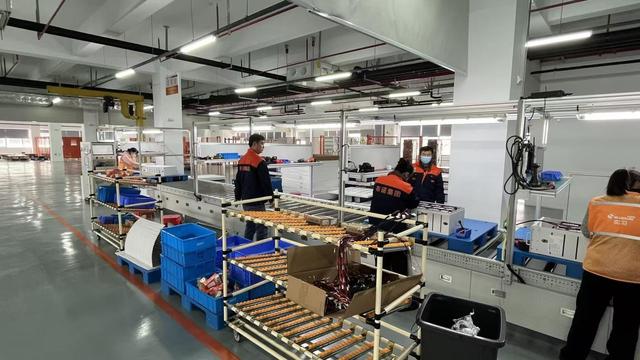
Our modern manufacturing facility is equipped with automated production lines, precision testing equipment, and strict quality management systems. Every solar module undergoes comprehensive inspections and performance testing to guarantee superior reliability, durability, and compliance with international standards. We are committed to providing products that meet the evolving demands of the global renewable energy market.
To better serve international customers, Halkirk Solar offers flexible OEM and ODM services for solar brands, distributors, EPC contractors, wholesalers, and project developers. Our experienced engineering and technical teams work closely with clients to deliver customized solar solutions tailored to specific project requirements, market demands, and branding needs.
Driven by innovation, sustainability, and customer satisfaction, Ningbo Halkirk Solar Co., Ltd. continues to expand its presence in global markets. We strive to become a trusted partner in the photovoltaic industry by providing high-quality solar modules and comprehensive clean energy solutions that contribute to a greener and more sustainable future.
Ensuring cross-border compliance, localized inventory, and certified reliability for utility and commercial projects.
For engineering firms and project developers, structural safety and performance certification are mandatory. Halkirk Solar panels are built to meet rigorous global standards, ensuring easy permitting and bankability. Our flexible PV modules comply with IEC 61215 and IEC 61730 certifications, verifying performance under mechanical load, thermal cycle, damp heat, and UV aging tests. Our marine-grade flexible panels also hold IEC 61701 certification, confirming resistance to salt mist corrosion—a key requirement for marine vessels and coastal infrastructure.
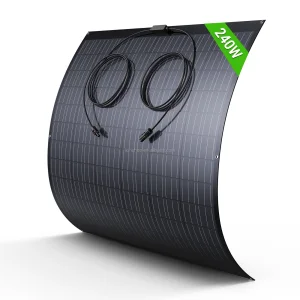
To support fast project delivery, we maintain regional inventory in Europe. For instance, our **EU Stock 240W flexible solar panel** is stored in Essen, Germany, enabling rapid self-pickup and local shipping throughout Europe. This warehouse option helps B2B buyers simplify logistics, lower freight costs, and bypass complex customs processes.
We work closely with partners to provide custom dimensions, power ratings, backing colors, and junction box configurations. Whether integrating modules into portable power cases, customizing shapes for architectural facade layouts, or designing multi-contact back sheets for RV systems, our team handles the development from design validation to bulk production.
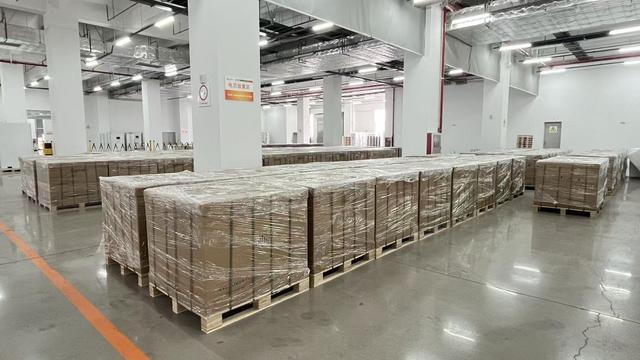
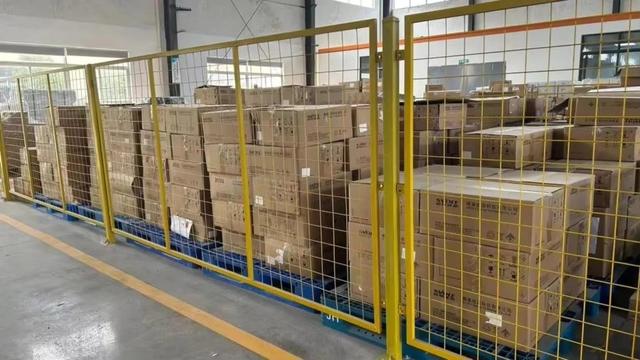
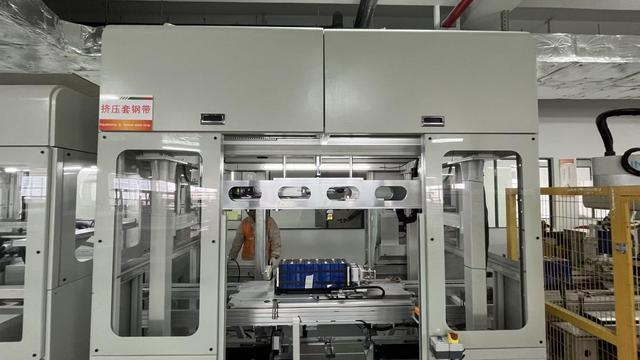
Take a virtual look at our advanced manufacturing lines in Ningbo, showing our focus on precision manufacturing and rigorous testing.
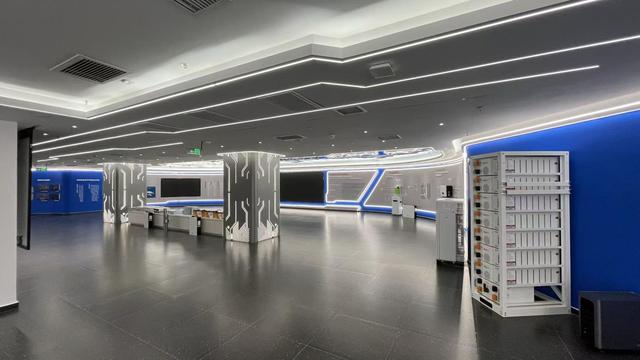
Providing direct, engineering-focused answers to common design, durability, and integration questions.
A: Micro-cracking is a common challenge for low-grade flexible monocrystalline modules when bent past their limits. Halkirk Solar addresses this by using multi-busbar (MBB) configurations and structured composite backing layers. Our designs distribute mechanical stress evenly across the panel, reducing the impact of micro-cracks on total power output. We also recommend following specified minimum bending radii and avoiding sharp creases during installation.
A: Most industrial and mobile installations utilize a peel-and-stick backing made from heavy-duty acrylic or butyl structural adhesive tape. For canvas or zip-on applications (like yacht biminis), stainless steel grommets can be integrated during fabrication. For structural roofing membranes, we recommend matching the adhesive chemistry to the specific roof material (TPO, EPDM, or metal sheeting) to ensure a durable, long-term bond.
A: Standard crystalline flexible modules have a temperature coefficient of power of approximately -0.35% to -0.39% per °C, similar to rigid modules. However, because flexible panels are mounted flush against surfaces (with no air gap underneath), they can reach higher operating temperatures in direct sunlight. To help manage this thermal load, our commercial designs feature high-temperature resistant ETFE front sheets and optimized thermal-barrier backings.
A: Because they lay flat against the surface, flexible panels are less affected by wind uplift forces. By eliminating air gaps beneath the panel, we reduce the lifting forces that typical racking systems face. Mechanically, when bonded properly to a solid substrate, our panels withstand wind pressures exceeding 2400 Pa and snow loads up to 5400 Pa.
A: CIGS (thin-film) modules generally feature a wider spectral response, allowing them to capture diffuse sunlight and low-angle irradiance more effectively than monocrystalline panels. This makes CIGS a strong choice for regions with frequent overcast weather. Monocrystalline panels, however, deliver a higher peak efficiency per square meter under direct sunlight, making them an excellent choice for space-constrained installations.
Browse our selection of high-capacity and specialty modules, including marine-grade layouts, home PV kits, and portable setups.
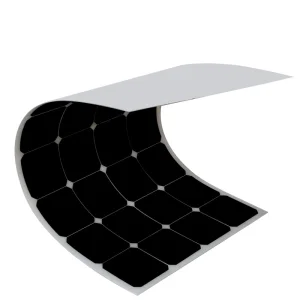 High Efficiency Flexible Panel Light Weight Semi Flexible Sticker Flexible Solar Panels for Boat Roof Fence
Technical Specifications
High Efficiency Flexible Panel Light Weight Semi Flexible Sticker Flexible Solar Panels for Boat Roof Fence
Technical Specifications
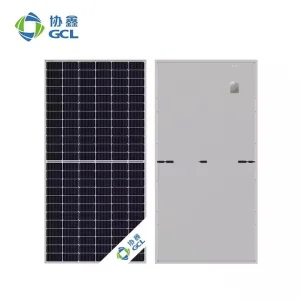 GCL 525W 530W 540W 535W 545W 550W 555W 560W Solar Panel Flexible Photovoltaic Panel Solar Panel System for Home Use
Technical Specifications
GCL 525W 530W 540W 535W 545W 550W 555W 560W Solar Panel Flexible Photovoltaic Panel Solar Panel System for Home Use
Technical Specifications
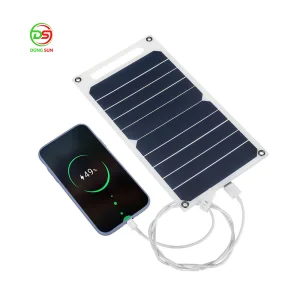 Solar Panel 30W With USB Waterproof Outdoor Hiking and Camping Portable Battery Mobile Phone Charging Bank Charging Panel 6.8V
Technical Specifications
Solar Panel 30W With USB Waterproof Outdoor Hiking and Camping Portable Battery Mobile Phone Charging Bank Charging Panel 6.8V
Technical Specifications
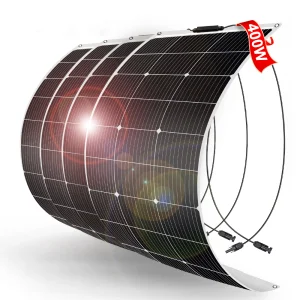 4PCS 12V 100W Flexible Mono Solar Panel for Car Battery Boat Home 200w 400w 1000w Solar System Dokio
Technical Specifications
4PCS 12V 100W Flexible Mono Solar Panel for Car Battery Boat Home 200w 400w 1000w Solar System Dokio
Technical Specifications
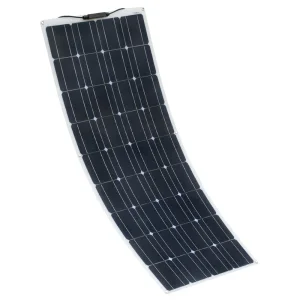 Light Weight Flexible 90w 100w 110w 150w 350w 600w Solar Panel Foldable Solar Manufacturing Solar Panel
Technical Specifications
Light Weight Flexible 90w 100w 110w 150w 350w 600w Solar Panel Foldable Solar Manufacturing Solar Panel
Technical Specifications
 Halkirk Solar