High-capacity monocrystalline, Topcon, and bifacial solar designs meticulously optimized for large-scale utility and industrial grid integration.
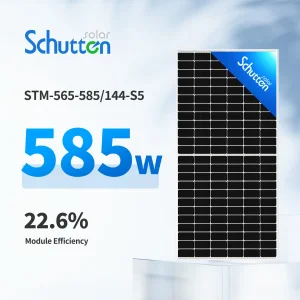
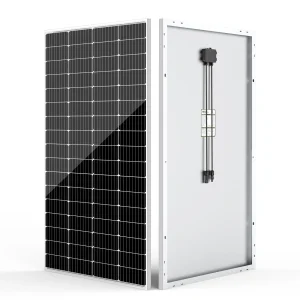
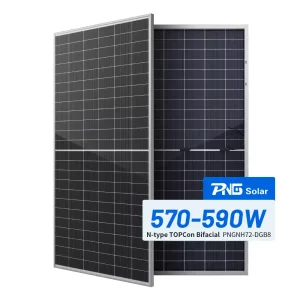
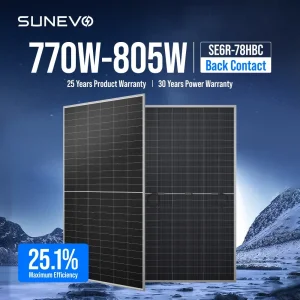
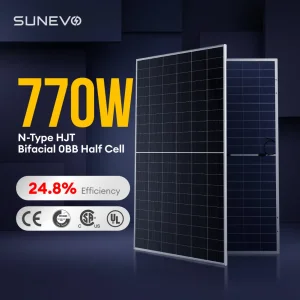
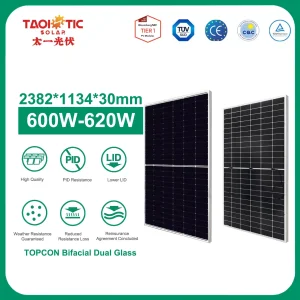
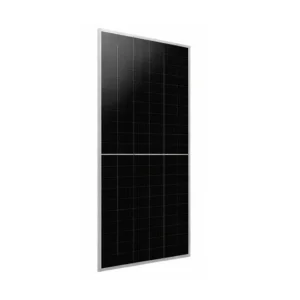
Ningbo Halkirk Solar Co., Ltd. is a professional China solar panel manufacturer and monocrystalline & bifacial solar module supplier, dedicated to delivering high-efficiency renewable energy solutions to customers worldwide. Located in the strategic deep-water shipping hub of Ningbo, China, the company integrates research and development, manufacturing, quality control, and global sales to provide reliable solar products for residential, commercial, industrial, and utility-scale applications.
Halkirk Solar specializes in the production of monocrystalline solar panels, bifacial solar modules, TOPCon solar panels, N-type solar modules, off-grid solar solutions, on-grid solar systems, and customized photovoltaic products. Leveraging advanced cell technology and intelligent manufacturing processes, our products are designed to maximize energy output, improve conversion efficiency, and ensure long-term performance in diverse environmental conditions.
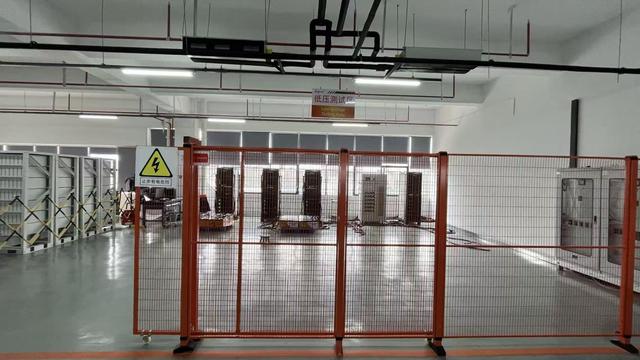
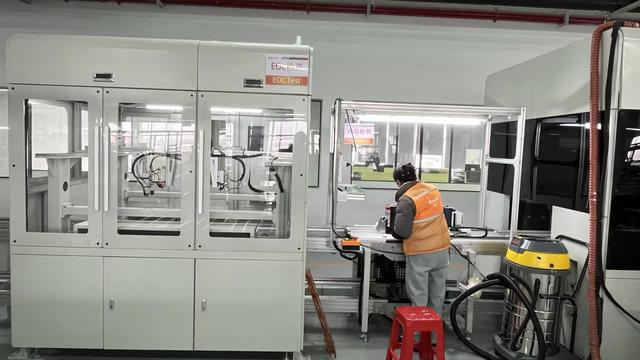
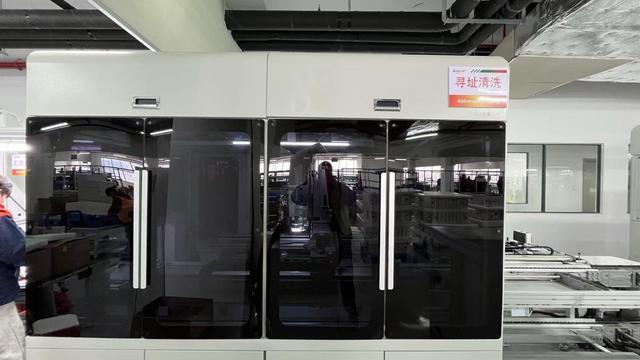
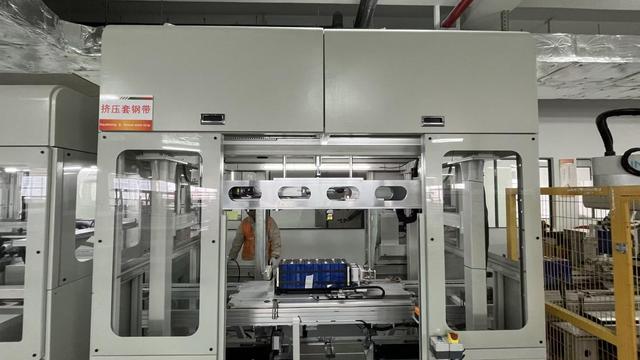
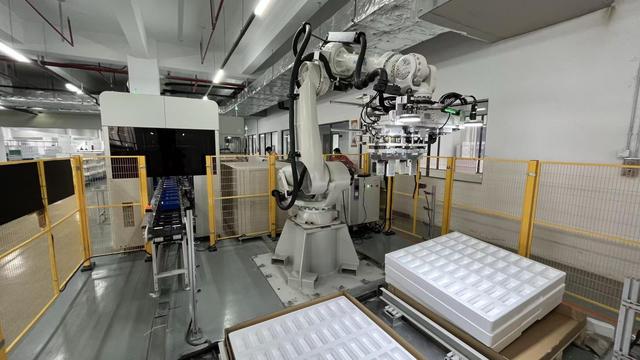
Our modern manufacturing facility is equipped with automated production lines, precision testing equipment, and strict quality management systems. Every solar module undergoes comprehensive inspections and performance testing to guarantee superior reliability, durability, and compliance with international standards. We are committed to providing products that meet the evolving demands of the global renewable energy market.
The transition toward distributed green power architecture is reshaping commercial, industrial, and utility industries worldwide. Rising retail electricity tariffs, aggressive corporate Net-Zero and Environmental, Social, and Governance (ESG) targets, and favorable legislative initiatives—such as the Inflation Reduction Act (IRA) in the United States, RePowerEU in Europe, and corporate power purchase agreements (PPAs)—have turned rooftop and ground-mounted solar into critical financial assets. Commercial PV power generation acts as an inflation hedge and an direct mechanism to slash operating expenses (OPEX).
As grid connection limits tighten, the technology is moving toward maximizing power density. Standard 400W commercial modules are giving way to high-power formats spanning 580W up to 805W. This growth is driven by structural balances: larger modules require fewer mounting rails, fewer cables, and fewer clamp points, saving up to 15% on balance of system (BOS) costs while shortening installation times.
| Parameter | Standard P-Type PERC | Next-Gen N-Type TOPCon | Heterojunction (HJT) |
|---|---|---|---|
| Typical Cell Efficiency | 22.5% – 23.2% | 24.5% – 25.8% | 25.5% – 26.5% |
| Temperature Coefficient | -0.35% / °C | -0.30% / °C | -0.26% / °C |
| Bifaciality Factor | 70% ± 5% | 80% ± 5% | 85% ± 5% |
| First-Year Degradation | 2.0% | 1.0% | 1.0% |
The photovoltaic industry has completed its historical transition from P-type architectures to N-type substrates. In the modern commercial market, TOPCon (Tunnel Oxide Passivated Contact) and BC (Back Contact) cells dominate, allowing developers to extract more energy per square meter. Here is how modern technology shifts optimize performance:
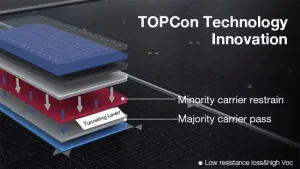
N-type TOPCon modules utilize an ultra-thin silicon oxide tunnel layer combined with highly doped polycrystalline silicon. This significantly reduces carrier recombination at the contacts, boosting cell efficiency limits. Crucially for C&I applications, TOPCon yields a much lower temperature coefficient (-0.30%/°C). In desert, equatorial, or unventilated metal roof environments where temperatures exceed 65°C, TOPCon modules produce up to 5% more annual energy compared to traditional PERC modules.
By replacing the opaque backsheet with high-strength tempered glass, bifacial modules capture reflected light from the ground, roof surface, or surrounding environment (albedo). Depending on the albedo coefficient of the mounting surface—ranging from gravel (15% reflection) to white TPO roofing (80% reflection)—a bifacial module can boost overall power output by 10% to 30%. Modern systems utilize intelligent trackers and high-clearance racks to optimize this back-side generation.
Commercial installations must secure predictable cash flows over a 25- to 30-year operational lifespan. High voltage potentials between the frame and cells in multi-megawatt string configurations often trigger Potential Induced Degradation (PID). Utilizing high-quality encapsulation materials (such as POE - Polyolefin Elastomer) and advanced passivation techniques prevents both PID and Light and Elevated Temperature Induced Degradation (LeTID), ensuring our 30-year linear warranty remains a low-risk financial guarantee.
Engineered to deliver high efficiency, extreme durability, and excellent structural resilience in demanding environments.
Passed rigorous Salt Mist (IEC 61701) and Ammonia Resistance (IEC 62716) testing. Perfect for marine, coastal, agricultural, and heavy chemical industrial zones.
Designed with heavy-duty anodized aluminum frames to survive mechanical stress tests of 5400 Pa front load (snow) and 2400 Pa back load (wind shear).
Providing customized size factors, customizable junction boxes, specific connector types, and private labeling to align with global utility-scale specifications.
Commercial PV systems operate in diverse, harsh environments. Successful deployments require matching module specifications to localized conditions:
Lightweight, high-efficiency modules are essential for industrial warehouses where roofs have strict load limits. Installing 580W to 650W monocrystalline modules maximizes capacity per square meter without exceeding building design loads. White TPO/PVC membranes also serve as excellent albedo surfaces, magnifying the back-side energy yields of bifacial modules.
Salty air along coastal regions and chemical emissions in industrial zones can quickly degrade solar modules. Our specialized anti-corrosion designs feature dual-glass layers and anti-corrosive frames, resisting chemical wear and moisture ingress to maintain insulation resistance over decades.
Solar carports turn open parking lots into clean energy plants while shading vehicles. These installations typically use high-power bifacial modules (700W to 805W) mounted on elevated steel structures. Capturing reflected light from asphalt and cars below boosts energy generation, maximizing ROI in urban spaces.
Farming operations use solar arrays to power irrigation systems, cold storage, and greenhouses. Semi-transparent bifacial modules allow selective light transmission for crops below while generating green power. Their ammonia-resistant coatings protect the systems from livestock emissions and chemical fertilizers.
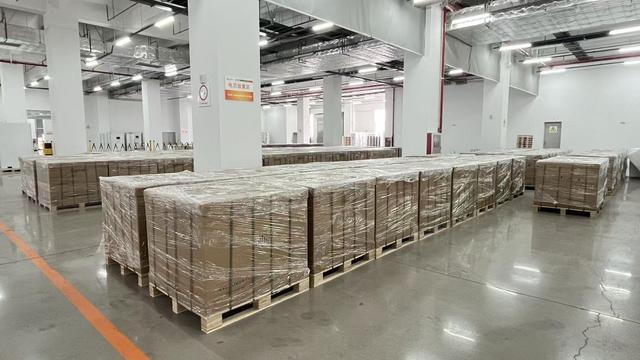
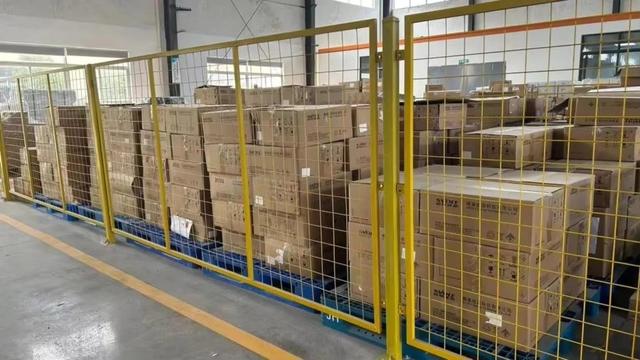
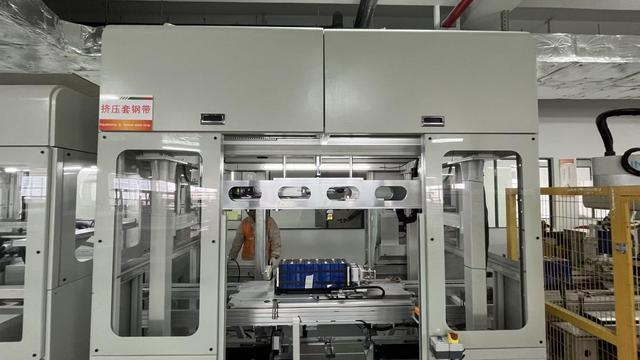
Ningbo Halkirk Solar Co., Ltd. maintains a state-of-the-art manufacturing plant, deploying advanced EL testing, automated lamination, and strict quality control at every stage.
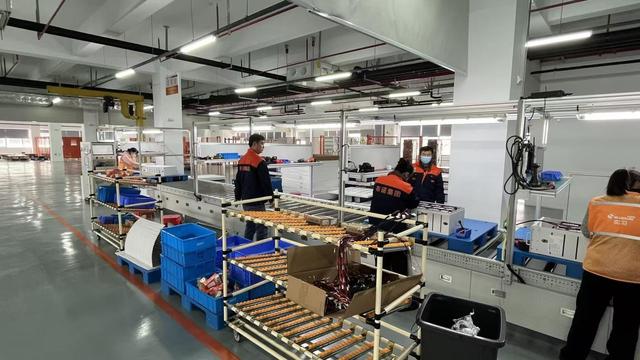
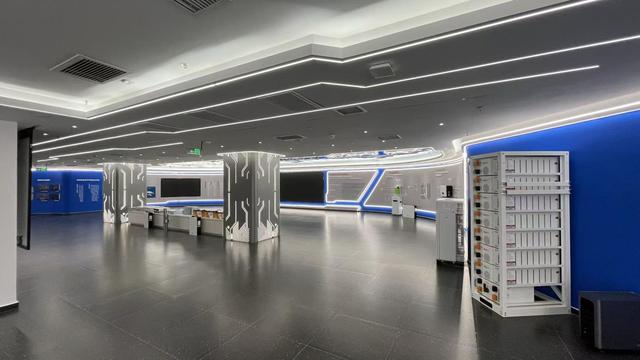
Halkirk Solar offers flexible OEM and ODM services for solar brands, distributors, EPC contractors, wholesalers, and project developers. Our experienced engineering and technical teams work closely with clients to deliver customized solar solutions tailored to specific project requirements, market demands, and branding needs.
Technical clarifications and procurement answers from our engineering team.
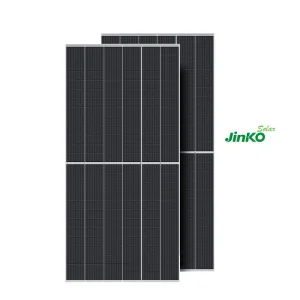
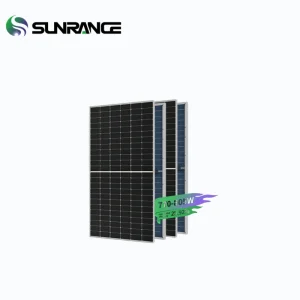
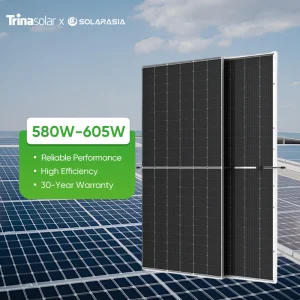
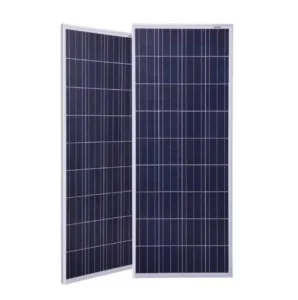
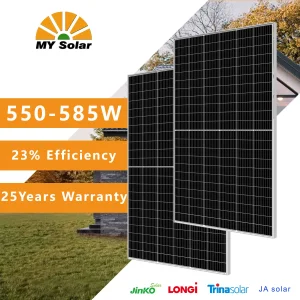
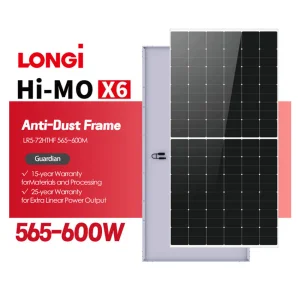
Select from our comprehensive range of high-efficiency, multi-busbar solar modules for industrial installations.
 Halkirk Solar