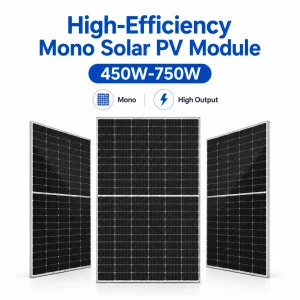
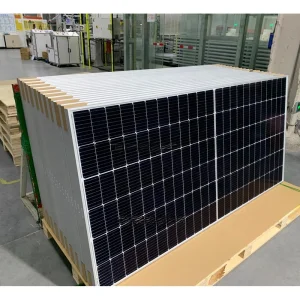
Explore our elite selection of high-power monocrystalline bifacial panels, TOPCon N-type cells, and utility-ready integrated energy storage system kits.
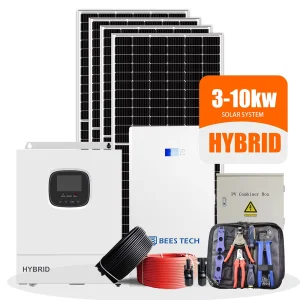
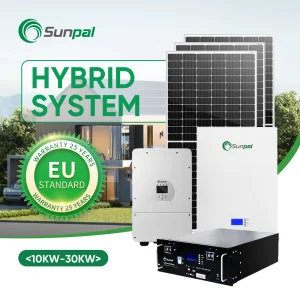
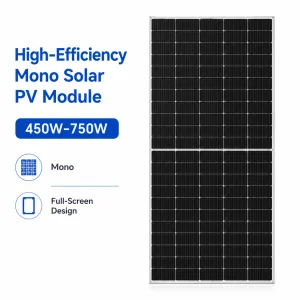
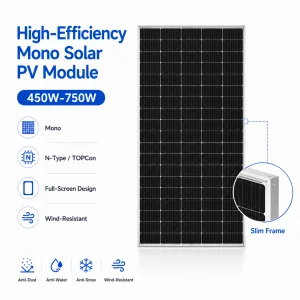
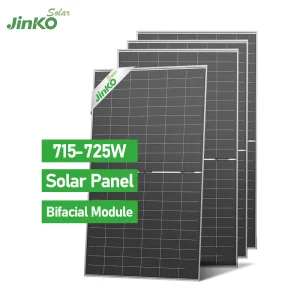
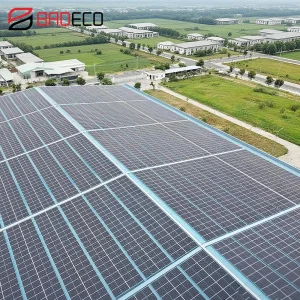
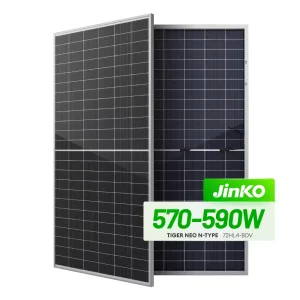
An authoritative look at how double-sided energy capture and advanced cell metallurgy are reshaping utility-scale and commercial investment strategies worldwide.
Within the modern renewable energy landscape, the adoption of bifacial solar modules is no longer just a trend—it is a baseline standard for reducing the Levelized Cost of Energy (LCOE). Unlike traditional monofacial panels, which only harvest light on their front-facing surface, bifacial solar panels capture direct sunlight from the front and reflected ambient light (albedo) from the rear. This dual-face configuration can trigger energy yield increases between 5% and 30%, depending on environment variables like soil reflectivity, height above ground, and tracking mechanisms.
The industry's structural pivot toward N-type cell architectures (specifically TOPCon and HJT) has acted as a massive catalyst. N-type silicon substrates offer inherently higher bifaciality factors—reaching up to 80-85% compared to the traditional P-type PERC panels which typically peak around 65-70%. Additionally, N-type technologies drastically minimize Light-Induced Degradation (LID) and Light and Elevated Temperature Induced Degradation (LeTID), ensuring structural durability and performance over a extended 30-year operational lifecycle.
Technical Insight: The albedo factor dictates the ultimate ROI of a bifacial installation. Deploying bifacial modules over highly reflective surfaces like white TPO membranes, desert sand, or snow boosts rear-side yields. This converts local ground conditions directly into free, high-density power generation.
Decentralized logistics, bankability metrics, and custom engineering are vital to de-risking multi-megawatt PV installations.
For corporate procurers, EPC contractors, and global solar developers, selecting a bifacial solar panel manufacturer is a comprehensive assessment of engineering quality, financial viability, and supply chain security. The long-term reliability of a PV module directly impacts a project’s financial modeling, debt terms, and equity returns. High-volume buyers look closely at Tier-1 classifications, quality controls, and material transparency.
Additionally, modern supply chain strategies demand flexible manufacturing options like OEM and ODM. Solar brand owners and project developers often require specialized cell layouts, custom frame sizes, specific junction box lengths, or bespoke mounting configurations to optimize system integration. Relying on a manufacturer who can dynamically adapt production lines without compromising on quality standards is critical for keeping large projects on track and avoiding expensive field delays.
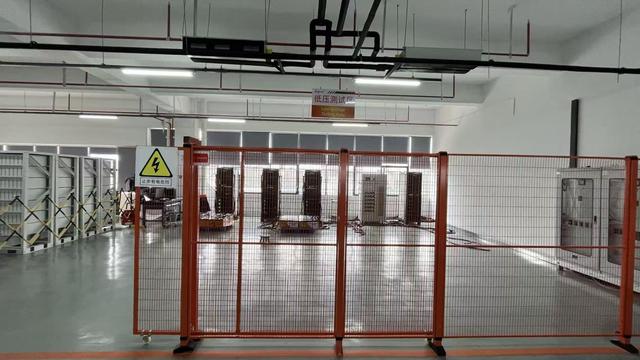
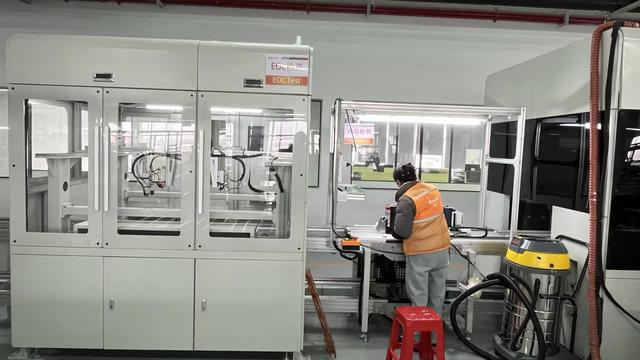
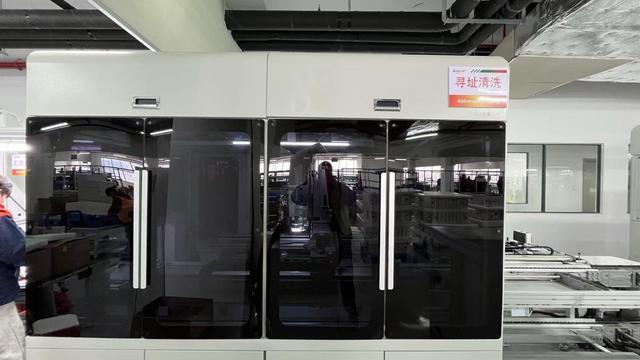
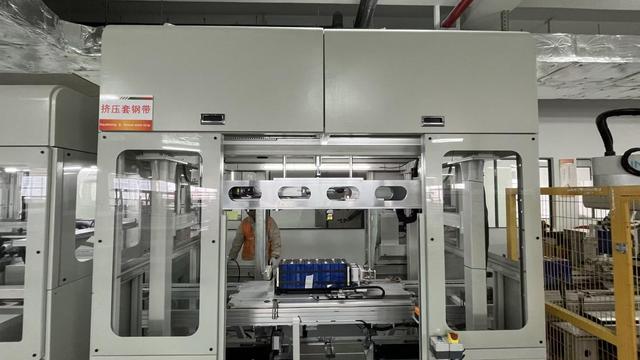
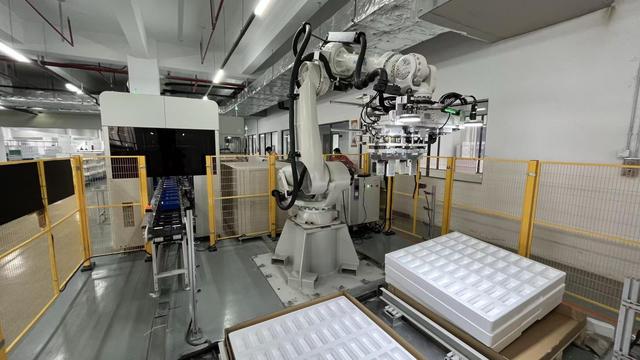
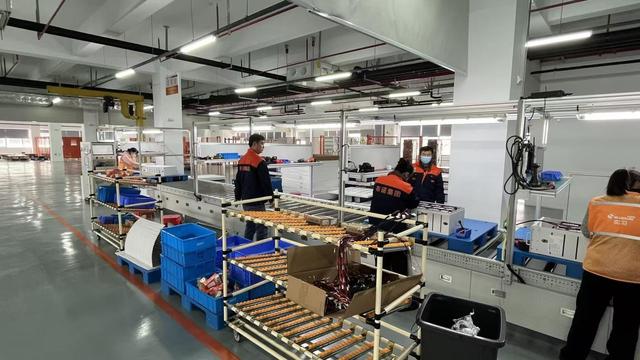
Ningbo's manufacturing ecosystem is a prime example of China's Factory 4.0 automation. By leveraging advanced automation, artificial intelligence inspections, and end-to-end MES traceability, factories can guarantee consistent output quality. This modern manufacturing approach integrates stringer machines, automated glass placement, high-pressure lamination, and robotic framing to eliminate manual assembly errors. Every module undergoes double Electroluminescence (EL) testing to detect micro-cracks before and after lamination, ensuring only flawless products leave the facility.
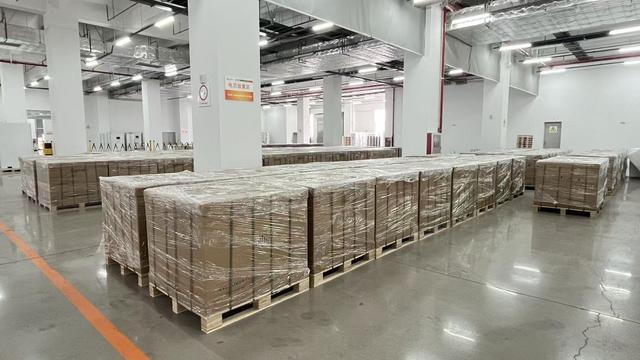
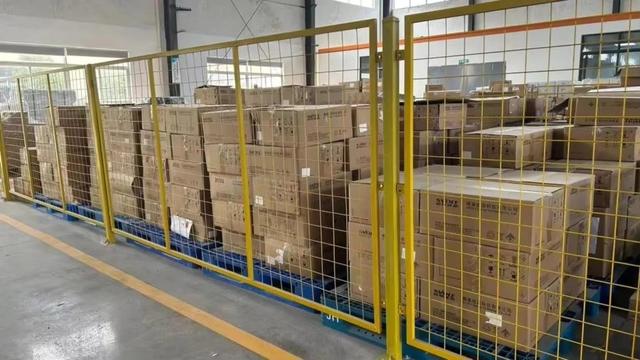
Furthermore, Ningbo's geographic advantage as a major shipping hub provides excellent logistical benefits. Directly connected to the Port of Ningbo-Zhoushan, one of the busiest container ports in the world, local manufacturers can optimize ocean freight lead times, secure container availability, and lower international transport costs. This strong logistical foundation gives global buyers the security they need for timely cargo arrivals.
Our systems are designed to operate reliably in harsh environments, ensuring long-term returns for utilities and commercial enterprises.
By capturing reflected energy from the rear face, our bifacial modules significantly lower your overall levelized cost of energy while accelerating project payback times.
Using fully automated cell stringing, laminating, and robotic EL inspection, we ensure every panel meets strict international quality standards.
We provide tailored configurations for global brands and EPC engineers, including custom cell numbers, frame colors, junction boxes, and packaging layouts.
A professional solar panel manufacturer and monocrystalline & bifacial module supplier.
Ningbo Halkirk Solar Co., Ltd. is a professional China solar panel manufacturer and monocrystalline & bifacial solar module supplier, dedicated to delivering high-efficiency renewable energy solutions to customers worldwide. Located in Ningbo, China, the company integrates research and development, manufacturing, quality control, and global sales to provide reliable solar products for residential, commercial, industrial, and utility-scale applications.
Halkirk Solar specializes in the production of monocrystalline solar panels, bifacial solar modules, TOPCon solar panels, N-type solar modules, off-grid solar solutions, on-grid solar systems, and customized photovoltaic products. Leveraging advanced cell technology and intelligent manufacturing processes, our products are designed to maximize energy output, improve conversion efficiency, and ensure long-term performance in diverse environmental conditions.
Our modern manufacturing facility is equipped with automated production lines, precision testing equipment, and strict quality management systems. Every solar module undergoes comprehensive inspections and performance testing to guarantee superior reliability, durability, and compliance with international standards. We are committed to providing products that meet the evolving demands of the global renewable energy market.
To better serve international customers, Halkirk Solar offers flexible OEM and ODM services for solar brands, distributors, EPC contractors, wholesalers, and project developers. Our experienced engineering and technical teams work closely with clients to deliver customized solar solutions tailored to specific project requirements, market demands, and branding needs.
Driven by innovation, sustainability, and customer satisfaction, Ningbo Halkirk Solar Co., Ltd. continues to expand its presence in global markets. We strive to become a trusted partner in the photovoltaic industry by providing high-quality solar modules and comprehensive clean energy solutions that contribute to a greener and more sustainable future.
How local ground albedo and mounting configurations dictate bifacial yield enhancements in commercial and utility installations.
Albedo: 75% - 90%
Fresh snow reflects the highest amount of light. Elevating modules and angling them between 35° and 45° allows rear-side absorption to generate power even when the front is partially covered, shedding snow faster through thermal self-heating.
Albedo: 30% - 40%
Arid environments are ideal for utility-scale bifacial systems paired with trackers. Using dual-glass construction prevents damage from sand abrasion, while tracker systems optimize both front and rear light capture throughout the day.
Albedo: 50% - 60% (White TPO)
Installing bifacial panels on white reflective commercial roofs (like white TPO or light gravel) significantly increases yields. This configuration generates clean energy for warehouses and distribution centers with minimal structural changes.
Critical engineering and commercial answers to help procurement directors and EPC managers make informed decisions.
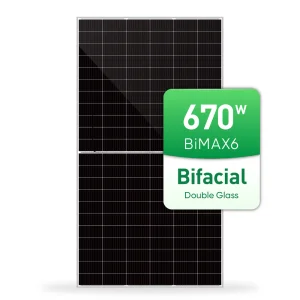
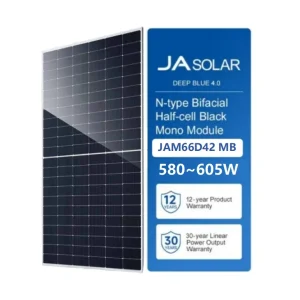
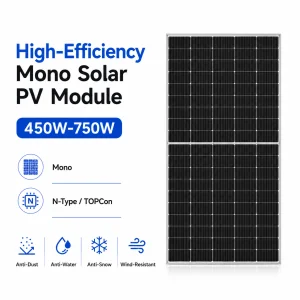
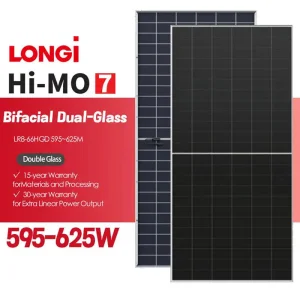
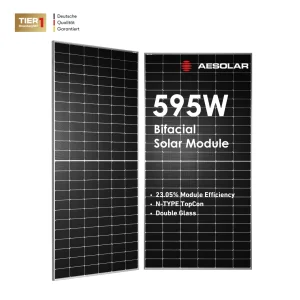
High-efficiency double-glass modules designed for optimal durability, performance, and long-term bankability.
Inside our automated Factory 4.0 lines, where precision engineering and rigorous quality checks come together.

 Halkirk Solar