Are Solar Panels Worth It for Your Home Savings?

Time:2026-06-27 Author:Charlotte
0%

As home energy costs continue to rise, many homeowners wonder, "are solar panels worth it?" Experts like Dr. Adam Wilson, a leading authority in renewable energy, suggest that the decision hinges on various factors. He states, “Investing in solar is not just about savings; it's about sustainability.”

When considering solar panels, initial costs can be daunting. Many homeowners face the challenge of whether the long-term savings will outweigh these upfront expenses. The average installation may range from $15,000 to $30,000, depending on the home’s size and location. However, incentives and tax credits can significantly reduce these figures.

Additionally, homeowners must reflect on their energy consumption habits. Those who use substantial energy may find solar panels beneficial. Yet, others with lower consumption may hesitate. Analyzing local energy rates and potential savings is key in determining if "are solar panels worth it" for an individual. The journey toward solar energy invites optimism but requires careful consideration.
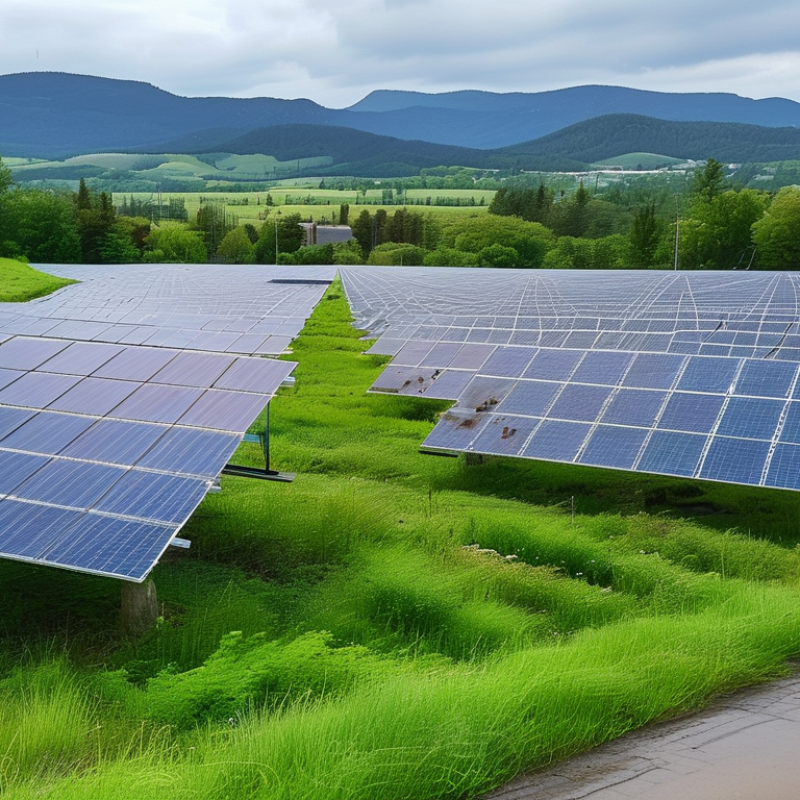
Are Solar Panels Worth It for Your Home Savings?

Understanding the Basics of Solar Panels and Their Functionality

Solar panels harness sunlight to generate electricity for homes. They consist of numerous photovoltaic cells that convert sunlight into energy. This process involves the absorption of photons, which excites electrons and produces a flow of electricity. The energy generated can power household appliances, reducing electricity bills significantly.

Understanding the efficiency of solar panels is crucial. Various factors like location and panel orientation affect energy production. In sunny regions, panels work better, generating more electricity throughout the year. However, in cloudy areas, their efficiency can drop. Homeowners need to consider their geographic context when evaluating solar panel viability.

Installation is another key factor. It requires an upfront investment, and maintenance is essential. Regular cleaning can enhance performance, while wear and tear over time may reduce efficiency. Some users may find the initial costs daunting. Reflecting on these aspects can ensure better decision-making about implementing solar technology in homes.

Are Solar Panels Worth It for Your Home Savings?

This chart illustrates the potential savings from installing solar panels over a 10-year period based on average energy costs and solar panel efficiency.

Evaluating Initial Costs versus Long-Term Savings on Solar Energy

When considering solar panels for your home, it's crucial to weigh the initial costs against potential long-term savings. The upfront investment can be significant, typically ranging from several thousand to tens of thousands of dollars. This can be daunting for many homeowners. Yet, understanding the financial dynamics can help you make an informed decision.

Solar energy can potentially reduce monthly utility bills. In some areas, homeowners report savings of 30% to 50%. However, savings depend on local energy rates and sunlight exposure in your region. The return on investment often takes years to materialize. It's essential to evaluate your specific situation. Not every home saves equally.

Additionally, maintenance costs and system lifespan are factors to consider. Solar panels generally require minimal maintenance, but occasional cleaning and inspection are necessary. Over time, technology evolves, and efficiency improves. Keeping up with advancements can be challenging. Investing in solar requires ongoing education and awareness of your energy needs and possible changes in legislation that impact solar initiatives.

Government Incentives and Tax Credits for Solar Panel Installation

Installing solar panels can be a significant investment. However, government incentives and tax credits make this decision more financially appealing. Many homeowners can offset initial costs through various programs. These incentives can cover a substantial portion of installation expenses, allowing families to save more over time.

Tax credits often offer deductions based on your solar system’s installation costs. For instance, a federal tax credit can return a percentage of these expenses. State and local incentives can also provide rebates, which lower upfront costs. Research your local programs to maximize savings.

Tips: Consult with professionals to understand eligibility for these incentives. Keeping all documentation organized can streamline the tax credit process. Be aware that program availability may change, so stay updated.

Are Solar Panels Worth It for Your Home Savings? - Government Incentives and Tax Credits for Solar Panel Installation

Incentive Type Description Benefit Amount Eligibility Criteria
Federal Tax Credit A tax credit for residential solar energy systems 26% of installation cost Must be the primary residence, installed by a qualified lawyer
State Tax Credits Credits available in some states for solar installation Varies by state (e.g., up to $2,000) Dependent on state legislation
Net Metering System credits for surplus energy sent back to the grid Varies based on usage Must be connected to the grid
Local Rebates Incentives offered by local governments to promote solar adoption Up to $1,500 Varies by locality
Performance-Based Incentives Payments for the power produced by your solar system Varies; typically $0.15 - $0.30 per kWh Systems must meet specific performance criteria

Assessing Energy Needs: Calculating Potential Savings from Solar Panels

When evaluating whether solar panels are worth the investment for your home, assessing your energy needs is essential. Begin by calculating your monthly energy consumption. Look at past utility bills to determine your typical usage in kilowatt-hours (kWh). This will provide a baseline for understanding potential savings from solar panels.


To maximize savings, consider your local climate and available sunlight. Homes in sunnier areas can generate more power, which leads to greater savings. Remember, the angle and orientation of your roof also play a crucial role. If it’s shaded during peak daylight hours, the panels may not perform optimally.


Tips: Invest time in researching local rebates and incentives. Many regions offer financial assistance for solar panel installation. This can significantly lower your upfront costs. Furthermore, consult with a solar energy expert to get a tailored assessment. They can help identify the best systems for your specific needs, ensuring you make an informed decision. Ensure you account for the long-term benefits versus initial costs. It may take years to see a full return on investment. Consider how energy prices may rise in the future, affecting your overall savings.

Environmental Benefits of Solar Energy and Their Impact on Home Value

Solar energy provides notable environmental benefits that can impact your home's value. A study from the U.S. Department of Energy reveals that homes with solar panels can sell for 4.1% more than those without. This increase highlights the growing demand for sustainable living solutions.

Adopting solar energy reduces carbon emissions. Each residential solar installation can offset roughly 100 tons of CO2 over its lifespan. This contribution to a cleaner environment is increasingly appealing to homebuyers who prioritize eco-friendliness. Moreover, properties featuring solar panels are often associated with lower energy costs, making them affordable in the long run.

However, the initial investment for solar panels may be daunting for some homeowners. While the long-term savings can be substantial, financing options and local incentives vary widely. It's essential for potential buyers to weigh these factors carefully. Understanding regional differences in solar incentives is crucial for making an informed decision.

FAQS

: What should I consider when investing in solar panels?

: Weigh initial costs against long-term savings. The upfront investment can be quite significant.

How much can I save with solar energy?

Homeowners may save 30% to 50% on monthly bills. Savings vary by location and sunlight availability.

How long does it take to see a return on investment?

The return often takes years to materialize. Analyze your specific situation for better insights.

Are solar panels expensive to maintain?

Maintenance is generally minimal. Regular cleaning and inspections are necessary over time.

How can government incentives help with solar panel costs?

They can offset initial costs significantly, making solar energy more appealing for homeowners.

What factors affect the savings from solar panels?

Local climate and energy consumption are crucial. Shaded roofs can decrease panel efficiency.

How can I assess my energy needs?

Review past utility bills for average usage. This helps estimate potential savings from solar panels.

Should I stay updated on incentive programs?

Yes, availability may change. Research local programs to maximize your potential savings.

Why is ongoing education important in solar investment?

Technology and legislation evolve. Keeping informed helps you adapt to changes in solar energy.

How do I maximize savings when installing solar panels?

Consider local climate, roof orientation, and various incentives. Work with experts for tailored solutions.

Conclusion

The article "Are Solar Panels Worth It for Your Home Savings?" delves into the core aspects of solar energy, beginning with an explanation of how solar panels function and their role in energy production. It highlights the necessity of evaluating initial investment costs against the long-term savings that can be achieved through reduced electricity bills. Additionally, the article discusses government incentives and tax credits that can make solar installation more financially feasible for homeowners.

Moreover, the article emphasizes the importance of assessing personal energy needs to accurately calculate potential savings from solar panels. It also outlines the environmental benefits associated with solar energy usage, indicating how these factors can positively influence home value. Ultimately, by examining these elements, the article aims to provide readers with a comprehensive understanding of whether solar panels are worth it for their home savings.

Charlotte

Charlotte

Charlotte is a seasoned marketing professional with a deep understanding of the company's portfolio and a passion for elevating its presence in the market. With a keen eye for detail and a commitment to excellence, she ensures that our professional blog is regularly updated with insightful articles......