As renewable energy gains momentum, many homeowners are considering their options. "Solar panels vs traditional electricity which is better" is a crucial question. This debate encompasses various factors such as cost, efficiency, and environmental impact. Understanding these elements can help consumers make informed decisions.
Solar panels have become increasingly popular due to their sustainability. They harness sunlight, reducing reliance on fossil fuels. Conversely, traditional electricity relies on non-renewable sources that contribute to pollution. The effectiveness of solar energy varies by region and weather conditions. Some regions may receive less sunlight, affecting efficiency and output.
While solar panels are an investment, they can lead to long-term savings. Installation costs can be daunting, yet incentives can ease the financial burden. Homeowners often question if the shift to solar is worth it. Each option presents advantages and drawbacks that require careful consideration. A family’s energy needs vary and influence their decision. Ultimately, understanding the differences can illuminate the best choice for your home.
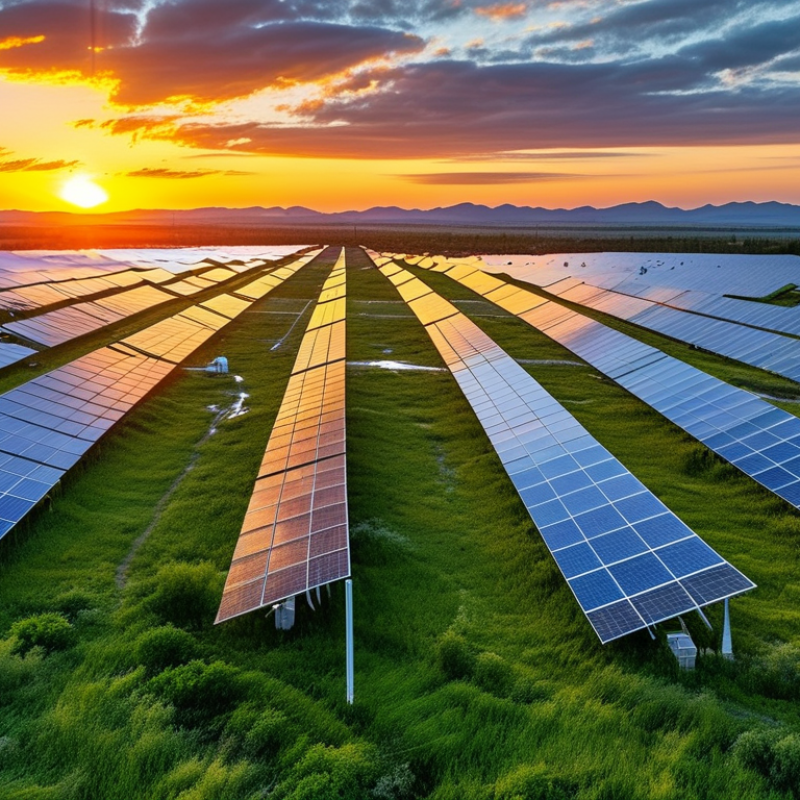
The rise of solar panels has reshaped the energy landscape, presenting an alternative to traditional electricity systems. Solar energy harnesses sunlight, converting it into electricity. According to the U.S. Energy Information Administration, solar power could account for nearly 20% of total electricity generation by 2030. This marks a significant shift towards renewable energy sources.
Traditional electricity, primarily generated from fossil fuels, presents reliability but raises concerns. Power plants emit greenhouse gases, contributing to climate change. The International Energy Agency notes that transitioning to renewables can reduce these emissions significantly. However, reliance on solar energy depends on sunlight availability. This variability can challenge consistent energy supply.
Tips: Consider local climate when evaluating solar panel investment. Some regions receive less sunlight, affecting efficiency. Also, assess initial costs. While solar panels can reduce long-term expenses, upfront investment may deter some consumers. Weighing these factors is crucial for a sustainable energy strategy. Always consult with energy experts when considering a switch from traditional electricity.
The cost comparison between solar panels and traditional electricity reveals significant insights. Many homeowners are exploring alternatives to reduce long-term expenses. According to the U.S. Energy Information Administration, the average residential electricity rate is around 13 cents per kWh. This cost can add up, especially in homes that consume more energy. In contrast, solar panel installations can lead to substantial savings.
A recent report by the National Renewable Energy Laboratory indicates that solar energy costs have fallen by 82% since 2010. With the average solar system costing about $15,000 to $25,000, the return on investment typically occurs within five to seven years. Beyond savings on electric bills, solar energy systems can increase property values. Homes equipped with solar panels often sell for about 4% more than those without.
Tips: Consider the available solar incentives. Federal tax credits and state programs can significantly reduce upfront costs. Additionally, assess your energy usage patterns to select the best solar system size for your needs. It’s essential to factor in maintenance and potential changes in electricity prices as you make your decision. Reflecting on these aspects can lead to more informed choices about energy solutions.
Solar energy has emerged as a powerful alternative to conventional power sources, offering significant environmental benefits. According to the International Energy Agency (IEA), transitioning to solar power can reduce greenhouse gas emissions by up to 70%. This drastic reduction helps combat climate change and contributes to cleaner air. In contrast, traditional electricity generation, primarily from fossil fuels, not only releases pollutants but also depletes natural resources.
The production of solar panels does involve some environmental impact, such as resource extraction and energy use. Despite this initial footprint, the lifecycle emissions of solar technology are substantially lower compared to coal and natural gas. A report from the National Renewable Energy Laboratory shows that solar energy systems produce over 90% fewer emissions than coal-fired power plants over their lifetimes. This makes solar panels a preferable choice in long-term sustainability.
Tips: When considering solar energy, investigate local incentives. Many regions offer tax credits and rebates. Evaluate the roof's sunlight exposure and shading factors. A small change in placement can enhance efficiency significantly. Additionally, ensure to assess the panel's efficiency ratings before making a purchase decision.
Solar technology has made significant strides in recent years. Efficiency remains a key focus for researchers and manufacturers. New materials and designs are constantly emerging, aiming to enhance energy conversion rates. The latest solar panels can achieve efficiencies exceeding 22%. This means more energy harvested from the same sunlight. However, the cost of these advancements can be high, which may deter some consumers.
Performance under varying conditions is crucial. Traditional electricity sources are stable but rely heavily on fossil fuels. Solar panels, while increasingly efficient, still face challenges in energy storage and consistency. Cloudy days can limit output. Current solutions like battery storage are improving, but they add complexity and expense. It's essential to consider these factors when evaluating options.
Adopting solar technology is becoming more appealing, yet real-world limitations persist. The initial investment in solar panels can be daunting. Installation processes may not be straightforward for everyone. Although advancements are promising, understanding the nuances helps individuals make informed choices. It's a rapidly evolving landscape, and ongoing reflection is necessary for both consumers and industry experts.
| Technology Type | Efficiency (%) | Performance Ratio | Cost ($/kWh) | Environmental Impact |
|---|---|---|---|---|
| Solar Panels | 22.5 | 0.78 | 0.06 | Low |
| Traditional Electricity | N/A | 0.9 | 0.12 | High |
| Advanced Solar Tech | 25.0 | 0.85 | 0.05 | Very Low |
When comparing solar panels to traditional electricity, the long-term benefits become clear. Investing in solar energy often yields significant savings. While the initial cost may seem high, homeowners enjoy reduced monthly bills over time. This transition represents a sustainable choice for both the environment and personal finances.
Tips: Consider your location and sunlight exposure. Areas with more sunlight yield better solar energy production. Analyze your current electricity usage to determine potential savings. This will help in estimating the long-term value of your solar investment.
While solar panels require a commitment, they offer financial perks. Tax incentives and rebates can further enhance your investment value. Traditional electricity relies on fluctuating rates, which may not provide the same stability. Transitioning to solar can ultimately secure your energy costs for years to come.
Tips: Research available local incentives for solar energy. Take time to assess various financing options. A thoughtful approach ensures the best outcome for your investment and energy independence.
: Solar panels convert sunlight into electricity, offering a renewable alternative to fossil fuels.
Solar energy could account for almost 20% of total electricity generation, promoting cleaner energy sources.
Solar energy depends on sunlight, making consistent supply difficult, especially during cloudy days.
The high initial costs can deter consumers, despite potential long-term savings in energy bills.
Recent advancements allow solar panels to exceed efficiencies of 22%, capturing more energy from sunlight.
Energy storage solutions, like batteries, are improving but add complexity and expense to the system.
Yes, regions with less sunlight may affect the overall efficiency and effectiveness of solar panels.
Not necessarily; installation processes can be complex and may require professional assistance.
It's essential for both consumers and industry experts to consider limitations and advancements in the field.
Traditional power plants emit greenhouse gases, contributing significantly to climate change issues.
The article "2026 Best Solar Panels vs Traditional Electricity: Which is Better" provides a comprehensive analysis of solar panels in comparison to conventional electricity systems. It begins with an overview that highlights the growing popularity of solar energy as an alternative power source. The cost comparison reveals significant financial savings associated with solar panel installation over time, while also addressing the initial investment required.
The environmental impact section discusses the advantages of solar energy in reducing carbon emissions compared to conventional power sources. Moreover, advancements in efficiency and performance of solar technology are examined, showcasing the improvements that make solar panels more viable than ever. Finally, the article emphasizes the long-term benefits of investing in solar panels, ultimately leading to a more sustainable and economically sound energy solution as it evaluates the question of "solar panels vs traditional electricity which is better.

Halkirk Solar