China Best On Grid vs Off Grid Solar Systems What is the Difference

Time:2026-09-05 Author:Sienna
0%

When considering solar energy solutions, many homeowners face the decision of choosing between on-grid and off-grid systems. Both options have their merits and drawbacks. Understanding what is the difference between on grid and off grid solar systems is essential for making an informed choice.

On-grid solar systems connect directly to the local utility grid. They rely on the grid for electricity when solar power isn’t sufficient. This arrangement offers cost-saving benefits, as excess power can be sold back to the grid. Conversely, off-grid systems operate independently. They store energy in batteries and are ideal for remote locations. However, installation costs can be higher.

Choosing the right system may feel overwhelming. It requires a careful evaluation of your energy needs, budget, and lifestyle. Some may prefer the reliability of on-grid systems, while others value the independence of off-grid setups. Ultimately, understanding these differences is critical for any homeowner looking to adopt solar energy.
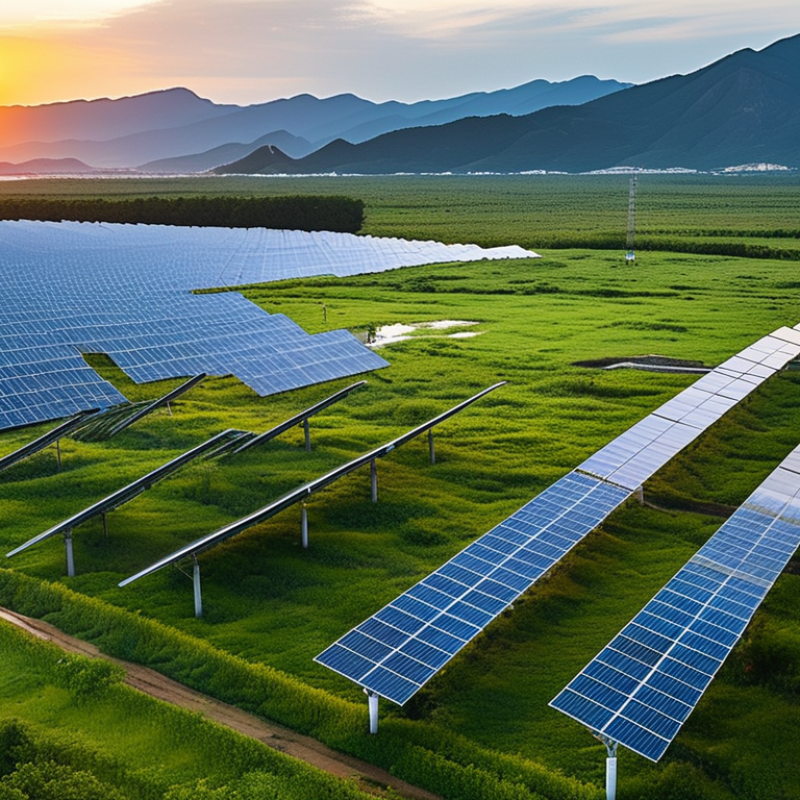
China Best On Grid vs Off Grid Solar Systems What is the Difference

China's On-Grid Solar Systems: Overview and Characteristics

China's on-grid solar systems play a crucial role in the nation's energy transition. These systems are connected to the utility grid. They allow homeowners and businesses to sell excess power back to the grid. According to the International Energy Agency, China installed more than 48 GW of new solar capacity in just one year, showcasing impressive growth.

On-grid systems primarily consist of photovoltaic panels, inverters, and metering equipment. They rely on the grid for backup power. This connection ensures a constant energy supply, even during low sunlight periods. However, reliance on the grid raises questions. What happens during outages? The interruption could disrupt solar generation. Some users experience frustration over downtime.

Cost-wise, on-grid systems are typically less expensive than off-grid setups. The average installation costs are often up to 30% lower. Government incentives also boost affordability. Yet, homes that rely solely on grid power may miss out on energy independence.

Cloudy areas pose challenges for solar energy production. Users living in these regions often see lower yields than expected. Educating users on these intricacies is essential. How to maximize efficiency merits attention. Potential users should research local conditions thoroughly. Understanding both benefits and shortcomings aids in making informed decisions.

Comparison of On-Grid and Off-Grid Solar Systems

Understanding Off-Grid Solar Systems in China

Off-grid solar systems in China have become increasingly popular, especially in remote areas. These systems operate independently of the traditional power grid. Users rely solely on solar energy collected through panels, batteries, and inverters. This approach provides reliable electricity to homes without grid access.

The installation of off-grid systems has unique challenges. First, the initial cost can be significant. Individuals may hesitate to invest without understanding long-term savings. Also, maintenance is crucial for efficiency. Neglecting simple checks can lead to decreased performance. As self-sustainability grows in importance, off-grid solar becomes an attractive and necessary alternative.

Moreover, the effectiveness of these systems often relies on local climate. Areas with frequent cloud cover may struggle for consistent energy production. Anticipating these conditions can help optimize system design. Users should assess their specific needs and local weather patterns. This thoughtful approach can maximize benefits while avoiding common pitfalls in off-grid solar investments.

Key Differences Between On-Grid and Off-Grid Solar Systems

On-grid and off-grid solar systems serve different needs and preferences. On-grid systems connect to the local electricity grid. They allow users to draw power from the grid at night or during cloudy days. According to the National Renewable Energy Laboratory (NREL), these systems can significantly lower electricity bills. Homeowners may sell excess energy back to the grid under net metering agreements.

Off-grid solar systems operate independently. They are ideal for remote locations where grid access is unreliable or unavailable. Users rely on battery storage to maintain a constant power supply. A recent report from the International Energy Agency (IEA) highlighted that off-grid systems can empower communities without grid access, increasing energy independence.

Yet, each system comes with challenges. On-grid systems can face outages during severe weather, impacting reliability. Off-grid systems require careful energy management and storage capacity planning. Battery life can be limited, necessitating regular maintenance and replacement.

Consider energy needs and budget when choosing a system. For homeowners, assessing energy consumption patterns can inform decisions. Off-grid installations might demand higher initial costs, but they can deliver greater long-term savings. Assessing local regulations and incentives is essential for both systems.

Advantages and Disadvantages of Each Solar System Type

On-grid and off-grid solar systems have distinct advantages and disadvantages. An on-grid system connects to the utility grid, allowing users to sell excess energy. It typically has a lower initial cost, given that it relies on existing energy infrastructure. According to the National Renewable Energy Laboratory, on-grid systems account for nearly 80% of global solar installations due to these cost benefits.

However, on-grid systems present a challenge during power outages. Without battery storage, users cannot access solar power when the grid is down. Additionally, grid dependence means vulnerability to utility rate hikes and changes in energy policy. Flexibility is limited since these systems rely entirely on grid connections.

Off-grid solar systems operate independently of the utility grid. They include battery storage, which provides energy during outages. This independence is a significant advantage for remote areas or regions with unreliable utility services. Yet, the initial costs can be considerably higher than on-grid systems. The Solar Energy Industries Association reports that off-grid installations represent about 15% of the market due to these financial barriers.

When considering solar options, each system's unique features must be evaluated carefully. Ask yourself about your energy needs and location. Understand the local regulations that impact solar energy use. Think critically about the long-term implications of your choice.

Future Trends in China's Solar Energy Market: On-Grid vs. Off-Grid

The solar energy market in China is evolving rapidly. On-grid systems connect directly to the utility grid. They use grid power when sunlight is insufficient. Off-grid systems, however, operate independently. They typically rely on battery storage to ensure a continuous energy supply. Each system has its advantages and challenges.

On-grid systems are widely adopted in urban areas. They can reduce electricity bills. Surplus energy can be sold back to the grid. This creates extra income for homeowners. However, reliance on grid connectivity can be a downside. If the grid fails, users lose power.

Off-grid systems are essential for rural regions. These areas often lack reliable grid access. Off-grid solutions offer energy independence. Yet, they require significant upfront investment. Battery maintenance can be cumbersome. This can lead to higher long-term costs. Ultimately, the choice between on-grid and off-grid systems depends on individual needs and circumstances. An evolving market means more innovations will emerge, potentially reshaping these options.

China Best On Grid vs Off Grid Solar Systems - Key Differences and Trends

Feature On-Grid Solar Systems Off-Grid Solar Systems
Connection to the Grid Yes No
Energy Storage Not typically required Required (batteries)
Best Use Case Urban areas with reliable grid access Remote areas with no grid access
Cost Efficiency Lower initial cost Higher initial cost due to batteries
Dependence on Weather Less impact due to grid connection More impactful; energy storage necessary
Government Incentives Yes, often available Limited incentives
Future Trends Integration with smart grids Advancements in battery technology

FAQS

: What is an off-grid solar system?

: An off-grid solar system operates independently of the traditional power grid. It relies solely on solar energy.

What are the main components of an off-grid solar system?

The main components include solar panels, batteries, and inverters. These collect and store solar energy.

What are the advantages of off-grid solar systems?

Off-grid systems provide reliable electricity in remote areas. They ensure energy access during power outages.

What are the disadvantages of off-grid solar systems?

The initial costs can be high. Maintenance is essential for efficiency, and neglect can decrease performance.

How does local climate affect off-grid systems?

Areas with frequent cloud cover may struggle to produce consistent energy. Understanding weather patterns is crucial for optimization.

Can off-grid solar systems be cost-effective in the long run?

Users must evaluate long-term savings versus initial costs. Lack of understanding can lead to hesitations in investment.

How do on-grid and off-grid systems differ?

On-grid systems connect to the utility grid. Off-grid systems operate independently but often have higher initial costs.

What should one consider when choosing a solar system?

Assess your energy needs, location, and local regulations. Consider the long-term implications of your choice critically.

Is maintenance important for off-grid solar systems?

Yes, regular maintenance is crucial. Neglecting it can lead to inefficiency and performance issues.

What market share do off-grid solar systems have?

Off-grid installations represent about 15% of the market. Financial barriers contribute to this limited adoption.

Conclusion

The article explores the distinction between on-grid and off-grid solar systems in China, answering the question, "what is the difference between on grid and off grid solar systems." On-grid solar systems are connected to the national electricity grid, allowing surplus energy to be sold back to the grid, providing a reliable energy source when solar generation is low. In contrast, off-grid systems operate independently, relying on battery storage to provide power, making them ideal for remote areas without grid access.

The discussion also highlights the advantages and disadvantages of each system type. On-grid systems offer lower initial costs and ease of integration, while off-grid systems provide energy independence and security against outages. As China's solar energy market evolves, trends suggest a growing interest in both systems, depending on regional energy needs and technological advancements. This overview underscores the importance of understanding these differences for both consumers and policymakers in navigating the future of solar energy in China.

Sienna

Sienna

Sienna is a skilled marketing professional with a deep expertise in our company’s core products and services. With a passion for innovation and detail, she plays a pivotal role in crafting insightful blog posts that not only highlight the unique features of our offerings but also provide valuable......