Explore our premium product portfolio designed for high efficiency, durability, and customized applications across diverse environments.
Deep engineering insights into the shifting paradigm of photovoltaic cells, cell architecture, and structural integration.
The global solar market is moving rapidly from traditional P-type PERC structures to N-type TOPCon (Tunnel Oxide Passivated Contact) and HJT (Heterojunction Technology) architectures. N-type silicon offers near-zero Light-Induced Degradation (LID) and an exceptional temperature coefficient (down to -0.26%/°C), significantly boosting generation efficiency in extreme climates.
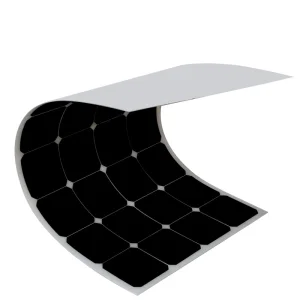
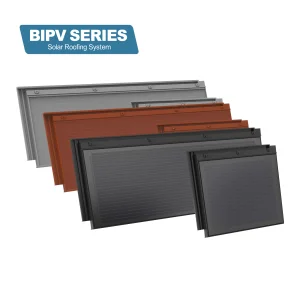
Modern building codes demand active energy generation surfaces. Building Integrated Photovoltaics (BIPV) substitute traditional tiles and glass facades with solaractive materials, preserving visual appeal. Concurrently, lightweight, flexible PV stickers permit marine, transportation, and low-load industrial installations where classic modules fail.
Solar system design is no longer only about modules; it involves systemic balancing of the Levelized Cost of Energy (LCOE). Advanced balance-of-system (BOS) engineering includes bifacial designs that leverage ground albedo to gain up to 25% extra yields, smart micro-inverters, and integrated energy storage (BESS) systems.
In B2B solar applications, selecting the appropriate engineering design dictates the financial model of the project for the next 25 to 30 years. Today's commercial developments must withstand dynamic loading conditions while minimizing balance-of-system costs. Advanced modeling systems utilize global horizontal irradiation (GHI) data combined with precise module-level power electronics (MLPE) to mitigate local shadow effects. By integrating specialized module geometries—such as high-density half-cell configurations—system designers reduce internal resistive losses, ensuring optimal power transmission from cell to grid.
Furthermore, structural weight limits on older industrial warehouses require innovative solar systems that skip traditional heavy mounting brackets. By employing lightweight polymer-encapsulated panels and direct bonding adhesives (ETFE sticker systems), engineers can transform previously unviable surfaces into reliable power-generating assets, achieving up to 70% structural weight reduction compared to conventional glass-laminated systems.
For EPC contractors, solar distributors, and utility project developers, managing international supply chain risks is critical. Procurement directors prioritize partners who guarantee compliance with strict IEC standards, demonstrate long-term bankability, and offer custom manufacturing flexibilities.
"System design resilience goes beyond nominal panel efficiency. In large projects, procurement officers optimize for total balance-of-system cost, shipping carton density, and high voltage compatibility. Higher voltage lines (1500V systems) allow longer module strings, reducing the total amount of combiner boxes, cabling, and installation labor needed on site."
Engineering Division
Ningbo Halkirk Solar Quality Control Department
Understanding the logistical and technological parameters that establish Chinese solar manufacturing hubs as global benchmarks.
China's photovoltaic industry leverages unmatched regional manufacturing clusters. The Yangtze River Delta region, particularly around Ningbo and Zhejiang, encompasses the entire solar ecosystem: from high-purity polysilicon refining, wafer slicing, and cell texturing to glass tempering, EVA film extrusion, and aluminum frame profiling. This geographic concentration minimizes transit times, lowers emissions, and offers a shield against global logistics disruptions.
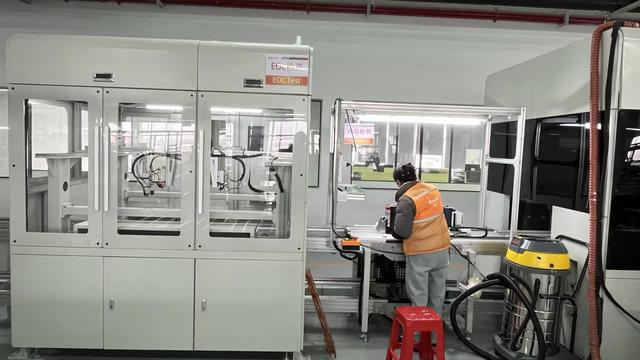
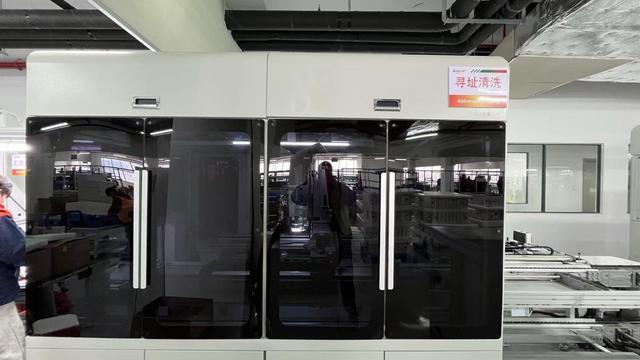
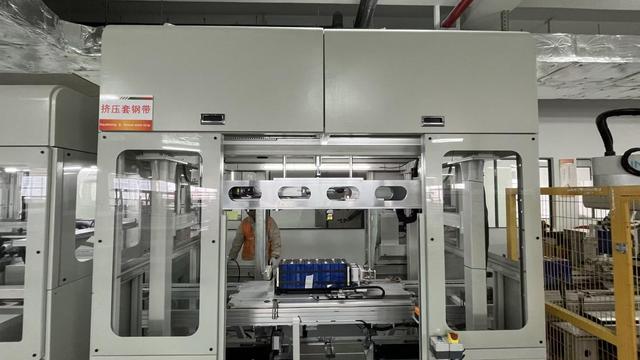
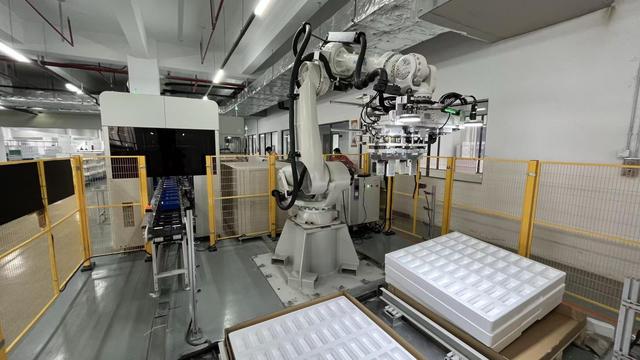
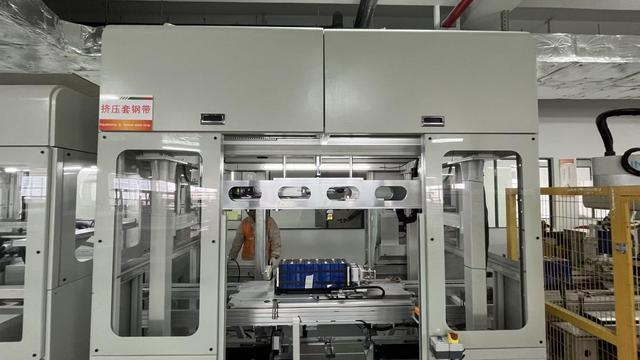
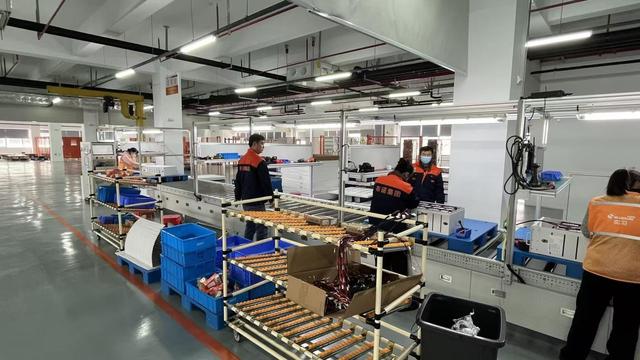
Under Industry 4.0 frameworks, Ningbo Halkirk Solar and partner facilities deploy fully automated assembly lines. Cell stringing, matrix layup, vacuum lamination, and framing are managed by robotic precision systems. Real-time optical monitoring and dual-stage Electroluminescence (EL) testing identify micro-cracks, hot spots, or gridline defects undetectable to the human eye, ensuring only flawless panels enter packaging.
How specialized solar systems adapt to varied architectural, mechanical, and geographic environments.
Yachts, utility boats, and offshore installations require solar systems that resist saltwater corrosion and severe wind loads. Flexible, light-weight polymer panels with anti-saline encapsulation lay directly on boat curves, providing continuous charging without adding top-heavy weight or compromising aerodynamics.
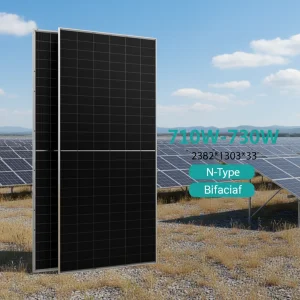
Commercial factories utilize large rooftops to reduce operation costs. Implementing high-wattage (550W-750W) N-type bifacial panels allows systems to maximize generation on flat roofs. Combining these with smart string inverters optimizes power output, reduces cabling needs, and lowers overall installation costs.
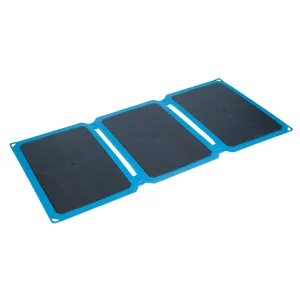
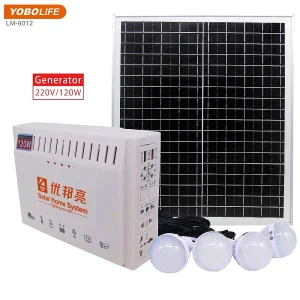
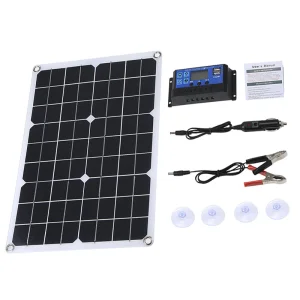
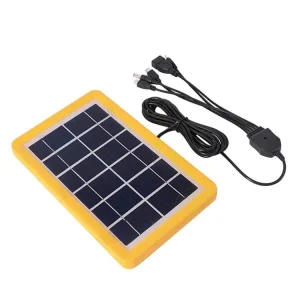
Remote cabins, emergency responder vehicles, and off-grid residential setups rely on portable energy generators and lightweight monocrystalline systems. Foldable 30W to 120W panels, combined with integrated charge controllers, offer reliable energy independence for emergency power and off-grid expeditions.
Ningbo Halkirk Solar Co., Ltd. is a professional China solar panel manufacturer and monocrystalline & bifacial solar module supplier, dedicated to delivering high-efficiency renewable energy solutions to customers worldwide. Located in Ningbo, China, the company integrates research and development, manufacturing, quality control, and global sales to provide reliable solar products for residential, commercial, industrial, and utility-scale applications.
Halkirk Solar specializes in the production of monocrystalline solar panels, bifacial solar modules, TOPCon solar panels, N-type solar modules, off-grid solar solutions, on-grid solar systems, and customized photovoltaic products. Leveraging advanced cell technology and intelligent manufacturing processes, our products are designed to maximize energy output, improve conversion efficiency, and ensure long-term performance in diverse environmental conditions.
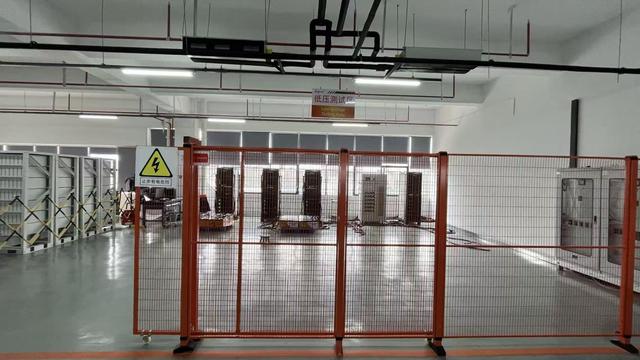
Our modern manufacturing facility is equipped with automated production lines, precision testing equipment, and strict quality management systems. Every solar module undergoes comprehensive inspections and performance testing to guarantee superior reliability, durability, and compliance with international standards. We are committed to providing products that meet the evolving demands of the global renewable energy market.
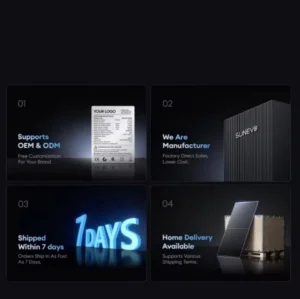
To better serve international customers, Halkirk Solar offers flexible OEM and ODM services for solar brands, distributors, EPC contractors, wholesalers, and project developers. Our experienced engineering and technical teams work closely with clients to deliver customized solar solutions tailored to specific project requirements, market demands, and branding needs.
Driven by innovation, sustainability, and customer satisfaction, Ningbo Halkirk Solar Co., Ltd. continues to expand its presence in global markets. We strive to become a trusted partner in the photovoltaic industry by providing high-quality solar modules and comprehensive clean energy solutions that contribute to a greener and more sustainable future.
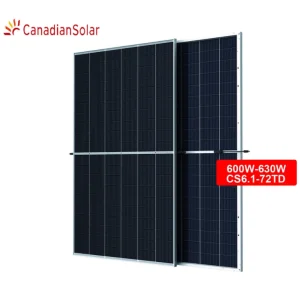
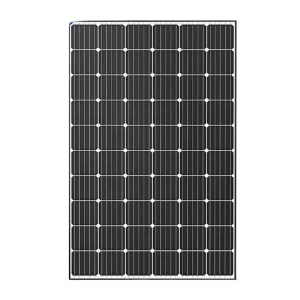
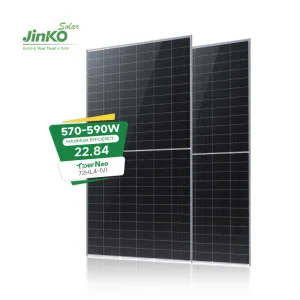
Premium options featuring TOPCon, Bifacial glass-glass engineering, and high-efficiency portable configurations.
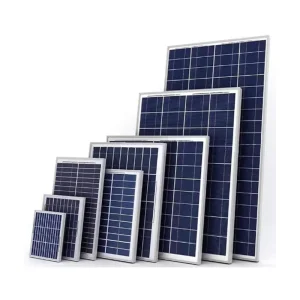
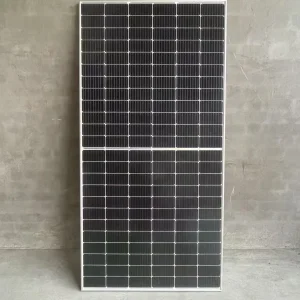
Technical guidance from Ningbo Halkirk Solar's engineering and project development teams.
A: N-type TOPCon panels exhibit lower power degradation rates, a superior temperature coefficient (-0.30%/°C to -0.34%/°C compared to PERC's -0.38%/°C), and significantly higher bifaciality (up to 80-85%). This means TOPCon modules deliver up to 5% more energy yield per watt over their operating lifetime, optimizing the total Levelized Cost of Energy (LCOE).
A: Marine-grade flexible panels use durable fluoropolymer coatings (like ETFE) instead of traditional cover glass. These coatings resist UV radiation, chemical exposure, and high humidity, while their lightweight design avoids structural fatigue. Our flexible modules undergo rigorous testing for resistance to saline fog, ensuring long-term durability on yachts, boats, and curved vehicle roofs.
A: We offer extensive customization options, including modifying module dimensions, adapting connector and cable lengths, utilizing custom backsheet colors (such as full black aesthetics for residential use), and designing unique mounting interfaces. We collaborate with EPC contractors, distributors, and brands to align manufacturing outputs with localized regulatory certifications and structural requirements.
A: We conduct two stages of Electroluminescence (EL) testing during manufacturing: prior to lamination and following final packaging. EL testing uses infrared imaging to detect internal micro-cracks, inactive cells, and electrical issues. In addition, flash testing confirms that each module meets its rated power output under standard test conditions (STC).
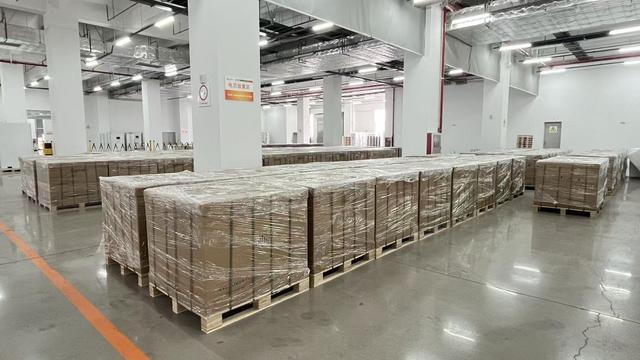
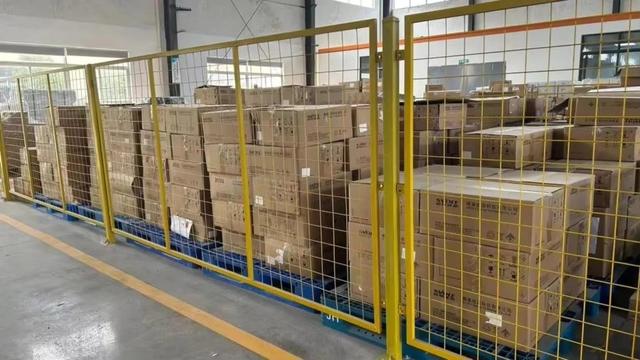
A: Ningbo is home to the Port of Ningbo-Zhoushan, one of the world's largest deep-water ports. This provides direct shipping routes to major global markets in Europe, North America, and Southeast Asia. Our proximity to this logistical hub reduces local transport costs and transit times, allowing us to manage bulk shipping schedules efficiently.
A: Standard industry packages include a 12-year to 15-year limited product warranty covering materials and workmanship, combined with a 25-year to 30-year linear power output warranty. N-type HJT and TOPCon panels feature guaranteed performance levels, typically maintaining at least 87% to 89% of their original output by year 30.
 Halkirk Solar