Explore our top-tier solar solutions designed to optimize levelized cost of energy (LCOE) and comply with local tax incentives and green subsidies worldwide.
Ningbo Halkirk Solar Co., Ltd. is a professional China solar panel manufacturer and monocrystalline & bifacial solar module supplier, dedicated to delivering high-efficiency renewable energy solutions to customers worldwide. Located in Ningbo, China, the company integrates research and development, manufacturing, quality control, and global sales to provide reliable solar products for residential, commercial, industrial, and utility-scale applications.
Halkirk Solar specializes in the production of monocrystalline solar panels, bifacial solar modules, TOPCon solar panels, N-type solar modules, off-grid solar solutions, on-grid solar systems, and customized photovoltaic products. Leveraging advanced cell technology and intelligent manufacturing processes, our products are designed to maximize energy output, improve conversion efficiency, and ensure long-term performance in diverse environmental conditions.
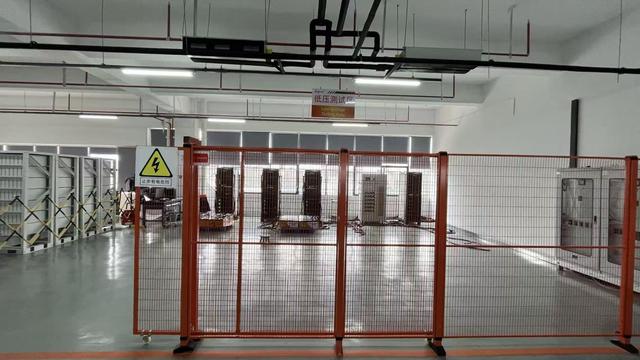
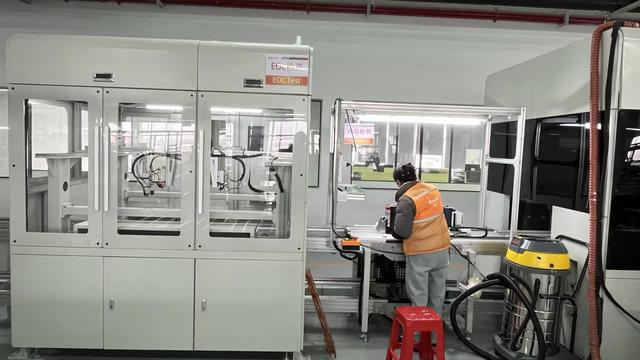
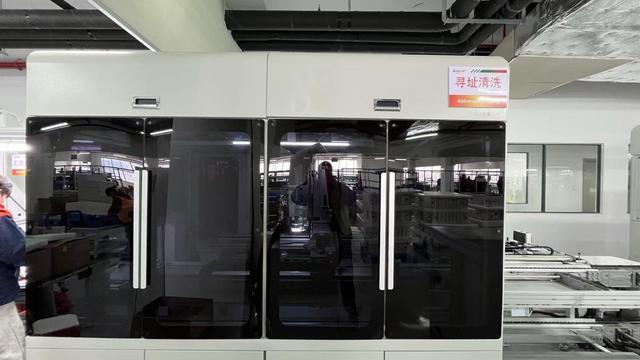
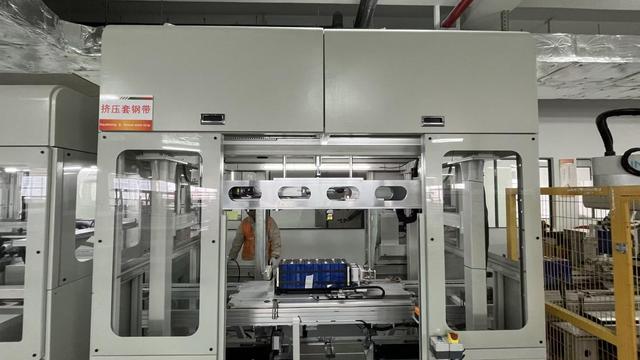
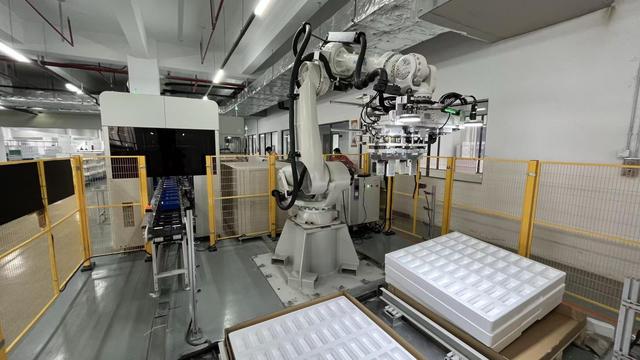
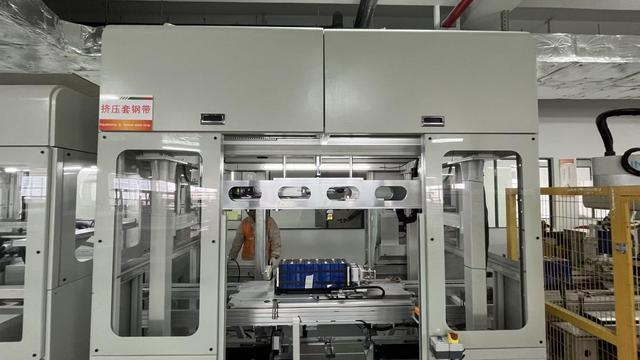
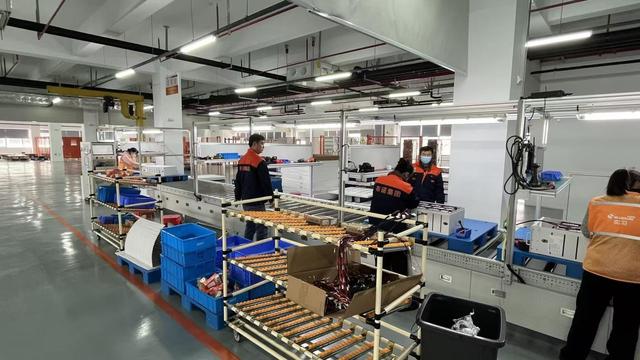
"Our modern manufacturing facility is equipped with automated production lines, precision testing equipment, and strict quality management systems. Every solar module undergoes comprehensive inspections and performance testing to guarantee superior reliability, durability, and compliance with international standards. We are committed to providing products that meet the evolving demands of the global renewable energy market."
To better serve international customers, Halkirk Solar offers flexible OEM and ODM services for solar brands, distributors, EPC contractors, wholesalers, and project developers. Our experienced engineering and technical teams work closely with clients to deliver customized solar solutions tailored to specific project requirements, market demands, and branding needs.
Driven by innovation, sustainability, and customer satisfaction, Ningbo Halkirk Solar Co., Ltd. continues to expand its presence in global markets. We strive to become a trusted partner in the photovoltaic industry by providing high-quality solar modules and comprehensive clean energy solutions that contribute to a greener and more sustainable future.
Understanding regional policy frameworks that drive capital expenditure savings and accelerate payback periods for global businesses.
The Investment Tax Credit (ITC) and Clean Energy Production Tax Credit (PTC) under the Inflation Reduction Act (IRA) offer substantial write-offs for C&I projects utilizing Tier-1 efficiency-equivalent modules.
With REPowerEU and local feed-in tariffs (FiT), European commercial developers receive incentives tied directly to systemic performance metrics, making high-generation TOPCon modules the default standard.
From Australia's LGC frameworks to localized corporate power purchase agreements (PPAs) in Southeast Asia, industrial businesses leverage depreciation write-offs and direct grid-export premiums.
Across the global energy landscape, solar incentives act as the core catalyst for accelerating transition dynamics. In the United States, the Inflation Reduction Act (IRA) has extended the Investment Tax Credit (ITC), offering up to a 30% tax credit for commercial and residential installations, with additional bonuses for domestic content and energy communities. Meanwhile, the European Union's RED III directive and Net-Zero Industry Act mandate accelerated PV installations across C&I real estate, incentivizing developers with streamlined permitting and direct financial grants. In APAC, Australia’s Small-scale Technology Certificates (STCs) and Large-scale Generation Certificates (LGCs) drastically lower initial CAPEX barriers.
For international buyers, the challenge lies in procuring hardware that complies with these incentive frameworks while maximizing power density. Ningbo Halkirk Solar Co., Ltd. addresses this gap by engineering modules that achieve Tier-1 performance criteria. By optimizing conversion efficiency through TOPCon and advanced bifacial cell structures, our modules reduce the structural balance of system (BOS) costs. This lower BOS, combined with higher power output, yields a significantly lower Levelized Cost of Energy (LCOE), making projects more attractive to institutional investors and compliance-driven utility financiers.
China's photovoltaic manufacturing ecosystem represents the gold standard of supply chain vertical integration. Situated in the Ningbo industrial cluster, Halkirk Solar benefits from direct proximity to raw material processing, wafer cutting, ribbon fabrication, and automated assembly components. This localized supply chain reduces internal logistics emissions and eliminates delivery latency. Our modern production lines leverage AI-driven optical inspection (EL testing) at multiple points in the lamination process, ensuring micro-crack detection before encapsulation.
This structural efficiency enables us to allocate more resources to advanced R&D. While non-integrated factories struggle with the shifting dynamics of cell supply, our integration guarantees consistent N-Type cell quality. This structural stability directly reflects in the temperature coefficient of our modules (-0.30%/°C), enabling them to perform reliably in extreme thermal conditions compared to standard P-type modules.
“By optimizing our manufacturing efficiency and sourcing directly within Ningbo's PV industrial cluster, we pass direct capital savings onto our global distribution partners, enabling them to bid competitively under tight national bidding tenders.”
From specialized marine installations to low-load commercial roof spaces, our module portfolio fits diverse engineering needs.
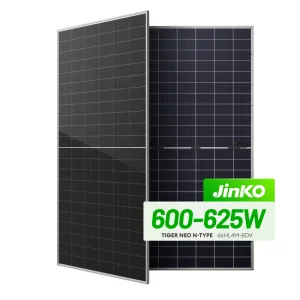
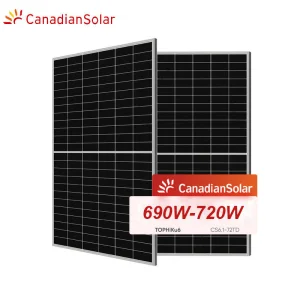
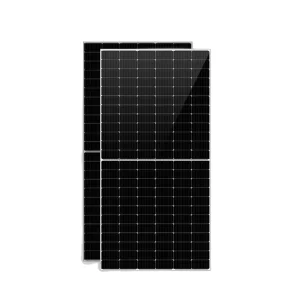
High-power density TOPCon modules (600W-730W) minimize the required structural footprint and maximize generation capacity per square meter, optimizing commercial returns.
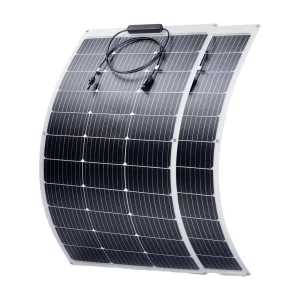
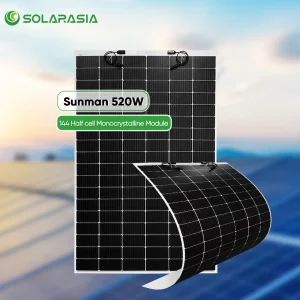
Our ultra-lightweight, flexible monocrystalline modules conform to curved surfaces and low-load industrial roofs where standard glass modules exceed mechanical limits.
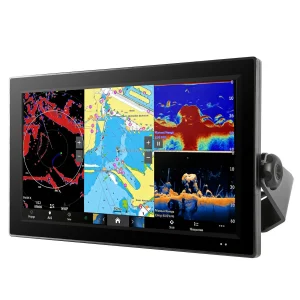
Specialized salt-mist resistant modules, anti-glare touchscreen displays, and ruggedized casings ensure sustained operations in offshore and high-salinity marine environments.
Every commercial development project presents distinct environmental challenges. For instance, flat industrial roofing in northern Europe requires modules with excellent low-light performance (weak-light response) and minimal dust accumulation. Our European Standard Full Black TOPCon modules address this by featuring specialized anti-reflective, self-cleaning glass surfaces that optimize energy yield during overcast conditions. In contrast, utility-scale developments in arid regions rely on bifacial double-glass technology to capture back-side albedo reflections from sandy terrain, increasing overall generation by up to 25%.
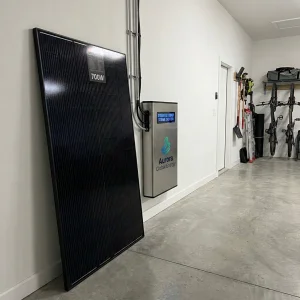
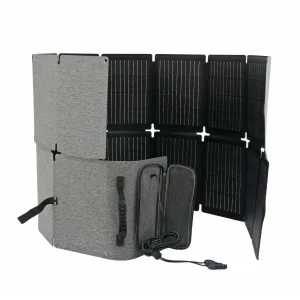
For residential self-use markets, aesthetic integration is key. Homeowners prefer all-black designs that blend with modern architectural styles while delivering high efficiency. Halkirk Solar’s premium residential modules combine high-efficiency monocrystalline cells with an elegant, full-black aesthetic without sacrificing thermal stability. For mobile applications, RVs, and marine vessels, standard rigid panels are structurally unfeasible. Our 200W foldable panels and flexible monocrystalline modules provide durable off-grid solutions that resist vibration and mechanical stress.
Global supply chain procurement is no longer just about per-watt pricing; compliance with ESG (Environmental, Social, and Governance) metrics and international quality standards is critical. Institutional project developers require full traceability of raw materials to secure project financing and green energy bonds. Halkirk Solar ensures compliance by auditing our supply chain and maintaining certifications including CE, TUV, ISO9001, and ISO14001.
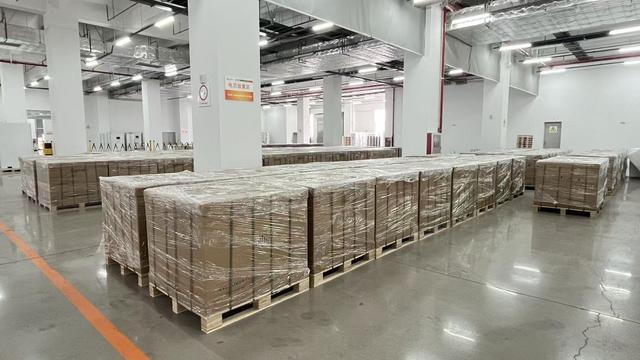
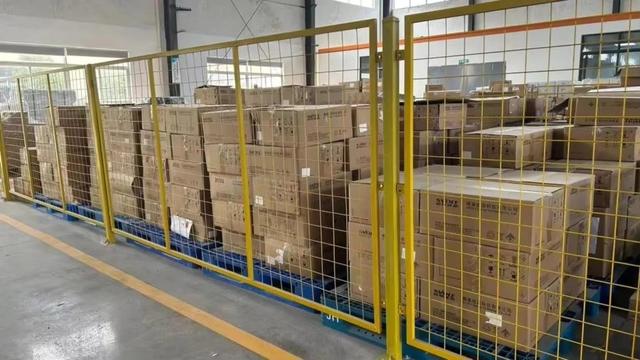
Our OEM and ODM capabilities allow global brands to customize structural features like frame thickness, junction box placement, cable lengths, and custom packaging. This level of customization ensures direct compatibility with tracking systems and central inverter layouts, reducing labor hours and installation errors on-site.
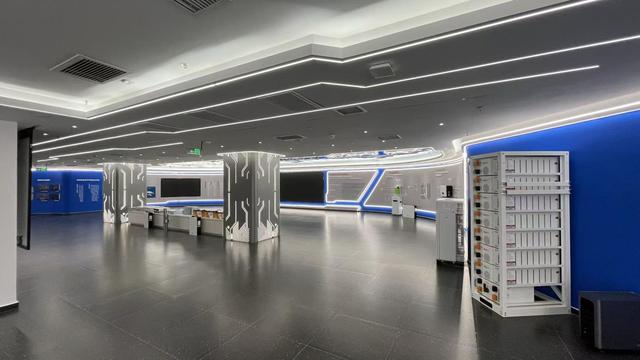
Take a look inside our automated production facility in Ningbo, where precision engineering meets rigorous quality standards.
The transition from P-type PERC cells to N-type TOPCon (Tunnel Oxide Passivated Contact) and HJT (Heterojunction) technologies represents a major shift in industrial solar design. TOPCon cells feature an ultra-thin silicon oxide layer combined with highly doped polycrystalline silicon, reducing recombination losses at the rear contact. This structural optimization raises theoretical efficiency limits close to 28.7%, far outperforming traditional monocrystalline P-type structures.
For long-term asset management, this technological evolution translates to lower degradation rates. Standard P-type panels experience significant Light-Induced Degradation (LID) in their first year of operation. N-type structures, being phosphorus-doped, are immune to boron-oxygen defects, resulting in low LID/LeTID values. Halkirk Solar’s N-type modules carry a performance warranty guaranteeing over 87.4% nominal power output after 30 years of operation, safeguarding the long-term cash flow of utility-scale installations.
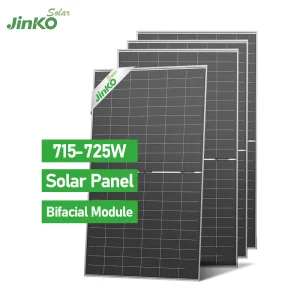
Another emerging trend is the integration of bifacial double-glass structures with smart tracking arrays. By adjusting the tilt angle to maximize both direct and indirect solar radiation, smart-tracking bifacial systems can increase energy yields by 15-30% compared to fixed-tilt structures. Our dual-glass layouts offer the mechanical durability required to withstand wind loads and mechanical stresses in these dynamic mounting setups.
Expert technical responses to common questions about global incentives, module specifications, and procurement logistics.
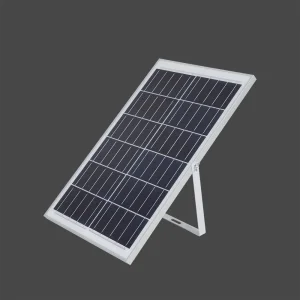
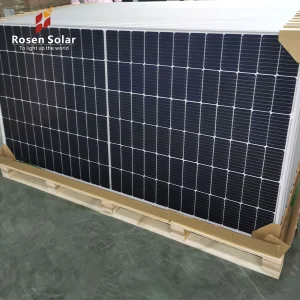
Select from our range of certified monocrystalline, bifacial, and flexible solar panels engineered for commercial and industrial performance.
 Halkirk Solar