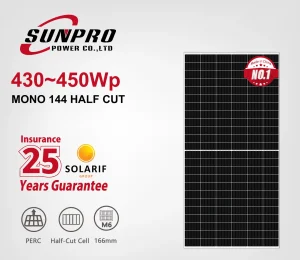
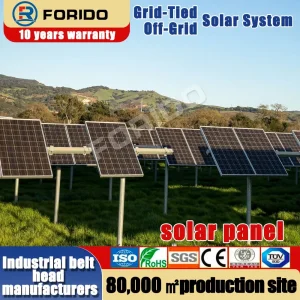
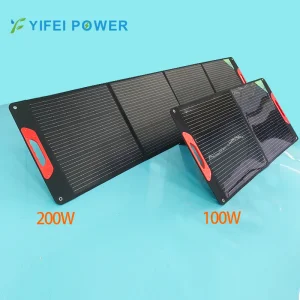
Explore our premium grade solar arrays and portable flexible units designed for optimal conversion efficiency.
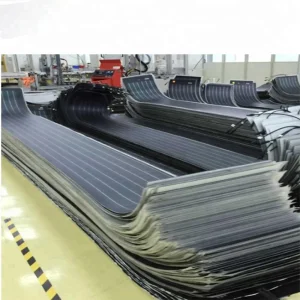

As the global deployment of solar photovoltaic (PV) systems continues its exponential ascent, the industry faces an inevitable and massive end-of-life (EoL) challenge. Millions of tons of solar panels installed during the early 2000s boom are reaching the end of their 25-to-30-year operational lifespans. Proper recycling is no longer merely an ecological preference; it is a complex logistics, chemical, and economic necessity.
At Ningbo Halkirk Solar Co., Ltd., we recognize that true environmental sustainability requires a complete lifecycle strategy. As an established manufacturer and supplier of Tier-1 grade monocrystalline, bifacial, and N-Type TOPCon PV modules, we have integrated state-of-the-art Custom OEM Solar Panel Recycling pipelines to close the loop. By designing solar modules for ease of reclamation (Design-for-Recycling) and offering robust turnkey OEM processing services, we help enterprise clients recover raw materials, mitigate hazardous waste risk, and remain fully compliant with shifting global ESG laws.
According to the International Renewable Energy Agency (IRENA), cumulative PV waste could reach up to 78 million metric tons by 2050. The raw materials locked inside these panels are estimated to be worth billions. Reclaiming these elements holds the key to the next generation of energy manufacturing.
Large-scale solar project developers, independent power producers (IPPs), and multinational corporations face strict accountability demands regarding the decommissioning of green energy facilities.
Regulatory frameworks across Europe (WEEE Directive), parts of North America, and Asia increasingly hold manufacturers and site operators legally responsible for the post-use collection and processing of PV systems. Non-compliance results in heavy financial penalties and reputational damage.
Enterprises committed to net-zero pledges must demonstrate circular material economies. By choosing a verified OEM partner like Halkirk Solar, procurement teams secure robust chain-of-custody documentation that validates the reuse of recovered glass, aluminum, and high-purity silicon back into the industrial value chain.
Primary ores for metals like Silver (Ag) and Indium (In) are scarce. By recovering electronic-grade silicon and precious metals from retired panels, we protect downstream panel manufacturing against severe mineral volatility and logistics delays, guaranteeing price-stable supply lines.
Traditional recycling methods rely heavily on mechanical shredding, which leads to down-cycled material streams (e.g., contaminated glass cullet only suitable for insulation fiber). Our advanced custom OEM recycling infrastructure deploys a multi-stage process targeting high-value material recovery:
| Recycling Phase | Technological Mechanism | Target Output / Reclaimed Materials | Purity Rate & Next-Use Suitability |
|---|---|---|---|
| Stage 1: Mechanical Dismantling | Automated frame removal and junction box separation using high-precision mechanical cutters. | Aluminum Frames & Copper Wire Cables | >99% purity. Remelted directly into industrial-grade extrusion products. |
| Stage 2: Delamination | Thermal decomposition (Pyrolysis) at optimized temperatures or organic solvent dissolution of the Ethylene-Vinyl Acetate (EVA) encapsulant. | Intact tempered cover glass sheets and bare silicon wafer cells. | High-quality flat glass feedstock for secondary PV manufacturing. |
| Stage 3: Chemical Extraction | Hydrometallurgical acid leaching and sequential precipitation to isolate metallization pastes. | Precious Silver (Ag), Copper (Cu), and clean metallurgical-grade Silicon. | 98% recovery efficiency. Metals are refined to commercial standard purities. |
| Stage 4: Silicon Upgrading | High-temperature vacuum melting and directional solidification of recovered wafer silicon. | Solar-grade Silicon (6N+ purity) and industrial silicon alloys. | Reintroduced into crystal-pulling processes for new wafer fabrication. |
First, panels are stripped of their anodized aluminum structural frames and polymer junction boxes. This initial phase utilizes mechanical shearing tools to isolate aluminum and copper components. By keeping these elements separated from the inner laminates, we maintain a pure scrap stream, minimizing contamination in downstream furnaces.
The core challenge of solar recycling lies in breaking the tough EVA adhesive bond between the front glass sheet, the silicon solar cells, and the backsheet. We utilize automated thermal reactors that cook the laminated panel structures under an oxygen-deprived environment. This vaporizes the polymers safely, leaving the front glass sheets clean and intact, while reducing particulate emissions.
Once the glass is separated, the remaining silicon solar cells undergo precise hydrometallurgical treatment. We utilize target-specific leaching agents to dissolve and isolate silver contacts, lead solder, and copper grid-lines. The dissolved metals are captured via chemical precipitation and electrowinning, yielding refined silver and copper ready for the bullion or electronic markets.
Recovered silicon wafer materials contain traces of dopants (boron and phosphorus) and metal contaminants. Our refining facility treats the recovered silicon feedstock, elevating its purity level back to solar-grade standards. This high-purity silicon is then sold back to ingot manufacturers to produce brand-new wafer stocks, completing the circular manufacturing cycle.
Located in the international logistics hub of Ningbo, China, Ningbo Halkirk Solar Co., Ltd. integrates research and development, manufacturing, strict quality control, and global logistics. We provide reliable solar solutions for residential, commercial, industrial, and utility-scale projects worldwide.
Our product portfolio focuses on monocrystalline solar panels, bifacial solar modules, TOPCon solar panels, N-type solar modules, off-grid systems, on-grid solutions, and highly customized photovoltaic arrays. By leveraging advanced cell architectures and automated production lines, our panels maximize conversion efficiencies and guarantee decades of reliable output in diverse climates.
Every single module undergoes rigorous quality checks, electroluminescence (EL) testing, and precise flash simulations to guarantee performance compliance with international certification standards. To serve global brands, distributors, EPC contractors, and project developers, we offer flexible OEM and ODM services, delivering customized solar architectures tailored to specific market requirements and project designs.
Our engineers work side-by-side with your procurement team to ensure that the PV assets you deploy today are designed for cost-effective material recovery at the end of their operational lifespan.
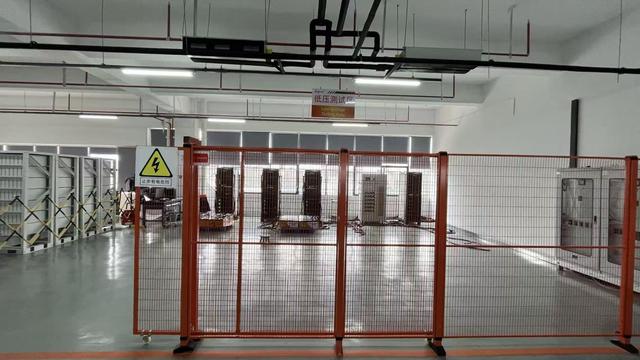
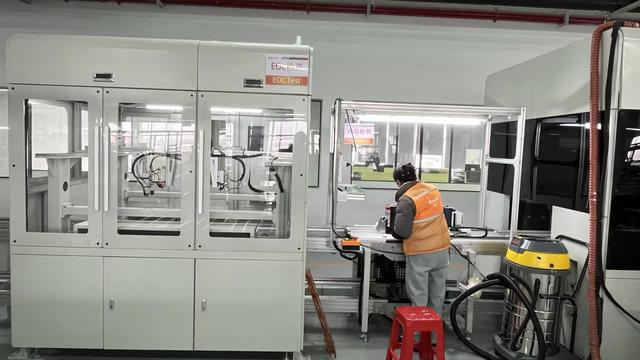
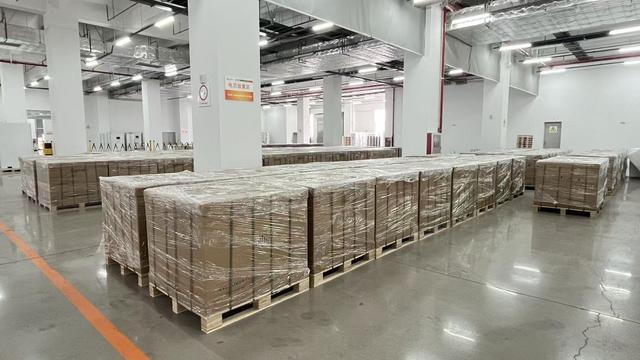
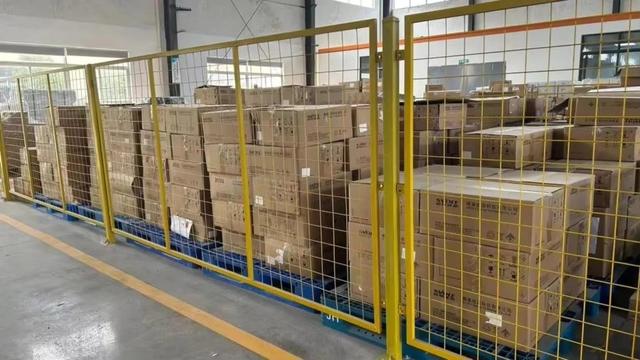
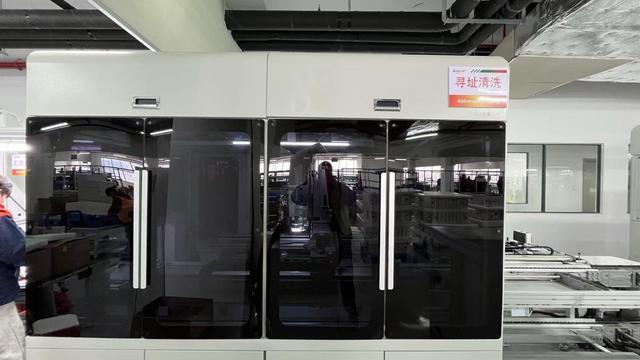
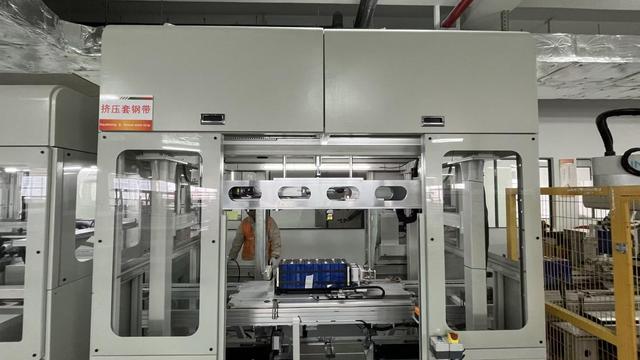
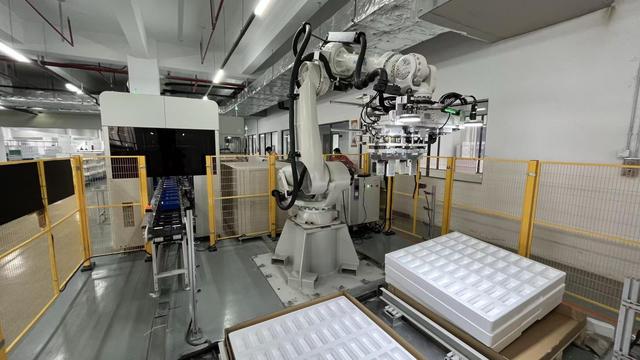
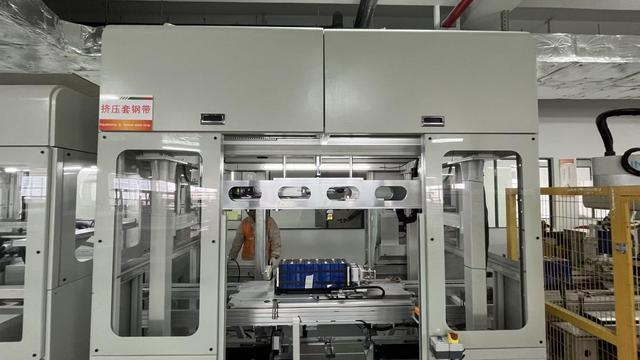
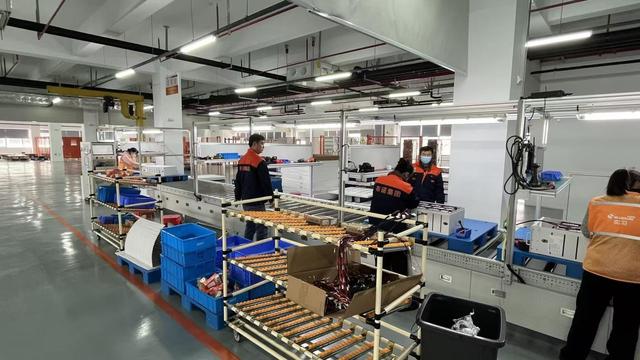

Developing a sustainable solar economy requires close coordination across logistics, processing plants, and manufacturing facilities. Halkirk Solar coordinates clean energy networks that align end-of-life recovery with new cell fabrication, shifting the industry from a linear take-make-dispose pattern to a fully closed-loop circular economy.
We provide comprehensive logistics coordination for utility-scale solar farms. By deploying smart collection container systems and specialized transport cages, we minimize module damage during transit, which preserves glass integrity for clean separation at our processing facilities.
We avoid harsh, non-selective chemical baths. Our chemical engineers utilize targeted dissolution processes to recover high-purity silicon and silver while minimizing chemical waste. The organic solvents used to dissolve the EVA layers are recycled internally via closed distillation loops.
Our long-term target is to scale our Custom OEM Solar Panel Recycling processing capacity to handle 100,000 metric tons of PV waste per year. By continuously optimizing our automated thermal systems and hydrometallurgical pipelines, we aim to lower recycling costs to match raw material values, making solar recycling profitable without relying on government subsidies.
Expert answers addressing regulatory, chemical, and technical questions regarding the decommissioning and recycling of solar modules.
Explore our complete commercial systems and residential solar modules engineered for long-term power production.
 Halkirk Solar