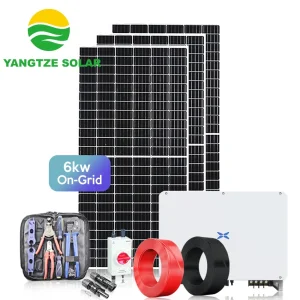
Explore our premier tier-1 engineering solutions engineered to deliver top conversion efficiencies under extreme environmental operational parameters.

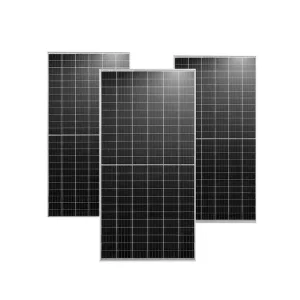

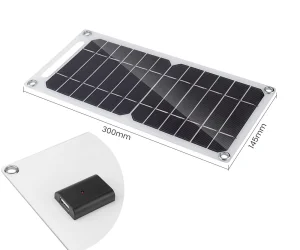
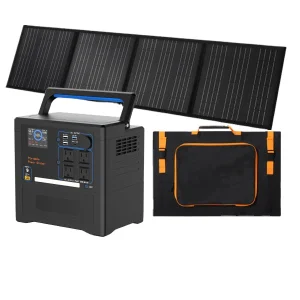
Ningbo Halkirk Solar Co., Ltd. integrates vertical intelligence with highly-automated supply chains to supply advanced PV modules globally.
Peak Cell Efficiency
Annual Production Output
Performance Warranty
Double EL Checked
The global energy framework is going through an unprecedented transformation, characterized by a rapid transition towards deep decarbonization. At the center of this movement is photovoltaic (PV) technology. Moving beyond simple grid parity, industrial solar energy has emerged as a cornerstone of corporate ESG metrics, energy security planning, and risk reduction against volatile fossil fuel markets. Today, commercial developers, national utility firms, and independent power producers (IPPs) are demanding advanced, highly customizable solar components.
According to international energy intelligence agencies, global solar capacity installations are projected to sustain a double-digit compound annual growth rate (CAGR) over the coming decade. As land availability limits single-axis tracking systems in specific regions, structural developments like floating solar setups, building-integrated photovoltaics (BIPV), and bifacial cell technologies are gaining significant traction. Modern procurement teams recognize that off-the-shelf panels are no longer sufficient for complex modern projects; instead, custom engineering, robust thermal coefficients, and verified supply chain origins have become key parameters for mitigating project risks.
SEO Insight & Market Reality: Today's procurement strategies prioritize Levelized Cost of Energy (LCOE) over initial capital expenditure (CAPEX). High-efficiency modules with lower degradation curves yield significantly better long-term financial returns.
Ningbo Halkirk Solar Co., Ltd. is positioned as a professional, vertically integrated solar manufacturer. As a tier-focused China supplier, Halkirk Solar bridges the gap between raw technological capabilities and project-specific customizations. Our engineering team addresses the distinct manufacturing requirements of global solar brands, distributors, EPC contractors, and system integrators.
Our OEM/ODM pipeline covers several key technology families:
From flexible, adhesive-mounted profiles for marine environments to ultra-thin glass-on-glass modules designed for building integration.
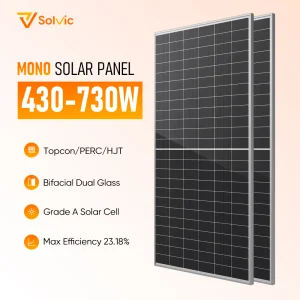
Configurable string arrangements, customized junction boxes, and tailored voltage outputs ranging from portable 6.8V panels to high-capacity 730W utility-scale modules.
IP68 waterproof configurations, anti-ammonia/salt-mist coatings for coastal installations, and high mechanical-load frames for heavy snow zones.
China's prominence in the global solar supply chain is built on decades of industrial clustering, significant R&D investments, and optimized logistics networks. Ningbo Halkirk Solar Co., Ltd., based in the port city of Ningbo, leverages these systemic advantages to provide cost-effective and highly reliable photovoltaic products to international markets.
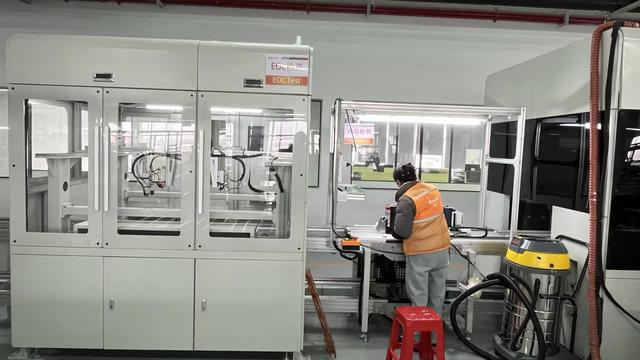
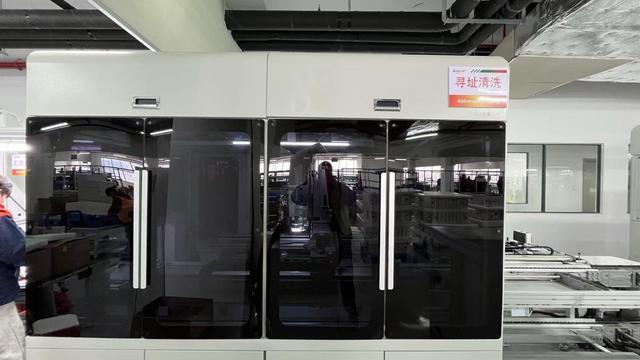
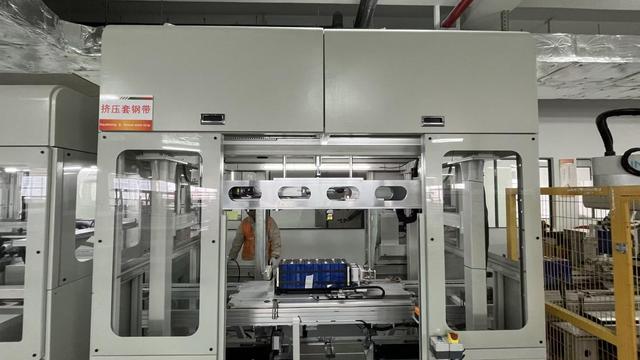
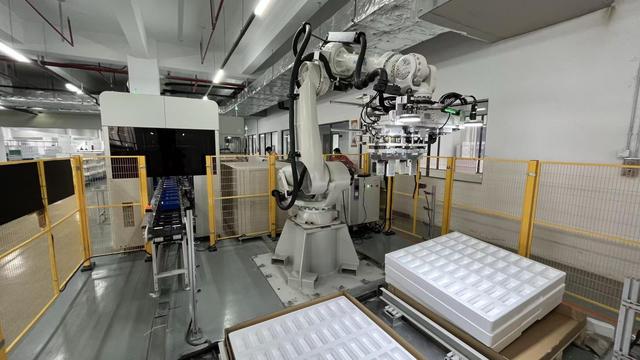
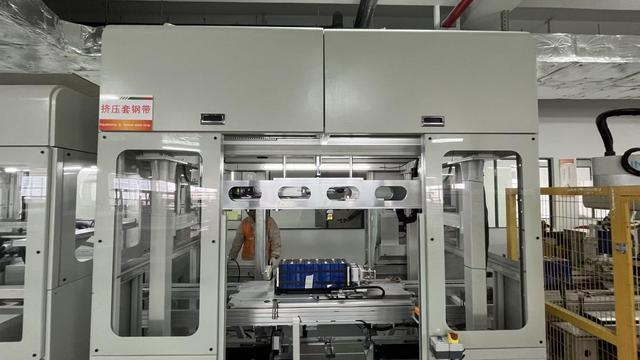
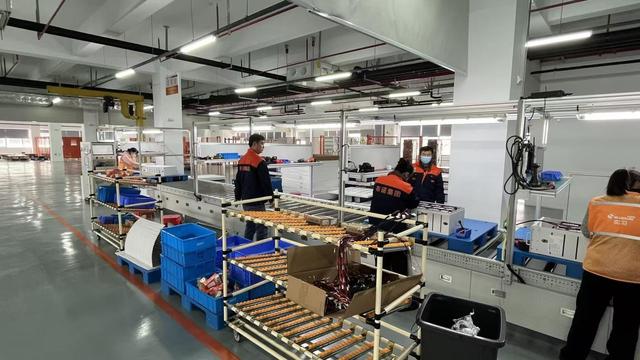
Our automated production facilities feature advanced robotic lay-up systems, precision stringer equipment, and multi-stage electro-luminescence (EL) scanners. This high degree of automation ensures production consistency, minimizing cell-microcracks and structural defects. By integrating local supply lines for solar glass, EVA/POE encapsulants, backsheets, and aluminum frames, we significantly compress order lead times.
Furthermore, our proximity to the Port of Ningbo-Zhoushan—one of the world's busiest container hubs—allows us to offer streamlined shipping solutions. For our international clients, this translates to minimized inland transport costs, simplified customs processing, and predictable delivery timelines, even during periods of global freight volatility.
Renewable energy applications require different engineering specifications depending on the geographic region, climate, and structural constraints:
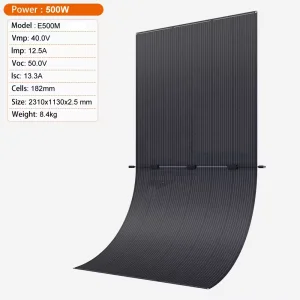
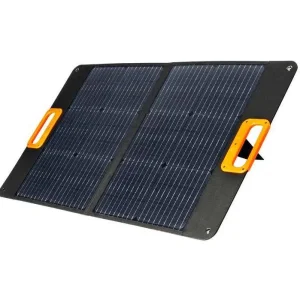
For vehicles and marine vessels, weight and aerodynamic drag are critical design factors. Traditional glass panels are often unsuitable due to their weight and rigidity. Halkirk’s flexible monocrystalline solar modules, featuring ETFE encapsulation, bend up to 30 degrees, allowing them to conform to curved roofs on RVs and boats. These panels are engineered to resist salt-water corrosion and UV degradation, providing reliable off-grid power under demanding conditions.
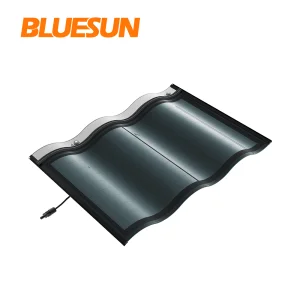
Urban environments frequently present spatial challenges for traditional rooftop racking. Building-Integrated Photovoltaics (BIPV), such as our monocrystalline solar roof tiles, offer a functional alternative. By replacing standard roofing materials with high-strength, power-generating glass tiles, residential projects can generate clean energy while preserving clean architectural design lines.
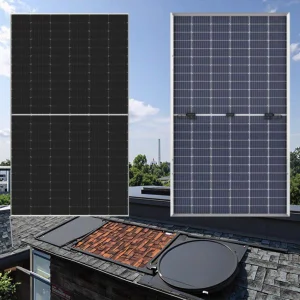
Commercial facilities require optimized power output per square meter to accelerate payback periods. Our high-efficiency N-Type and half-cut cell panels, combined with custom trapezoidal roofing sheet integration, provide reliable options for commercial roofs. These modules are designed to maintain excellent thermal coefficients and power outputs under high roof temperatures.
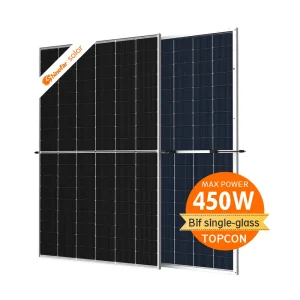
For multi-megawatt projects, reducing Levelized Cost of Energy (LCOE) is the primary objective. Using bifacial modules with up to 730W output allows developers to capture reflected light from the ground (albedo effect), increasing energy yields by up to 25% compared to monofacial installations. This significantly improves the project's return on investment.
To ensure reliability and satisfy financing requirements, global solar projects must meet strict international standards. Halkirk Solar implements rigorous testing protocols across our production lines. Every module undergoes double EL testing—both before and after lamination—to detect microcracks, cold solder joints, or cell mismatches that are invisible to the naked eye.
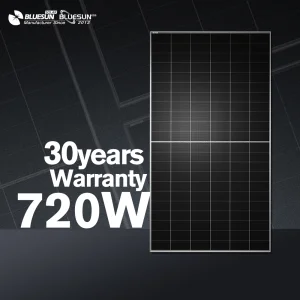
Our products are designed to meet diverse regional standards (IEC, CE, TUV, UL), ensuring smooth installation and grid connection processes. We back our utility-grade modules with a comprehensive 30-year linear performance warranty, ensuring long-term yield stability for project developers and financial backers.
The photovoltaic sector continues to advance rapidly. Over the next five years, N-Type TOPCon and Heterojunction (HJT) technologies will establish themselves as the primary industry standards, replacing older p-type PERC structures. Meanwhile, Perovskite-Silicon tandem cells are emerging as a key development to watch, with potential laboratory efficiencies exceeding 30%.
Furthermore, modern solar modules are increasingly designed with circular economy principles in mind, focusing on recyclable encapsulation materials and lead-free ribbon connections. Halkirk Solar remains committed to sustainable manufacturing, continually refining our processes to reduce the carbon footprint of our operations.
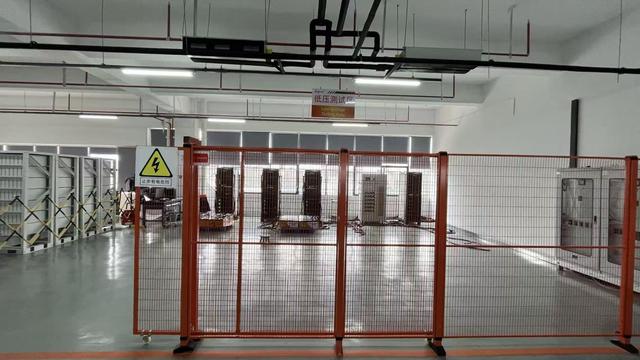
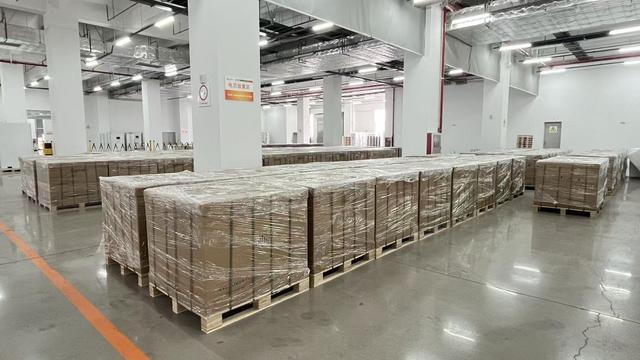
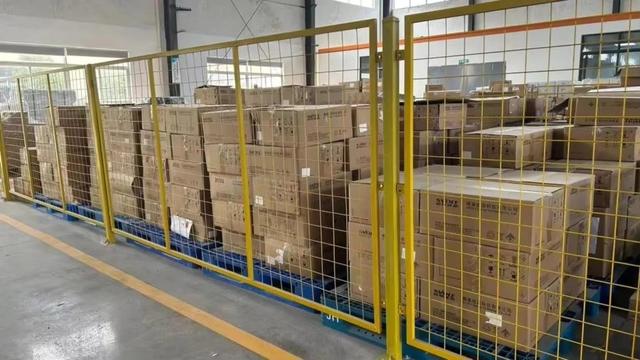
Witness our state-of-the-art production floor, testing chambers, and clean-room manufacturing capabilities.

Get answers to key technical, logistical, and customization questions about our solar modules.
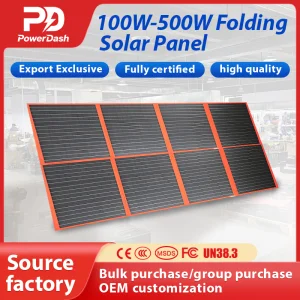
Explore our high-performance off-grid arrays, flexible modules, and utility-scale double-sided bifacial modules.
 Halkirk Solar