Industrial-grade bifacial panels, hybrid off-grid inverters, and plug-and-play energy storage solutions engineered for resilience.
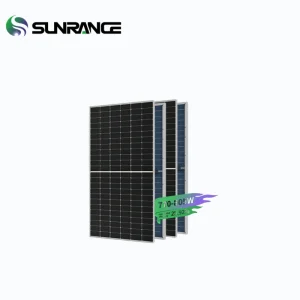
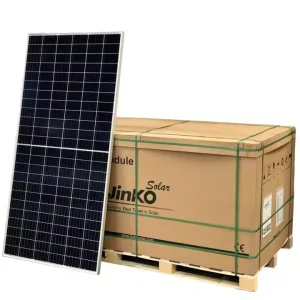
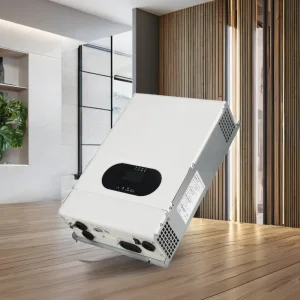
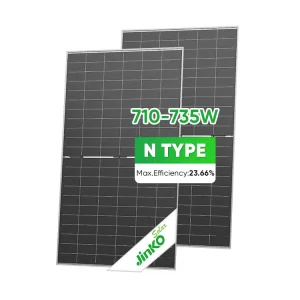
Analyzing technical transitions from standard PV architectures to extreme-efficiency microgrids.
The global energy landscape is undergoing a paradigm shift. Decentralized utility architectures are transitioning rapidly from basic emergency backup generation to sophisticated, primary energy supply structures. Modern off-grid solar systems are no longer isolated projects for rural electrification; they represent highly optimized microgrids integrated with high-capacity storage, real-time energy management systems (EMS), and smart power electronics. This shift is primarily driven by the escalating demand for grid stability in industrial regions, combined with the extreme cost efficiency offered by modern photovoltaics.
Technologically, the industry has experienced a massive evolution from traditional P-type PERC cell technologies to high-density N-type TOPCon (Tunnel Oxide Passivated Contact) and HJT (Heterojunction Technology) crystalline cells. N-type modules possess inherent material advantages: they suffer from near-zero Light-Induced Degradation (LID), exhibit a superior temperature coefficient (down to -0.26%/°C), and offer bifaciality factors exceeding 80-85%. This translation translates directly into increased annual yield, particularly in high-temperature environments typical of remote off-grid installations.
Understanding regional compliance, technical benchmarks, and customization paths for global EPCs.
For international procurement managers, EPC contractors, and wholesale distributors, sourcing off-grid solar equipment involves strict adherence to structural safety standards, grid compliance protocols, and harsh environmental certification frameworks. In regions such as North America and the European Union, standard PV components must comply with certifications like CE, TUV, UL, and ETL. In addition, marine environments require salt mist corrosion protection (IEC 61701), and heavy dust zones require ammonia resistance certification (IEC 62716).
Furthermore, system component compatibility is critical. A standard B2B procurement request no longer specifies just "solar panels" or "batteries." Modern requirements focus heavily on complete system integrations: matching high-voltage hybrid inverters (e.g., 48V, 96V, or higher DC buses) with advanced LiFePO4 battery modules equipped with intelligent CAN/RS485 communication protocols. This ensures smooth operations, safe thermal runaway management, and continuous remote monitoring via cloud networks.
Verification of TUV, CE, ETL, and UL compliance guarantees product entry and grid-interconnection eligibility in highly regulated global markets.
Smart protocols (CAN/RS485) linking high-efficiency hybrid inverters to high-capacity storage modules, facilitating long-term thermal safety.
Optimized systems supporting scalability, allowing users to hot-swap batteries, add micro-inverters, or expand PV capacity seamlessly.
How automation, silicon-wafer quality integration, and raw material positioning drive global solar supply stability.
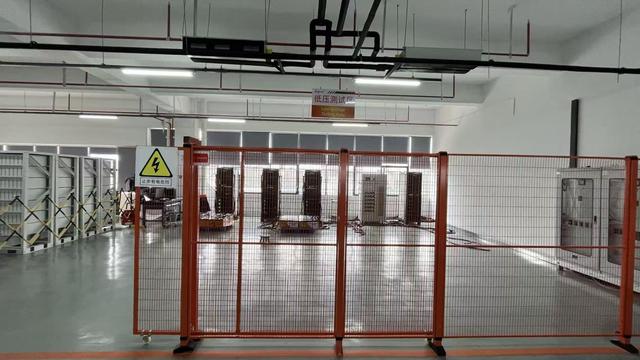
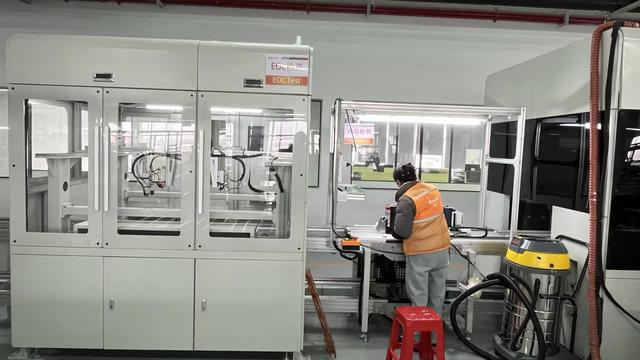
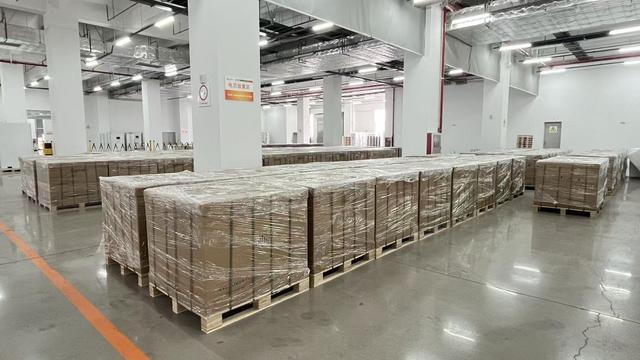
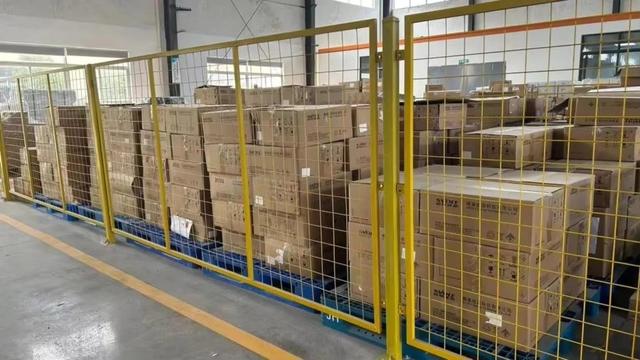
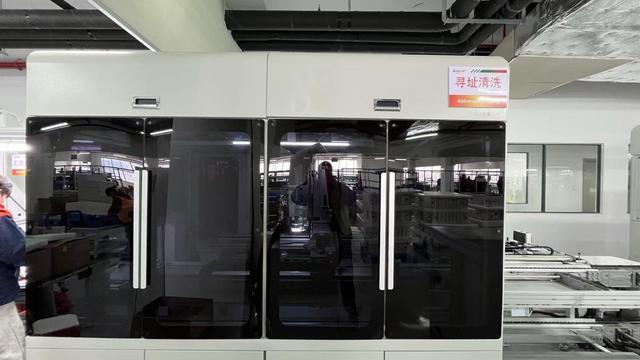
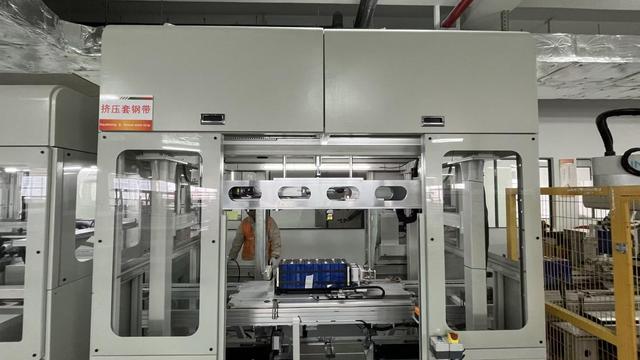
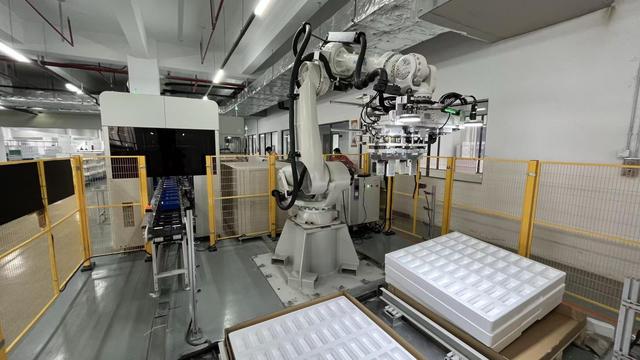
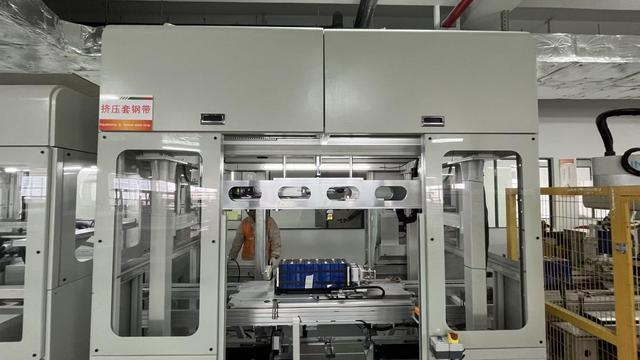
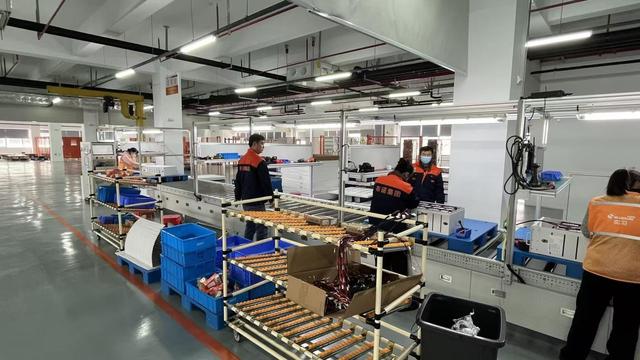
China's PV manufacturing dominance is not merely a matter of scale; it is an achievement of vertical integration and technological execution under the Factory 4.0 paradigm. Modern manufacturing plants utilize completely automated cell-cutting, busbar welding, and dual-glass lamination procedures. In regions like Ningbo, factories are integrated into highly specialized logistics corridors adjacent to global deepwater ports. This guarantees raw material access (from raw polysilicon to customized structural steel and junction boxes) and minimizes international lead times.
Automated visual inspection using AI-powered EL (Electroluminescence) testing is now standard. Each module undergoes double EL testing—both before and after lamination—to eliminate micro-cracks, soldering anomalies, or diode failures that could cause hot-spot degradation in the field. This level of quality control ensures that high-volume shipments remain uniform, stable, and highly performant over their standard 30-year operational lifespan.
An Industry Leader in High-Efficiency Solar Panel Production & Customized Photovoltaic Engineering.
Ningbo Halkirk Solar Co., Ltd. is a professional China solar panel manufacturer and monocrystalline & bifacial solar module supplier, dedicated to delivering high-efficiency renewable energy solutions to customers worldwide. Located in Ningbo, China, the company integrates research and development, manufacturing, quality control, and global sales to provide reliable solar products for residential, commercial, industrial, and utility-scale applications.
Halkirk Solar specializes in the production of monocrystalline solar panels, bifacial solar modules, TOPCon solar panels, N-type solar modules, off-grid solar solutions, on-grid solar systems, and customized photovoltaic products. Leveraging advanced cell technology and intelligent manufacturing processes, our products are designed to maximize energy output, improve conversion efficiency, and ensure long-term performance in diverse environmental conditions.
To better serve international customers, Halkirk Solar offers flexible OEM and ODM services for solar brands, distributors, EPC contractors, wholesalers, and project developers. Our experienced engineering and technical teams work closely with clients to deliver customized solar solutions tailored to specific project requirements, market demands, and branding needs. Driven by innovation, sustainability, and customer satisfaction, Ningbo Halkirk Solar Co., Ltd. continues to expand its presence in global markets. We strive to become a trusted partner in the photovoltaic industry by providing high-quality solar modules and comprehensive clean energy solutions that contribute to a greener and more sustainable future.
Real-world integration models for industrial, residential, and portable operations.
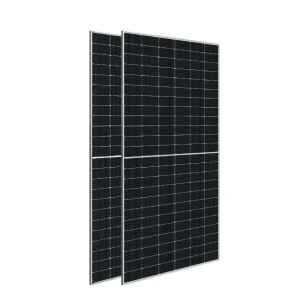
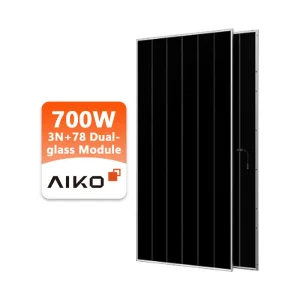
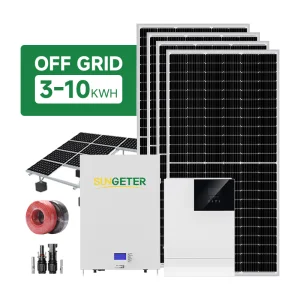
Deploying heavy-duty 700W+ bifacial modules in mining operations or oil fields. Combined with large scale hybrid inverters to substitute diesel generation and optimize long-term operational costs.
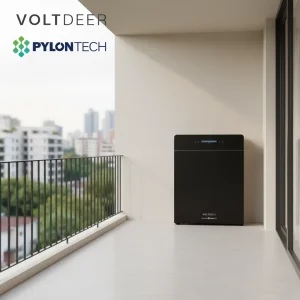
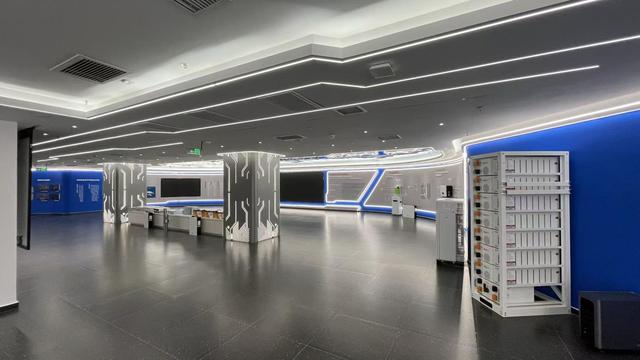
Optimized for urban residential properties. Features 5.12kWh plug-and-play lithium battery structures connected directly to compact grid-interactive balcony PV modules to manage peak tariffs.
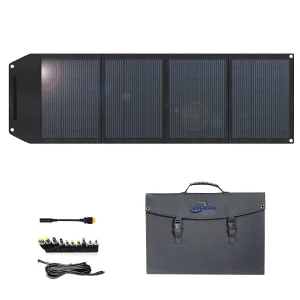
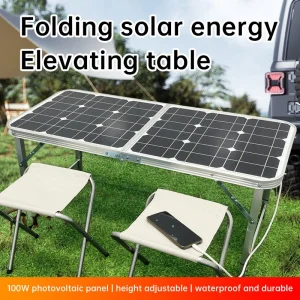
Lightweight 100W-200W foldable PV suitcases configured with IP68 waterproof protection, designed for mobile telecommunication systems, off-grid research camps, and rapid-response disaster relief.
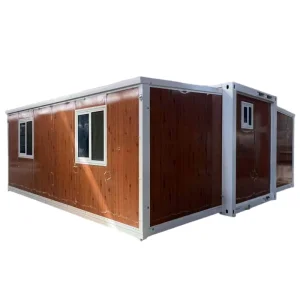
Complete scale installations, high-capacity hybrid modules, and robust structures built to withstand extreme loads.
Expert engineering insights regarding off-grid solar deployments and procurement optimization.
 Halkirk Solar