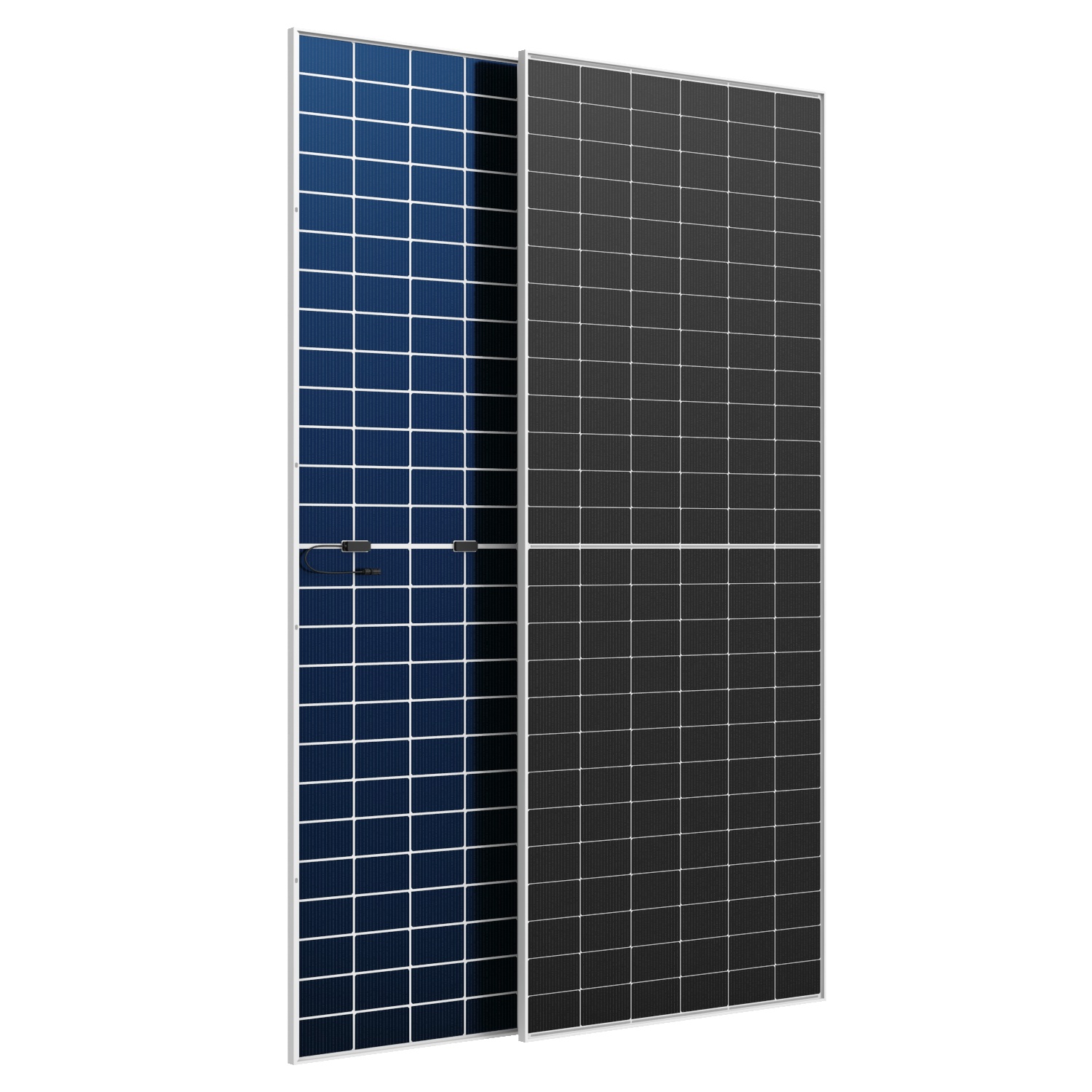
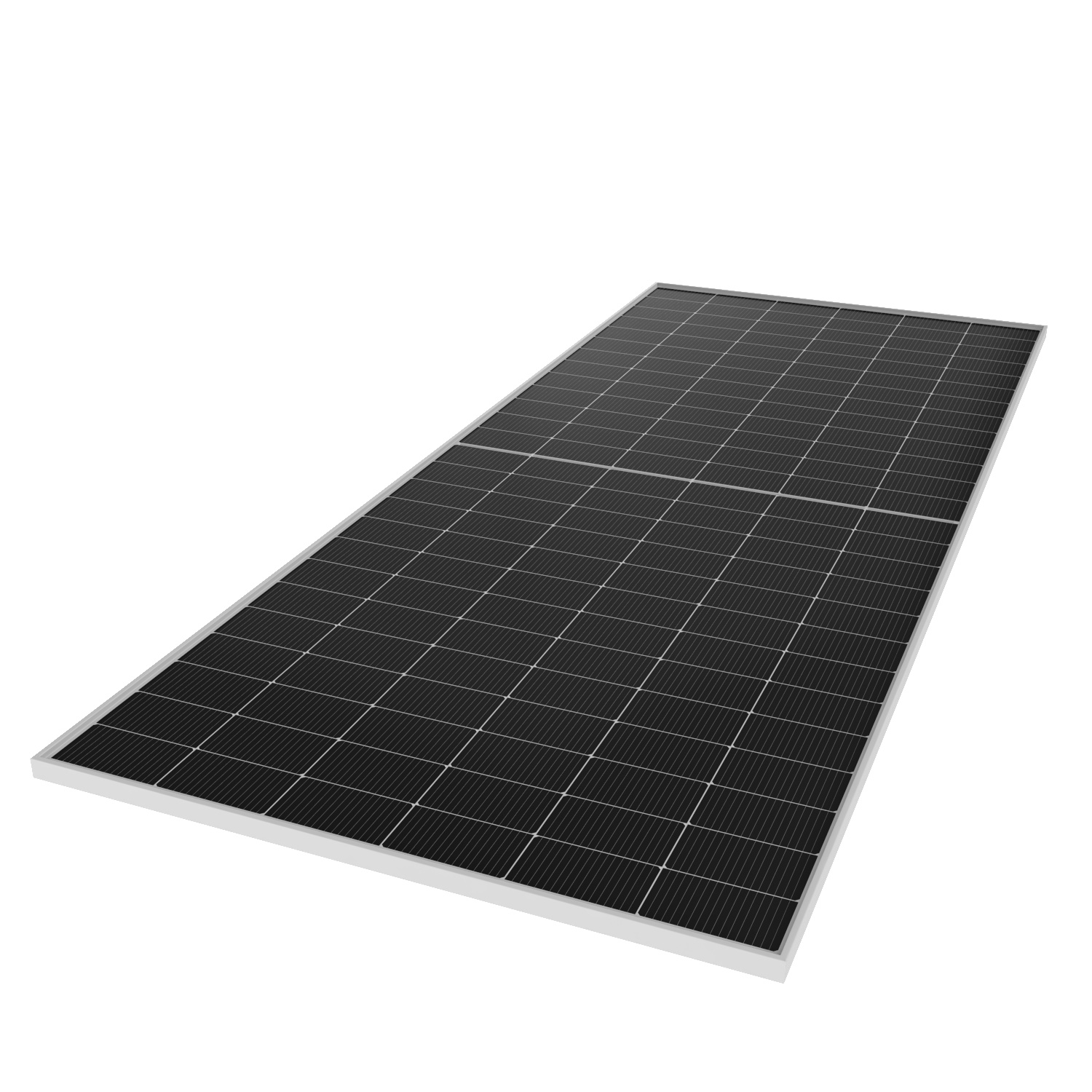
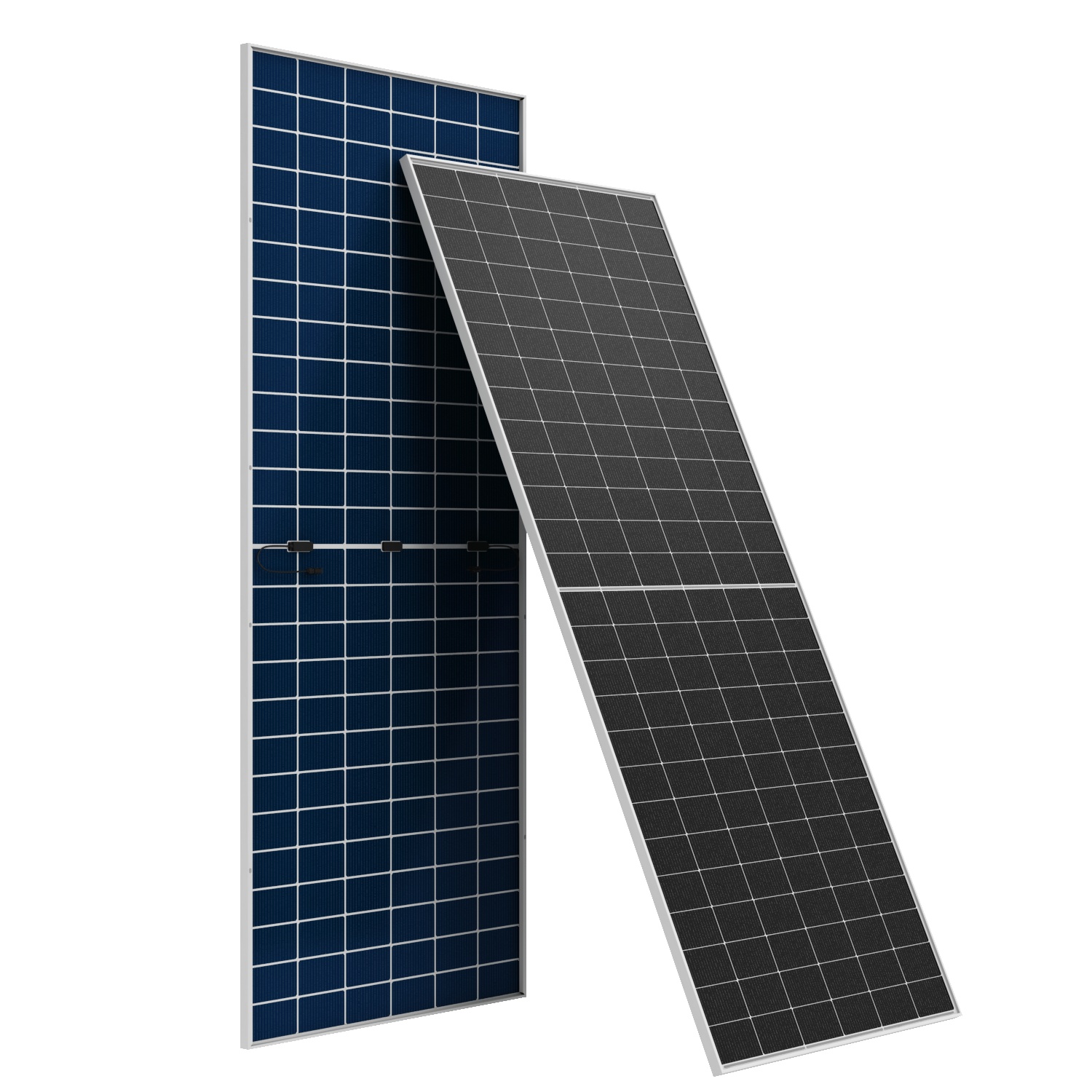
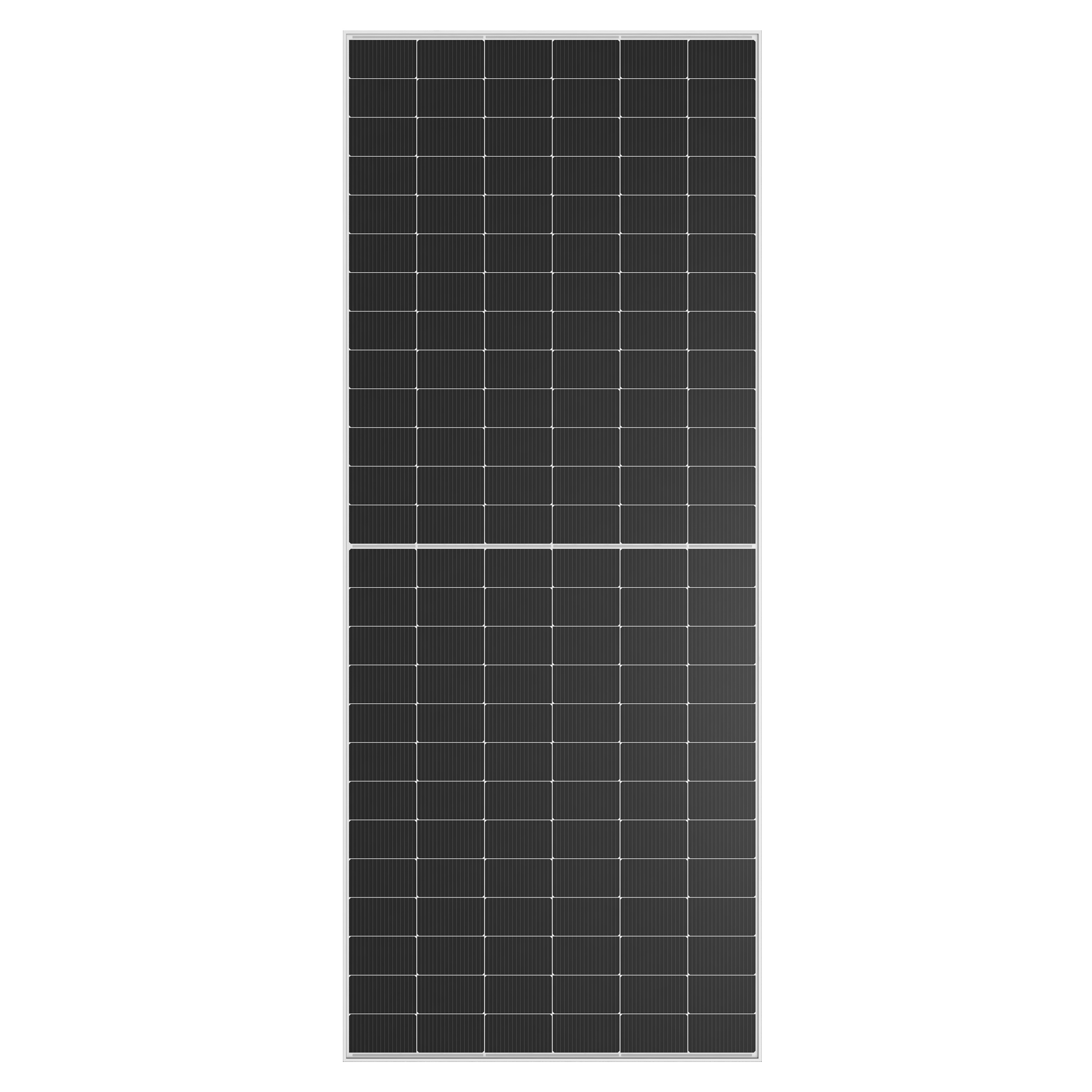
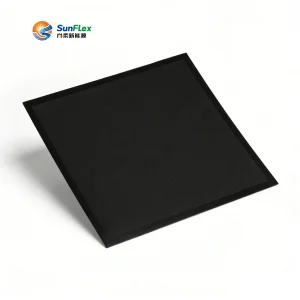
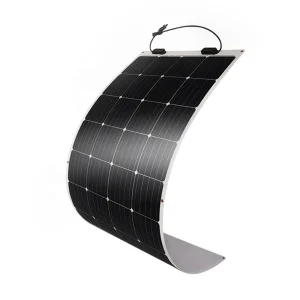
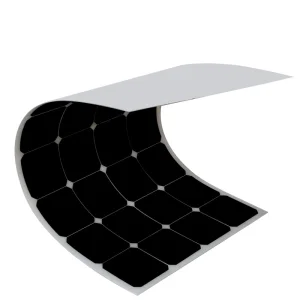
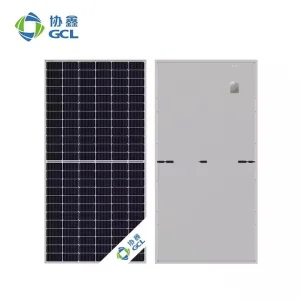
Solar 200Ah Bifacial Flexible Photovoltaic Module 620-640W High Efficiency Racked Mounted for Plant Use

Product Description

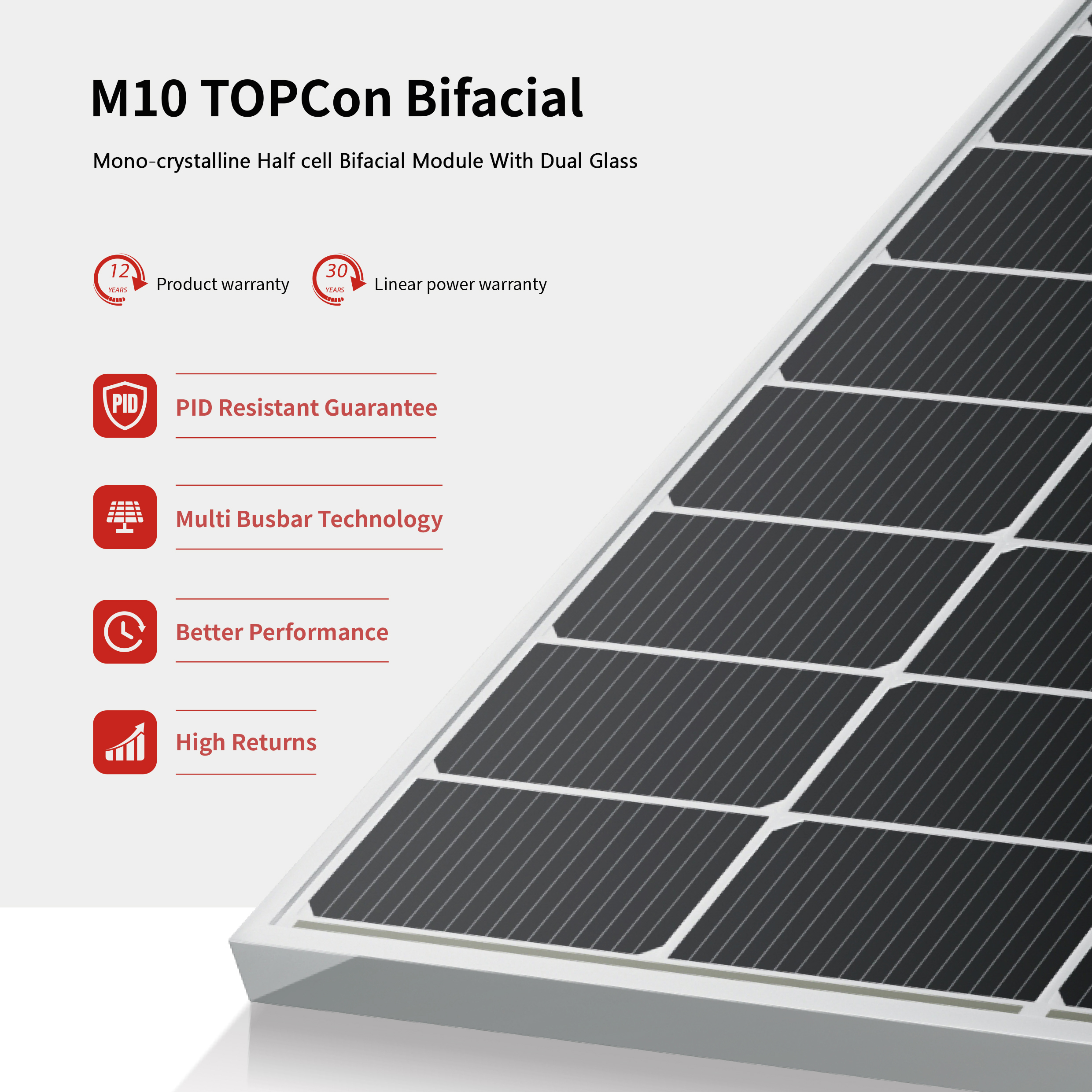
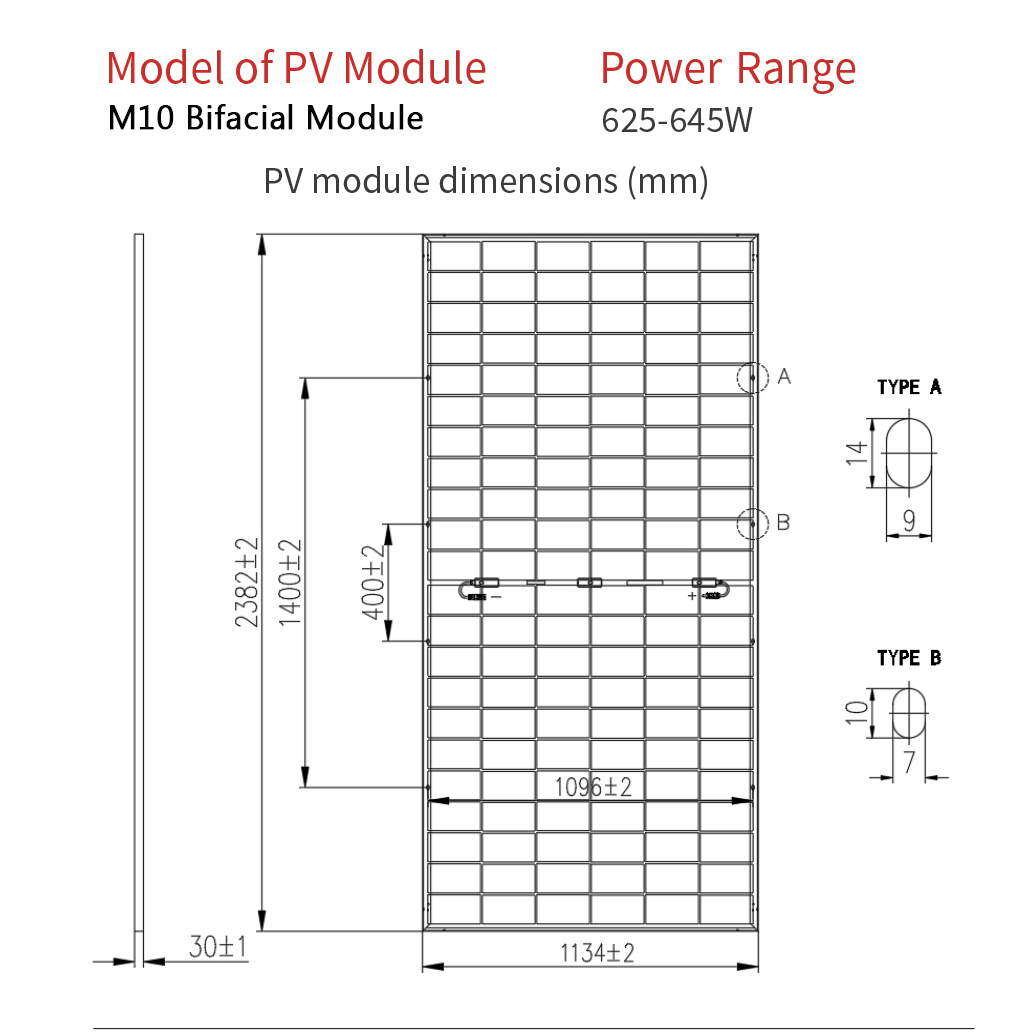
M10 Mono-crystalline Half cell Bifacial Module With Dual Glass
Product Parameters
Module Type: M10 Mono-crystalline Half cell Bifacial Module With Dual Glass 620T 625T 630T 635T 640T
Maximum Power (Pmax/w) 620 625 630 635 640
Maximum Power Voltage (Vmp/V) 46.2 46.3 46.63 46.96 47.16
Maximum Power Current (Imp/A) 13.42 13.5 13.51 13.52 13.57
Open-circuit Voltage (Voc/V) 55.2 55.3 55.43 55.5 55.57
Short-circuit Current (Isc/A) 14.17 14.25 14.32 14.37 14.42
Module Efficiency STC (%) 22.18 22.36 22.54 22.72 22.9
Operating Temperature(°C) -40°C~+85°C
Maximum system voltage 1500VDC (IEC)
Maximum series fuse rating 30A
Power tolerance 0~+3%
Temperature coefficients of Pmax -0.29%/°C
Temperature coefficients of Voc -0.25%/°C
Temperature coefficients of Isc 0.045%/°C
Refer. Bifacial Factor 80±5%
Products Description
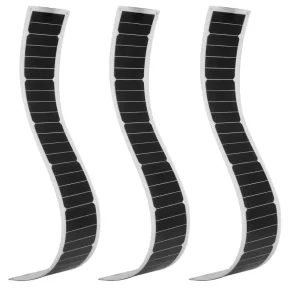
Product Image 1
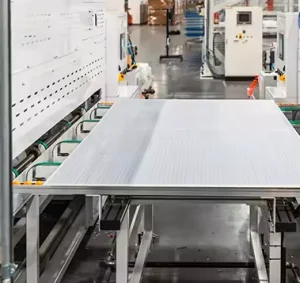
Product Image 2
Company Profile
Company Profile Image 1
Company Profile Image 2
Company Profile Image 3
Certifications
Certifications Image
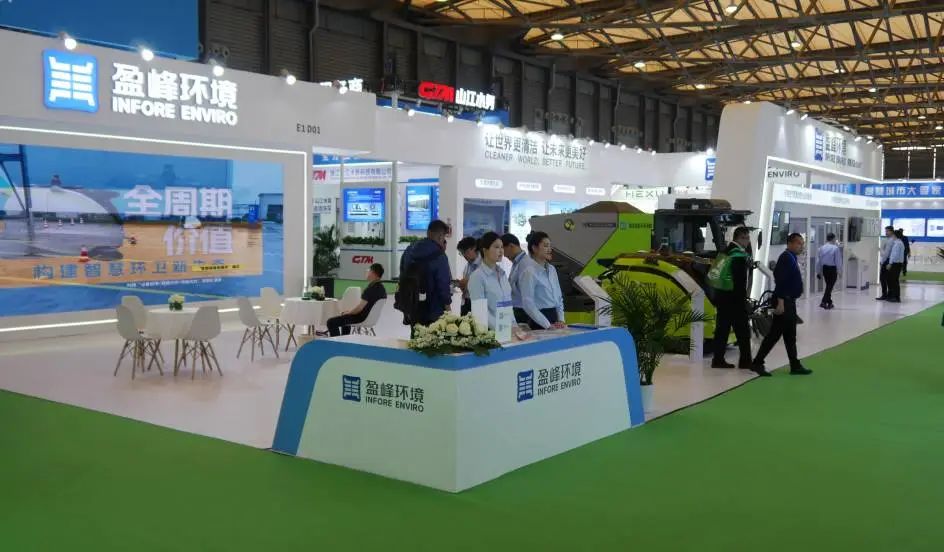
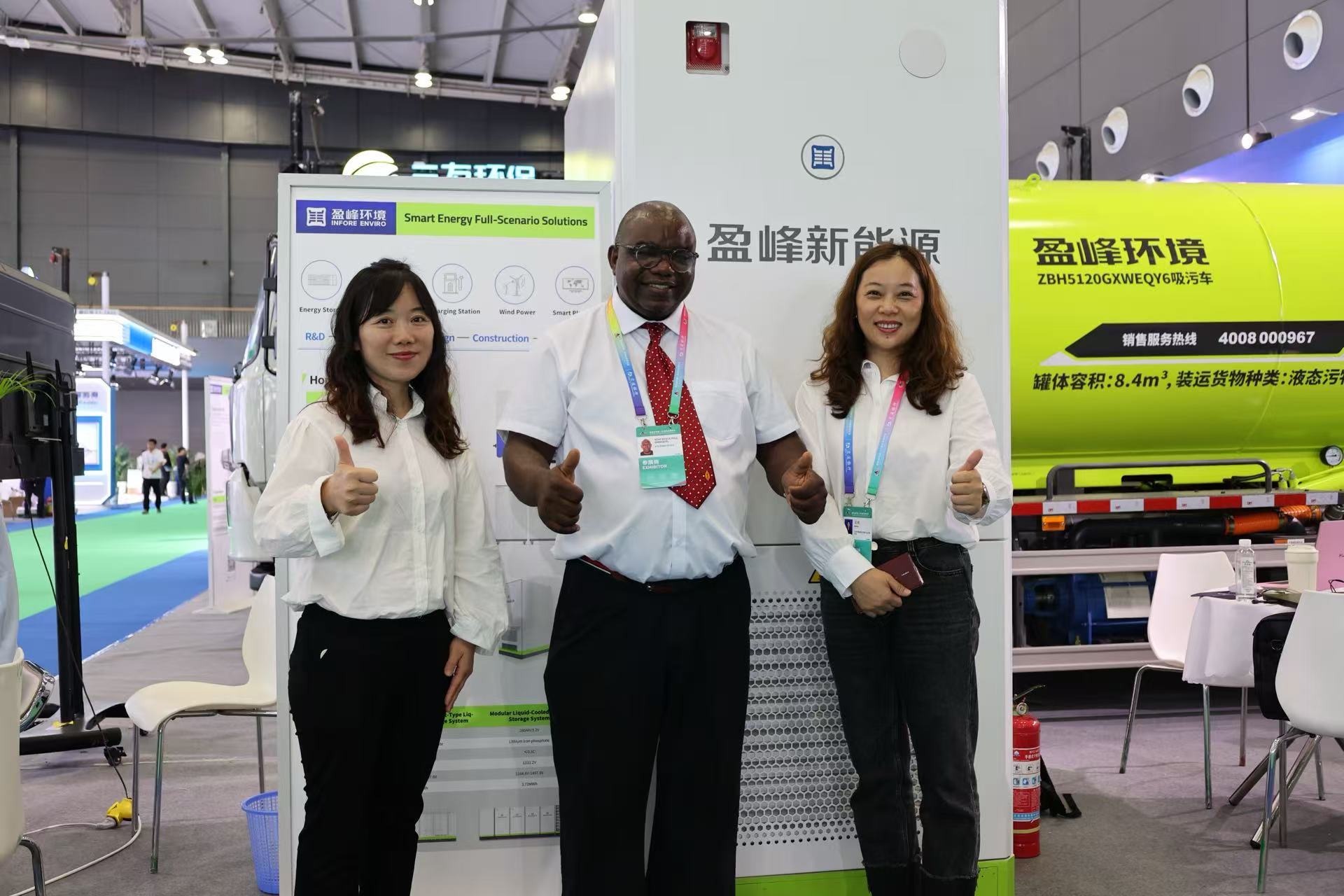
Exhibition
Exhibition Image 1
Exhibition Image 2
Exhibition Image 3
2025.4.21 IE Expo
2025.5 CICEE Expo
2025.6.12 CAETE 2025
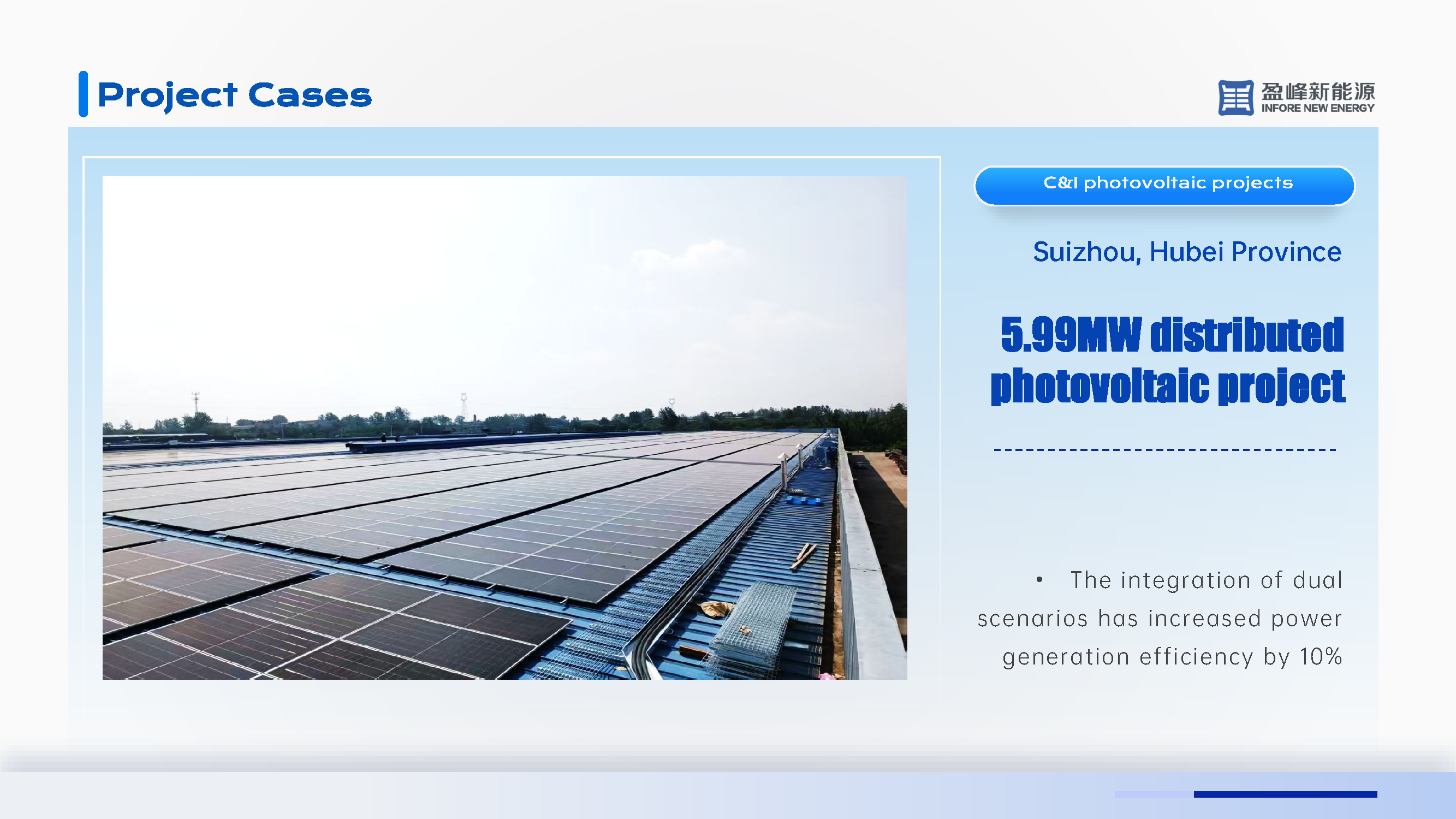
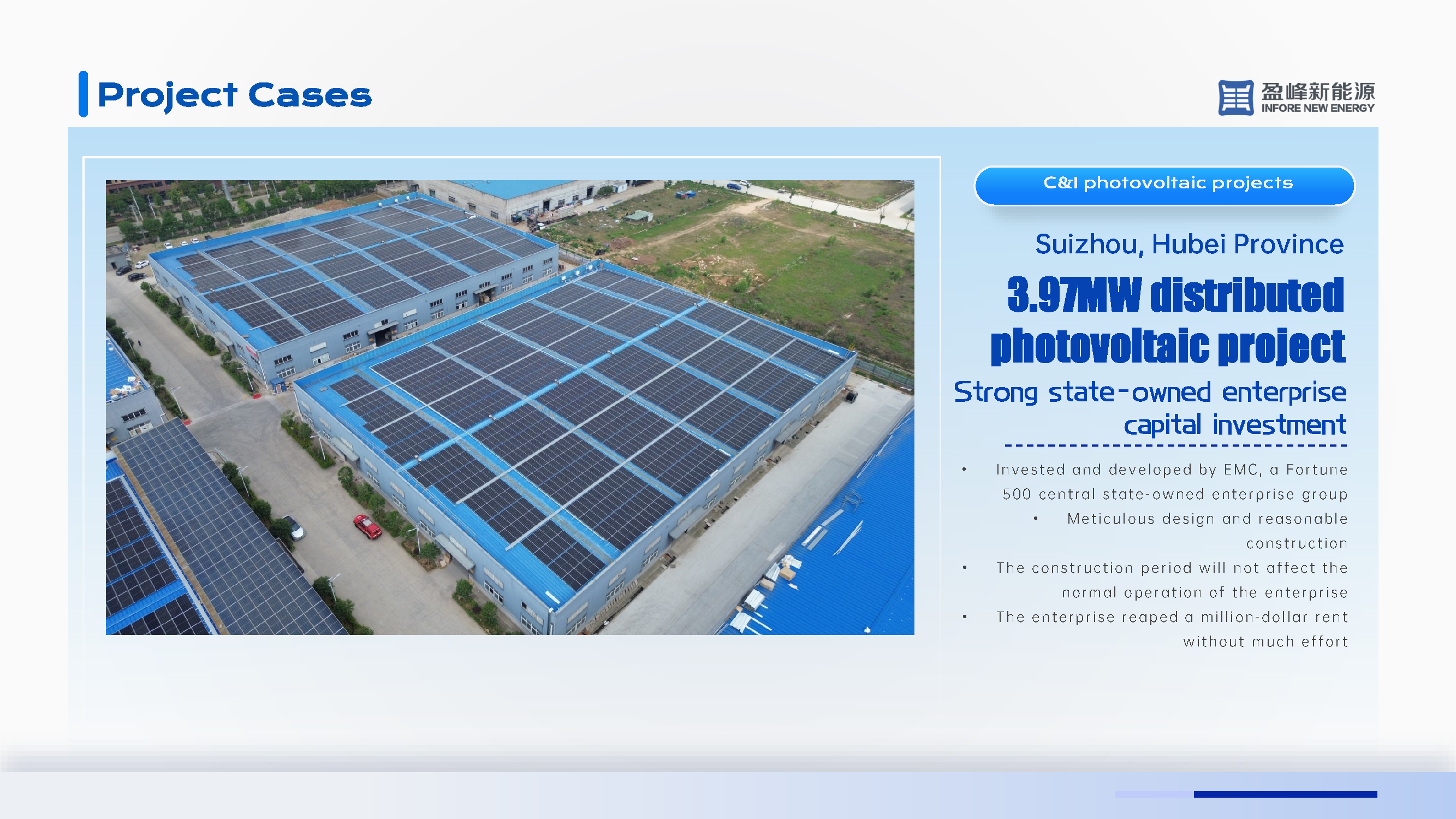
Our Projects
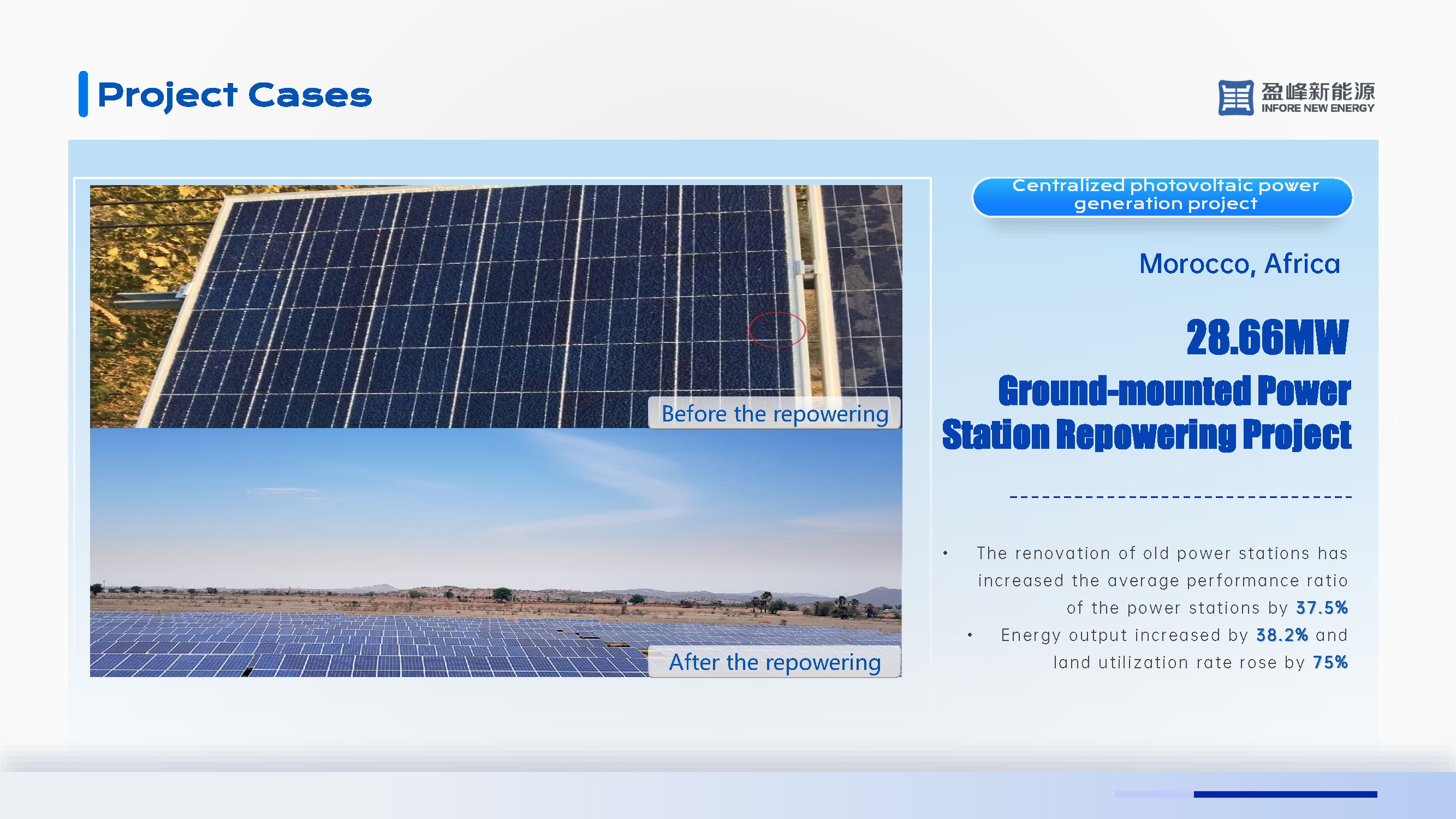
Project Image 1
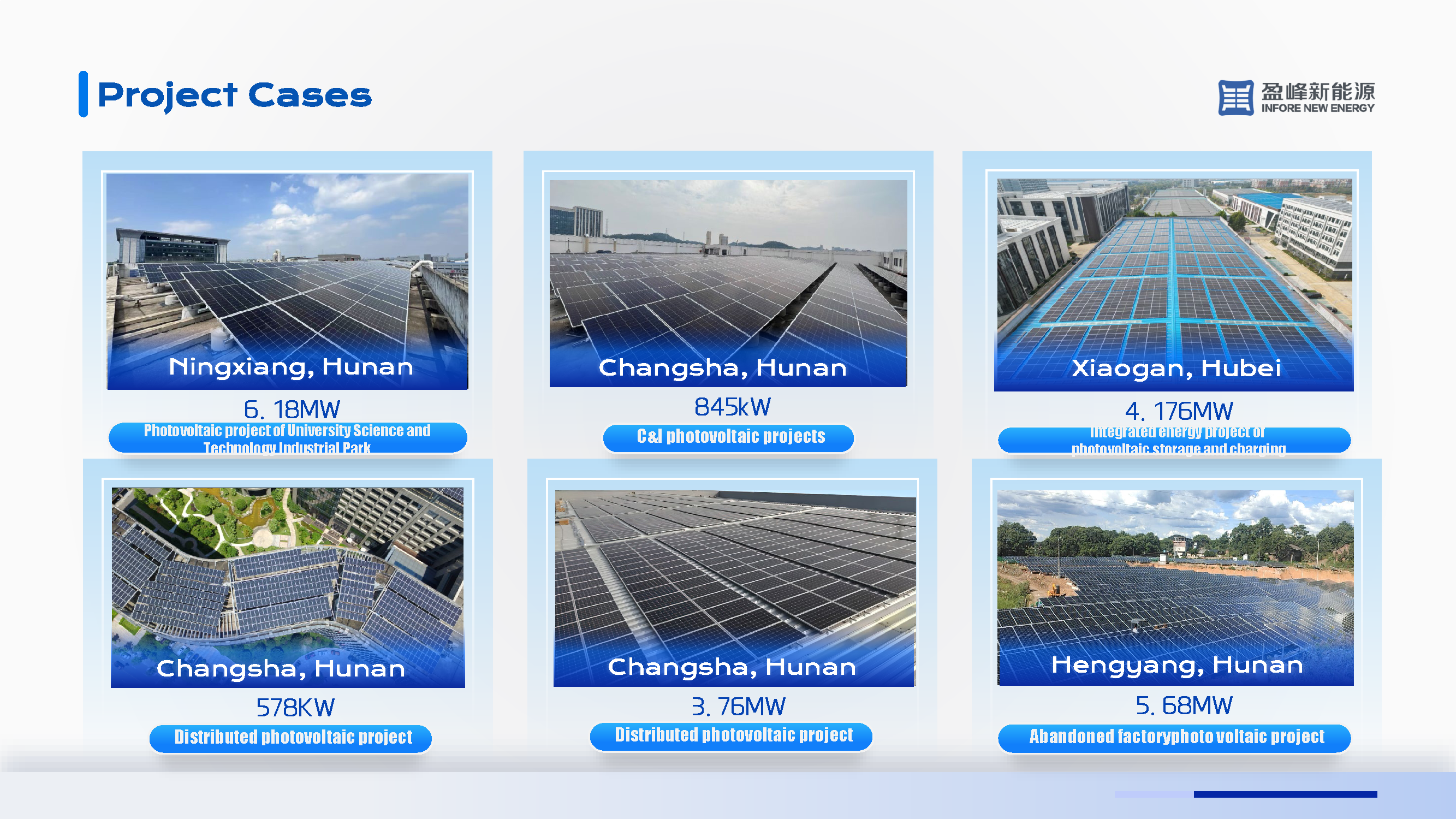
Project Image 2
Project Image 3
Project Image 4
Frequently Asked Questions (FAQ)
What are the advantages of M10 Mono-crystalline Half-cell Bifacial Modules?
M10 Half-cell Bifacial Modules feature lower resistance, reduced power loss, and better thermal performance. The bifacial structure allows generation from both sides, significantly improving energy yields compared to traditional monofacial panels.
How does the Dual Glass configuration benefit the installation?
Dual Glass provides superior mechanical strength and excellent resistance to harsh environmental factors such as sand, acid, salt spray, and ammonia. It also drastically reduces Potential Induced Degradation (PID) and moisture ingress.
What does the Bifacial Factor represent?
The Bifacial Factor measures the performance ratio of the rear side relative to the front side. With a factor of 80±5%, the back of the module is highly efficient at capturing reflected light from the ground (albedo) to generate additional power.
What is the significance of the low temperature coefficient?
With a temperature coefficient of -0.29%/°C for Pmax, these modules experience minimal degradation in power output as temperatures rise, ensuring stable energy production even in hot tropical environments.
What is the maximum system voltage allowed for these modules?
These modules support a maximum system voltage of 1500VDC (IEC), which allows for longer string designs, reducing BOS (Balance of System) costs for large-scale utility and industrial installations.

Related Products