Halkirk Solar
1 / 5
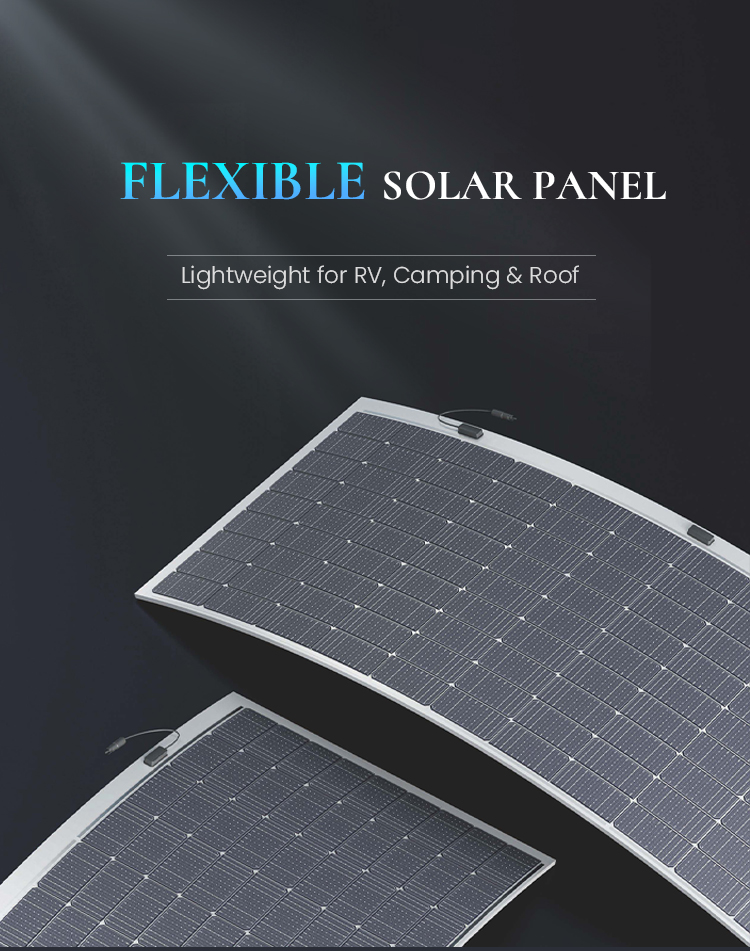
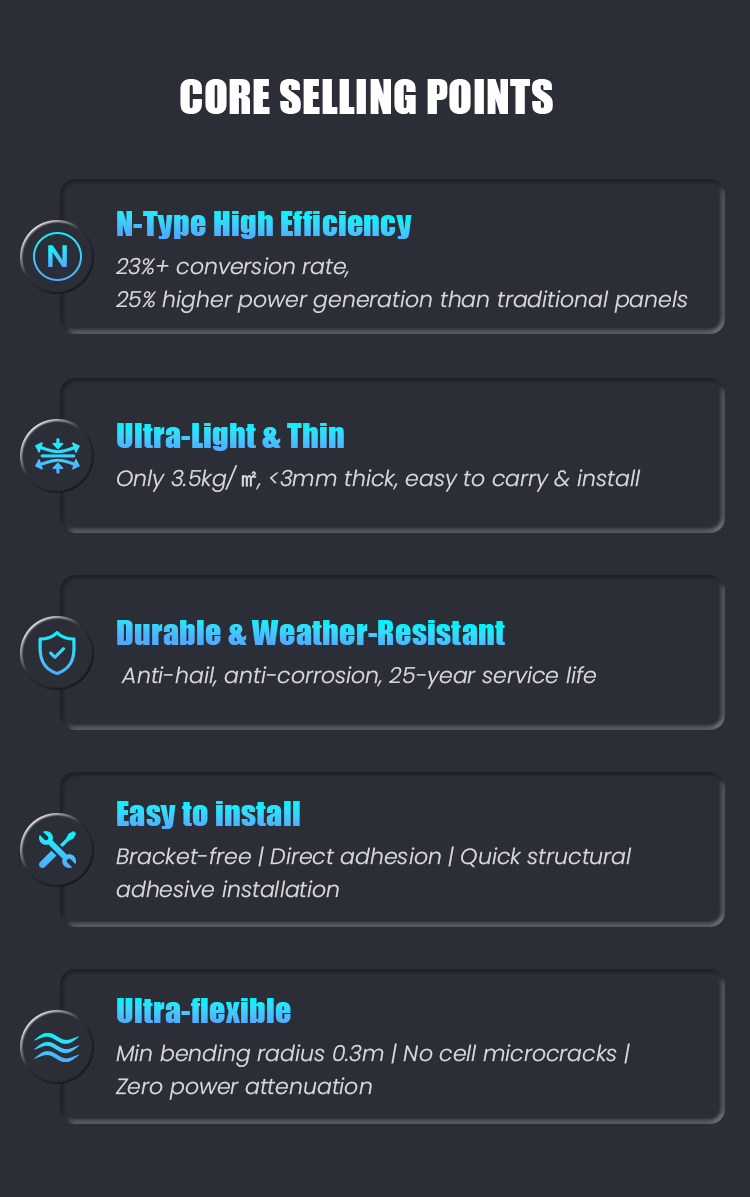
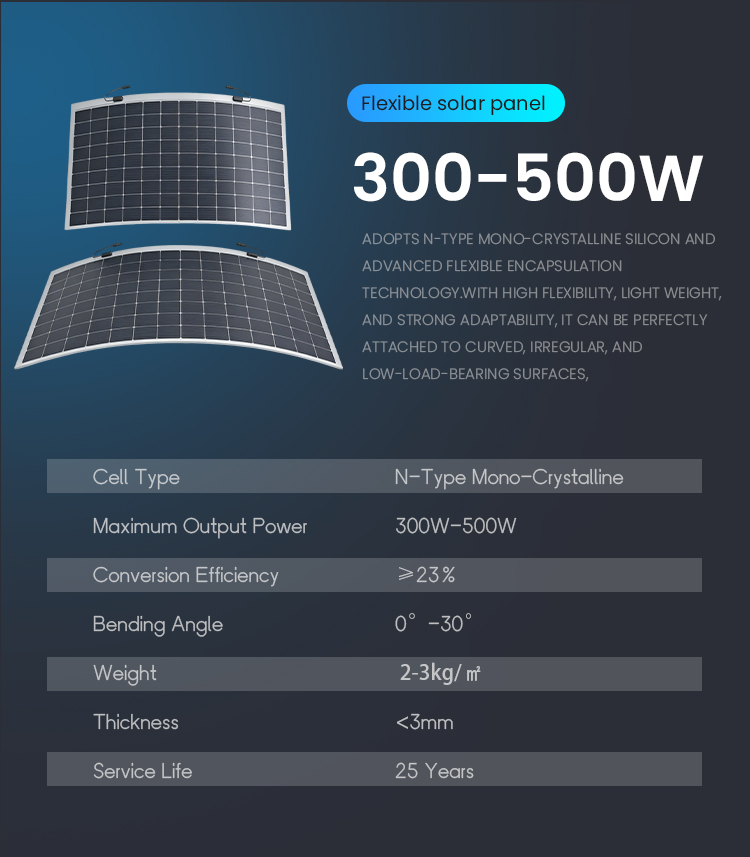
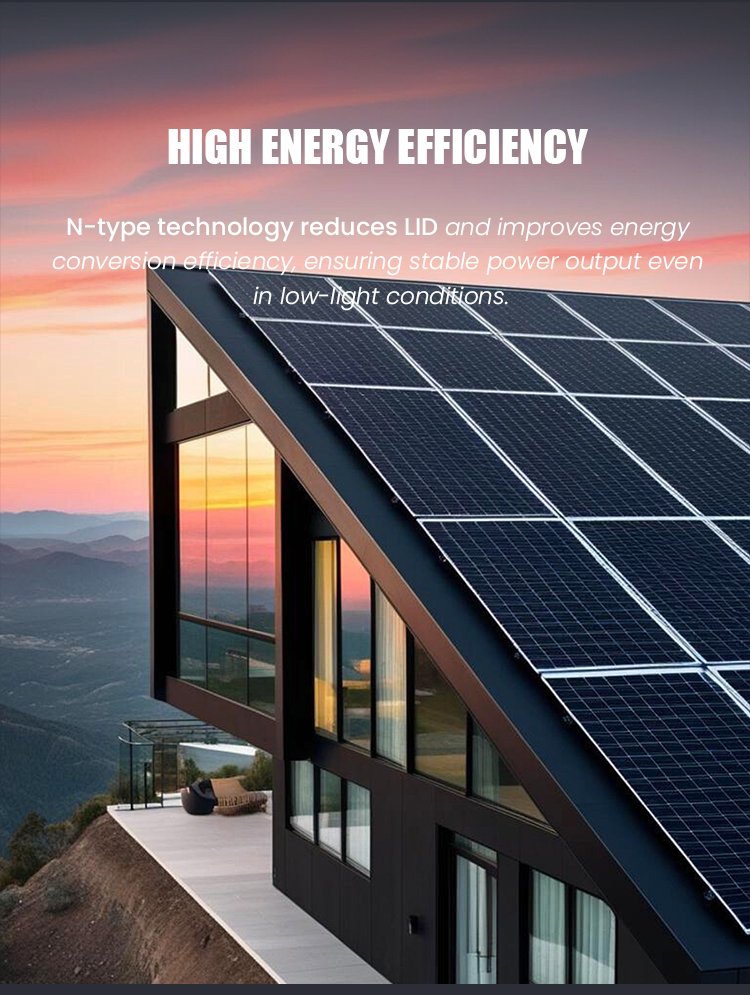
Solar panels generate electricity by utilizing photovoltaic (PV) cells to absorb sunlight. This light absorption creates an electrical field across the cells, causing electricity to flow as direct current (DC), which is then converted to alternating current (AC) for standard use.
Yes, solar panels can still produce electricity on cloudy or rainy days, although their output will be lower compared to direct sunny conditions. They utilize both direct and diffuse sunlight to generate power.
Most high-quality solar panel systems are designed to last between 25 to 30 years. Regular maintenance and proper installation ensure the panels operate at optimal efficiency throughout their lifecycle.
Solar panels require very little maintenance since they have no moving parts. Periodic cleaning to remove dust, leaves, and debris, along with an annual inspection, is generally sufficient to keep them running efficiently.
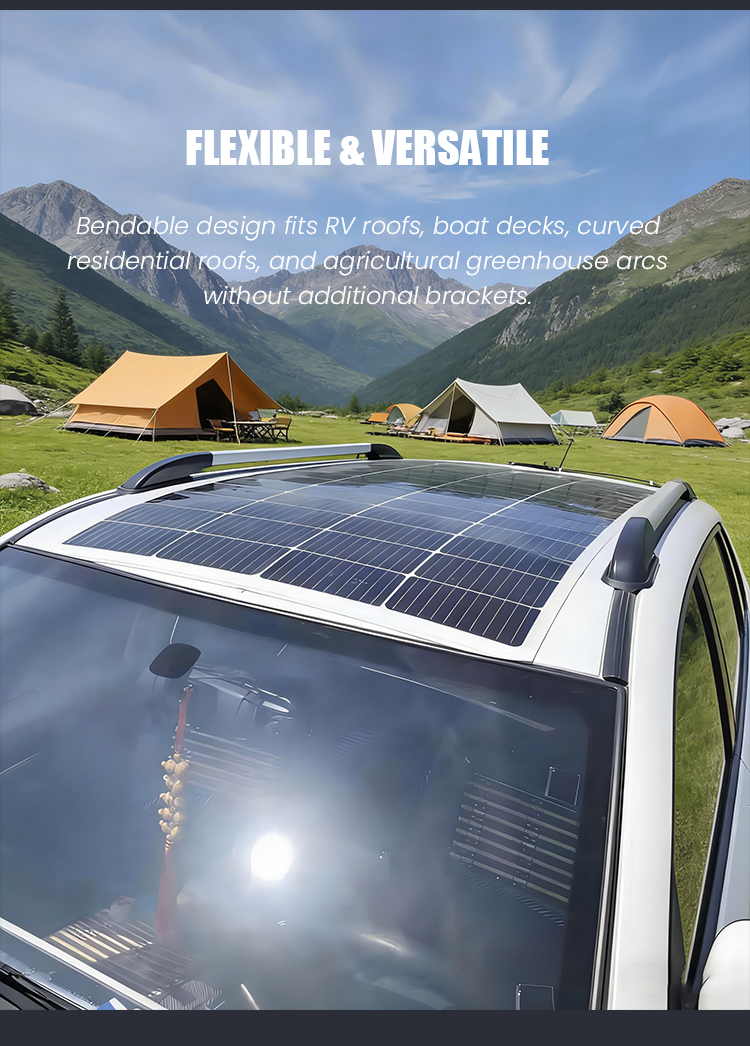
Yes, solar power installations can be fully customized and scaled according to the energy needs, structural limits, and geographical orientation of different residential, commercial, or industrial applications.