Halkirk Solar
Strategic Dynamics of CE-Certified PV Assets in Global Green Financing
In the modern renewable energy landscape, the alignment between photovoltaic technology quality and institutional green capital is paramount. To secure long-term, non-recourse project funding from multilateral lenders and Tier-1 commercial banks, PV assets must prove not only structural integrity but strict regulatory alignment. Specifically, the Conformité Européenne (CE) mark, alongside certifications under IEC 61215 and IEC 61730, serves as the baseline technical compliance framework. It acts as the threshold verification indicating that a module safely satisfies European Union health, safety, and environmental protection directives.
For global engineering, procurement, and construction (EPC) contractors and sovereign developers, manufacturing origin and certified quality control are direct determinants of Bankability. High-efficiency components from established Chinese industrial hubs, such as Ningbo, utilize advanced automated micro-soldering, multi-busbar (MBB) configurations, and non-destructive laser cutting to reduce internal cell resistance and maximize Levelized Cost of Electricity (LCOE) efficiencies. As global ESG targets mandate massive scale, the bankability of these assets hinges directly on rigorous third-party certifications.
Securing project debt finance at favorable margins requires asset managers to demonstrate degradation rates below 0.4% annually, with minimal PID (Potential Induced Degradation) and LID (Light Induced Degradation). CE compliance proves that the component is robust against premature thermal failures, electrical leakage, and mechanical stress under varying weather cycles.
Key Structural Advantages of Ningbo's Advanced PV Manufacturing Hub
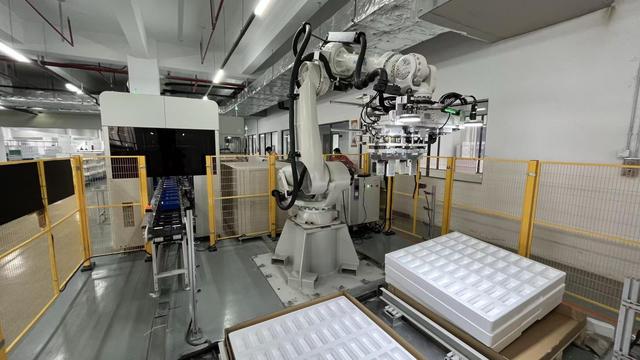
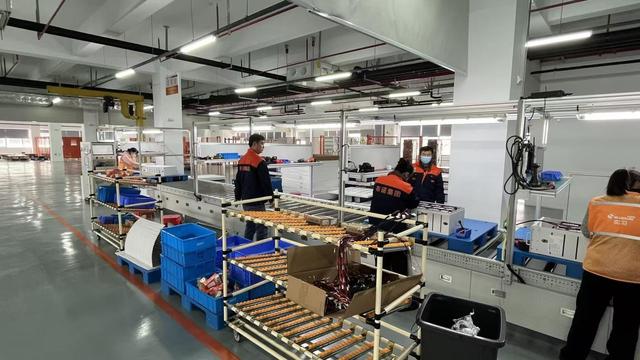
Ningbo, China, has evolved into a global powerhouse for advanced solar manufacturing due to a synergistic combination of state-of-the-art technological automation, geographical logistics efficiency via the Ningbo-Zhoushan Port, and deeply integrated raw material supply chains. Manufacturers located in this region, such as Ningbo Halkirk Solar Co., Ltd., exploit these unique parameters to deliver unparalleled cost-to-performance ratios.
Intelligent Automation
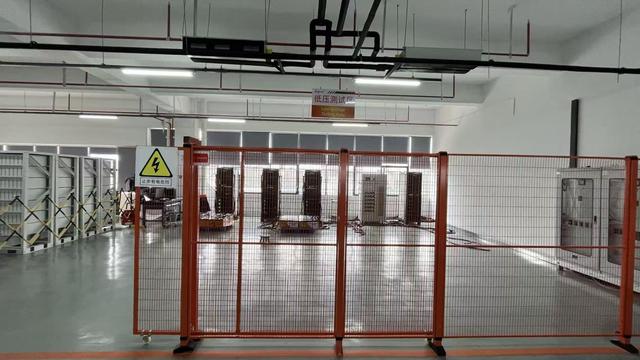
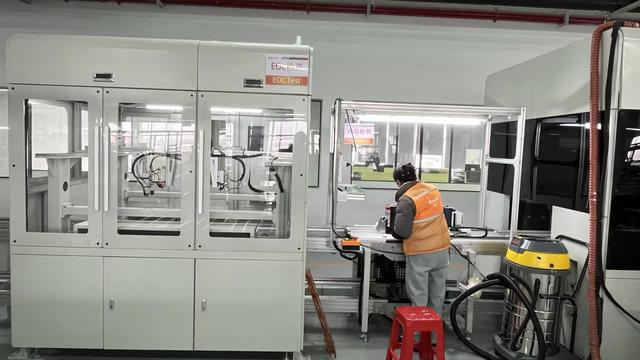
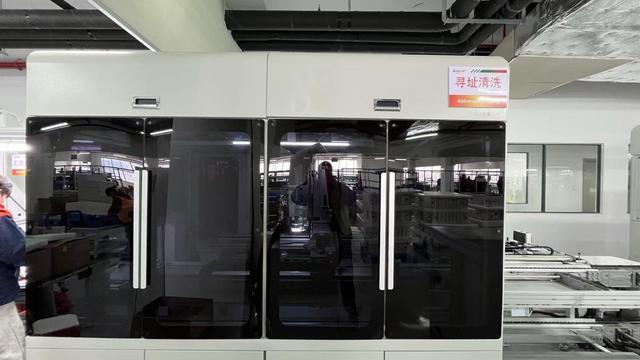
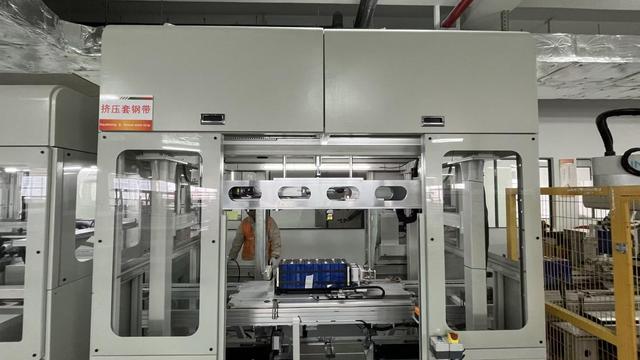
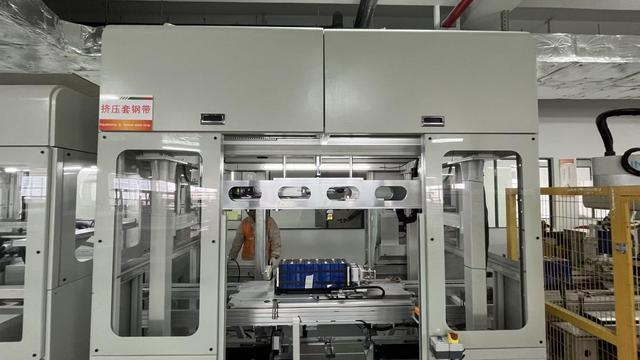
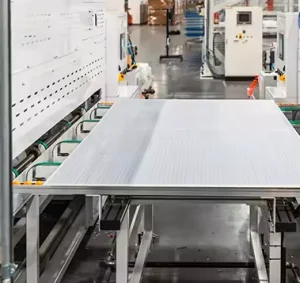
Integration of AI-driven EL (Electroluminescence) testing to spot micro-cracks before lamination, reducing field-failure rates.
Vertical Integration
Direct localized sourcing of key raw materials like EVA sheets, POE encapsulation, high-purity polysilicon, and solar glass.
Global Compliance
Strict design parameters adhering to CE, TUV, and RoHS standards, crucial for entering European and global markets.
This operational density ensures that the supply chain is highly resilient to macroeconomic shocks. The immediate proximity to glass factories, silicon processing facilities, and aluminum framing specialists allows Ningbo Halkirk Solar Co., Ltd. to fast-track OEM and ODM processing times. Consequently, project developers can significantly decrease their Balance of System (BOS) timelines, directly boosting cash flow dynamics during crucial engineering and commissioning phases.
Global Clean Energy Trends: N-Type TOPCon and Heterojunction (HJT) Dominance
The global solar sector is rapidly moving away from standard P-type PERC cells to N-type architectures, including Tunnel Oxide Passivated Contact (TOPCon) and Heterojunction (HJT) technologies. These advanced designs minimize recombination losses, provide superior temperature coefficients (-0.30%/°C to -0.26%/°C), and significantly elevate bifaciality factors up to 85%. This performance boost directly influences project economics, allowing global capital to finance arrays with higher energy densities and reduced space requirements.
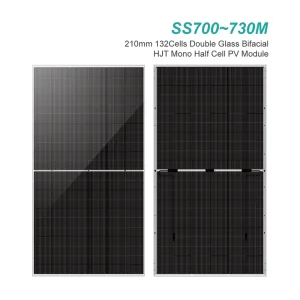
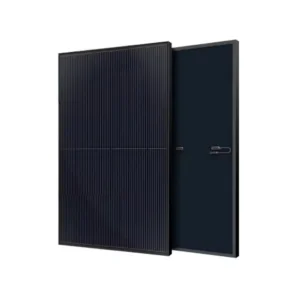
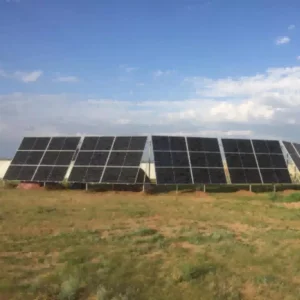
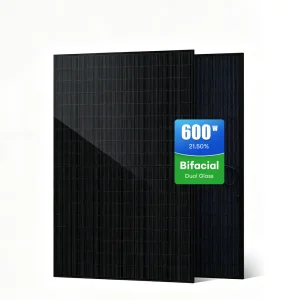
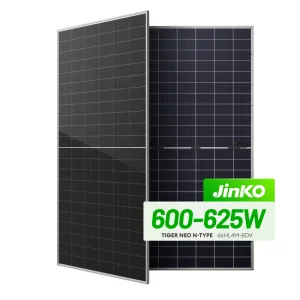
For instance, utility-scale modules like the HJT 700W+ panels and N-Type double-glass 600W+ modules generate substantially higher kilowatt-hour output per square meter over their 30-year operational life. Furthermore, double-glass encapsulation mitigates PID and ensures structural integrity in humid, saline coastal zones, or harsh desert projects, making these panels highly attractive to risk-averse institutional project financiers.
Localized Scenarios: Adapting Solar Technologies to Specific Regional Applications
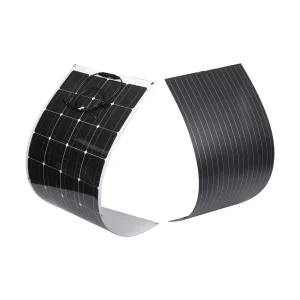
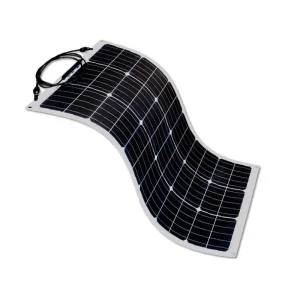
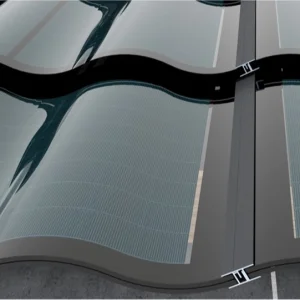
Different regional markets call for tailored engineering solutions. For example, in the European commercial and industrial (C&I) sector, spatial restrictions on factory roofs favor high-efficiency building-integrated PV (BIPV) solutions like solar roof tiles or lightweight flexible panels. These panels avoid structural load limits on older roofs while maintaining high energy yields.
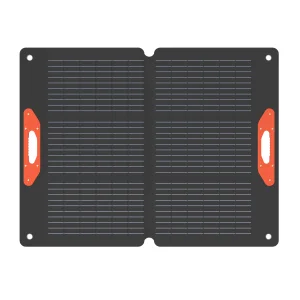
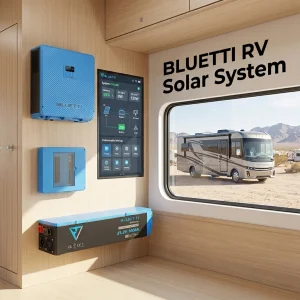
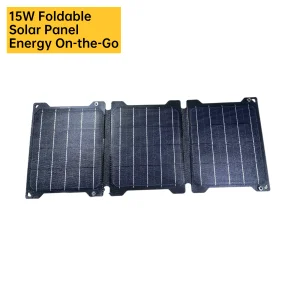
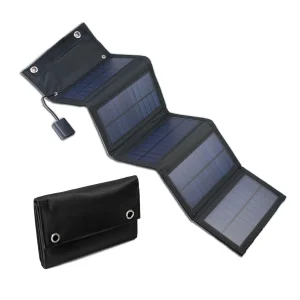
Conversely, off-grid storage integration in remote regions—such as standard mining operations or off-grid community hubs in Africa and Latin America—demands robust, integrated power systems. Systems like standard RV off-grid microgrids and portable foldable chargers address localized mobile communication, light transport, and decentralized energy needs. This highlights how localized application engineering can enhance energy accessibility and security globally.