Pioneering Next-Generation PV Solutions: Optimized Efficiency, Unrivaled Reliability, and Certified Engineering for Global Solar Procurement.
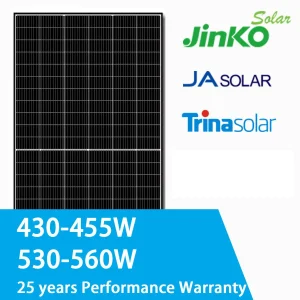
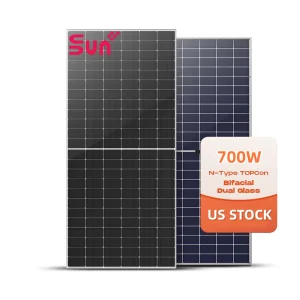
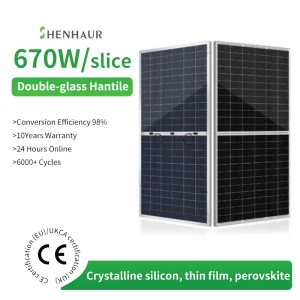
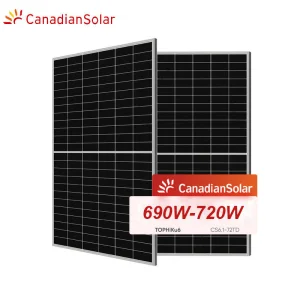
Decoding the shifts in cell architecture, microgrid controls, and dynamic load systems driving the next decade of PV design.
The global renewable energy sector has shifted decisively from simple solar harvesting to high-precision solar system optimization. Today, utility-scale developers and EPC contractors are no longer asking how many panels can fit on a site; they are asking how to optimize Levelized Cost of Energy (LCOE) through advanced cell engineering, dynamic tracking, and integrated smart control electronics. Optimization must happen at the atomic, module, and system levels to deliver robust financial returns over a 25-to-30-year operational lifecycle.
At the cell and module level, the transition from legacy p-type PERC structures to N-Type TOPCon (Tunnel Oxide Passivated Contact) and HJT (Heterojunction Technology) represents the most critical modernization step. N-Type substrates feature zero light-induced degradation (LID) and showcase a far superior temperature coefficient (down to -0.26%/°C for HJT vs -0.35%/°C for traditional cells). This thermodynamic stability ensures that system performance remains optimal even under extreme ambient temperatures, direct high irradiance, and complex field deployments.
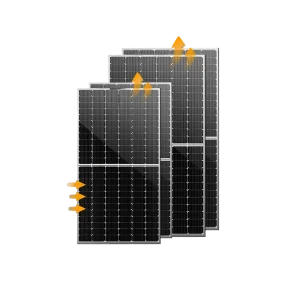
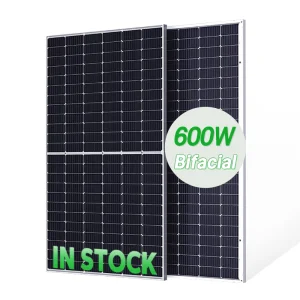
Sub-zero LID risk coupled with a high bifaciality factor (up to 85%), delivering elevated backend power yield in complex reflective environments.
Decoupling modules to eliminate mismatch losses, dust accumulation shading penalties, and varying structural orientations.
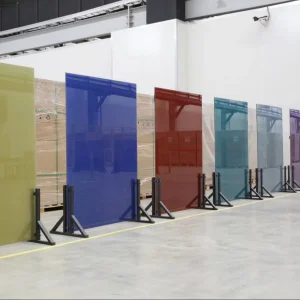
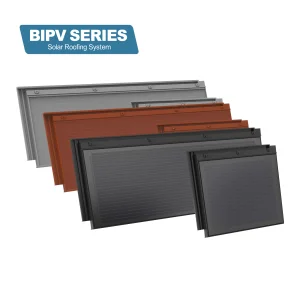
Merging functional structure with power generation through waterproof glass facades and custom structural photovoltaic tiles.
Evaluating how rigorous engineering protocols, automated supply chains, and geographical advantages combine to mitigate project risk.
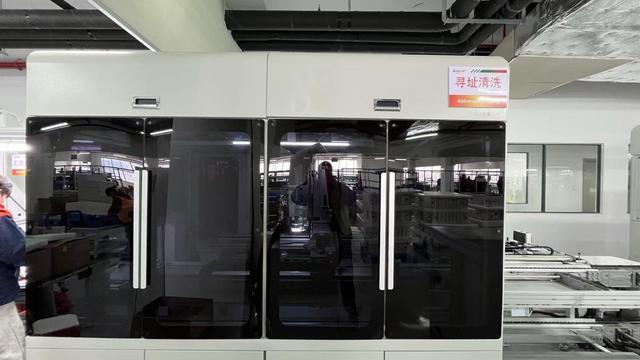
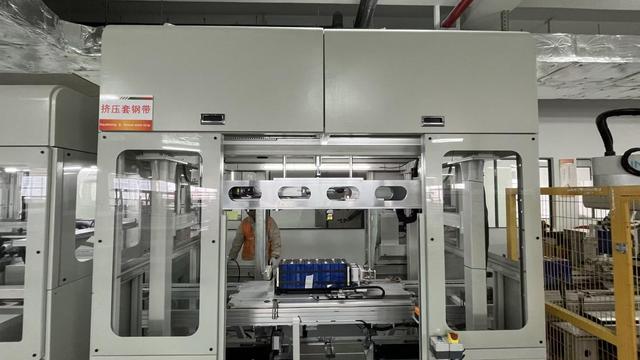
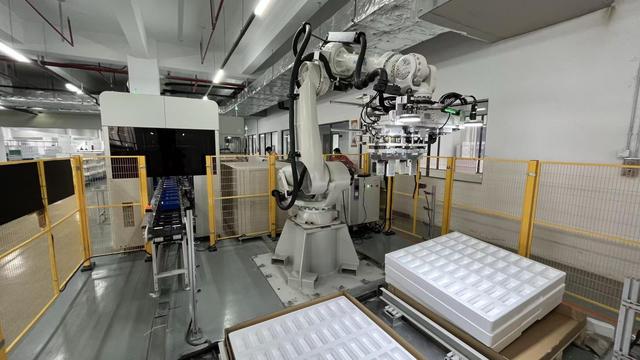
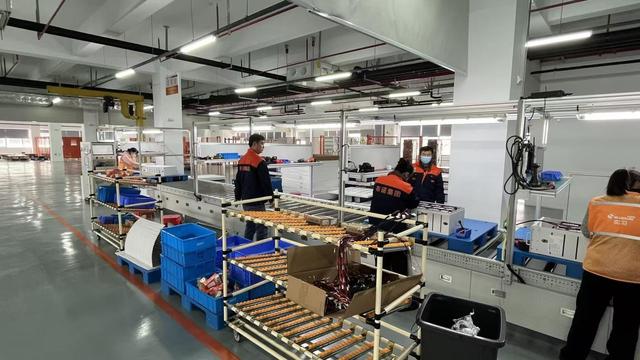
For procurement officers, EPC firms, and energy wholesalers, evaluating supply chain durability is just as important as reading a data sheet. Global supply chains face regular geopolitical, logistics, and raw material volatility. This environment demands that Chinese PV manufacturers act not just as assembly plants, but as integrated, highly resilient vertical producers. China's Factory 4.0 evolution integrates automated AI optical inspection, robotic solder stringing, and inline testing platforms to eradicate micro-cracks and structural defects before modules leave the cleanroom.
From our strategically located manufacturing center in Ningbo, China, Ningbo Halkirk Solar Co., Ltd. utilizes these advanced processes to serve global solar markets. By integrating R&D, automated manufacturing, and automated quality control, we ensure our high-efficiency solar modules comply with rigorous international certification protocols. The direct proximity to the Port of Ningbo-Zhoushan, one of the world's highest-capacity deepwater ports, provides global distributors and developers with reliable logistics, shorter lead times, and lower shipping costs.
Pure, trace-verified N-type polysilicon wafers chosen to guarantee high initial cell efficiency and eliminate LID issues.
Multi-busbar (MBB) configurations precision-aligned by high-speed robots to decrease resistance losses and optimize light harvesting.
Double Electroluminescence (EL) testing before and after thermal lamination to detect micro-cracks and cell anomalies.
Comprehensive power rating validation under standard test conditions (STC) ensuring precise tolerances of 0 to +5W.
From high-load marine platforms to integrated architectural structures, explore how specialized system optimization meets unique environmental challenges.
Commercial and industrial (C&I) clients must navigate complex regional challenges. In Northern Europe and North America, urban mandates demand architectural integration, driving the adoption of Building-Integrated Photovoltaics (BIPV). In tropical regions, high humidity, cloud cover, and high temperatures require solar cells to exhibit low temperature coefficients and high bifacial output. Meanwhile, agricultural operations require dual-use land designs, combining energy generation with microclimate-controlled crop cultivation.
To address these distinct demands, Ningbo Halkirk Solar Co., Ltd. delivers specialized, optimized designs for residential, commercial, and utility-scale projects:
Transforming structural surfaces into power generators using waterproof solar roof tiles and custom photovoltaic glass facades, maintaining modern aesthetics and fire safety.
Optimizing off-grid solar systems for isolated agricultural, livestock, and marine sites with high structural mechanical load ratings (5400 Pa snow, 2400 Pa wind).
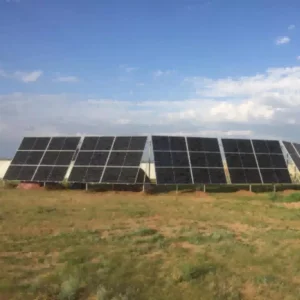
Pairing double-glass HJT modules with smart tracker systems to optimize albedo reflection, boosting back-side output by up to 30% on sandy or snowy terrains.
Corporate Profile, Manufacturing Competency, and International Service Model
Ningbo Halkirk Solar Co., Ltd. is a professional China solar panel manufacturer and monocrystalline & bifacial solar module supplier, dedicated to delivering high-efficiency renewable energy solutions to customers worldwide. Located in Ningbo, China, the company integrates research and development, manufacturing, quality control, and global sales to provide reliable solar products for residential, commercial, industrial, and utility-scale applications.
Halkirk Solar specializes in the production of monocrystalline solar panels, bifacial solar modules, TOPCon solar panels, N-type solar modules, off-grid solar solutions, on-grid solar systems, and customized photovoltaic products. Leveraging advanced cell technology and intelligent manufacturing processes, our products are designed to maximize energy output, improve conversion efficiency, and ensure long-term performance in diverse environmental conditions.
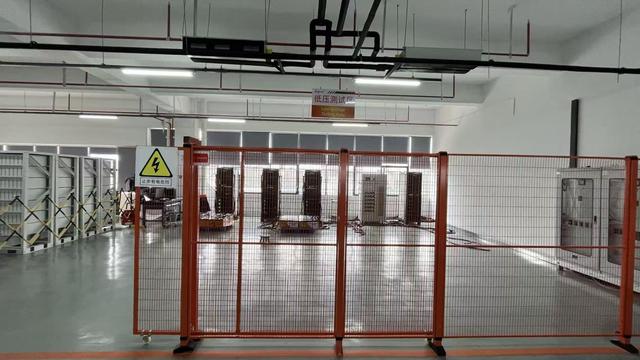
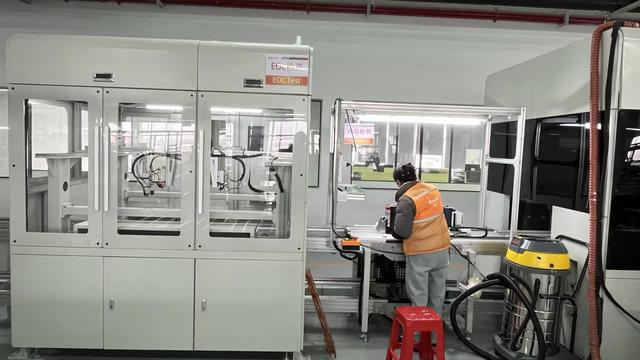
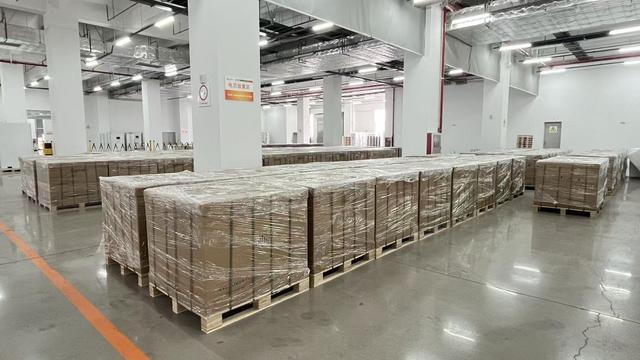
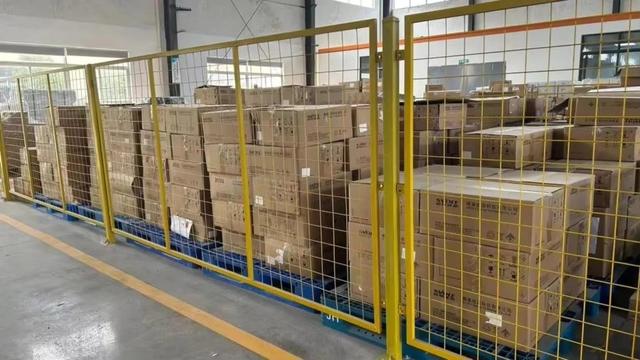
Our modern manufacturing facility is equipped with automated production lines, precision testing equipment, and strict quality management systems. Every solar module undergoes comprehensive inspections and performance testing to guarantee superior reliability, durability, and compliance with international standards. We are committed to providing products that meet the evolving demands of the global renewable energy market.
To better serve international customers, Halkirk Solar offers flexible OEM and ODM services for solar brands, distributors, EPC contractors, wholesalers, and project developers. Our experienced engineering and technical teams work closely with clients to deliver customized solar solutions tailored to specific project requirements, market demands, and branding needs.
Driven by innovation, sustainability, and customer satisfaction, Ningbo Halkirk Solar Co., Ltd. continues to expand its presence in global markets. We strive to become a trusted partner in the photovoltaic industry by providing high-quality solar modules and comprehensive clean energy solutions that contribute to a greener and more sustainable future.

Actionable answers to technical queries, compliance protocols, and system integration strategies.
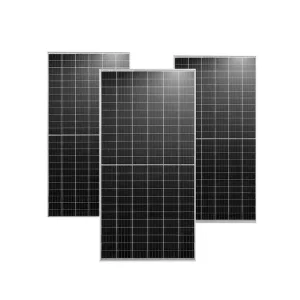
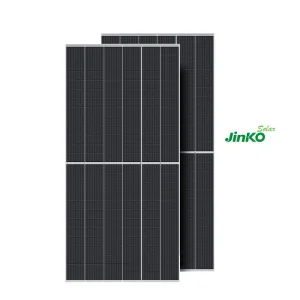
Pioneering architectural and high-efficiency solar modules, optimized for structural integration and high-performance energy yields.

 Halkirk Solar