China Wholesale Bifacial Solar Module Factories & Suppliers

A Comprehensive Technical Whitepaper & B2B Procurement Guide for N-Type TOPCon, HJT & Dual-Glass PV Modules

State-of-the-Art Solar Modules Portfolio

Engineered for high conversion efficiency, dual-facial power generation, and rugged outdoor durability.
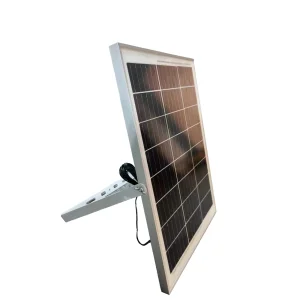
Customizable N-Type Solar PV Panel High Efficiency

Hot Sale High Efficiency Customizable N-Type Solar Pv Panel 20W 30W 40W 50W for Outdoor Home Use

Request Technical Datasheet
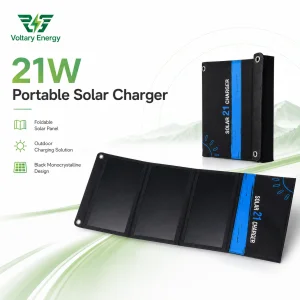
Foldable Solar Panel USB Charging

Portable 21W Foldable Solar Panel Outdoor Camping Mobile Power Bank USB Charging 24% Efficiency Photovoltaic Storage

Request Technical Datasheet
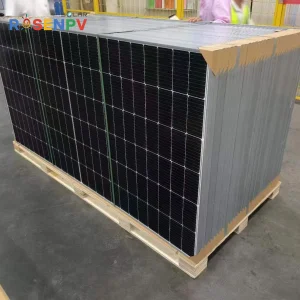
N Type Pv Solar Panels TOPCon Bifacial 30Y Warranty

Rosen 30 Year Warranty N Type Pv Solar Panels 700W 720W 750W Topcon Bifacial Solar EU Stock

Request Technical Datasheet
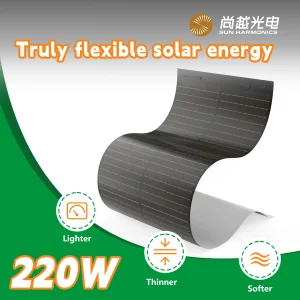
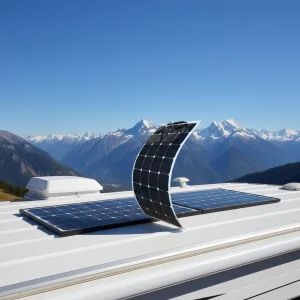
CIGS Solar Panel 220W

CIGS Solar Panel 220W - 70% Lighter 360°Bendable for Marine/Architectural Curved Roofs

Request Technical Datasheet
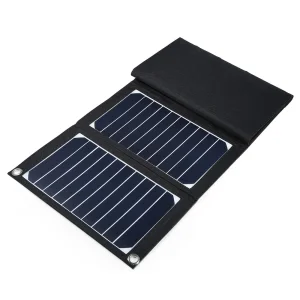
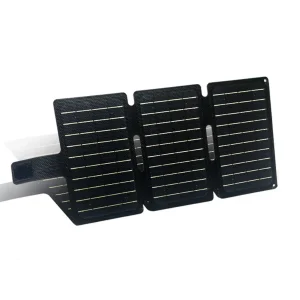
Foldable Solar Charger 15W

15W Foldable Solar Charger Waterproof Portable Solar Panel with USB Output for Mobile Phone Power Bank Camping Hiking Backpacking

Request Technical Datasheet
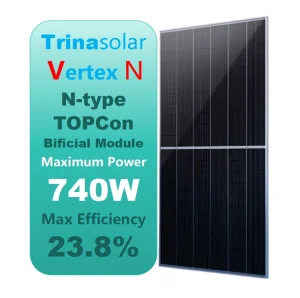
Trina Ultra Bifacial Dual Glass High Power

Trina I-TOPcon Ultra G21C.20 Vertex N Type Commercial Bifacial Dual Glass Monocrystalline 715W 720W 730W 740W Solar Panels

Request Technical Datasheet
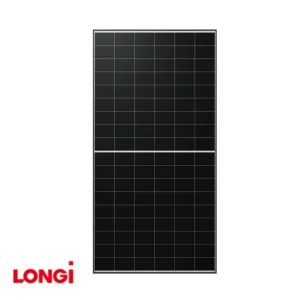
LONGi Hi-MO X10 LR7-72HVD 655W

High Efficiency LONGi Hi-MO X10 LR7-72HVD 655W Bifacial N-Type HPBC 2.0 Double Glass PV Module for Utility Scale

Request Technical Datasheet
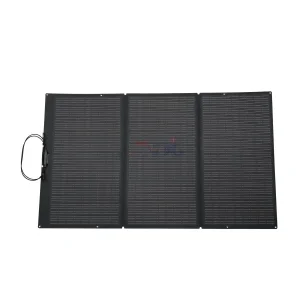
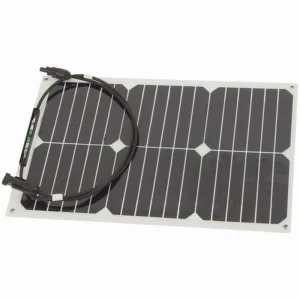
Semi-Flexible Solar Panel

Semi-Flexible Solar Panel for off-Grid Camping Power Solutions

Request Technical Datasheet

The Bifacial Transition: Elevating Energy Yield & Lowering LCOE

Analysis of the global market migration from P-type to N-type technology.

The global renewable energy matrix is undergoing a pivotal shift. In the quest to optimize Levelized Cost of Energy (LCOE), developers, EPCs, and utility project sponsors are discarding legacy systems in favor of advanced bifacial photovoltaic modules. Ningbo Halkirk Solar Co., Ltd., positioned in the global logistics hub of Ningbo, China, stands at the vanguard of this industrial transformation. As an integrated manufacturer and technological pioneer, we deliver premium monocrystalline and bifacial solutions engineered to absorb sunlight from both surfaces, transforming standard utility installations into high-yield power generation plants.

Bifacial solar technology captures diffuse and reflected light from the ground (the albedo effect). Utilizing dual-glass designs and high-performance cell architectures, these modules yield up to 25% more energy compared to traditional monofacial panels depending on ground surface composition (such as snow, gravel, or sand). This technological evolution has moved bifacial modules from niche, highly specialized projects to the global industrial standard. Our production portfolio has kept pace with this technological curve, incorporating N-type TOPCon, HJT, and advanced back-contact cells to meet diverse architectural and environmental demands.

Key Technical Advantage: The Albedo Effect

By leveraging double-sided capture, Halkirk’s bifacial modules turn the surrounding environment into a secondary power source. When mounted on highly reflective surfaces (like white gravel or snow), the rear-side power contribution boosts overall energy generation, driving down the payback period of utility-scale installations.

Advanced N-Type Physics

Utilizing phosphorus-doped silicon substrates, N-type designs exhibit near-zero Light-Induced Degradation (LID), superior temperature coefficients, and bifaciality factors up to 85%.

Dual-Glass Integrity

Replacing traditional polymer backsheets with high-transmission tempered dual glass eliminates moisture ingress and prevents mechanical wear in hostile operating environments.

Optimized Temperature Performance

With a lower temperature coefficient (down to -0.26%/°C for HJT), our modules generate sustained peak power even during intense summer heat domes.

Ningbo Halkirk Solar Co., Ltd.

Global-scale manufacturer combining advanced R&D, certified quality control, and integrated logistics.

Ningbo Halkirk Solar Co., Ltd. is a professional China solar panel manufacturer and monocrystalline & bifacial solar module supplier, dedicated to delivering high-efficiency renewable energy solutions to customers worldwide. Located in Ningbo, China, the company integrates research and development, manufacturing, quality control, and global sales to provide reliable solar products for residential, commercial, industrial, and utility-scale applications.

Halkirk Solar specializes in the production of monocrystalline solar panels, bifacial solar modules, TOPCon solar panels, N-type solar modules, off-grid solar solutions, on-grid solar systems, and customized photovoltaic products. Leveraging advanced cell technology and intelligent manufacturing processes, our products are designed to maximize energy output, improve conversion efficiency, and ensure long-term performance in diverse environmental conditions.

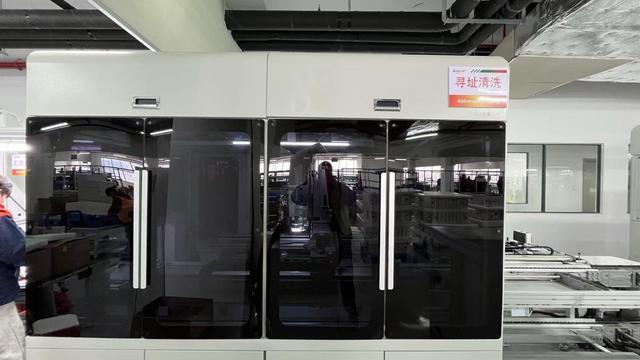
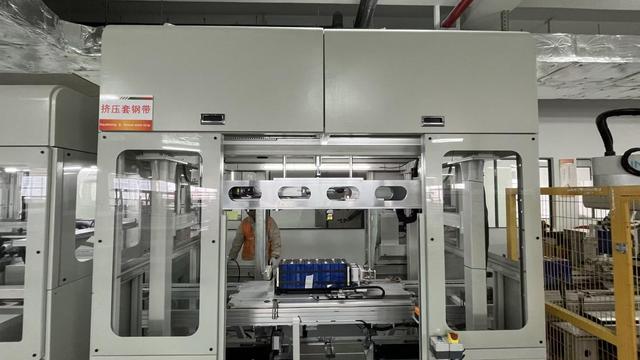
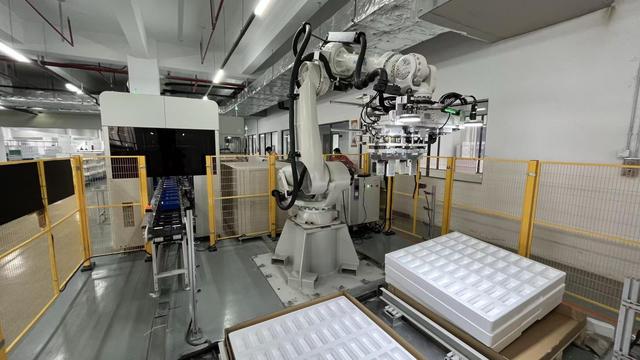
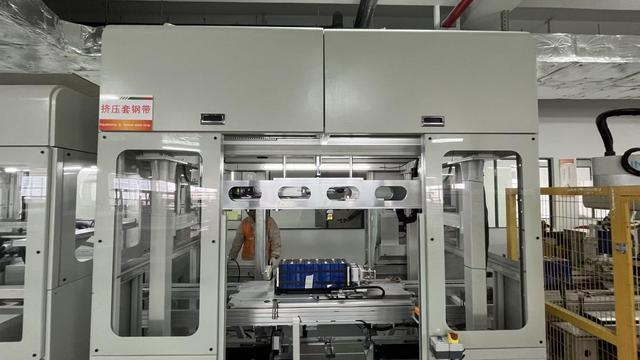
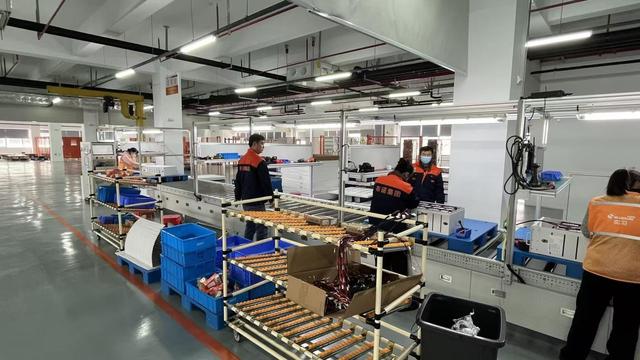
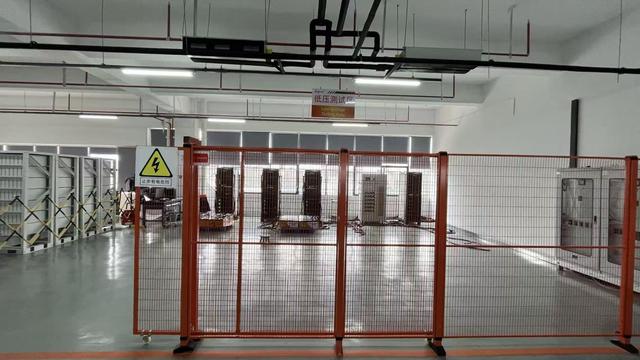
Our modern manufacturing facility is equipped with automated production lines, precision testing equipment, and strict quality management systems. Every solar module undergoes comprehensive inspections and performance testing to guarantee superior reliability, durability, and compliance with international standards. We are committed to providing products that meet the evolving demands of the global renewable energy market.

To better serve international customers, Halkirk Solar offers flexible OEM and ODM services for solar brands, distributors, EPC contractors, wholesalers, and project developers. Our experienced engineering and technical teams work closely with clients to deliver customized solar solutions tailored to specific project requirements, market demands, and branding needs. Driven by innovation, sustainability, and customer satisfaction, Ningbo Halkirk Solar Co., Ltd. continues to expand its presence in global markets. We strive to become a trusted partner in the photovoltaic industry by providing high-quality solar modules and comprehensive clean energy solutions that contribute to a greener and more sustainable future.
Technology Roadmap: HJT, TOPCon & Advanced Architectures

A side-by-side engineering comparison of the core commercial technology pathways.

Selecting the appropriate technical route is essential for optimizing system efficiency and financial performance. Today’s industrial solar landscape is dominated by three main architectures: Tunnel Oxide Passivated Contact (TOPCon), Heterojunction (HJT), and Hybrid Passivated Back Contact (HPBC). Each offers unique features tailored to specific environmental conditions, structural requirements, and investment horizons.

  • N-Type TOPCon (Tunnel Oxide Passivated Contact): Currently the market leader in value and output. TOPCon utilizes an ultra-thin silicon oxide tunnel layer combined with highly doped polycrystalline silicon to passivate the rear contacts. This architecture minimizes carrier recombination, driving industrial cell efficiencies past 25.5%. TOPCon modules offer a high bifaciality factor (~80%), a lower temperature coefficient (-0.30%/°C), and excellent performance under low-light conditions.
  • Heterojunction (HJT): By combining crystalline silicon with thin-film amorphous silicon layers, HJT achieves outstanding performance. It features a high bifaciality factor (up to 85%-90%), which maximizes power output from the rear panel. HJT also boasts the lowest temperature coefficient in the industry (-0.26%/°C) and is fully free from Light-Induced Degradation (LID) and Potential-Induced Degradation (PID).
  • HPBC (Hybrid Passivated Back Contact): HPBC moves all metal contact lines to the rear side of the module. This eliminates shading losses on the front surface, maximizing light absorption and creating a clean, uniform aesthetic. This technology is popular for architectural integrations and high-end commercial installations where appearance and front-side conversion efficiency are key.
  • Flexible & Thin-Film Solutions (CIGS/Monocrystalline): For specialized applications such as marine decks, RV rooftops, and curved architectural surfaces, weight constraints make traditional dual-glass modules impractical. Here, ultra-lightweight CIGS and flexible monocrystalline panels provide a bendable solution that integrates easily with curved structures.
Technology Type Typical Cell Efficiency Bifaciality Factor Temp. Coefficient Primary Use Cases
N-Type TOPCon 25.0% - 25.8% 75% - 82% -0.30% / °C Utility-scale arrays, large-scale ground mounts, C&I rooftops.
N-Type HJT 25.5% - 26.2% 80% - 90% -0.26% / °C High-albedo environments, desert locations, floating solar.
HPBC (HPBC 2.0) 24.8% - 25.5% 65% - 70% -0.29% / °C High-end residential roofs, architectural integrations.
CIGS / Flexible Mono 16.0% - 20.0% N/A (Monofacial) -0.38% / °C Off-Grid RVs, marine vehicles, curved architectural rooftops.

Macro-Scale Industry Solutions

Custom engineering solutions for complex utility, agricultural, and floating PV applications.

Utility-Scale Ground Mounts

By pairing dual-glass bifacial modules with single-axis tracking systems, utility projects can dynamically track the sun while capturing albedo reflections from the ground. This setup optimizes early-morning and late-afternoon generation curves, maximizing overall plant output.

Agri-PV Systems

Elevated, vertically oriented bifacial arrays allow farm machinery to pass underneath and crops to grow between rows. The vertical placement prevents dust buildup and aligns generation curves with peak electricity grid pricing during mid-day demands.

Floating Solar Installations

Deploying bifacial modules on water reservoirs helps cool the panels, improving solar cell conversion efficiency. Water surfaces also provide a natural albedo effect of up to 10%–12%, boosting rear-side power generation without requiring extra land prep.

China Factory 4.0: Supply Chain Resilience & Cost Efficiencies

Why manufacturing location and industrial integration determine long-term project bankability.

The concentration of raw material refinement, silicon wafer slicing, and glass fabrication in China creates an efficient supply chain that cannot be easily replicated elsewhere. As a Ningbo-based manufacturer, Halkirk Solar benefits directly from this proximity. We access components from nearby premium silicon wafer suppliers, ribbon manufacturers, and tempered glass foundries, reducing inbound logistics costs and environmental footprint while maintaining a steady flow of materials.

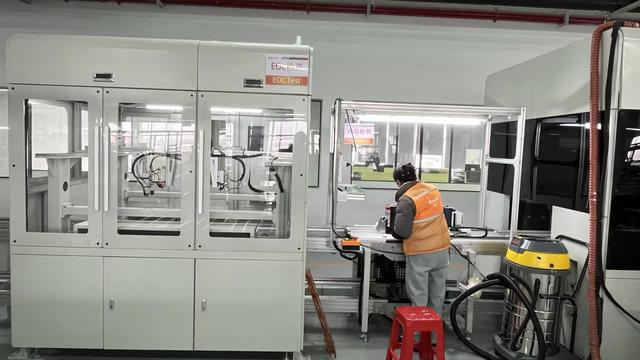
Our facility runs highly automated lines using advanced assembly robots, automatic cell stringers, and optical positioning systems. Automation ensures consistent weld quality, cell spacing, and encapsulant layering, eliminating the risk of human error. Each step in the assembly process is backed by strict quality control systems designed to detect and remove minor defects before they can impact real-world performance.

To ensure long-term field performance, our modules undergo strict quality gate testing:

  • Double-Pass Electroluminescence (EL) Testing: Applied before lamination and after final framing to detect micro-cracks, dark spots, or grid-line breaks.
  • Flash Testing: Calibrates actual module output against Standard Test Conditions (STC), ensuring positive power tolerance (0 to +5W).
  • Thermal Cycling & Damp Heat Testing: Accelerates aging to verify module integrity under harsh environment conditions (-40°C to +85°C).

Ningbo Halkirk Solar at a Glance

Verified industrial capacity and commitment to global clean energy supply.

23.02%
Peak Module Efficiency
30 Yrs
Linear Power Warranty
750W
Max Module Power Output
100+
Countries Served Globally

Global Procurement: OEM, ODM & Custom Design Pathways

Streamlining customization, regulatory compliance, and international shipping logistics.

Large-scale solar projects often require customized engineering. Halkirk Solar offers comprehensive OEM and ODM support to help project developers, EPCs, and international distributors tailor module designs to their exact needs.

Our engineering team can customize several key design parameters to match specific project demands:

  • Cable Length & Connector Types: We can extend cable lengths to support leapfrog wiring configurations in tracking systems, or install specialized MC4 or MC4-compatible connectors to match your system design.
  • Frame Coatings & Custom Dimensions: For high-corrosion environments like salt flats or coastlines, we offer anodized aluminum frames with thick oxide layers or anti-corrosive black coating options.
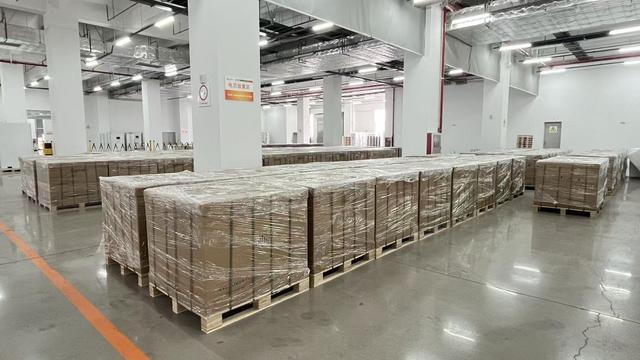
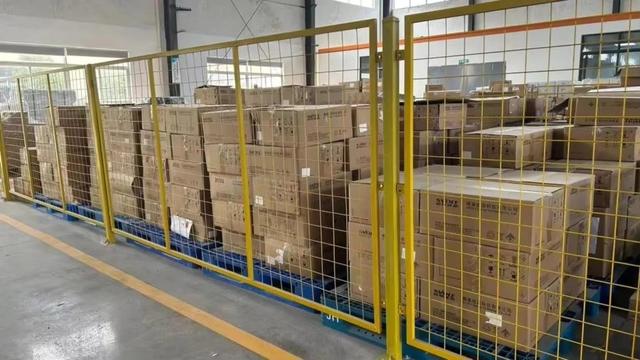
  • Packaging Optimization: We package modules vertically in heavy-duty, reinforced crates to prevent micro-cracks during long-distance ocean shipping. This packing method optimizes shipping container space, lowering freight costs per megawatt.

Halkirk Solar also maintains strict adherence to global trade requirements. Our modules are fully tested and certified by international bodies like TUV, CE, and UL, ensuring they meet the safety and performance standards required by local utilities and financial backers around the world.

Technical Procurement FAQ

Expert answers to common questions about bifacial module design, electrical integration, and long-term durability.

1. How does ground albedo impact the ROI of bifacial modules?
Albedo represents the reflectivity of the ground surface behind the panels. Standard grass or dirt has an albedo value of 15%–20%, which typically yields a 5%–8% increase in rear-side power generation. Concrete surfaces show 30%–40% reflectivity, boosting power by 10%–15%. High-reflectivity materials like white gravel or snow (60%–85% albedo) can increase rear-side yield by 20% to 25%. This additional generation directly reduces the levelized cost of energy (LCOE) and speeds up project payback.
2. What is the difference between TOPCon and HJT cell structures in bifacial modules?
TOPCon (Tunnel Oxide Passivated Contact) uses a thin silicon oxide layer and doped polysilicon on N-type silicon wafers, achieving a bifaciality factor of 75%–82%. It integrates well with existing manufacturing lines, making it highly cost-effective. HJT (Heterojunction Technology) combines crystalline silicon with amorphous silicon thin-film layers to create a symmetric cell design. This results in a higher bifaciality factor (85%–90%) and a better temperature coefficient (-0.26%/°C), though it generally carries a premium production cost.
3. How do dual-glass bifacial modules manage Potential-Induced Degradation (PID)?
Potential-Induced Degradation (PID) is often accelerated by moisture ingress through standard polymer backsheets. Dual-glass modules replace the polymer with an impermeable layer of tempered glass on both sides, blocking moisture completely. Combined with POE (Polyolefin Elastomer) encapsulation materials, this dual-glass structure significantly reduces leakage currents, protecting the solar cells and preventing PID even in hot, humid climates.
4. What electrical issues should be considered when designing bifacial PV arrays?
Because bifacial modules generate extra power from the rear side, they produce higher electrical currents than standard monofacial panels. System designers must size string inverters and charge controllers to handle these higher current peaks without clipping. Electrical calculations should account for a "bifacial boost factor" (typically 10%–20%) to select appropriately rated fuses, combiner boxes, and DC cabling.
5. What performance warranties does Ningbo Halkirk Solar provide for its N-type modules?
Halkirk Solar offers a 12-to-15-year workmanship warranty and a 30-year linear performance warranty on our N-type dual-glass bifacial modules. We guarantee first-year degradation will not exceed 1.0%, with annual degradation capped at 0.4% from year 2 through year 30. This ensures the modules continue to deliver at least 87.4% of their original rated output after three decades of operation.

Specialty and Off-Grid Solar Products

Compact, flexible, and off-grid solutions built for mobile, residential, and remote industrial applications.
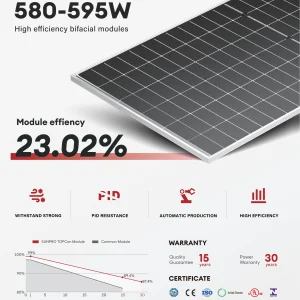
JINSUN N-Type HJT Monocrystalline Solar High Efficiency

JINSUN 23.02% Panel Efficiency 580-595W 144-Cells Half Cell N-Type HJT Monocrystalline Silicon Anodized Aluminum Solar

Request Technical Datasheet
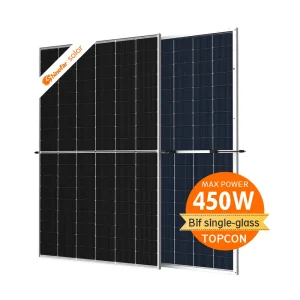
Premium 450W Half Cell Bifacial Solar Panel

Solar Panel Premium 450W Half Cell Module Photovoltaic PV Module Solares Paneles Bifacial Solar Panel for Home Residential Roof with High Output Stability

Request Technical Datasheet
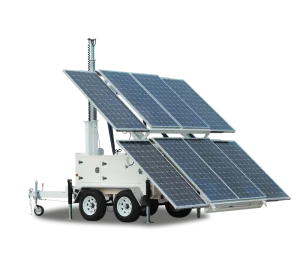
Clean Energy Mobile Solar Generator Innovative

2025 New Style Clean Energy Mobile Solar Generator Power Solar Trailer With Led Flood Lights/ Cameras/ Satellites

Request Technical Datasheet
Foldable Portable Mono PV Panel

Provide Renewable Energy Foldable Portable Mono Photovoltaic Solar Panel

Request Technical Datasheet
Kehua Flexible Monocrystalline Solar Panel

Kehua Flexible Monocrystalline Silicon Solar Panel for Home Use Outdoors High Efficiency 16%-20% 100W Power Generation

Request Technical Datasheet
Ultra-Lightweight 100W Flexible Thin Film Ultra Light

Ultra-Lightweight 100W Flexible Thin Film Solar Panel Shingle Cell Technology High Efficiency Monocrystalline PV Module for off-Grid RV Caravan Boat

Request Technical Datasheet
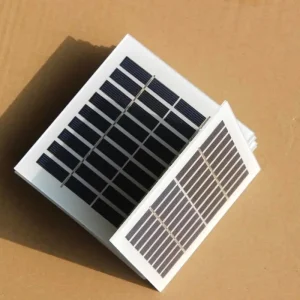
DIY Solar Panel Module 2W 9V

2W 9V DIY Solar Panels Module Laminated Solar Panel Perc Technology 135*125mm Solar Cell Glass for Solar System

Request Technical Datasheet
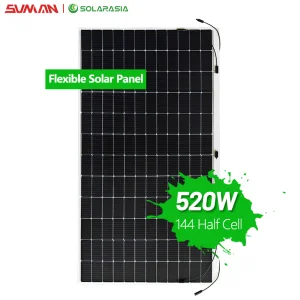
Wholesale Industrial Flexible Solar Panels

Wholesale Industrial Solar Panel Flexible 430W 520W Thin Film Flexible Solar Panels OEM Monocrystalline for Roof Commercial

Request Technical Datasheet