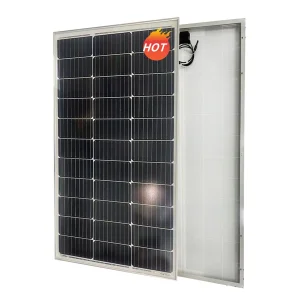
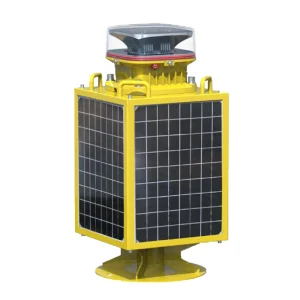
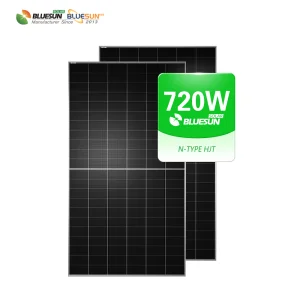
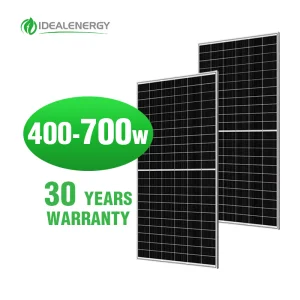
Optimized solar panels designed for high conversion efficiency, utility scale applications, and distributed generation projects.
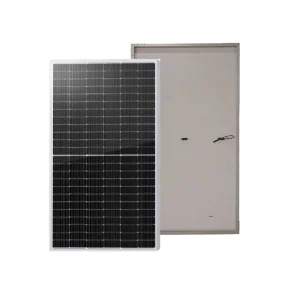
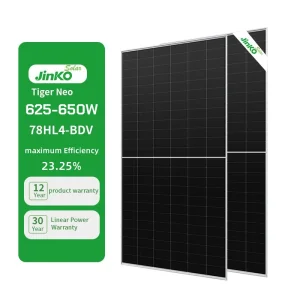
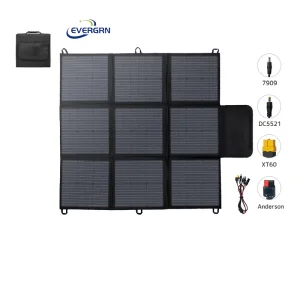
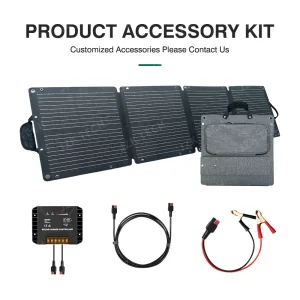
Ningbo Halkirk Solar Co., Ltd. is a professional China solar panel manufacturer and monocrystalline & bifacial solar module supplier, dedicated to delivering high-efficiency renewable energy solutions to customers worldwide. Located in Ningbo, China, the company integrates research and development, manufacturing, quality control, and global sales to provide reliable solar products for residential, commercial, industrial, and utility-scale applications.
Our state-of-the-art industrial layout enables us to maintain strict quality standards while offering competitive global pricing models. By leveraging advanced cell design principles, Halkirk Solar specializes in the production of monocrystalline solar panels, bifacial solar modules, TOPCon solar panels, N-type solar modules, off-grid solar solutions, on-grid solar systems, and customized photovoltaic products.
To better serve international customers, Halkirk Solar offers flexible OEM and ODM services for solar brands, distributors, EPC contractors, wholesalers, and project developers. Our experienced engineering and technical teams work closely with clients to deliver customized solar solutions tailored to specific project requirements, market demands, and branding needs.
"Innovation, sustainability, and quality control are the pillars of Ningbo Halkirk Solar. From automated module assembly to rigorous electro-luminescence testing, we ensure every solar cell achieves optimized yield over its 30-year operational lifecycle."
Understanding the material physics, performance degradation curves, and conversion efficiencies shaping B2B solar procurement.
Passivated Emitter and Rear Cell (PERC) technology revolutionized the global solar industry by introducing a dielectric passivation layer on the rear surface of the cell. This design optimization reduces electron recombination losses and improves optical performance by reflecting unabsorbed light back through the active silicon layer. While PERC continues to serve as the baseline for cost-effective solar development, Halkirk Solar has integrated advanced modifications, such as Half-Cut Multi-Busbar (MBB) technology, to mitigate electrical losses and enhance shading tolerance.
| Technology Platform | Cell Structure | Average Commercial Efficiency | Temperature Coefficient | Bifaciality Factor | Primary Industrial Use-Case |
|---|---|---|---|---|---|
| Monocrystalline PERC | P-Type Silicon (Al2O3/SiNx Passivation) | 21.5% - 22.8% | -0.34% / °C | 70% - 75% | Commercial Roofs, Utility Scale |
| N-Type TOPCon | N-Type (Tunnel Oxide Passivated Contact) | 22.5% - 24.5% | -0.30% / °C | 80% - 85% | Ground Arrays, High-Yield Industrial |
| N-Type HJT | Heterojunction (Amorphous & Crystalline) | 23.0% - 25.0% | -0.26% / °C | 85% - 90% | Extreme Heat Climates, Premium C&I |
As the market transitions toward higher efficiency thresholds, our manufacturing plants in Ningbo are dynamically scaling up the production of N-Type TOPCon and HJT (Heterojunction Technology) modules. These advanced designs feature near-zero Light Induced Degradation (LID) and superior temperature coefficients, lowering the levelized cost of electricity (LCOE) for project developers.
How Halkirk Solar builds reliable structural designs for commercial and industrial (C&I) assets.
Utilizes optimized encapsulation films (POE/EVA) and specialized cell doping profiles to combat Potential Induced Degradation (PID) in high-voltage utility installations.
Certified to withstand heavy wind loads of 2400 Pa and snow loads of 5400 Pa. Robust double-glass configurations ensure high mechanical stability in challenging locations.
Engineered to capture reflected light from the rear side, generating up to 25% additional power yield depending on ground albedo properties (grass, sand, or snow).
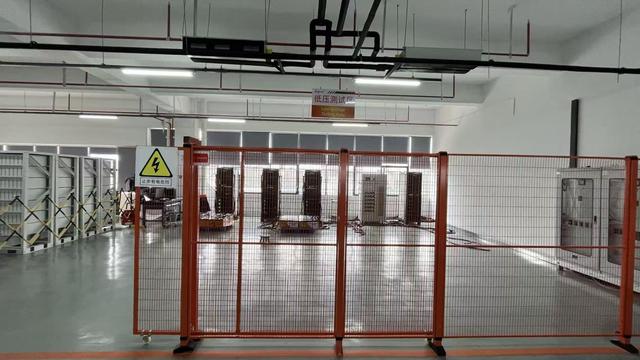
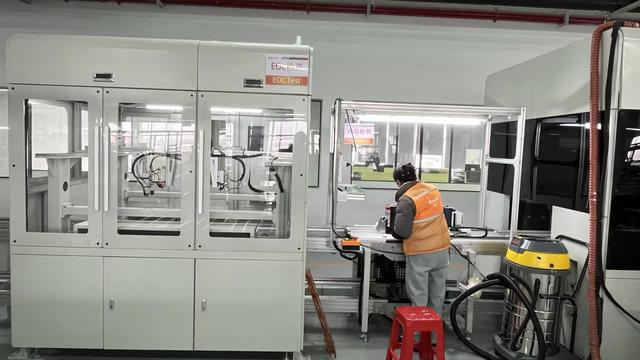
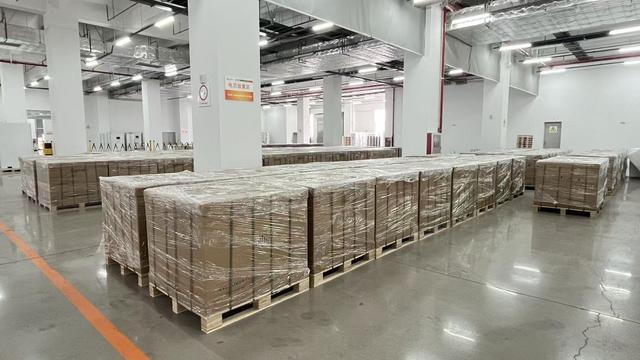
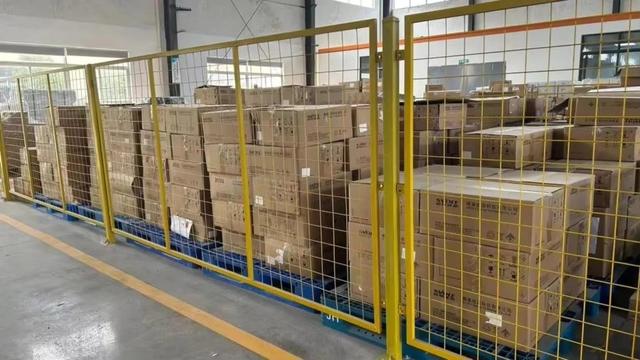
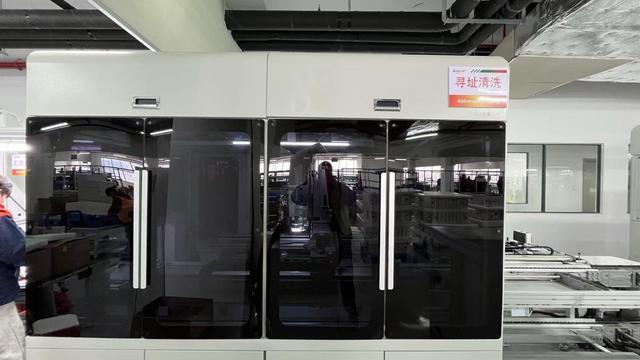
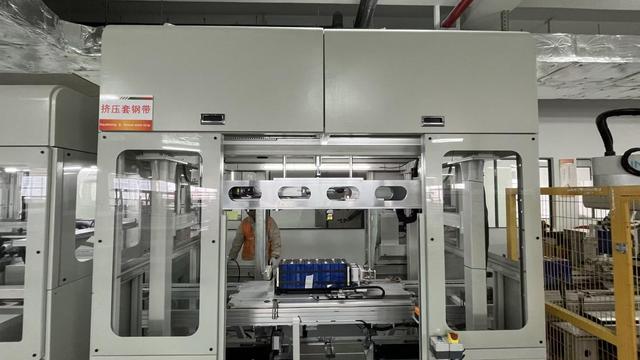
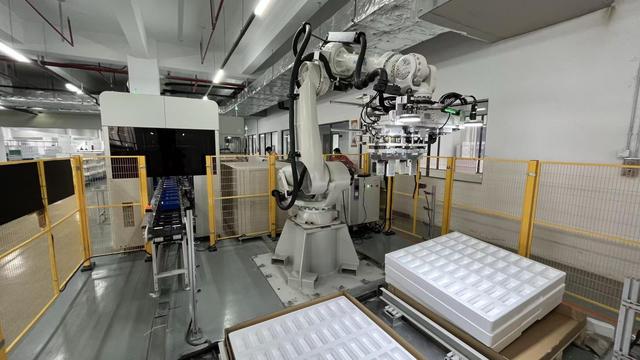
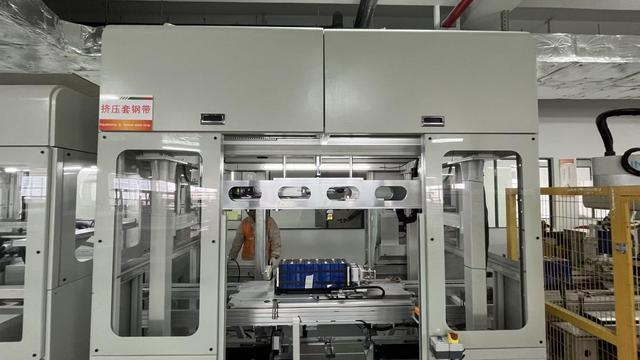
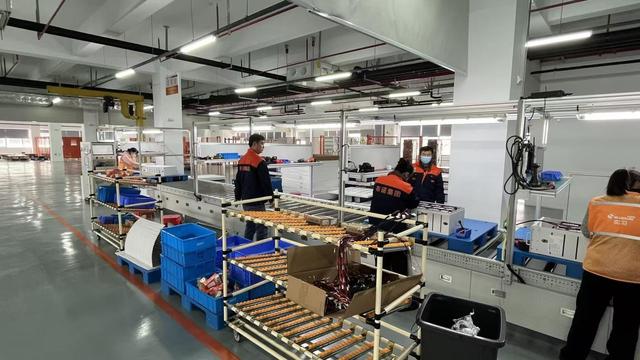
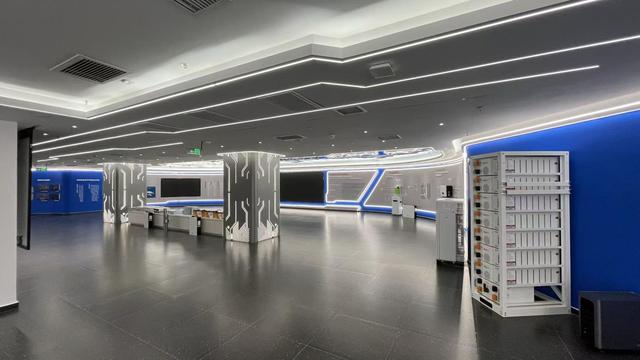
Our modern manufacturing facility is equipped with automated production lines, precision testing equipment, and strict quality control protocols.
Every solar module undergoes comprehensive inspections and performance testing to guarantee superior reliability, durability, and compliance with international standards. We are committed to providing products that meet the evolving demands of the global renewable energy market. Below are the structural images representing the facility operations, stringer machinery, laminators, and packaging logistics of our Ningbo Halkirk Solar plant:
From desert installations in the Middle East to floating arrays in Southeast Asia, our modules are tuned to withstand environmental stress.
Environmental conditions vary widely across the global solar footprint. Industrial arrays installed in desert landscapes require dust-repellent coatings and strong anti-abrasion properties to withstand sandstorms. Conversely, marine or coastal environments demand salt-mist corrosion resistance (Class 6 certification) and highly sealed junction boxes (IP68 rating) to protect electrical connections.
In areas with high temperatures, solar panels experience thermal stress that reduces power output. Our N-Type HJT and TOPCon lines are engineered with low-temperature coefficients down to -0.26%/°C, ensuring peak energy generation even when ambient temperatures exceed 40°C.
Moisture ingress can lead to electrical leakage and accelerated degradation. By utilizing dual-glass configuration designs paired with POE encapsulation material, our modules provide zero moisture permeability, making them ideal for high-humidity areas and floating solar systems (floatovoltaics).
Clarifying technological details, wholesale conditions, customization options, and logistics for international project developers.
PERC (Passivated Emitter and Rear Cell) panels feature a rear dielectric passivation layer that reflects unabsorbed light back through the solar cell, increasing the total light absorption rate. This structural optimization provides higher cell efficiency (typically 1-2% higher than standard mono cells) and improves overall performance under low-light conditions, such as cloudy days or early morning hours.
We implement a strict triple Electroluminescence (EL) testing protocol. Tests are performed before lamination to identify micro-cracks in the raw strings, after lamination to check for stress cracks, and right before final packaging. Additionally, our heavy-duty packaging system uses impact-resistant corners and robust wooden frames to prevent transport-induced physical damage.
Halkirk Solar offers comprehensive customization services. We tailor electrical characteristics (such as adjusting Voc and Isc parameters), structure frames (anodized black/silver aluminum, frame thickness), glass configurations (single glass vs. double glass), cable lengths, and junction box placements. We also support private labeling and custom logo branding for global distribution partners.
We work closely with global shipping lines out of Ningbo Port (one of the world's largest logistics hubs). Our packing layout is optimized to maximize container utilization. We package solar panels vertically to prevent stack weight loads and use specialized pallet spacing grids to reduce shipping damage risk, lowering overall freight costs per megawatt.
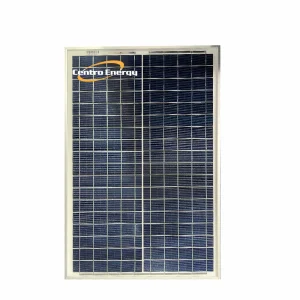
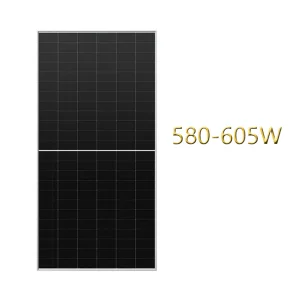
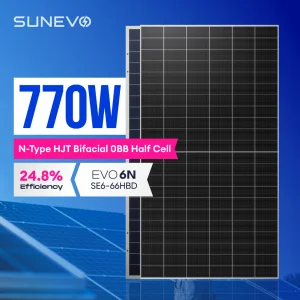
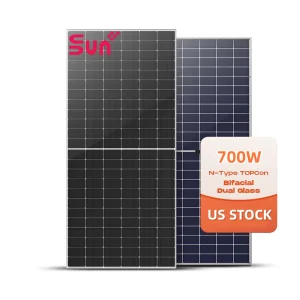
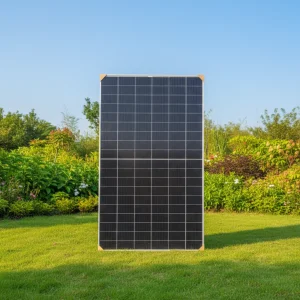
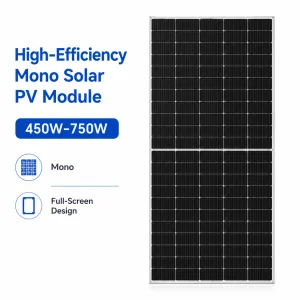
Exploring diverse solar module shapes, flexible configurations, and high-efficiency systems for commercial, off-grid, and emergency operations.
Providing reliable supply chain security, CE/TUV certifications, and port distribution models from our Ningbo headquarters.
Importing solar panels from China requires navigating complex compliance processes. Ningbo Halkirk Solar Co., Ltd. handles international certifications, customs clearance, and logistics arrangements. Our products carry international approvals, including CE, FCC, RoHS, and TUV SUD certification, ensuring smooth port entry in Europe, the Americas, and Southeast Asia.
Located near Ningbo Port, we ship directly from our local warehouse, reducing domestic transport costs and avoiding transshipment delays. We assist clients with import documentation, country-of-origin certification, and local custom tariff requirements to streamline the procurement process.
Supply Chain Security Statement: Ningbo Halkirk Solar ensures full traceability of raw silicon materials. All products undergo testing in certified labs to meet international grid-connection standards and guarantee long-term operational performance.
 Halkirk Solar