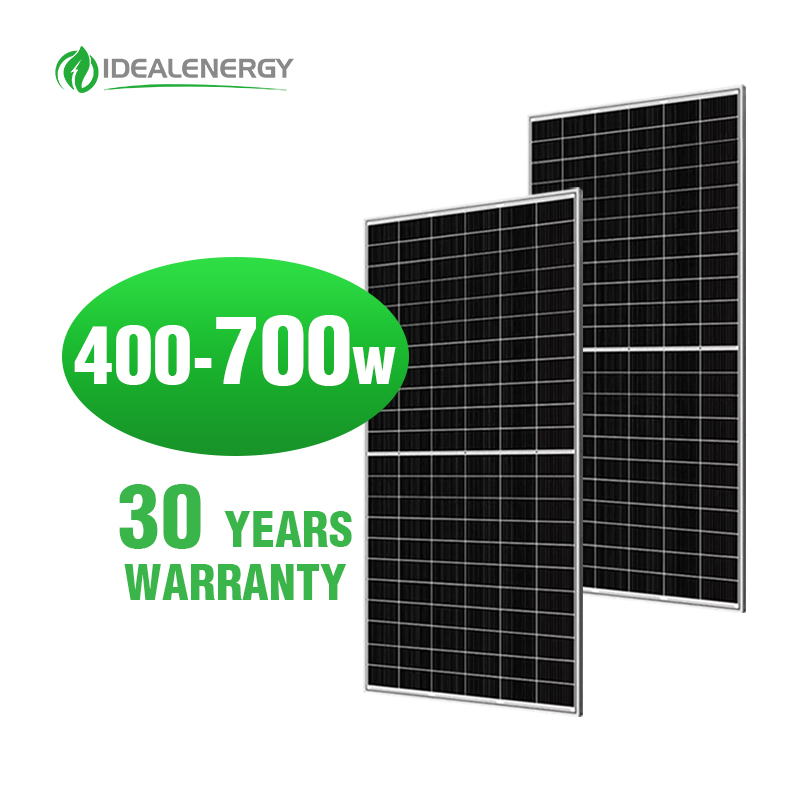
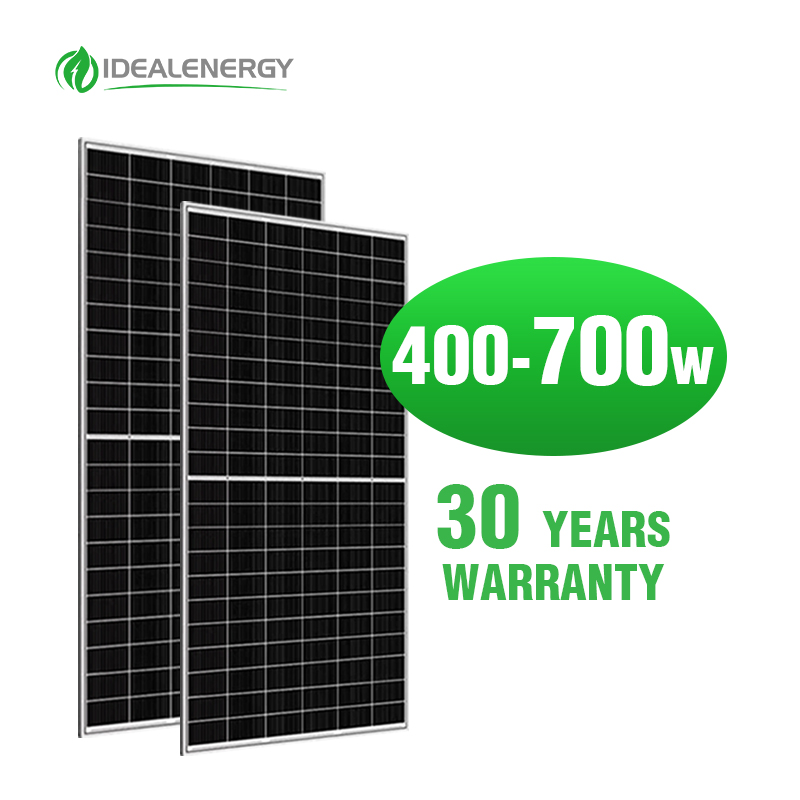
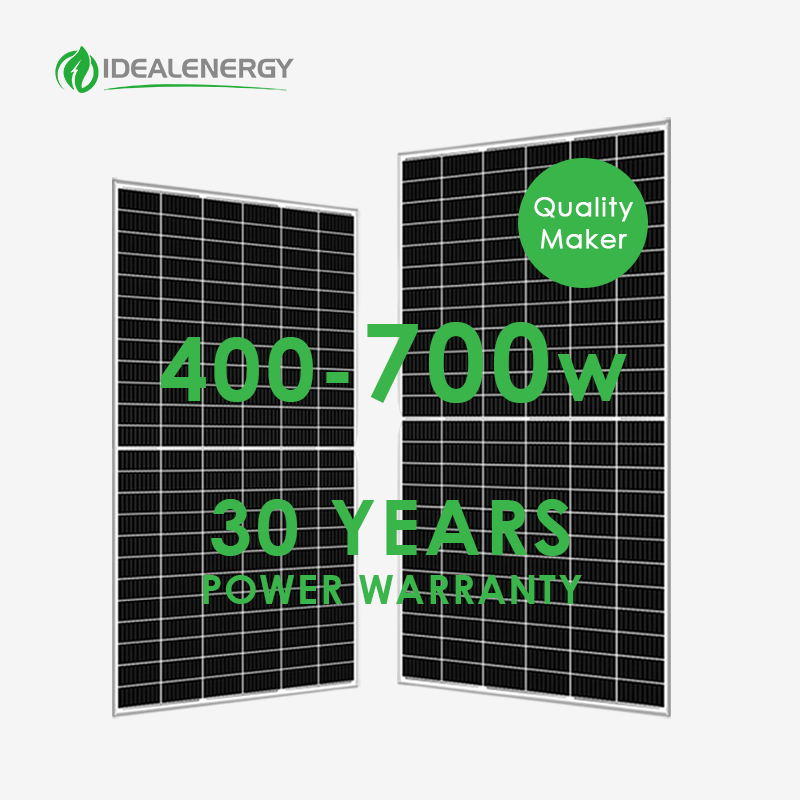
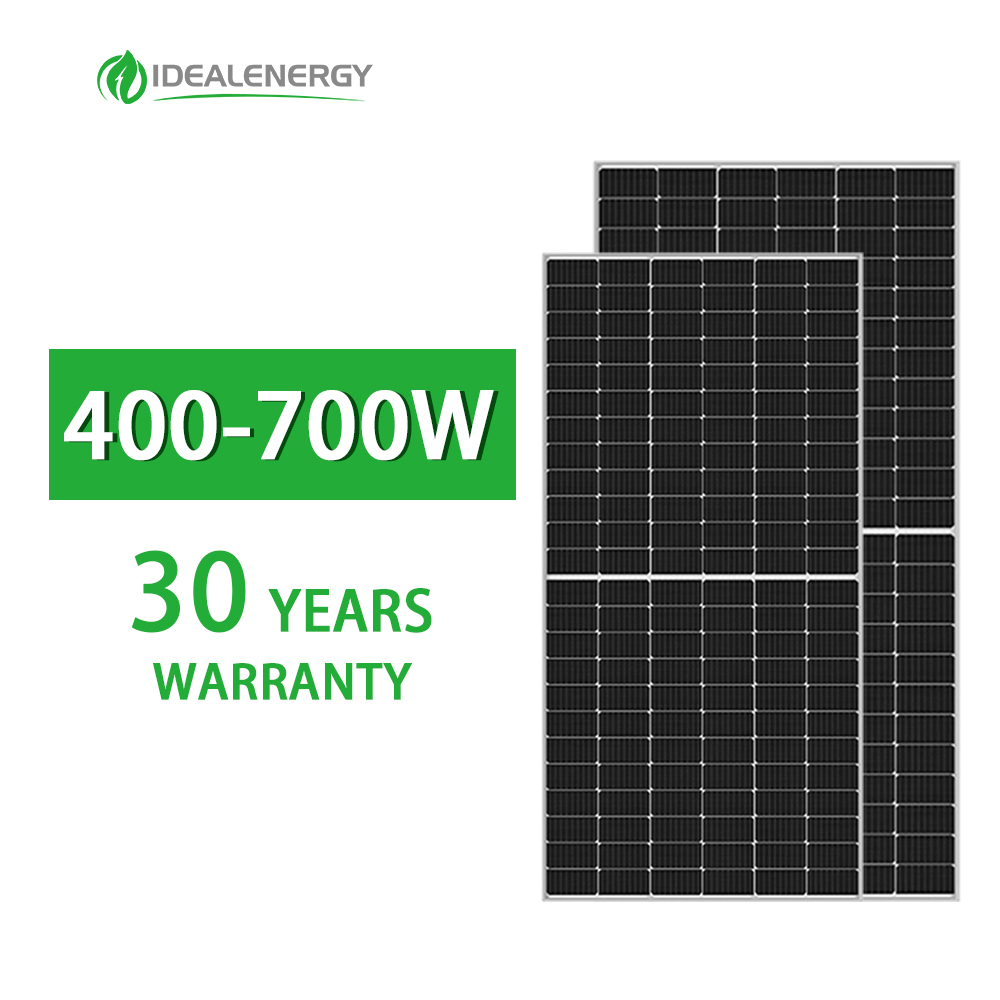
STC: Irradiance 1000 W/m² module temperature 25°C AM=1.5
ELECTRICAL PARAMETERS AT STC (670-710W Series)
Module Type
INE-670-66MH
INE-680-66MH
INE-690-66MH
INE-700-66MH
INE-710-66MH
Rated Maximum Power(Pmax) [W]
670
680
690
700
710
Open Circuit Voltage(Voc) [V]
46.10
46.50
46.90
47.40
47.8
Maximum Power Voltage(Vmp) [V]
38.20
38.60
39.00
39.40
39.80
Short Circuit Current(Isc) [A]
18.62
18.67
18.72
18.77
18.82
Maximum Power Current(Imp) [A]
17.55
17.62
17.70
17.77
17.84
Module Efficiency [%]
21.5
21.8
22.2
22.5
22.8
STC: Irradiance 1000 W/m² module temperature 25°C AM=1.5
OEM & ODM Services
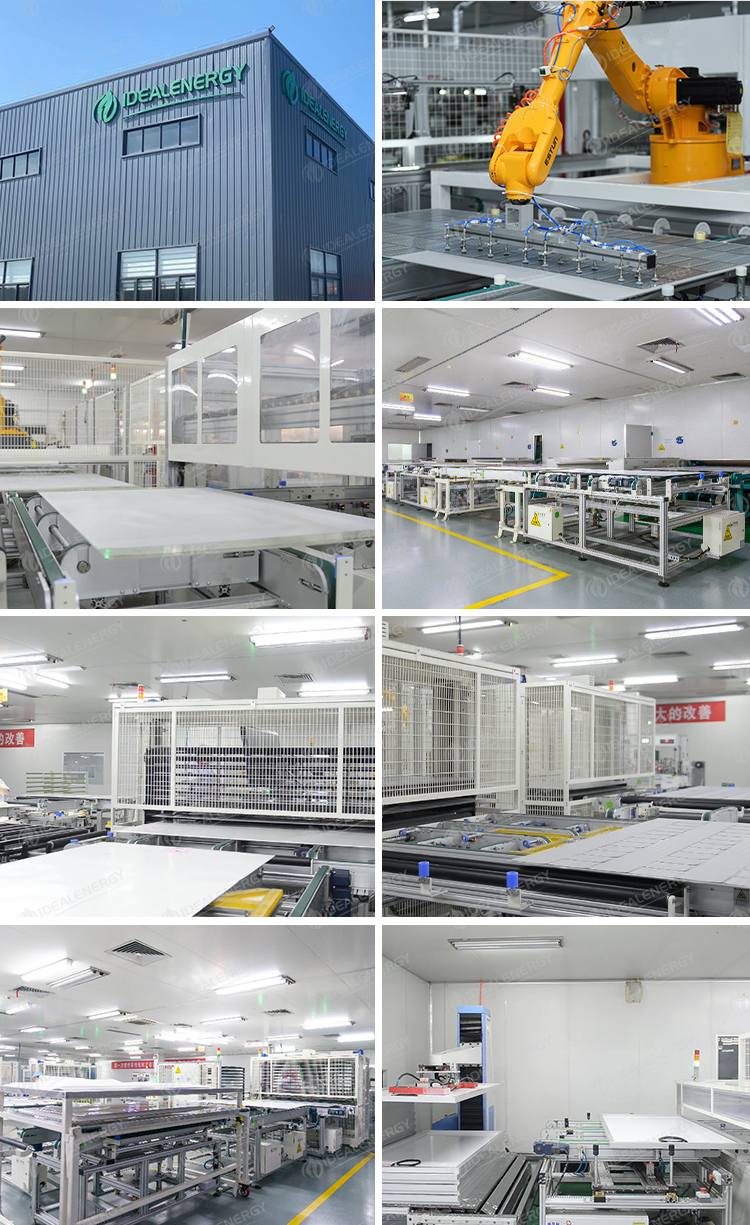
Our Factory
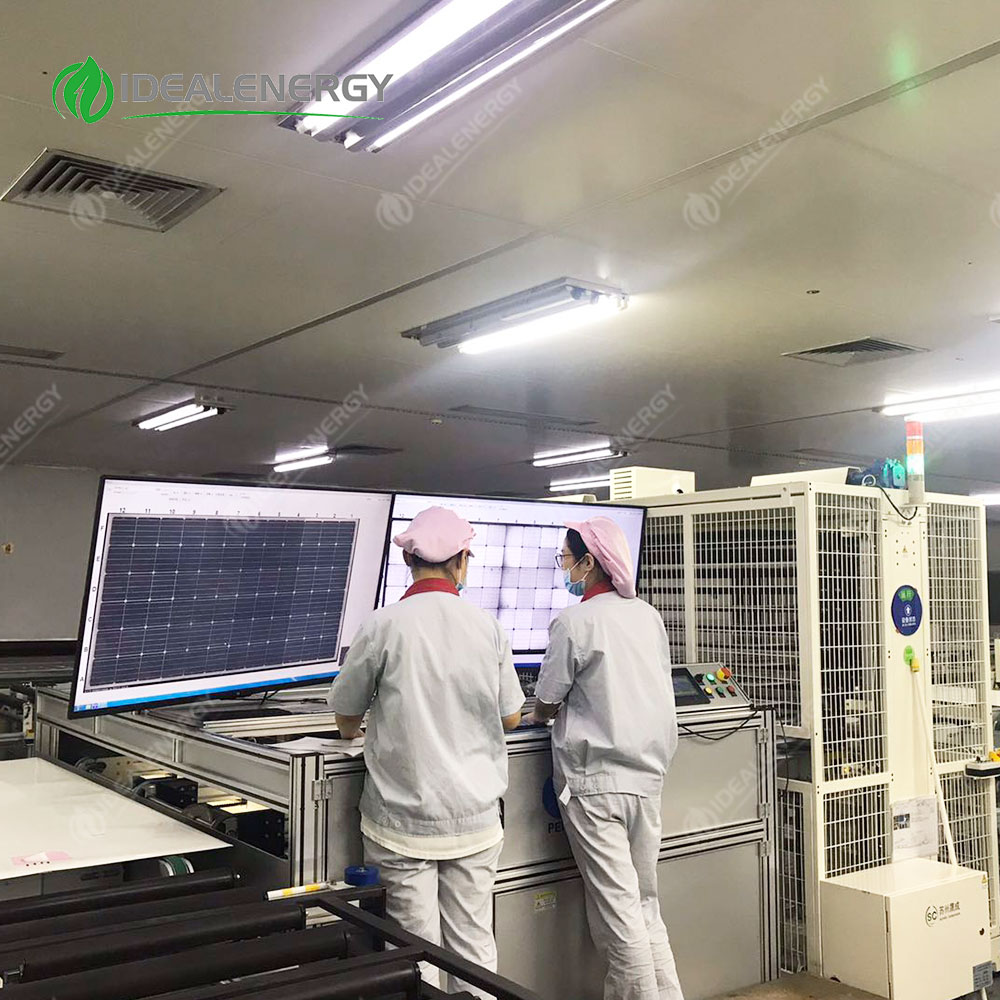
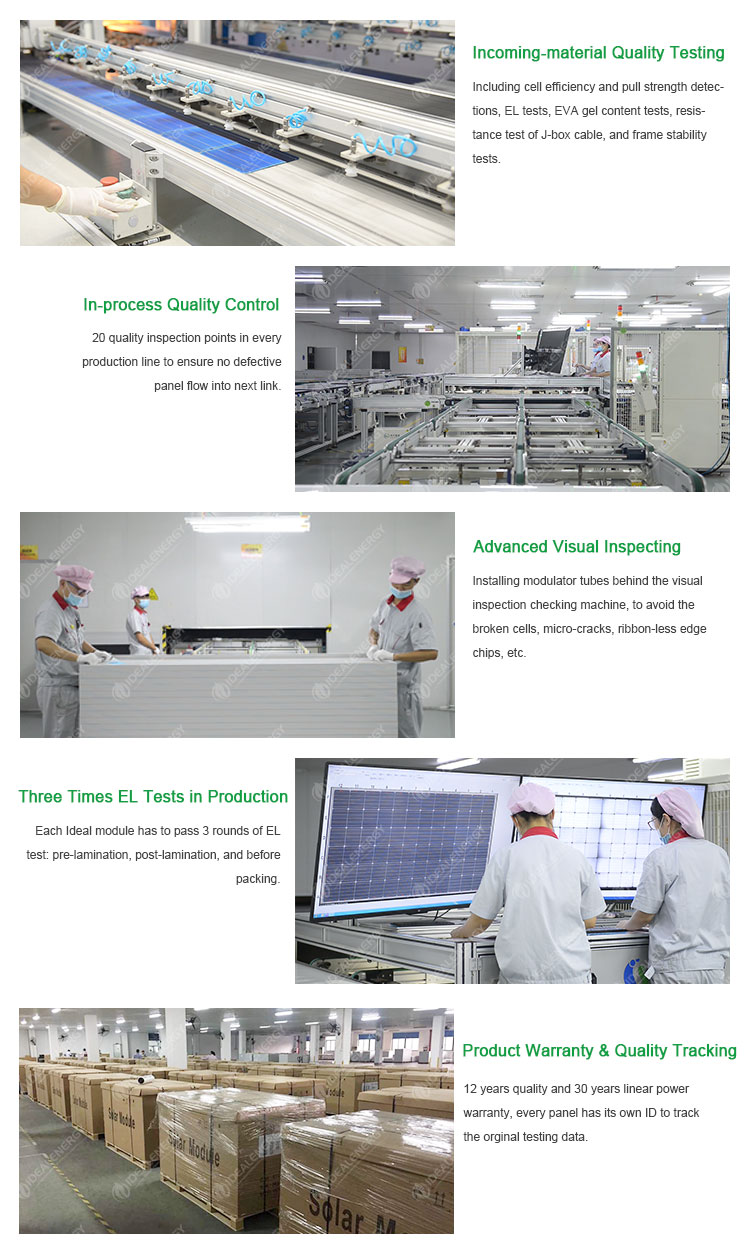
Strict QC System
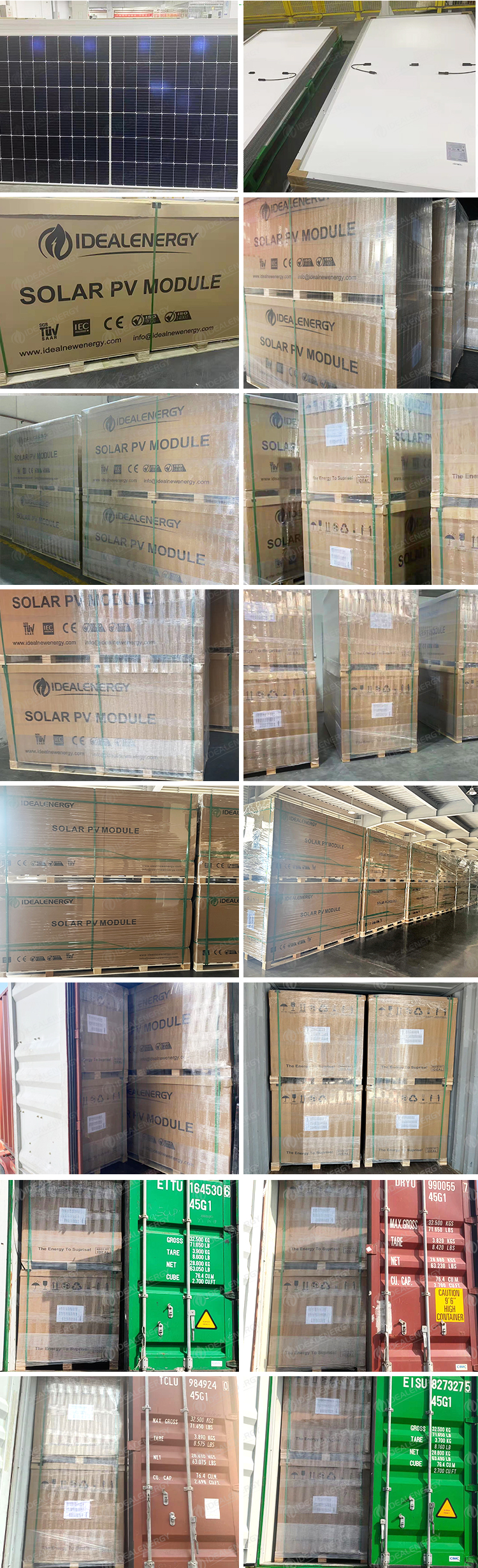
Packing & Delivery
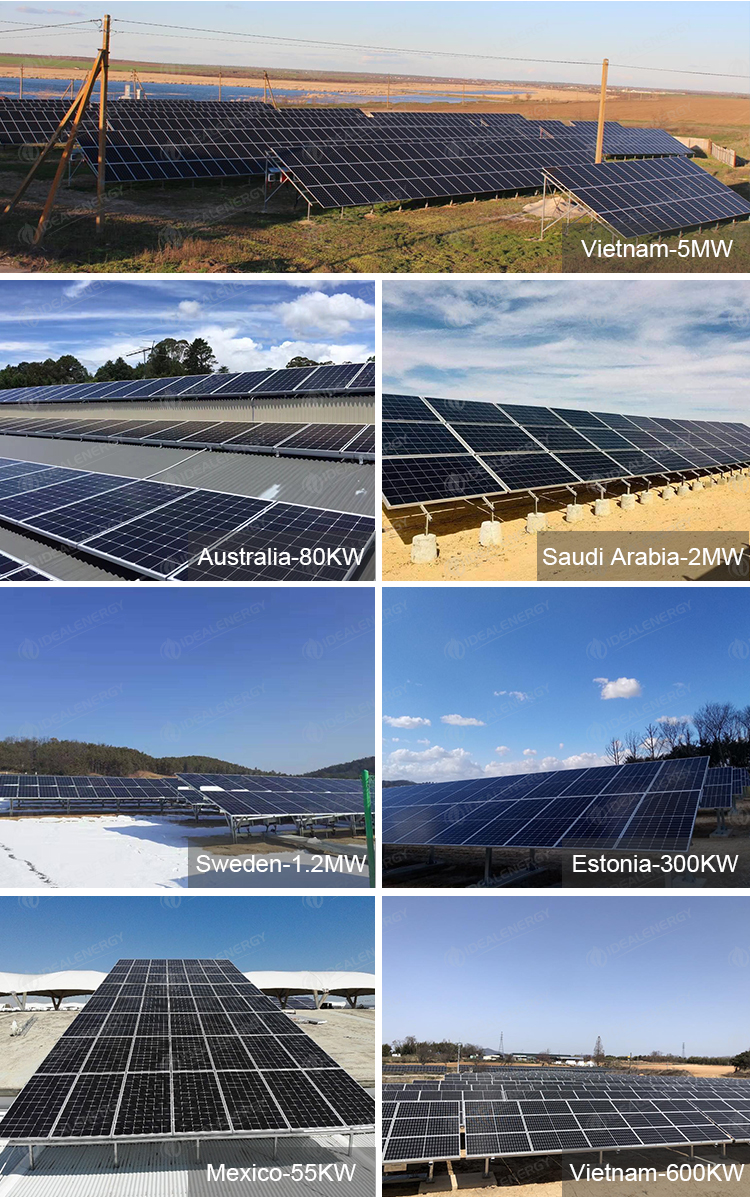
Application Cases
Customer Reviews
Frequently Asked Questions
Q
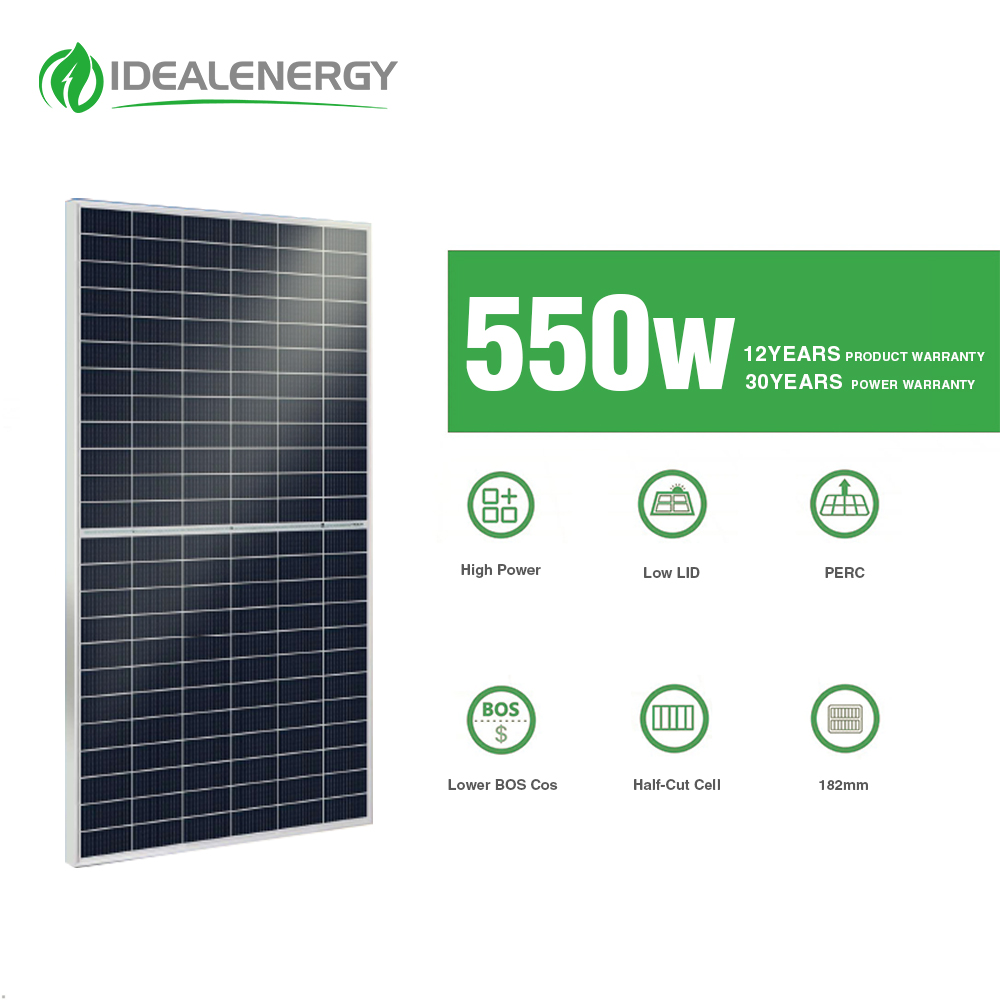
What are the main differences between the 530W-550W and 670W-710W series modules?
The main differences lie in the overall power class, cell arrangement, and dimensions. The 530-550W series is standard for commercial rooftop installations and utilizes a 72-cell layout (72MH). The 670-710W series features a higher density 66-cell layout (66MH) designed for ultra-high power output and larger solar projects.
Q
What standard test conditions (STC) are the module parameters based on?
The electrical specifications are measured under Standard Test Conditions (STC), which include an light irradiance of 1000 W/m², a module temperature of 25°C, and an air mass (AM) spectral density of 1.5.
Q
Do you provide OEM and ODM customization services?
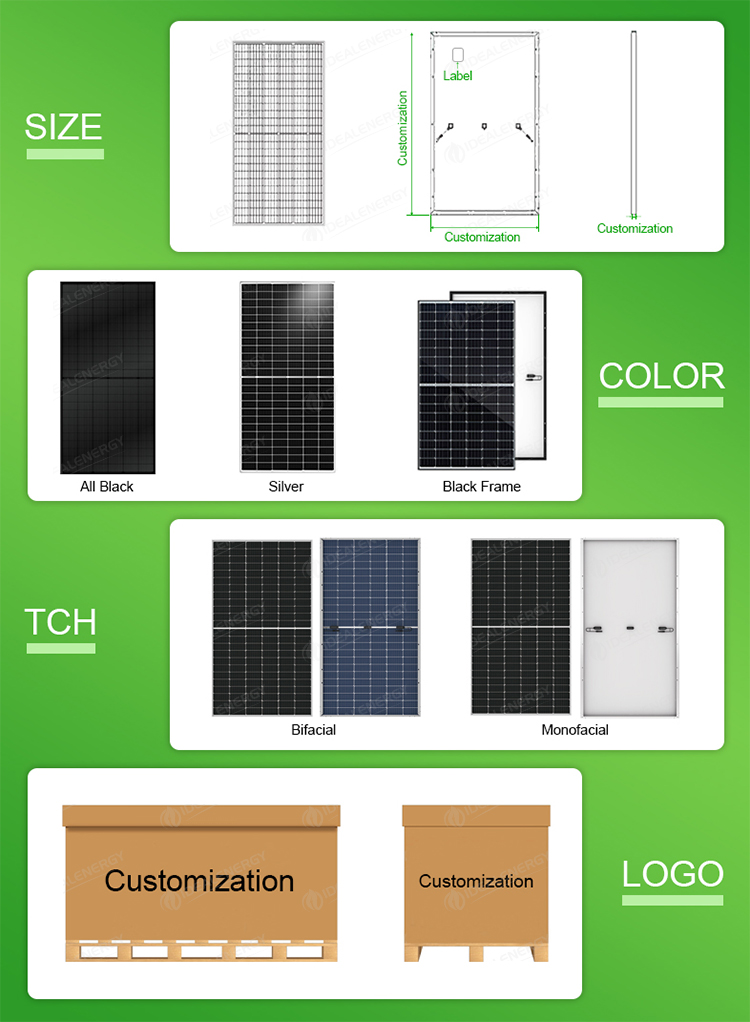
Yes, we offer comprehensive OEM and ODM support. We can customize solar panel frames, backsheets, cable lengths, connectors, packaging designs, and label branding to fit your project requirements.
Q
How does your quality control system ensure the reliability of the solar modules?
We implement a strict QC quality control process that includes incoming material inspection, multiple EL (Electroluminescence) tests before and after lamination to identify micro-cracks, flash test verification, and a final visual inspection.
Q
What are the recommended application scenarios for these panels?
These high-efficiency solar modules are versatile and ideal for grid-connected utility-scale solar farms, commercial and industrial (C&I) installations, residential rooftop arrays, and robust off-grid solar energy systems.
Q
How are the solar panels packed to prevent damage during logistics?
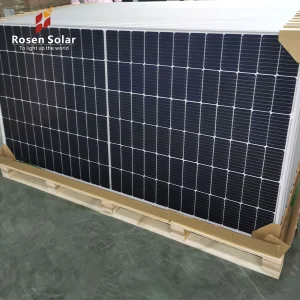
The solar modules are packed using heavy-duty seaworthy vertical packaging methods. We employ reinforced pallets, specialized corner protectors, and strong cardboard covers to shield the panels from physical vibration and potential micro-fractures during transport.
 Halkirk Solar