China Wholesale Solar Air Conditioner Manufacturer & Exporters

Empowering Global Clean Energy Transitions with Advanced Photovoltaic-Powered Thermal Technologies

Industrial Whitepaper: The Evolution of Solar-Assisted HVAC & Solar Air Conditioning Systems

A comprehensive analysis of design metrics, system configurations, and thermodynamic efficiencies engineered by Ningbo Halkirk Solar Co., Ltd.

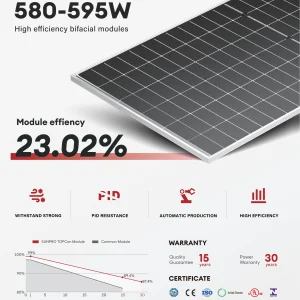
23.02%
Peak Module Efficiency
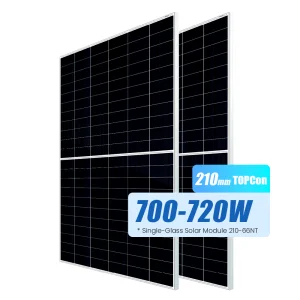
720W
Maximum Cell Output
100%
DC Direct-Drive Match
Ningbo
Manufacturing Hub

1. Core Technology: DC Direct-Drive and Hybrid PV Air Conditioning Systems

The global demand for energy-efficient climate control has driven the rapid development of solar-powered thermal systems. Solar air conditioners utilize photovoltaic (PV) modules to generate clean electricity, which directly drives variable frequency compressors. Unlike conventional HVAC units that rely solely on alternating current (AC) from utility grids, modern B2B solar air conditioning systems are configured in two primary topologies:

  • 100% Off-Grid Solar Air Conditioners (DC Direct): These systems run entirely on DC power generated by high-efficiency solar modules, supported by deep-cycle gel or lithium battery banks. Direct-drive DC design eliminates the need for an inverter, eliminating thermal energy losses of up to 12% commonly associated with DC-to-AC conversion. Designed for remote installations, telecom cabins, and off-grid facilities.
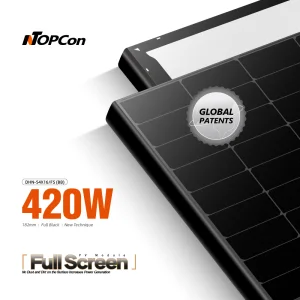
  • AC/DC Hybrid Solar Air Conditioners: Ideal for commercial properties with dual grid access. The system dynamically prioritizes incoming solar power generated by high-efficiency Topcon or HJT panels. During peak sunlight hours, solar power provides up to 100% of the compressor's energy demand. When solar irradiance drops below required thresholds, the intelligent system blends grid power seamlessly without interruption, maximizing Seasonal Energy Efficiency Ratio (SEER) values.

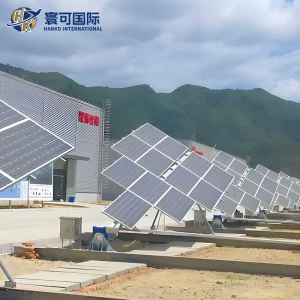
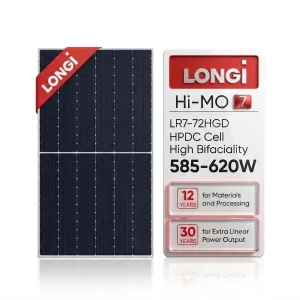
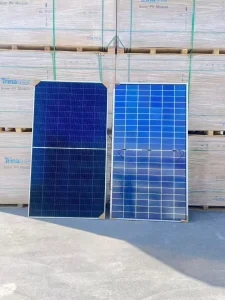
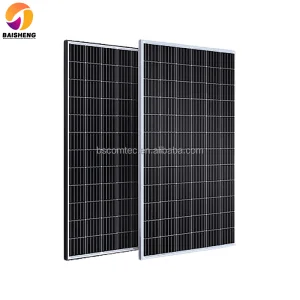
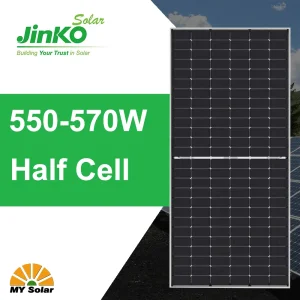
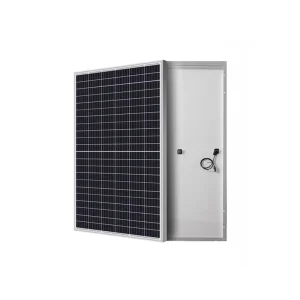
As a premier China solar air conditioner system component manufacturer and exporter, Ningbo Halkirk Solar Co., Ltd. provides the critical energy generation core. By integrating our high-output N-Type, Topcon, and HJT monocrystalline solar panels with advanced tracking hardware, we guarantee stable, peak-efficiency current generation required to run high-load compressor start-ups in industrial applications.

2. The Strategic Advantage of Ningbo Factory Clusters

Purchasing solar air conditioning equipment and supporting PV systems from Ningbo, China, yields unique logistical and manufacturing benefits:

Vertical Supply Integration

Ningbo hosts a complete supply chain from raw crystalline silicon and ingot manufacturing to intelligent inverter controls, heat exchangers, and variable-frequency DC compressors. This clustering optimizes production cycles and reduces component logistics costs.

Optimized Freight Economics

Situated adjacent to Ningbo-Zhoushan Port—one of the world's busiest container hubs—Ningbo factories ship goods to major markets like Europe, North America, the Middle East, and Southeast Asia at highly competitive ocean freight rates with minimized inland shipping lags.

Strict Quality Certifications

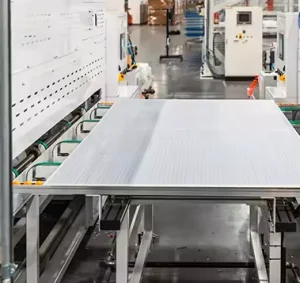
Ningbo export-oriented enterprises operate under rigorous ISO 9001 and ISO 14001 guidelines. Our manufacturing lines implement fully automated electroluminescence (EL) testing, ensuring micro-crack-free panels and zero-defect HVAC shipments.

3. Global Industrial & Localized Application Scenarios

Solar air conditioning systems are deployed in various environments where grid reliance is either cost-prohibitive or ecologically undesirable:

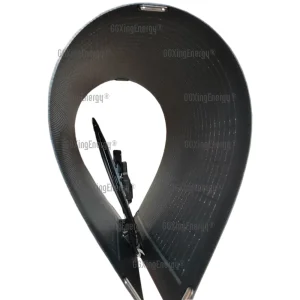
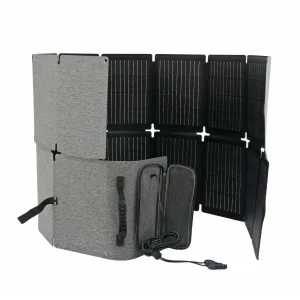
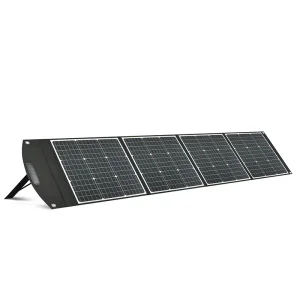
  • Off-Grid Off-Shore Marine & RV Applications: High humidity and salt-heavy environments damage conventional AC systems. Combining marine-grade bendable solar panels (like our 100W bendable and 200W foldable PV panels) with DC brushless marine air conditioners offers continuous cooling for yachts and long-haul transport vehicles without generator noise.
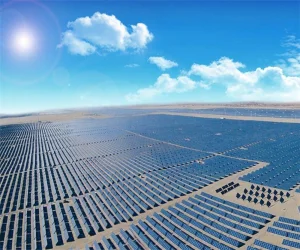
  • Remote Telecom Base Stations: Remote telecom towers in equatorial regions require 24/7 cooling to protect heat-sensitive transmission hardware. Solar direct-drive split units powered by utility-scale tracking platforms ensure stable cabinet temperatures and minimize expensive diesel generator fuel supply runs.
  • High-End Eco-Resorts and BIPV Residential Architectures: Modern architectural designs demand aesthetic symmetry. Building Integrated Photovoltaics (BIPV) utilizing polycrystalline or thin-film solar glass tiles generate the thermodynamic load offset required by villa air conditioners, lowering net carbon footprints to near-zero levels.
  • Agricultural Cold Storages and Food Preservation: In agrarian regions of developing countries, weak grid infrastructure causes product spoilage. Solar air cooling systems provide stable temperature management directly from PV arrays during high-insolation hours, precisely when cooling demands peak.

4. Macro Industry Trends: The Shift Towards Intelligent Smart Grids

The decarbonization of the global HVAC sector is driving three major technological developments:

  1. AI-Optimized Power Distribution: Next-generation solar AC units use machine learning controllers to predict solar irradiance drop-offs based on historical weather patterns. They proactively adjust compressor operating frequencies to match predicted power curves, reducing system reliance on chemical battery storage.
  2. Eco-Friendly Refrigerant Migration: Importers face strict local HFC regulations (like the EU F-Gas regulations). Leading China solar air conditioning exporters are converting their production systems to low Global Warming Potential (GWP) refrigerants like R32 and R290 (propane), ensuring long-term environmental compliance.
  3. Microgrid Integration (V2G & G2V): Modern solar air conditioners are no longer isolated energy sinks. They interface with broader factory microgrids, exporting excess solar energy back to warehouse lighting or energy storage units when the compressor runs at low capacity.

About Ningbo Halkirk Solar Co., Ltd.

Your Trusted Partner in High-Efficiency Photovoltaic Modules & Clean Energy Integration

Ningbo Halkirk Solar Co., Ltd. is a professional China solar panel manufacturer and monocrystalline & bifacial solar module supplier, dedicated to delivering high-efficiency renewable energy solutions to customers worldwide. Located in Ningbo, China, the company integrates research and development, manufacturing, quality control, and global sales to provide reliable solar products for residential, commercial, industrial, and utility-scale applications.

Halkirk Solar specializes in the production of monocrystalline solar panels, bifacial solar modules, TOPCon solar panels, N-type solar modules, off-grid solar solutions, on-grid solar systems, and customized photovoltaic products. Leveraging advanced cell technology and intelligent manufacturing processes, our products are designed to maximize energy output, improve conversion efficiency, and ensure long-term performance in diverse environmental conditions.

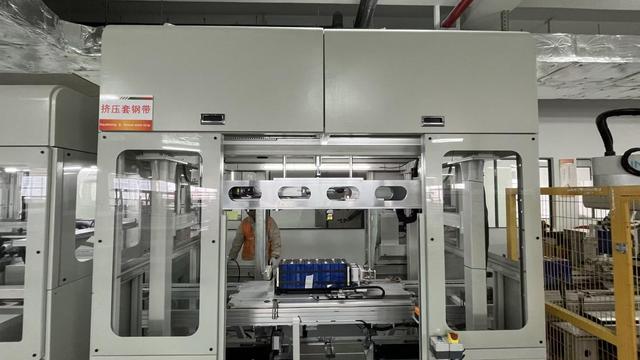
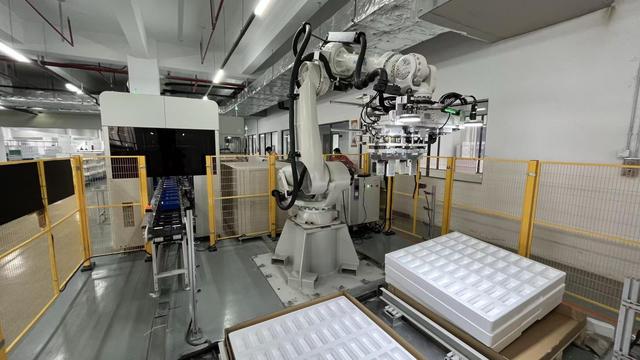
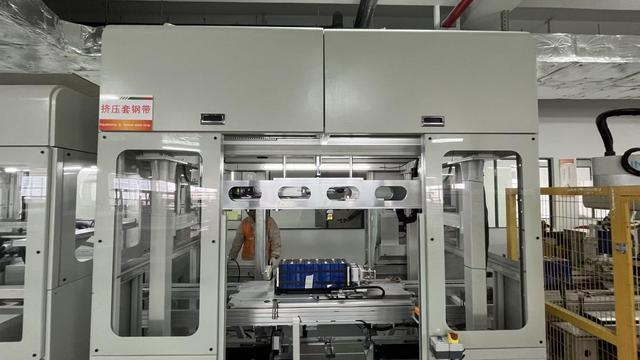
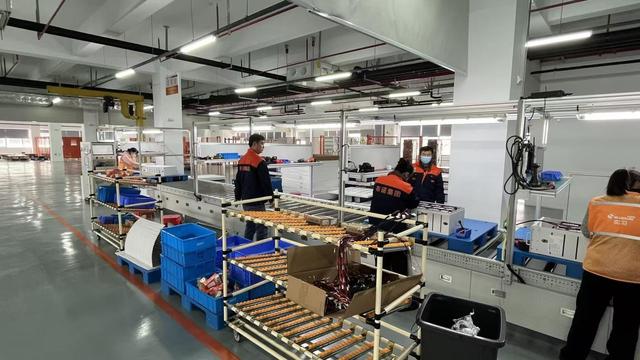
Our modern manufacturing facility is equipped with automated production lines, precision testing equipment, and strict quality management systems. Every solar module undergoes comprehensive inspections and performance testing to guarantee superior reliability, durability, and compliance with international standards. We are committed to providing products that meet the evolving demands of the global renewable energy market.

To better serve international customers, Halkirk Solar offers flexible OEM and ODM services for solar brands, distributors, EPC contractors, wholesalers, and project developers. Our experienced engineering and technical teams work closely with clients to deliver customized solar solutions tailored to specific project requirements, market demands, and branding needs.

Driven by innovation, sustainability, and customer satisfaction, Ningbo Halkirk Solar Co., Ltd. continues to expand its presence in global markets. We strive to become a trusted partner in the photovoltaic industry by providing high-quality solar modules and comprehensive clean energy solutions that contribute to a greener and more sustainable future.
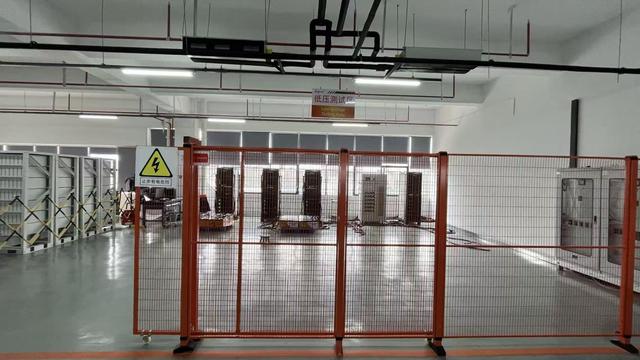
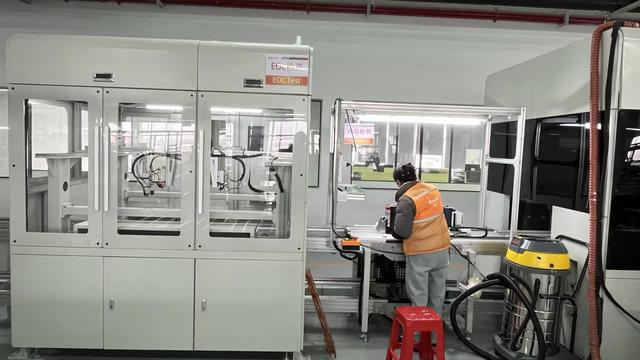
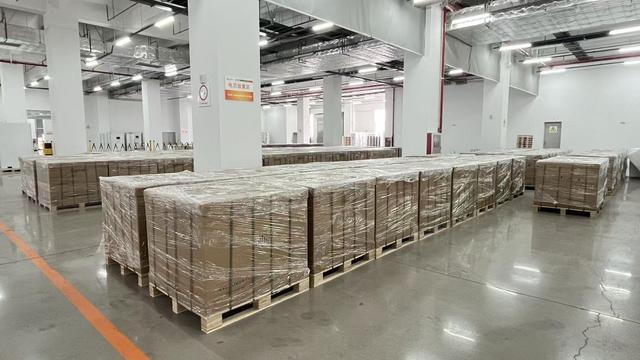
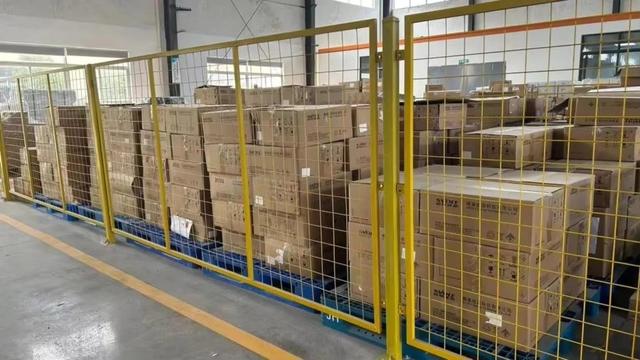
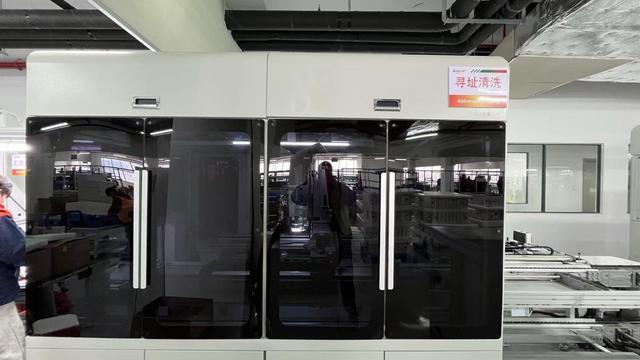
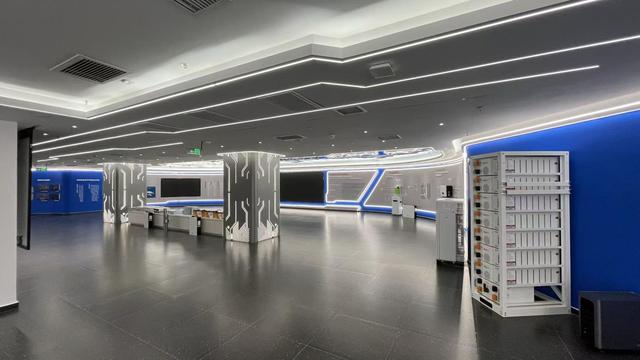
Ningbo Halkirk Solar Automated Production Line Solar Module Testing Quality Control

Global Procurement & Technical FAQ

Expert answers addressing compliance, logistics, structural planning, and design for international buyers.

Q1: How do I choose the correct solar panel capacity to match a specific BTU rating of a solar air conditioner?
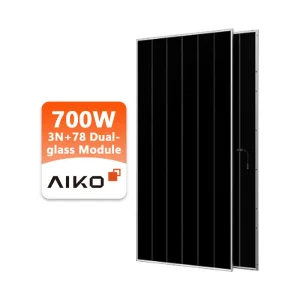
To ensure reliable off-grid operations, the nominal DC power output of your solar array must exceed the peak electrical consumption of the compressor by a minimum of 30% to account for ambient temperature losses. For example, a 12,000 BTU unit typically draws about 900W to 1,000W of electricity. We recommend pairing it with at least 1,300W of PV panels (e.g., two of our high-efficiency 650W or 700W TOPCon panels) to maintain constant cooling during low-insolation periods.
Q2: What are the main benefits of N-type HJT and TOPCon panels in solar air conditioning applications?
N-type TOPCon and HJT solar cells offer two key advantages: a superior temperature coefficient (-0.30%/°C to -0.34%/°C) and higher bifaciality rates (up to 85%). Standard panels drop output performance dramatically as ambient temperatures rise, precisely when air conditioning is needed most. N-type modules maintain stable current levels in hot desert or tropical environments, ensuring steady compressor operation.
Q3: Do your solar panels and system components carry certifications for US and European markets?
Yes, all PV modules manufactured by Ningbo Halkirk Solar Co., Ltd. are certified in compliance with international B2B regulations. Our products carry CE, TÜV Rheinland, IEC 61215, IEC 61730, and UL listings. This guarantees seamless import customs clearance, local utility approvals, and eligibility for regional tax credits or solar rebates.
Q4: What is the typical lead time for custom OEM/ODM packaging, labeling, and engineering designs?
Standard bulk orders of solar modules are completed and loaded at Ningbo Port within 15–20 days. For custom OEM branding, altered structural panel dimensions, or specific PV-to-HVAC distribution systems, the engineering R&D cycle takes 7–10 days, with complete order fulfillment taking 30 days. We offer full logistics visibility, direct-to-warehouse shipping, and duty-paid (DDP/CIF) contract services.
Q5: Can I run a solar air conditioner at night without batteries?
An AC/DC hybrid solar air conditioner can run at night without batteries. During the day, it runs on solar power, and at night, it switches automatically to grid AC power. However, for 100% off-grid setups, you will require a battery storage system (gel or Lithium-iron LiFePO4) to store surplus power generated during daytime peaks to power the unit at night.