The international transition towards decarbonization has positioned on-grid solar systems as the backbone of modern power distribution networks. Driven by aggressive zero-carbon deadlines, net-metering regulations, and grid modernization plans, commercial, industrial (C&I), and utility scales demand optimized levelized costs of electricity (LCOE). Central to this optimization is the rapid development of N-Type cell technologies, notably Tunnel Oxide Passivated Contact (TOPCon) and Heterojunction (HJT).
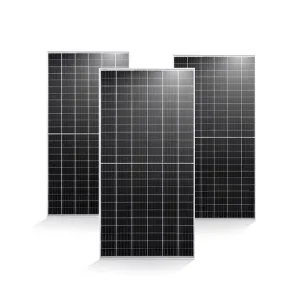
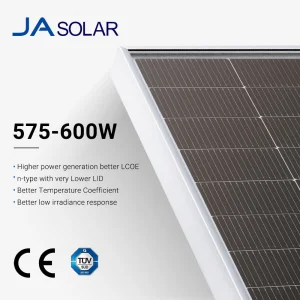
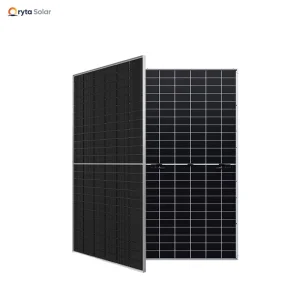
These technologies are supplanting conventional P-type PERC structures by elevating efficiency beyond 22.5%, improving the temperature coefficient to -0.30%/°C, and substantially mitigating Light-Induced Degradation (LID). Consequently, system architects and project developers are increasingly integrating high-power bifacial solar modules to harness albedo reflection on commercial roofs and utility ground mounts, realizing yield gains between 5% and 30%.
For international procurement departments, EPC contractors, and distribution networks, choosing a solar panel manufacturer requires evaluating systemic bankability, supply-chain traceability, and performance indicators under harsh conditions. Procurement focuses primarily on ensuring products meet rigorous global certification frameworks, including IEC 61215, IEC 61730, CE, and TUV.
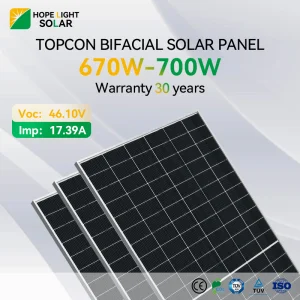
Guaranteed degradation curves (under 0.4% annually over 30 years) secure predictable long-term financial modeling for infrastructure investments.
Structural resilience against mechanical stress (5400 Pa front load, 2400 Pa back wind load) is critical to withstand high winds and heavy snow.
B2B operators prioritize partners who offer complete material origin audits, ensuring compliance with local import restrictions and tariff policies.
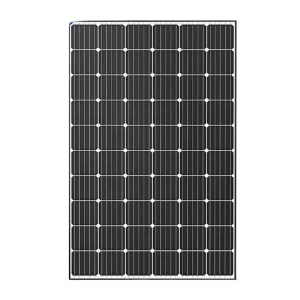
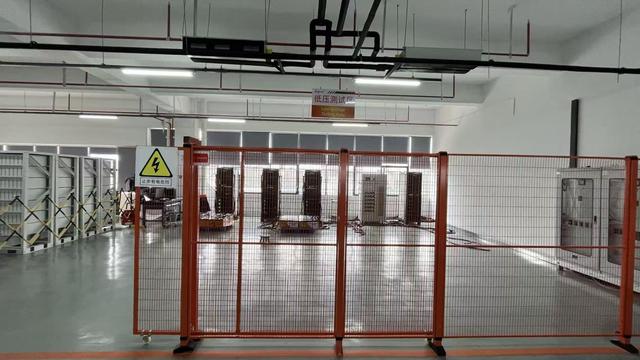
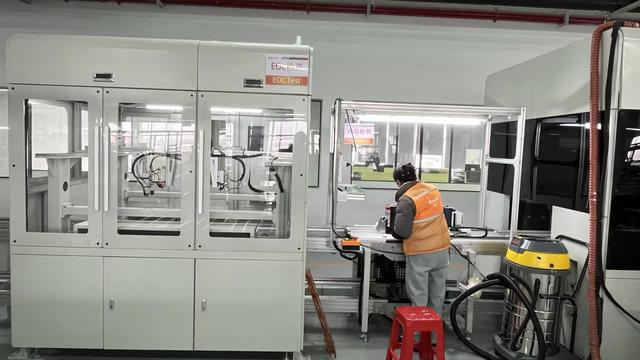
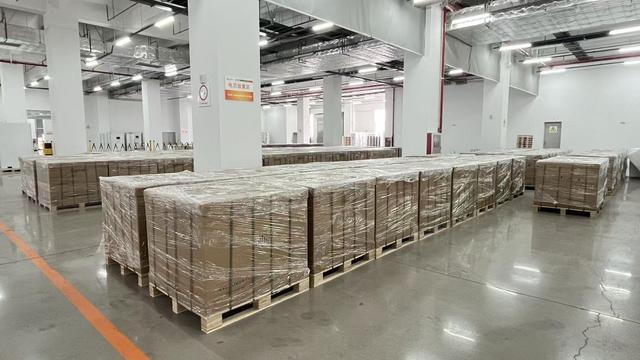
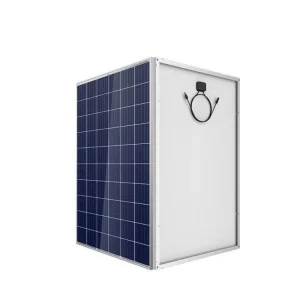
Based in Ningbo, China, Ningbo Halkirk Solar Co., Ltd. stands as a professional solar panel manufacturer and monocrystalline & bifacial solar module supplier. We operate state-of-the-art facilities that represent China's "Factory 4.0" paradigm. Integrating research and development, manufacturing, quality control, and global logistics, we supply clean energy solutions for residential, commercial, industrial, and utility scale projects worldwide.
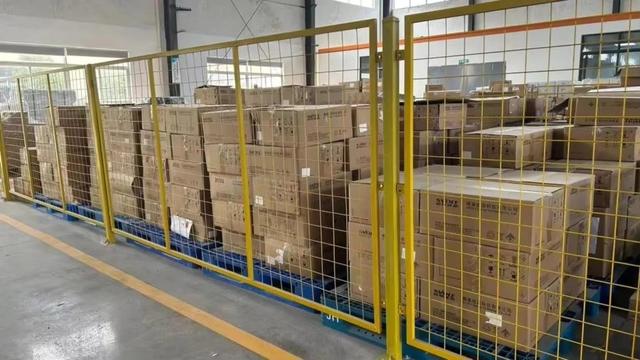
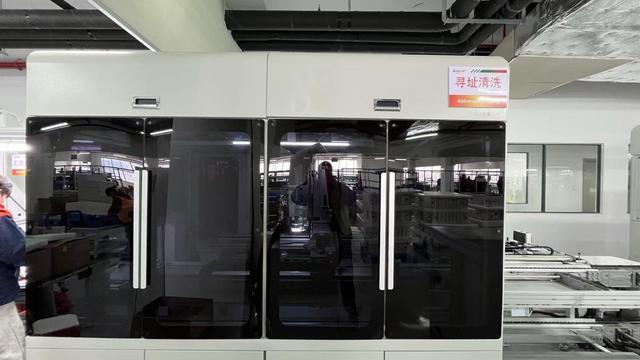
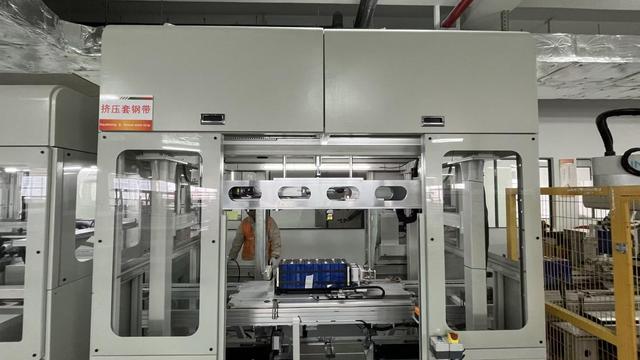
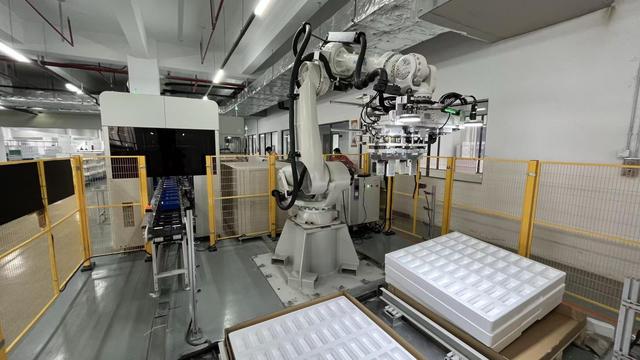
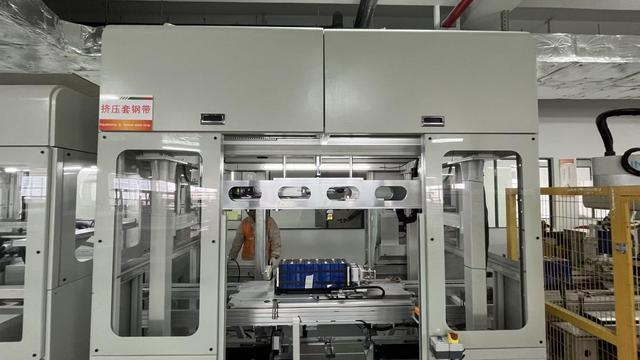
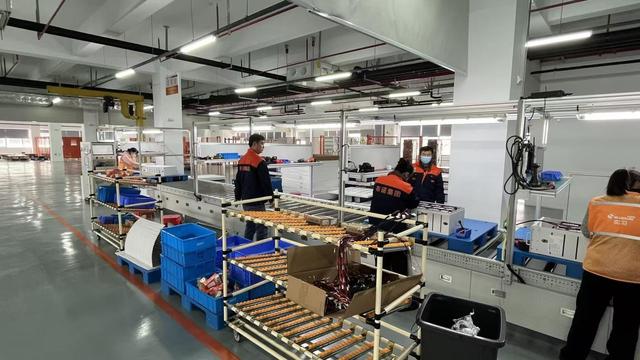
Our manufacturing facility leverages automated cell-sorting stringers, high-precision laminators, and multi-stage Electroluminescence (EL) imaging to eliminate microcracks, cold soldering, and visual anomalies. Strategically positioned close to Ningbo Port, we minimize inland logistics friction, assuring safe packaging and punctual international shipping.

On-grid photovoltaic systems operate in diverse environmental conditions worldwide. Adapting systems for these regions requires configuring specialized equipment to optimize performance and protect assets.
Industrial factories and logistics hubs leverage high-wattage monocrystalline systems to offset peak tariff rates, exporting surplus energy back to local grids under feed-in tariffs (FiT).
Agrivoltaics combine high-clearance mounting frameworks with N-type bifacial modules, generating clean power while allowing light transmission for crop growth underneath.
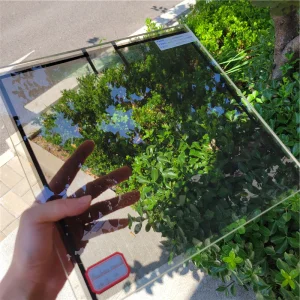
Harsh locations require anti-salt-mist coatings, ammonia resistance, and sand-abrasion protection. In these areas, dual-glass TOPCon modules perform reliably with minimal structural degradation.
Every installation presents unique structural and electrical demands. Ningbo Halkirk Solar supports distributors and EPC firms by offering extensive customization options to tailor performance and simplify integration.
Our customization options cover structural elements like anodized black frames, customized junction boxes with variable cable lengths, MC4 compatible connectors, and custom-designed dimensions (such as ultra-slim profiles for lightweight roof installations). In terms of electrical engineering, we provide custom power bin configurations and specific cell configurations, including monocrystalline PERC, N-Type TOPCon, and Heterojunction (HJT) cells. This versatility allows clients to match local grid parameters and optimize system design.
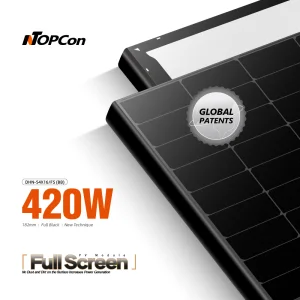
N-type TOPCon utilizes ultra-thin silicon oxide tunnel layers to reduce recombination losses, delivering excellent cost-to-performance ratios and cell efficiencies up to 23%. Heterojunction (HJT) combines crystalline silicon with amorphous thin-film layers. This yields a lower temperature coefficient (-0.26%/°C to -0.30%/°C) and a higher bifaciality factor (up to 85%-90%), making HJT highly suitable for extreme high-temperature and high-albedo environments.
Every production batch undergoes strict quality control protocols, including double Electroluminescence (EL) imaging to verify cell integrity before and after lamination. We perform IV flash testing to guarantee output tolerance within 0 to +5W, and expose modules to damp-heat, thermal cycle, and humidity-freeze stress testing to ensure long-term reliability.
Our OEM and ODM services include custom frame dimensions, anodized color variants (such as full black frames), junction box modifications, specific wire configurations, custom label markings, and custom shipping pallet design. We also configure custom cell densities and power classes to align with specific project and local grid requirements.
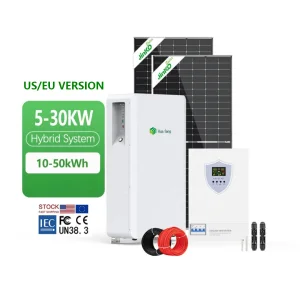
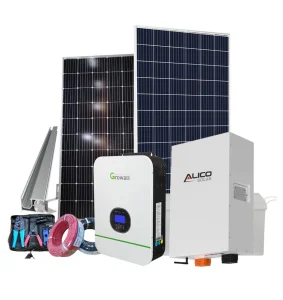
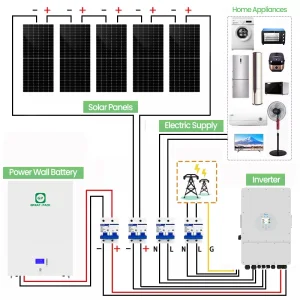
On-grid systems rely on grid-tied inverters equipped with anti-islanding protection (compliant with IEEE 1547 and IEC 62116). In the event of a grid failure, the inverter shuts down solar export within milliseconds to protect utility workers. For voltage fluctuations, high-grade commercial inverters dynamic-regulate reactive power injection to stabilize local distribution lines.
 Halkirk Solar