Top 10 HJT Solar Module Manufacturers & Global Supply Strategy

A Comprehensive Industry Whitepaper on Heterojunction Technology (HJT), Global Procurement Logistics, and the Strategic Role of Chinese Photovoltaic Manufacturing Hubs.

Featured Solar Modules & Engineering Solutions

Explore our top-performing monocrystalline, flexible, and high-efficiency double-glass photovoltaic modules engineered for diverse application scenarios.
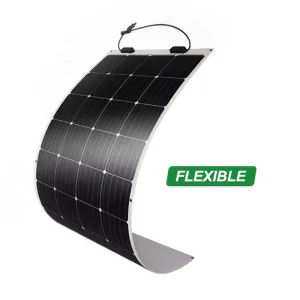
Factory Price 520W Light Weight Rollable Thin Film Flexible Home Use Solar Roof Solar Panels Flexible Solar Panels
View Details
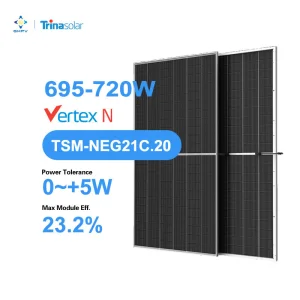
In Stock Trina Solar Vertex N-Type Bifacial Solar Panel 695W 720W | TSM-NEG21C.20 Double-Glass Module for Utility-Scale Projects
View Details
Modern Solar Address Signs & Eco-Friendly House Numbers IP65 Waterproof Solar Powered For Outdoor Wall Mounting
View Details
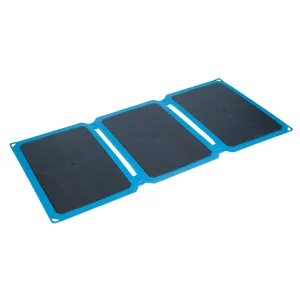
110W 18V ETFE High-Efficiency Portable Foldable Solar Panel Emergency Charger CE/FCC
View Details
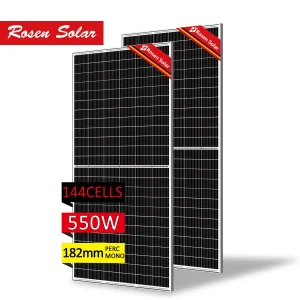
Rosen 550W Solar Panel off Grid Solar Power System
View Details
20W Mini Solar Panel with Excellent Outdoor Use Universal USB Charging Low Price N-Type Half Cell PEC Perc Type
View Details
OEM ODM Available Light-Weight Foldable 30W Mini Solar Panel Portable PV Module Monocrystalline Solar Cells with CE, TUV, ISO Certificates
View Details
EU Hot Selling 21W 30W 60W Foldable Flexible Waterproof Solar Panels Portable Energy Storage Solar Panel
View Details

1. Understanding Heterojunction Technology (HJT) in Modern Photovoltaics

The global transition toward carbon neutrality has accelerated technological innovation within the solar photovoltaic (PV) market. Among these innovations, Heterojunction Technology (HJT) has emerged as one of the most promising cell architectures, succeeding traditional Passivated Emitter and Rear Cell (PERC) and competing alongside Tunnel Oxide Passivated Contact (TOPCon) systems. HJT merges the benefits of crystalline silicon (c-Si) with thin-film silicon, depositing amorphous silicon (a-Si) layers on both sides of an N-type monocrystalline wafer.

25.5%+
Cell Conversion Efficiency
-0.26%/°C
Temp. Coefficient
90%+
Typical Bifaciality Factor
<0.3%
Annual Power Degradation

From a physics standpoint, HJT cells benefit from an extremely effective passivation layer structure. The core substrate is a high-lifetime N-type CZ monocrystalline silicon wafer. An ultra-thin layer of intrinsic amorphous silicon (i-a-Si) is deposited on both faces, followed by oppositely doped layers of amorphous silicon (P-type and N-type) to establish the p-n junction and back-surface field. This symmetrical structure reduces surface recombination velocity to single-digit cm/s levels, leading to high open-circuit voltages (Voc > 750 mV). A Transparent Conductive Oxide (TCO) layer, typically Indium Tin Oxide (ITO), is then deposited to facilitate lateral carrier collection and light incoupling, finished with low-temperature copper or silver grid lines.

Why Choose HJT Over TOPCon and PERC?

Unlike PERC and TOPCon which require multiple high-temperature oxidation and diffusion processes exceeding 800°C, HJT manufacturing processes are kept under 200°C. This low-thermal budget minimizes wafer warping and allows for wafers thinner than 110 micrometers, significantly reducing the carbon footprint of production and driving down raw material costs.

2. The Top 10 HJT Solar Module Manufacturers Globally

When selecting a supplier for large-scale utility projects, commercial and industrial (C&I) developments, or high-end residential systems, assessing the technical capabilities and bankability of top manufacturers is critical. Here is an overview of the top 10 global leaders currently driving HJT production capacity and technology development:

Rank / Brand Core Series / Brand Name Cell Efficiency Peak Notable Technologies Key Markets
1. Risen Energy Hyper-ion Series 25.8% Zero-Busbar (0BB), thin wafer, low carbon footprints Global Utility, EU, APAC
2. Huasun Energy Himalaya Series 26.15% Microcrystalline silicon layers, PIB sealant China, Europe, Japan
3. Tongwei Solar TNC/HJT High Power Modules 25.7% Shingled cell setups, high power density Global Utility Scale
4. Canadian Solar BiHiKu7 / EPEL 25.6% Dual-glass packaging, robust trackers compatibility Americas, Europe, LATAM
5. Ningbo Halkirk Solar Industrial HJT Bifacial Split Series 25.5% Split 144 cell, custom OEM/ODM packaging, flexible sizes Europe, SE Asia, MEA
6. REC Group Alpha Pure-R Series 25.3% Lead-free design, high density cell layout Europe, USA Residential
7. Meyer Burger Meyer Burger White / Black 25.4% SmartWire Connection Technology (SWCT) US, Western Europe
8. Jinergy Jinergy HJT Series 25.2% Optimized low-temp coefficients, PID resistant Asia-Pacific, East Europe
9. Akcome Optronics AK i-Power Series 25.3% 9BB/12BB designs, high light transmittance glass China, APAC C&I
10. Golden Solar Cast-Mono HJT 25.1% Cast-monocrystalline substrates, cost-effective Global Niche Markets

Competitive Landscape Insights

The HJT manufacturing space is experiencing consolidation alongside rapid capacity expansions. Companies like Huasun Energy and Risen Energy are scale-testing gigawatt-level manufacturing facilities, standardizing 130μm and 110μm silicon wafers. On the other hand, agile suppliers like Ningbo Halkirk Solar Co., Ltd. bridge the gap between large-scale manufacturing and flexible customization, supplying tailored HJT modules, customized size parameters, and bespoke OEM/ODM solutions to global distributors and EPC contractors.

3. Supplier Spotlight: Ningbo Halkirk Solar Co., Ltd.

Ningbo Halkirk Solar Co., Ltd. is a professional China solar panel manufacturer and monocrystalline & bifacial solar module supplier, dedicated to delivering high-efficiency renewable energy solutions to customers worldwide. Located in Ningbo, China, the company integrates research and development, manufacturing, quality control, and global sales to provide reliable solar products for residential, commercial, industrial, and utility-scale applications.

Halkirk Solar specializes in the production of monocrystalline solar panels, bifacial solar modules, TOPCon solar panels, N-type solar modules, off-grid solar solutions, on-grid solar systems, and customized photovoltaic products. Leveraging advanced cell technology and intelligent manufacturing processes, our products are designed to maximize energy output, improve conversion efficiency, and ensure long-term performance in diverse environmental conditions.

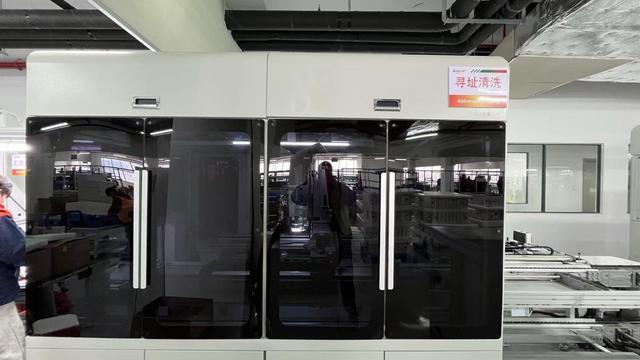
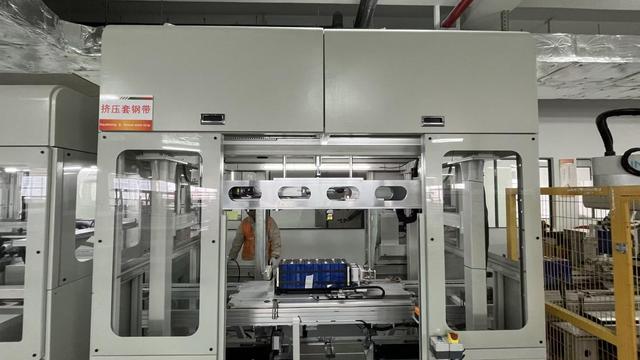
Our modern manufacturing facility is equipped with automated production lines, precision testing equipment, and strict quality management systems. Every solar module undergoes comprehensive inspections and performance testing to guarantee superior reliability, durability, and compliance with international standards. We are committed to providing products that meet the evolving demands of the global renewable energy market.

To better serve international customers, Halkirk Solar offers flexible OEM and ODM services for solar brands, distributors, EPC contractors, wholesalers, and project developers. Our experienced engineering and technical teams work closely with clients to deliver customized solar solutions tailored to specific project requirements, market demands, and branding needs. Driven by innovation, sustainability, and customer satisfaction, Ningbo Halkirk Solar Co., Ltd. continues to expand its presence in global markets, striving to become a trusted partner in the photovoltaic industry by providing high-quality solar modules and comprehensive clean energy solutions that contribute to a greener and more sustainable future.
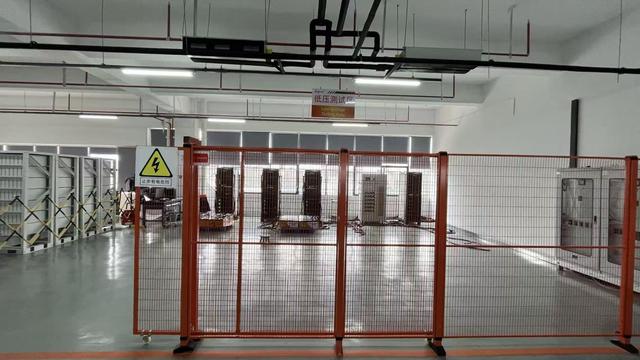
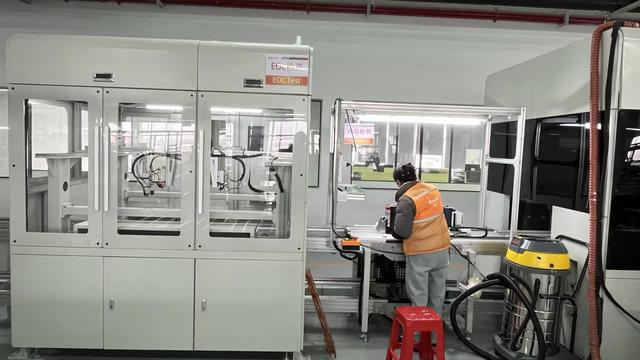
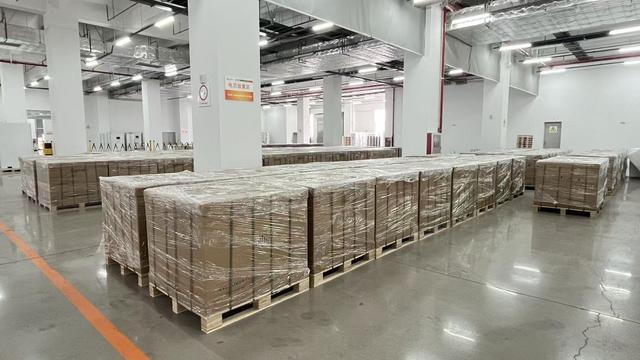
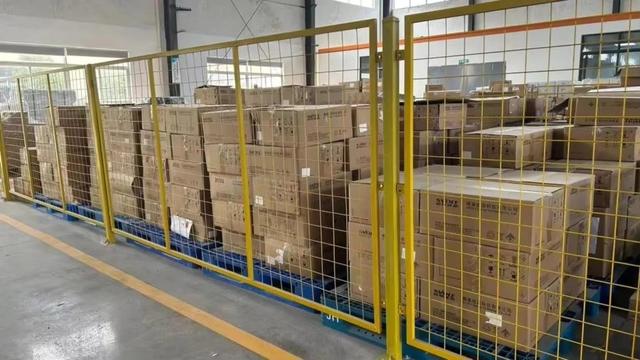
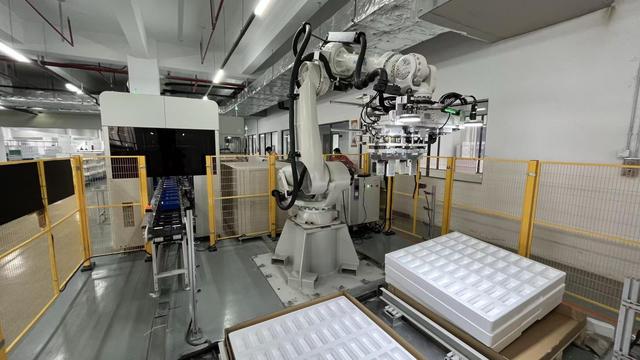
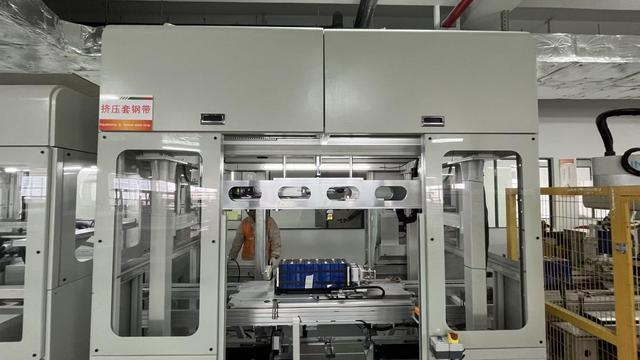
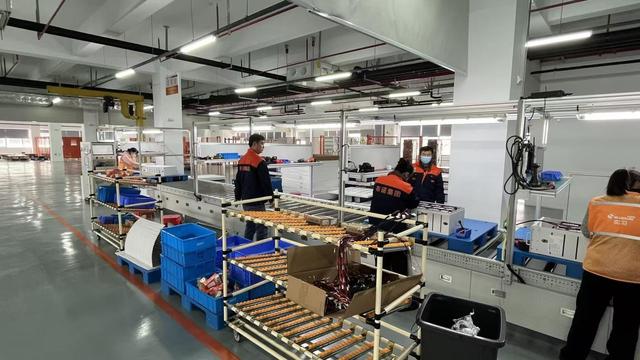
Halkirk Solar Production & Logistics Facility

4. China's Factory Supply Chain & Ecosystem Advantage

The dominance of China-based manufacturers in the solar photovoltaic market is not merely a product of labor arbitrage; it is the result of deep integration across the entire supply chain. For HJT modules, this supply chain advantage is particularly pronounced in several key areas:

  • Raw Material Clustering: High-grade quartz mining, polysilicon purification, and N-type ingot pulling facilities are clustered in regions like Inner Mongolia, Xinjiang, and Sichuan. This geographical proximity reduces transit costs and keeps raw material pipelines stable.
  • Advanced Equipment Localization: In the early phases of HJT development, manufacturers relied on high-cost imported vacuum deposition systems from Europe. Today, Chinese equipment manufacturers (such as Maxwell Technologies and GS-Solar) deliver PECVD (Plasma Enhanced Chemical Vapor Deposition) and PVD (Physical Vapor Deposition) systems that match or exceed Western throughput rates at a fraction of the capital expenditure.
  • Port Logistics and Shipping Hubs: Leading manufacturers located in East China, particularly in Ningbo and Suzhou, benefit from access to the Port of Ningbo-Zhoushan—the world’s busiest port by cargo tonnage. This allows for direct sea transport to key destinations in Europe, North America, and Southeast Asia, significantly lowering freight costs and transit risks.

5. Global Procurement Requirements & Compliance Safeguards

Procuring utility-grade or commercial-grade HJT solar modules requires navigating complex regulatory standards, compliance certifications, and financial structures. As global standards evolve, international buyers must establish rigorous diligence frameworks:

Certifications & Bankability
Ensure systems comply with IEC 61215, IEC 61730, UL 61730, and CE standards. BloombergNEF (BNEF) Tier 1 status remains a benchmark for bankability in utility-scale project financing.
ESG & Carbon Audits
EU regulations increasingly mandate strict environmental impact profiles. Lifecycle analysis (LCA) and carbon footprint verifications (such as French Certisolis) are crucial for accessing competitive tariffs.
Supply Chain Traceability
With import frameworks like the Uyghur Forced Labor Prevention Act (UFLPA) in the US and similar EU initiatives, establishing traceability of polysilicon back to the mine is vital.

6. Industry Trends: The Future of Heterojunction Technology

Looking ahead, HJT technology is poised to integrate several high-impact innovations that will secure its position as the premium module architecture:

  1. Perovskite-Silicon Tandem Cells: Due to HJT's flat surface topography and low processing temperatures, it serves as the ideal bottom cell for perovskite tandem integrations. Tandem cell configurations in lab environments have achieved conversion efficiencies exceeding 30%, which could lead to commercial module ratings of 27-28% within the next decade.
  2. Silver-Coated Copper (Ag-Cu) Paste and Copper Plating: To address Indium and Silver supply constraints, manufacturers are adopting silver-coated copper pastes. This cuts paste costs by up to 35% without degrading reliability, paving the way for metallization via direct copper electroplating.
  3. Zero-Busbar (0BB) Interconnection: Eliminating traditional busbars in favor of multi-wire mesh foils (like SmartWire or specialized grid structures) reduces shadow losses, shortens the carrier transmission path, and lowers silver consumption per watt.

7. Technical Engineering Scenarios for HJT

HJT solar modules are not just standard panels; they are specialized tools designed for high performance in challenging environmental conditions. The engineering profiles of HJT systems are highly suited to the following deployment scenarios:

  • High Albedo Terrain Installations: With a bifaciality factor of 85-95%, HJT modules generate up to 10-15% more backside energy than TOPCon counterparts in locations with high ground reflectivity (albedo), such as sandy deserts, gravel-rich utility sites, and snowfields.
  • High-Temperature Climates: Because of a temperature coefficient of -0.26%/°C (vs -0.34%/°C for traditional p-type modules), HJT panels experience lower efficiency drops in hot regions like West Asia and Northern Africa. On hot summer afternoons when module temperatures reach 65°C, HJT modules can generate 3-5% more energy per kilowatt-peak (kWp) than standard alternatives.
  • Floating PV (FPV) and Coastal Projects: HJT modules featuring dual-glass configurations and polyisobutylene (PIB) edge sealants resist water vapor penetration, micro-cracks, and Potential Induced Degradation (PID) in high-salinity and high-humidity environments.

Technical & Procurement FAQ

What is the key difference between HJT and TOPCon modules?
While both are high-efficiency N-type options, TOPCon uses a tunneling oxide layer with polysilicon, requiring high-temperature processing steps. HJT combines crystalline silicon with thin-film amorphous silicon in a low-temperature process. HJT offers a better temperature coefficient, higher bifaciality, fewer processing steps, and is easier to integrate with perovskite tandem layers.
Why are HJT modules considered highly resistant to PID and LID?
HJT cells are built on N-type silicon wafers, which are free from boron-oxygen complexes, eliminating Light-Induced Degradation (LID). Additionally, their symmetrical design and conductive TCO layer prevent the charge buildup that causes Potential Induced Degradation (PID), ensuring long-term field stability.
What certifications are required to import HJT modules into Europe?
To import modules into Europe, manufacturers must comply with CE directives (LVD and EMC) and carry IEC 61215 and IEC 61730 certificates from recognized testing houses like TUV. For specific regions like France, a Carbon Footprint Certification (Certisolis ECS) is required. WEEE registration is also mandatory for electrical waste recycling compliance.
How does the temperature coefficient affect real-world solar yield?
Standard PV modules are rated at 25°C. In the field, sun exposure can push cell temperatures to 60°C or higher. A module with a temperature coefficient of -0.26%/°C (like HJT) loses only 9.1% performance at 60°C, whereas a module with a coefficient of -0.35%/°C loses 12.25%. This difference leads to higher energy generation in hot conditions.
Can HJT solar panels be customized for OEM/ODM projects?
Yes, agile manufacturers like Ningbo Halkirk Solar Co., Ltd. specialize in matching custom size footprints, varied cell slice outputs (e.g., 144 split cells, 120 split cells), bespoke frame materials (such as anodized aluminum or all-black aesthetics), and custom junction box cable lengths for specific residential, commercial, or marine installations.

Premium Solar Panels Portfolio

High-power N-type bifacial modules, custom ETFE folding chargers, and residential-grade energy generation panels.
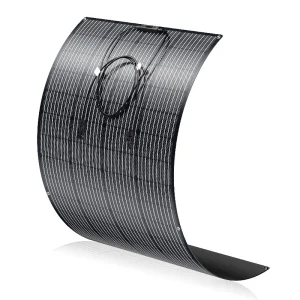
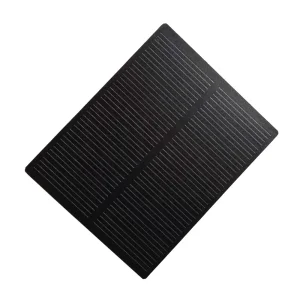
OEM,ODM Available Ultra-Lightweight 100W Flexible Thin Film Solar Panel for RV,Yachts Home Roof Tiles Power Supply
View Details
Custom Design Size Etfe Monocrystalline Solar Panels Mono 5.5w 5w 18 Volt Portable Pet Laminated Small Solar Panel for Home Use
View Details
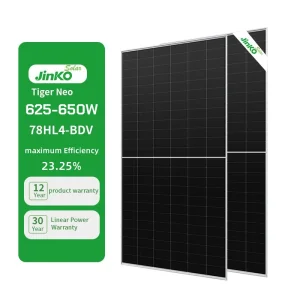
Hot Selling Jinko Bifacial Double Glass 630W 640W 650W Solar Panel for Home Solar System
View Details
For Photovoltaic Module 620W HPDC Bifacial IBC PERC All Black Solar Panel 23.0% Max Efficiency High-Capacity Utility Scale
View Details
Utility-Scale 650W-660W N-Type PERC Double Glass Solar Panel Silver Frame 20.93-21.25% Efficiency 210mm Cell Size for Large
View Details
Flexible 18V Monocrystalline Solar Panel for Mobile Phone and Car Charging
View Details
420w 450w 500w 620w 720w Mono Perc Solar Pnaels 48v Panels Solares 630 Watts Panel Solar 600 Watts De 630 Wattios Bifacial
View Details
Industrial Hjt Bifacial Split 144 Cell n Type Solar Panel 400wp 500w 480 w 500 Watt 540 Wp 560w 750w 1000watts Solar Pv Panel
View Details