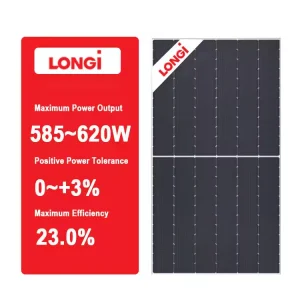
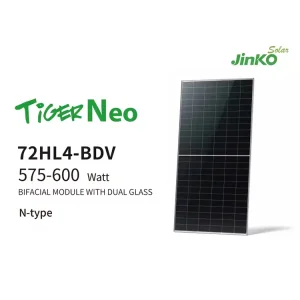
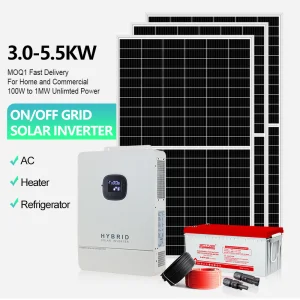
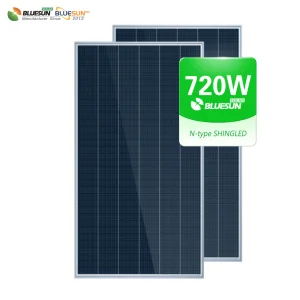
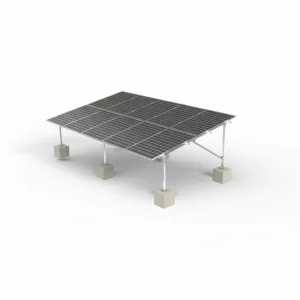
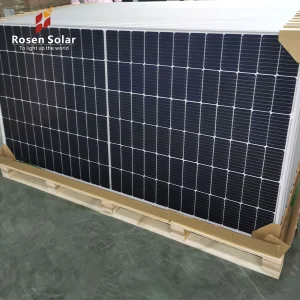
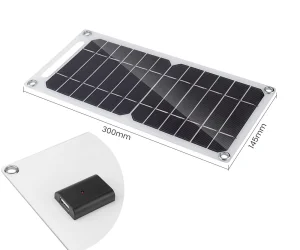
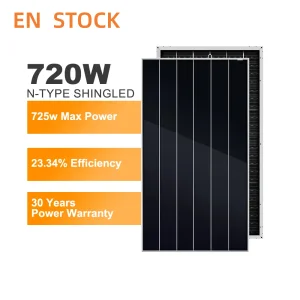
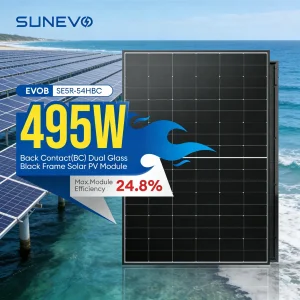
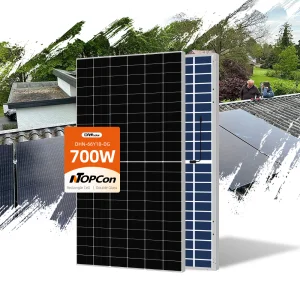
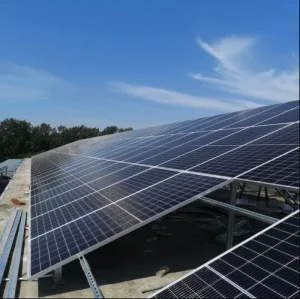
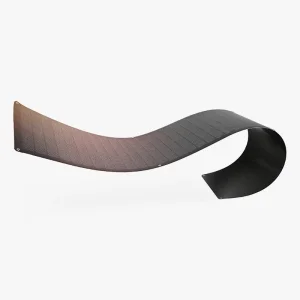
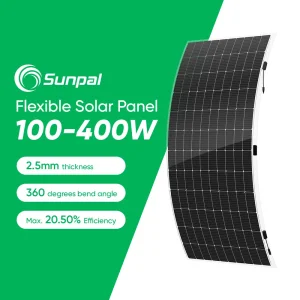
High-efficiency solar cells, bifacial modules, and complete power generation configurations engineered for municipal integration.
The global transition to smart municipal infrastructure is driving an unprecedented evolution in solar street lighting. Systems are transitioning from passive lighting grids to interactive edge-nodes of Smart Cities. High-efficacy LED chips, coupled with advanced energy storage and high-power density photovoltaic modules, are dramatically reducing Levelized Cost of Energy (LCOE) for public lighting works.
Information Gain Insight: Modern procurement criteria have shifted from looking at the initial capital expenditure (CAPEX) to looking at the total cost of ownership (TCO). This values system longevity, degradation curves, intelligent dimming profiles, and component-level repairability above raw upfront cost savings.
Ningbo Halkirk Solar Co., Ltd. is a professional China solar panel manufacturer and monocrystalline & bifacial solar module supplier, dedicated to delivering high-efficiency renewable energy solutions to customers worldwide. Located in Ningbo, China, the company integrates research and development, manufacturing, quality control, and global sales to provide reliable solar products for residential, commercial, industrial, and utility-scale applications.
Halkirk Solar specializes in the production of monocrystalline solar panels, bifacial solar modules, TOPCon solar panels, N-type solar modules, off-grid solar solutions, on-grid solar systems, and customized photovoltaic products. Leveraging advanced cell technology and intelligent manufacturing processes, our products are designed to maximize energy output, improve conversion efficiency, and ensure long-term performance in diverse environmental conditions.
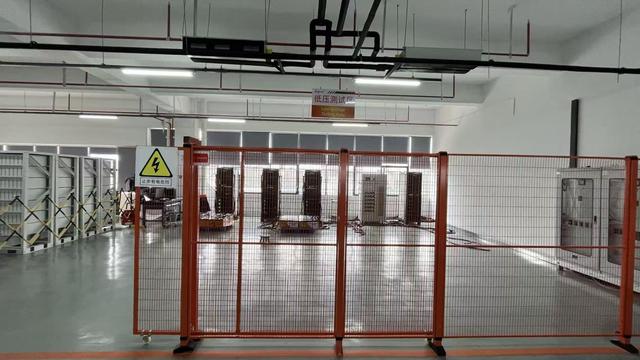
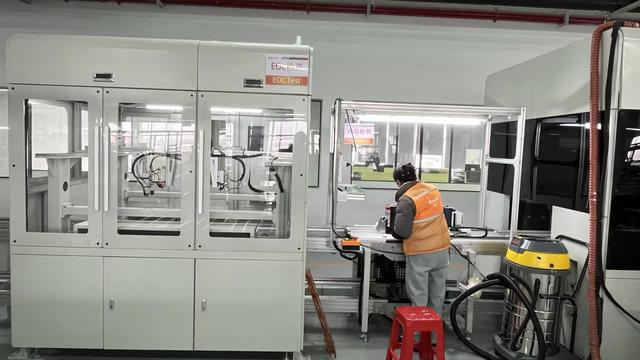
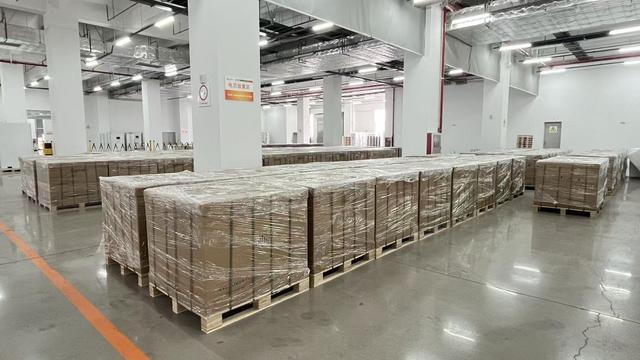
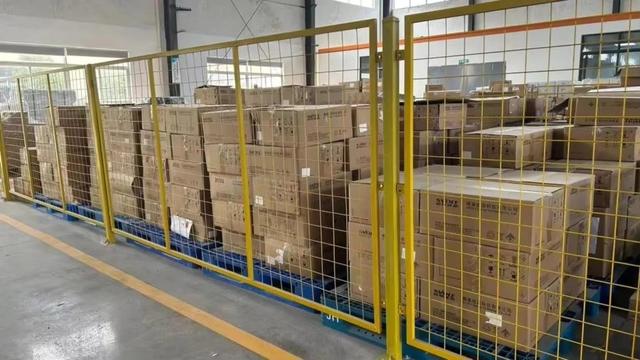
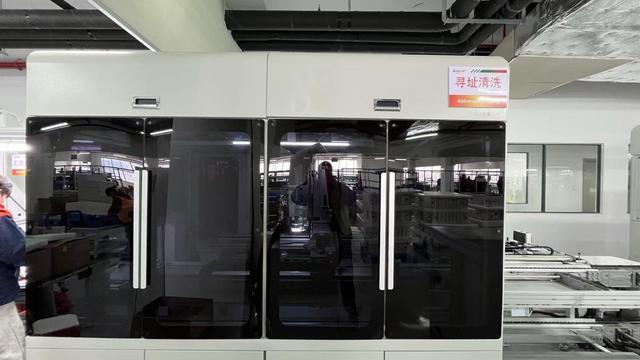
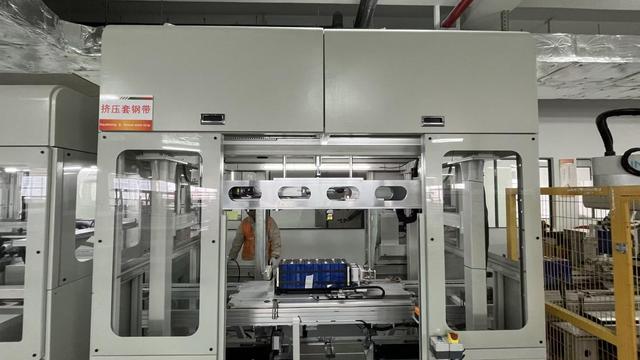
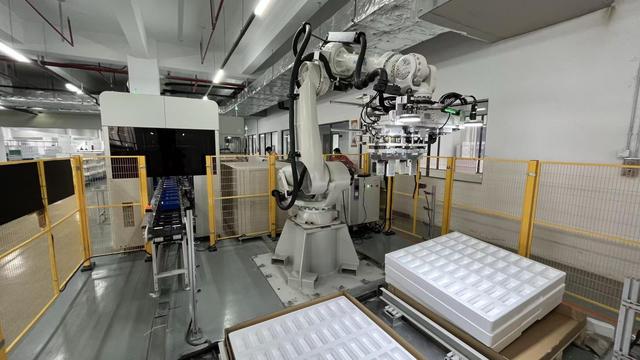
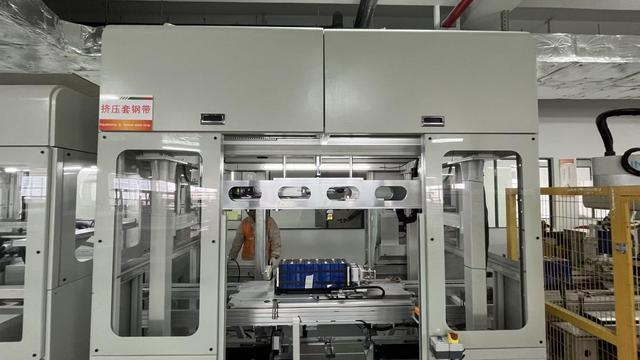
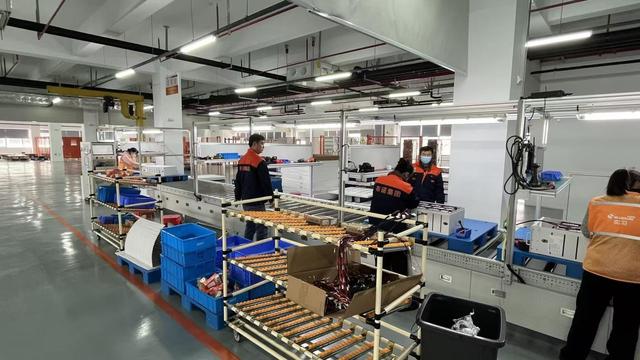
Our modern manufacturing facility is equipped with automated production lines, precision testing equipment, and strict quality management systems. Every solar module undergoes comprehensive inspections and performance testing to guarantee superior reliability, durability, and compliance with international standards. We are committed to providing products that meet the evolving demands of the global renewable energy market.
To better serve international customers, Halkirk Solar offers flexible OEM and ODM services for solar brands, distributors, EPC contractors, wholesalers, and project developers. Our experienced engineering and technical teams work closely with clients to deliver customized solar solutions tailored to specific project requirements, market demands, and branding needs.
| Technical Category | Specifications & Capacity |
|---|---|
| Module Types | Monocrystalline, Bifacial, N-type TOPCon |
| Power Ranges Offered | Up to 750W+ with custom dimensions |
| Integration Target | Smart Solar Street Lighting & Industrial Storage |
| Services | OEM, ODM, Site-Specific Engineering Support |
| Certification Scope | CE, IEC, ISO 9001/14001, RoHS Compliance |
Navigating the global marketplace requires identifying suppliers that can provide complete system engineering. The top-tier manufacturers in this segment are characterized by vertically integrated manufacturing, high R&D capability, and extensive compliance tracking. Below is a structured layout detailing the manufacturer classes that dominate today's market:
These are massive conglomerates that control the process from silicon ingot pulling to complete luminaires. Highly bankable, with massive production volumes, but they often lack project-specific flexibility.
Manufacturers focused solely on public street lighting systems. They offer complete compliance setups (ENEC, CE, SASO) and perform wind resistance, lumen depreciation, and isolux curve calculations.
Suppliers like Ningbo Halkirk Solar that act as strategic technology enablers, delivering tailored components, such as high-efficiency monocrystalline cell layers and modular hybrid solar controllers, that are integrated into custom fixture housings.
Methodological Insight: When selecting an exporter, verify their mechanical engineering compliance. Solar street lights must withstand specific wind loads (measured in m/s or KN/m²). For example, Halkirk Solar's modules are rated up to 55m/s wind loads, ensuring structural survival when integrated onto heavy steel poles in coastal storm zones.
Modern solar street lights generally follow three architecture archetypes. Understanding their trade-offs is critical to aligning your procurement with regional site conditions:
| Feature Matrix | All-in-One (Integrated) | All-in-Two (Semi-Split) | Split Type (Traditional) |
|---|---|---|---|
| PV Positioning | Fixed to the luminaire body | Independently adjustable (Top) | Fully customized orientation |
| Battery Placement | Integrated inside light housing | Inside PV mount bracket | Underground vault or post base |
| Max Power Output | Typical up to 100W LED | Typical up to 150W LED | Highly scalable, up to 300W+ |
| Maintenance Profile | Easy module replacement | Moderate accessibility | Demands complex troubleshooting |
| Wind Resistance | Very High (low drag profile) | High (engineered joints) | Dependent on pole and rack design |
Because the physical space on a street light pole is limited, the conversion efficiency of the integrated solar panel is crucial. A standard P-type PERC cell operates at 20-21% efficiency, whereas modern N-type TOPCon cells (such as those manufactured by Halkirk Solar) achieve efficiencies exceeding 22.5% to 24%. This directly translates to more harvested energy per square centimeter, allowing for longer operational times (higher Autonomy Days) during heavy rain or overcast winter periods.
Older systems used Pulse Width Modulation (PWM) and Lead-Acid gel cells. Modern engineering requires Maximum Power Point Tracking (MPPT) with conversion efficiencies over 98%, coupled with LiFePO4 chemistry. This combo allows up to 4000 to 6000 charging cycles at 80% Depth of Discharge (DoD), extending system lifetime to over 10 years without requiring battery replacements.
Importing solar infrastructure requires strict adherence to local regulatory frameworks to pass municipal building and safety codes. Every manufacturer in your list must comply with these guidelines:
Luminaires must carry minimum IP66 waterproofing (preferably IP68 for saline or coastal applications) and IK08 to IK10 impact protection ratings to survive vandalism, bird strikes, and flying debris.
Many municipalities require IDA (International Dark-Sky Association) certified fixtures. This dictates a zero-uplight configuration (U0 rating), ensuring light pollution is controlled and directed downward.
Verify testing data for CE, RoHS, ENEC (European Norms Electrical Certification), UL (Underwriters Laboratories), and CB reports to guarantee protection against overvoltage, overdischarge, and thermal runaway.
During B2B factory audits, look closely at their quality control testing. A premium manufacturer will showcase automatic EL (Electroluminescence) testing to catch micro-cracks in the PV cells, along with rain testing chambers, thermal cycling vaults, and optical distribution goniophotometers (to output accurate IES files for DIALux street planning).
The convergence of municipal IoT grids, advanced battery tech, and high-efficiency materials is steering the future of solar street lights. We anticipate these major developments:
While LiFePO4 remains the standard, Sodium-ion batteries are starting to be integrated. They offer exceptional cold-weather performance (maintaining over 80% capacity at -20°C) and reduce reliance on lithium resources, which makes them ideal for projects in Northern Europe, Canada, and high-altitude locations.
Because solar street lights are already distributed throughout urban areas and have an independent power supply, they make ideal platforms for mounting municipal equipment. Future systems will routinely house 5G micro-cells, environmental air-quality sensors, smart parking cameras, and public Wi-Fi modules, all powered by an integrated high-capacity battery system.
Dust accumulation (soiling) can reduce PV output by up to 30% in arid desert zones like the Middle East. Emerging panels are incorporating hydrophobic coatings and electro-dynamic dust removal systems to ensure maximum solar collection without requiring manual cleaning.
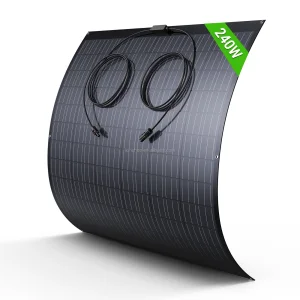
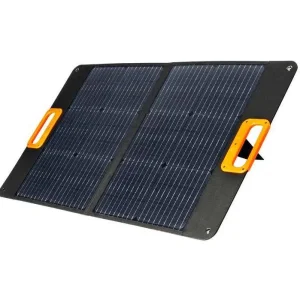
Flexible, foldable, high-power, and custom PV components designed for reliable deployments in challenging environments.
 Halkirk Solar