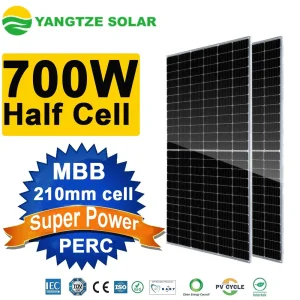
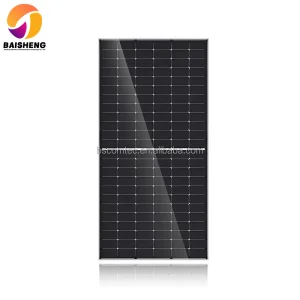
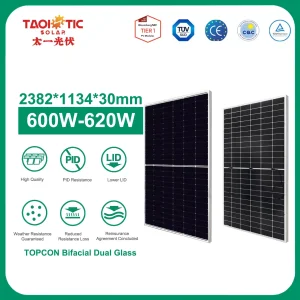
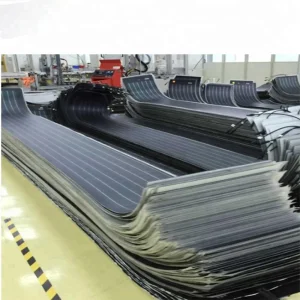
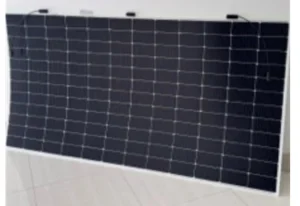
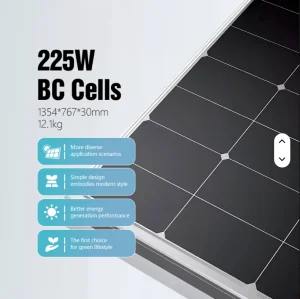
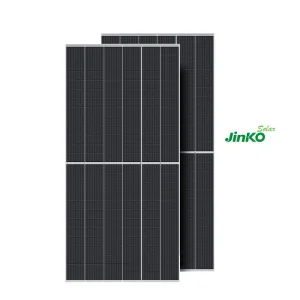
Explore our core selection of smart PV hardware designed to serve as the critical foundation of modern IoT solar monitoring and energy production arrays.
The global shift toward digitized renewable energy infrastructure has elevated the requirements for commercial, industrial (C&I), and utility-scale solar system deployments.
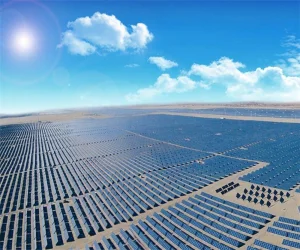
Global procurement offices focus heavily on driving down LCOE. Integrating IoT architecture into modern PV farms allows developers to minimize operation and maintenance (O&M) overhead by automating fault detection and optimizing daily energy tracking models.
Enterprises require robust communication nodes operating via RS485, Modbus-RTU, MQTT, and cellular formats (NB-IoT/LTE-M). These setups allow real-time diagnostic performance metrics of monocrystalline and bifacial solar farms to feed directly into SCADA networks.
IoT-enabled solar plants are subject to strict grid-compliance regulations such as IEEE 1547 and UL 1741. Secure encryption standards for all edge-transferred data are now mandatory criteria in European and American municipal tender specifications.
Providing high-efficiency renewable energy hardware coupled with tailored OEM/ODM capacity, backed by modern automated manufacturing lines.
Ningbo Halkirk Solar Co., Ltd. is a professional China solar panel manufacturer and monocrystalline & bifacial solar module supplier, dedicated to delivering high-efficiency renewable energy solutions to customers worldwide. Located in Ningbo, China, the company integrates research and development, manufacturing, quality control, and global sales to provide reliable solar products for residential, commercial, industrial, and utility-scale applications.
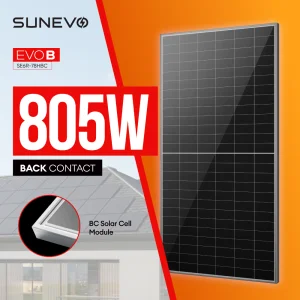
Halkirk Solar specializes in the production of monocrystalline solar panels, bifacial solar modules, TOPCon solar panels, N-type solar modules, off-grid solar solutions, on-grid solar systems, and customized photovoltaic products. Leveraging advanced cell technology and intelligent manufacturing processes, our products are designed to maximize energy output, improve conversion efficiency, and ensure long-term performance in diverse environmental conditions.
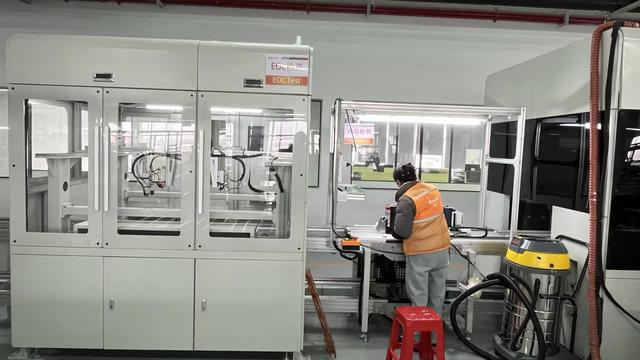
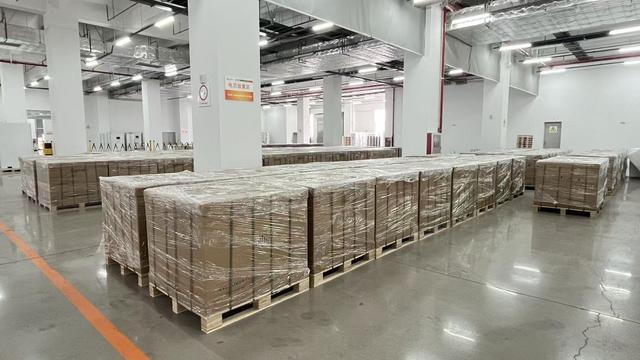
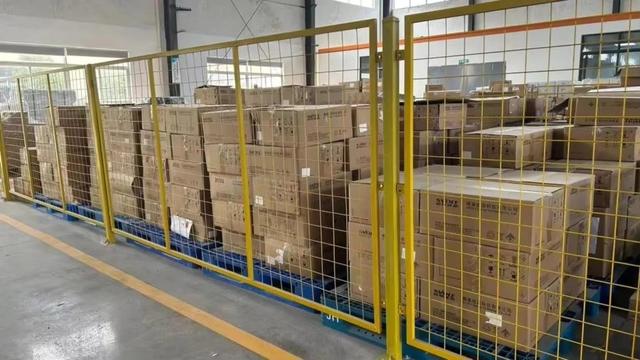
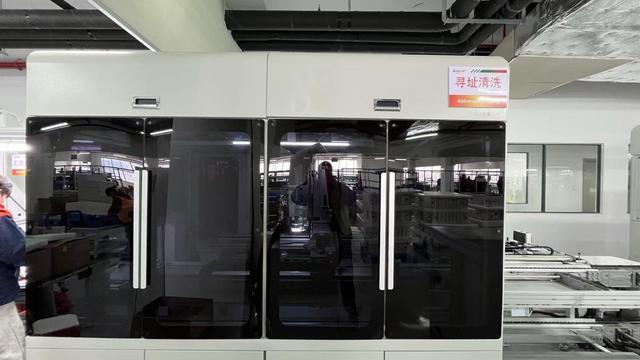
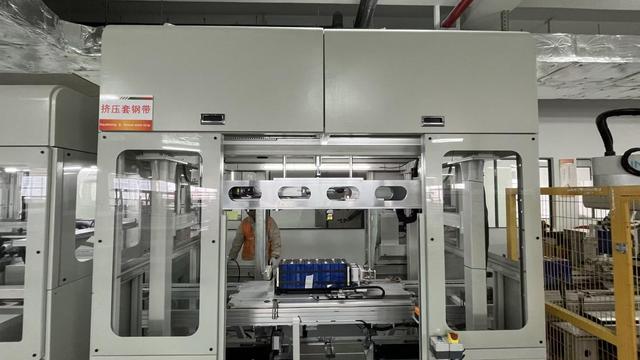
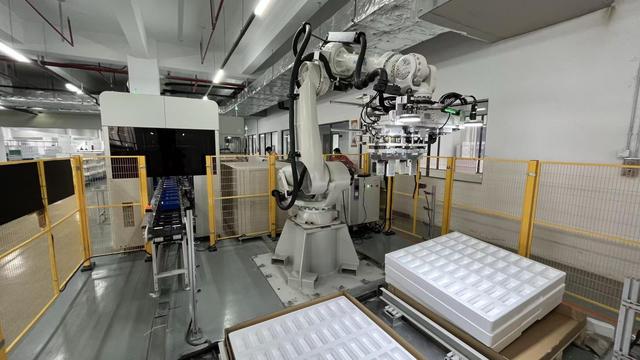
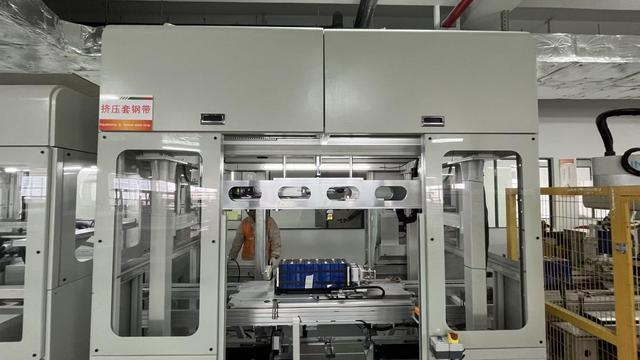
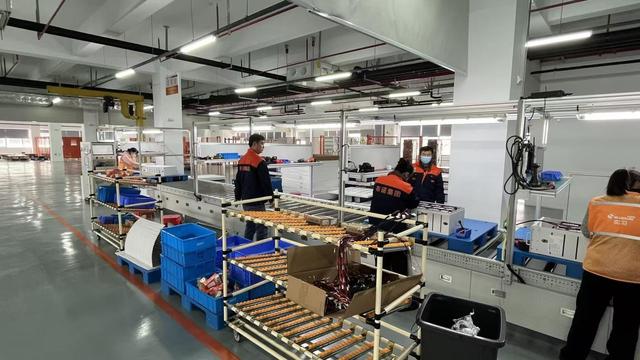
Our modern manufacturing facility is equipped with automated production lines, precision testing equipment, and strict quality management systems. Every solar module undergoes comprehensive inspections and performance testing to guarantee superior reliability, durability, and compliance with international standards. We are committed to providing products that meet the evolving demands of the global renewable energy market.
To better serve international customers, Halkirk Solar offers flexible OEM and ODM services for solar brands, distributors, EPC contractors, wholesalers, and project developers. Our experienced engineering and technical teams work closely with clients to deliver customized solar solutions tailored to specific project requirements, market demands, and branding needs. Driven by innovation, sustainability, and customer satisfaction, Ningbo Halkirk Solar Co., Ltd. continues to expand its presence in global markets, offering high-quality solar modules and comprehensive clean energy solutions that contribute to a greener and more sustainable future.
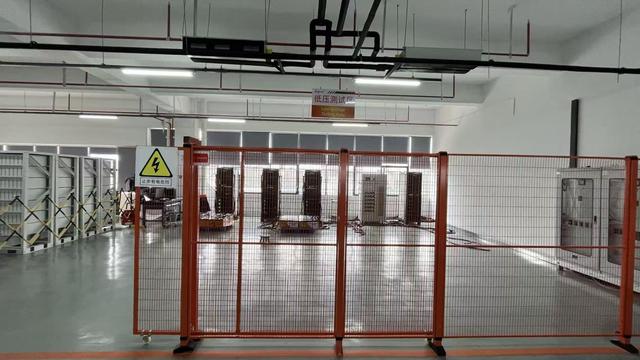

How the unification of edge sensors, cloud management software, and high-efficiency solar modules delivers maximum energy yield.
By using N-Type TOPCon and double-glass bifacial panels configured with smart single-axis solar trackers, our industrial networks can gather data through sensor nodes. This allows for predictive adjustments based on meteorological trends, yielding up to a 23.0% conversion efficiency and eliminating blind spots in daily energy harvesting.
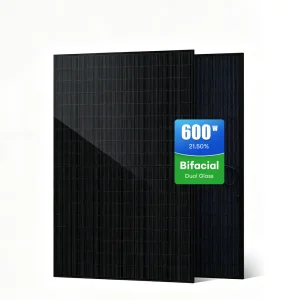
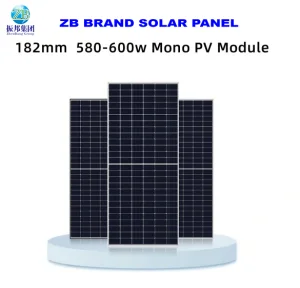
For factory structures and urban commercial areas, distributed PV installations require real-time grid balance interfaces. Our commercial solar architectures (such as the 300-350W All-Black or 600W+ high-power series) integrate smoothly with Energy Management Systems (EMS) to balance load requirements with utility grid limitations.
For modular structures, marine vehicles, and remote off-grid upgrades, localized telemetry lets users track metrics like state-of-charge (SoC), temperature profiles, and solar generation directly through custom apps. The system features durable LiFePO4 battery integration and efficient inverter modules.
The pathway to achieving a sustainable future relies on persistent technological advancements across solar cell designs and edge monitoring interfaces.
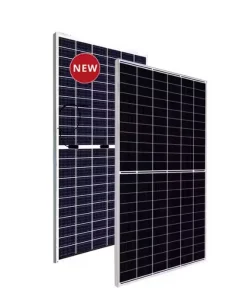
By maximizing the albedo effect via double-glass structures, the back sides of modern N-type modules capture reflected sunlight from the ground, boosting overall energy yield by 10% to 30% depending on the surface conditions.
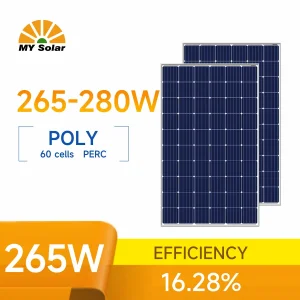
The transition from P-type PERC cells to N-type TOPCon reduces the effects of Light-Induced Degradation (LID) and Light and Elevated Temperature Induced Degradation (LeTID). This maintains long-term energy yields even in high-temperature zones.
Integrating intelligence into clean energy requires robust data routing. Future systems will feature edge-computing units that run analysis locally, reducing cloud data usage and streamlining emergency shutoffs.
How Ningbo Halkirk Solar ensures global project approvals and reliable operation across international markets.
Entering international PV markets demands strict adherence to dynamic electrical and safety standards. Ningbo Halkirk Solar targets compliance across certifications to simplify global import operations:
Ensures structural strength, fire safety, and electrical isolation durability across our high-power mono and bifacial product lines.
Meets all safety directives and standards needed for trouble-free distribution and installation within the European Union.
Our manufacturing and testing operations follow international frameworks for quality assurance, environmental protection, and occupational safety.
We configure modules, junctions, and labels to align with specific regional grid rules and customer requirements.
Addressing the core technical, logistical, and design questions of procurement managers and engineers worldwide.
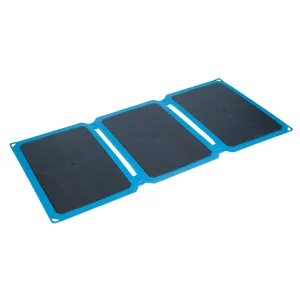
Explore our specialized range of rollable thin-film, high-power commercial modules, and flexible solar arrays for complex application scenarios.
 Halkirk Solar