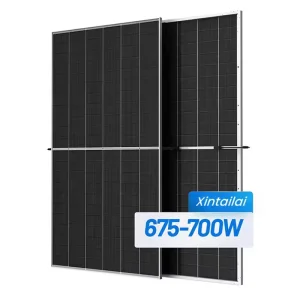
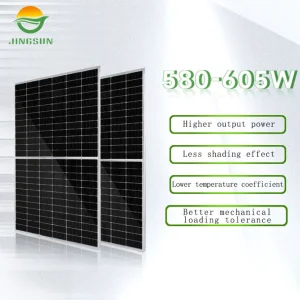
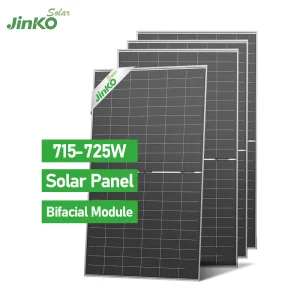
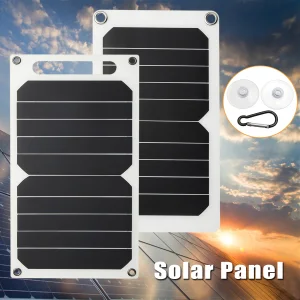
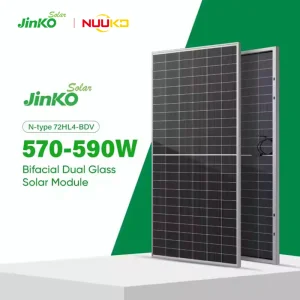
Explore our top-tier selection of monocrystalline, bifacial, flexible, and integrated solar power solutions designed for maximum efficiency and robust environmental performance.
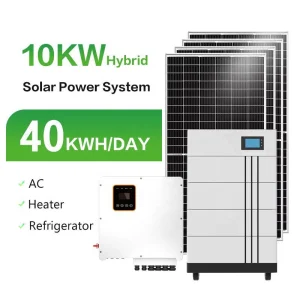

Quantifiable environmental statistics illustrating the potential of transitioning from fossil fuels to high-efficiency solar modules.
A technical whitepaper analyzing the ecological transition and decarbonization benefits of modern solar installations.
As global industries align with Net-Zero emissions mandates and strict ESG guidelines, solar environmental benefits have shifted from a corporate compliance metric to a central pillar of global decarbonization. Harnessing renewable solar energy reduces dependence on combustion-based generation, effectively cutting down greenhouse gas (GHG) output and preserving natural ecosystems.
The commercial and industrial (C&I) sectors contribute roughly 30% of global greenhouse emissions. Modern PV systems offer a direct mechanism to control Scope 1 (direct) and Scope 2 (indirect energy purchased) emissions, while establishing frameworks to minimize supply chain emissions under Scope 3. From a lifecycle perspective, contemporary monocrystalline and N-type bifacial silicon panels offset their manufacturing energy debt within 1 to 1.5 years of installation, translating to over 28 years of net-positive environmental operations.
Replacing conventional energy with solar PV offsets approximately 0.7 to 0.8 kg of CO2 equivalent per kilowatt-hour generated, preventing carbon accumulation in the atmosphere.
Unlike fossil fuel and nuclear generation facilities, solar modules require zero water for generation, preserving critical freshwater ecosystems.
Deploying solar setups on existing industrial rooftops, marine vessels, and carports protects biodiversity hotspots from land-use competition.
Analyzing advancements in photovoltaic cell structures and the pathway toward maximum circularity.
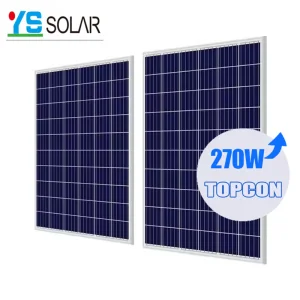
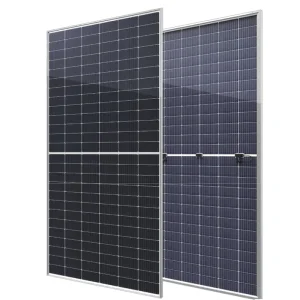
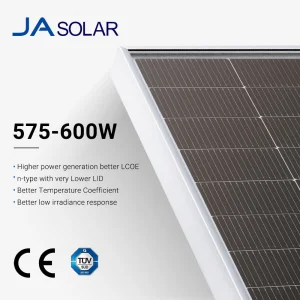
The solar PV landscape is undergoing a massive shift from traditional P-type Perc modules to N-type TOPCon (Tunnel Oxide Passivated Contact) and HJT (Heterojunction Technology) architectures. These technologies offer a higher bifaciality factor (up to 85%), lower temperature coefficients, and negligible Light-Induced Degradation (LID).
From an environmental perspective, N-type cells yield more kilowatt-hours per unit area. This high spatial efficiency decreases the volume of raw materials—such as aluminum frames, EVA encapsulants, and mounting structural metals—needed for equivalent system outputs, minimizing the environmental impact of raw material extraction.
Key Technological Trends:

How specific regional requirements and unique geographic features demand customized solar hardware solutions.
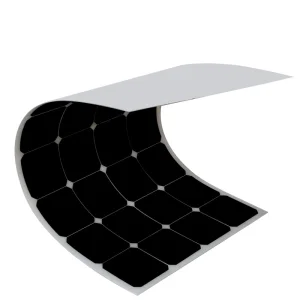
Flexible, lightweight monocrystalline panels are engineered for boat decks, marine platforms, and RV roofs. Featuring salt-spray corrosion resistance and lightweight profiles, they generate clean electricity in harsh maritime conditions without adding structural stress.
Building-Integrated Photovoltaics (BIPV) blend solar generation with functional architecture. Energy-saving folding glass doors and thermal break systems reduce heating and cooling demands while using solar facades to transform structural surfaces into power generators.
Large-scale waterproof carport structures protect fleets while collecting solar energy. Equipped with high-output 600W+ bifacial PV modules, they turn open parking areas into clean power generation hubs that charge electric vehicles and support the grid.
A premier global solar panel manufacturer and high-efficiency photovoltaic module supplier.
Ningbo Halkirk Solar Co., Ltd. is a professional China solar panel manufacturer and monocrystalline & bifacial solar module supplier, dedicated to delivering high-efficiency renewable energy solutions to customers worldwide. Located in Ningbo, China, the company integrates research and development, manufacturing, quality control, and global sales to provide reliable solar products for residential, commercial, industrial, and utility-scale applications.
Halkirk Solar specializes in the production of monocrystalline solar panels, bifacial solar modules, TOPCon solar panels, N-type solar modules, off-grid solar solutions, on-grid solar systems, and customized photovoltaic products. Leveraging advanced cell technology and intelligent manufacturing processes, our products are designed to maximize energy output, improve conversion efficiency, and ensure long-term performance in diverse environmental conditions.
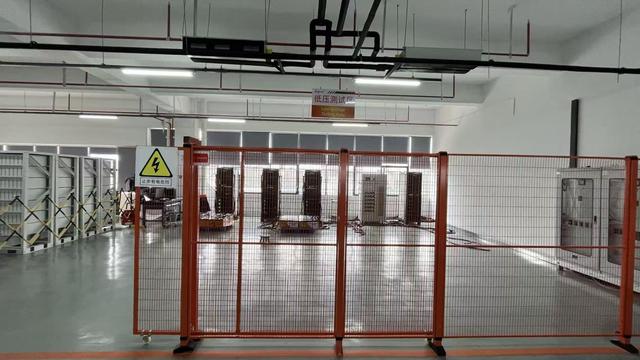
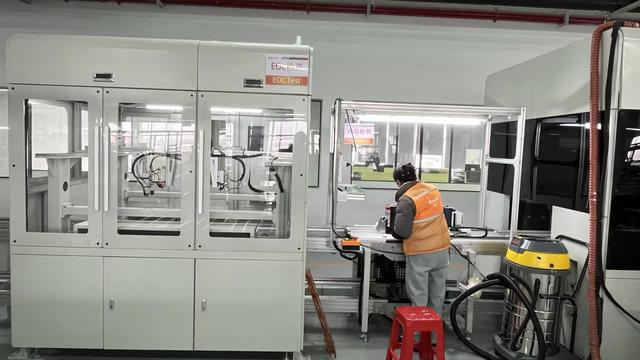
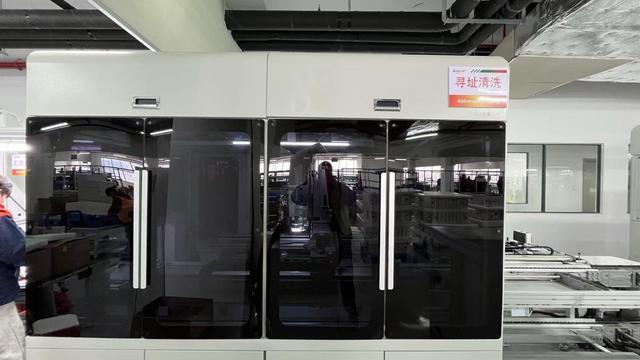
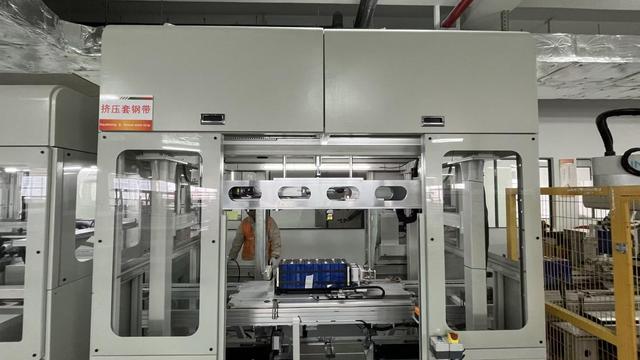
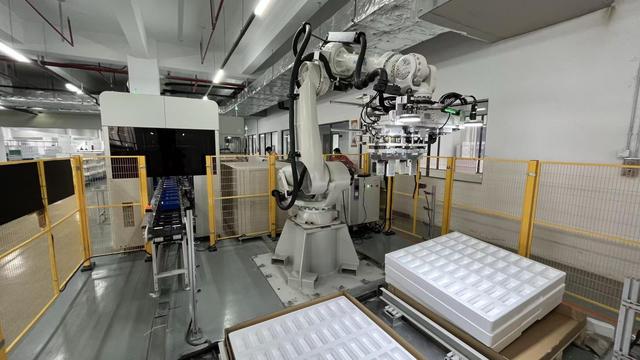
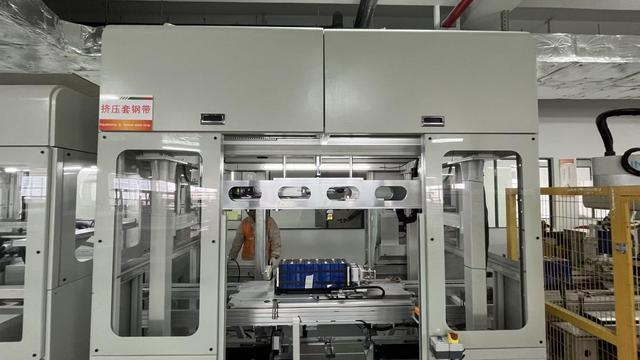
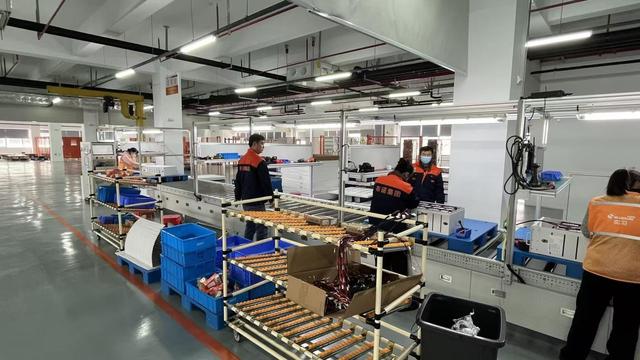
Our modern manufacturing facility is equipped with automated production lines, precision testing equipment, and strict quality management systems. Every solar module undergoes comprehensive inspections and performance testing to guarantee superior reliability, durability, and compliance with international standards. We are committed to providing products that meet the evolving demands of the global renewable energy market.
To better serve international customers, Halkirk Solar offers flexible OEM and ODM services for solar brands, distributors, EPC contractors, wholesalers, and project developers. Our experienced engineering and technical teams work closely with clients to deliver customized solar solutions tailored to specific project requirements, market demands, and branding needs.
Driven by innovation, sustainability, and customer satisfaction, Ningbo Halkirk Solar Co., Ltd. continues to expand its presence in global markets. We strive to become a trusted partner in the photovoltaic industry by providing high-quality solar modules and comprehensive clean energy solutions that contribute to a greener and more sustainable future.


Technical answers regarding lifecycle carbon payback, material optimization, and utility-scale deployment specifications.
Discover our range of portable solar chargers, customizable kits, off-grid storage setups, and commercial mounting structures.

 Halkirk Solar