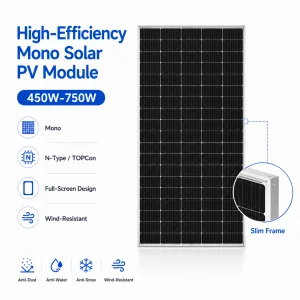
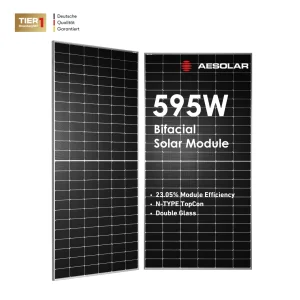
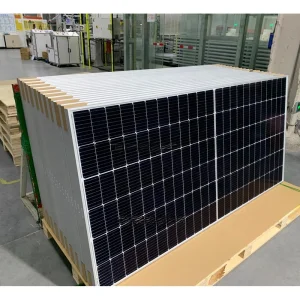
Select custom engineered high-efficiency panels designed to maximize energy output under Bangkok's high temperature and humidity profiles.
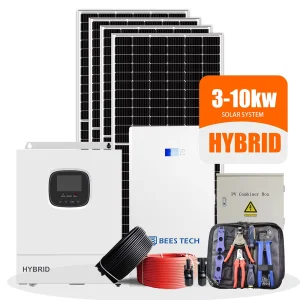

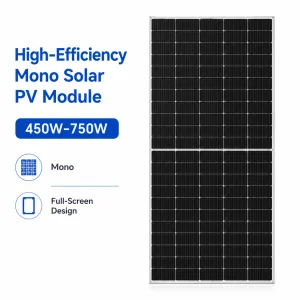
As Bangkok transitions into a prominent hub for smart sustainable industries in Southeast Asia, local enterprises face increasing regulatory pressure and surging conventional electricity tariffs. Solar power, particularly Bifacial Solar Panel technology, has emerged as a cornerstone for industrial decarbonization. Under the national power development plans (PDP) of Thailand, companies in industrial zones like Samut Prakan, Pathum Thani, and Chonburi are heavily incentivized to integrate commercial and industrial (C&I) photovoltaic systems.
The metropolitan landscape of Bangkok, characterized by intense tropical solar irradiance (averaging 4.5 to 5.0 kWh/m² per day) and high-density vertical architecture, requires PV modules with optimal thermal management and bifacial enhancement. Conventional panels experience severe yield degradation under Bangkok’s elevated ambient temperatures, which frequently cross 38°C during peak months. By utilizing N-Type TOPCon and advanced double-glass bifacial modules, projects achieve higher energy yield over the typical 25-year contract lifetime, establishing clear economic justification.
Furthermore, structural limitations on metropolitan warehouses demand lightweight yet durable panels. High-power double-glass panels engineered by tier-1 manufacturers offer long-term resistance against high humidity, micro-cracking, and Potential Induced Degradation (PID). Bangkok’s rooftop installations benefit exceptionally from high-albedo materials such as light-colored concrete tiles, reflective membranes, and metallic standing seam roofs, which allow the rear side of the bifacial modules to capture up to an additional 25% of energy from reflected light.
Understanding how different environmental factors influence return on investment (ROI) in Thailand's metropolitan commercial rooftop projects.
Bangkok's commercial flat roofs typically feature concrete surfaces with an albedo rate of 20-30%. Utilizing double-glass bifacial modules captures ground-reflected radiation, lowering the levelized cost of energy (LCOE) dramatically compared to standard single-sided setups.
With average temperatures exceeding 32°C year-round, N-type TOPCon technology provides a low temperature coefficient of -0.30%/°C. This ensures high energy outputs during hot tropical afternoons when peak power demand is maximum.
Bangkok's monsoon season causes prolonged humidity exposure. The double-glass structure acts as an absolute seal, preventing moisture ingress that leads to grid corrosion, Delamination, and PID degradation.
The solar manufacturing industry has shifted rapidly from P-type Mono PERC to N-type TOPCon (Tunnel Oxide Passivated Contact) cell architecture. For the Bangkok market, understanding this technological transition is vital for EPC contractors and project developers. TOPCon modules present zero Light-Induced Degradation (LID) and highly reduced LeTID compared to traditional P-type modules. The tunnel oxide layer limits charge carrier recombination, pushing commercial module efficiency levels past 22.5%.
In standard utility projects or expansive factory rooftops, Bifaciality (the ratio of back-side efficiency to front-side efficiency) ranges between 70% and 85% for N-type TOPCon, and up to 90% for HJT (Heterojunction Technology). When bifacial panels are mounted on raised racking structures over high-albedo roofs or light gravel beds, the cumulative yield improvement lowers the payback period by 1.5 to 2 years, shielding Bangkok enterprises from fluctuating utility rates.
Bangkok is susceptible to tropical storms and high winds. The mechanical integration of bifacial modules must withstand up to 5400 Pa front side load and 2400 Pa wind load. Double-glass configurations use 2.0mm or 3.2mm tempered glass layers on both sides, replacing the standard polymer backsheet. This physical barrier ensures the panels remain chemically inert to industrial air pollution and coastal salt-spray elements present near the Gulf of Thailand.
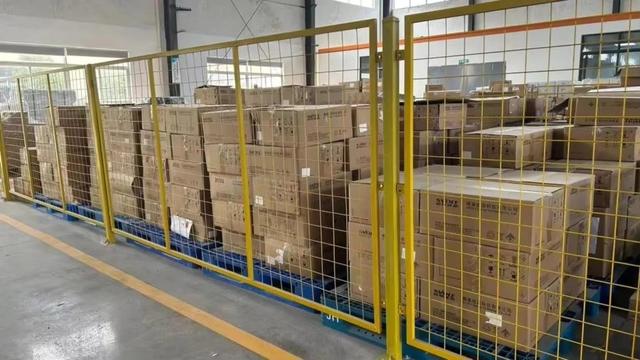
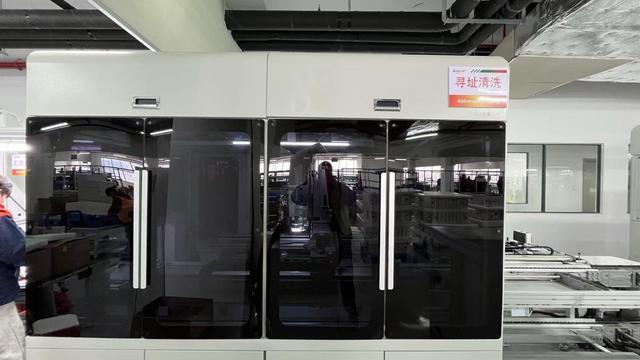
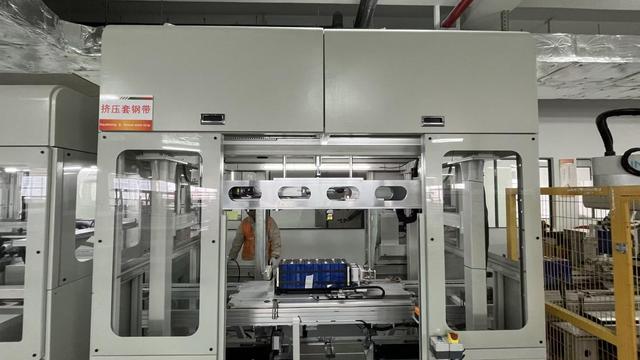
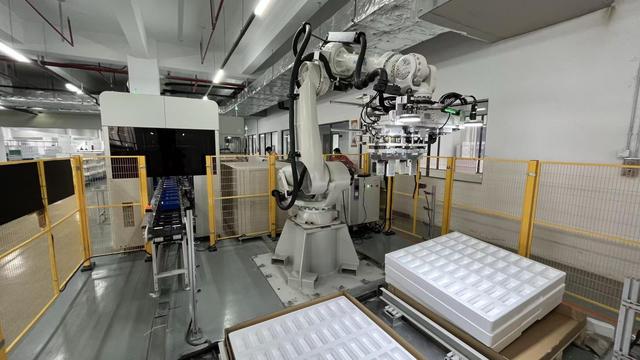
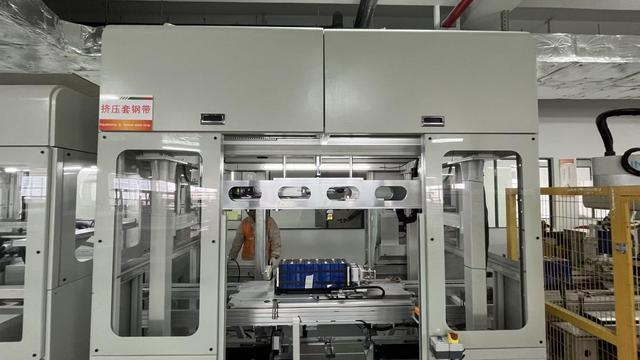
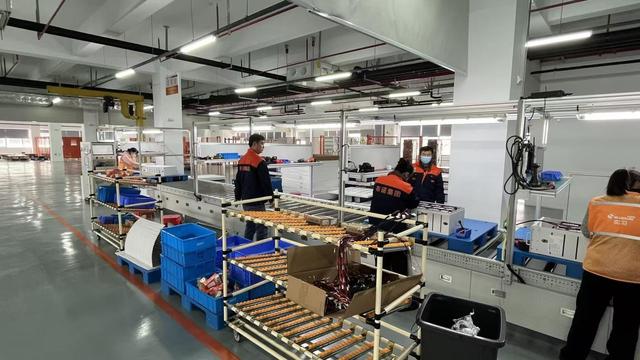
Ningbo Halkirk Solar Co., Ltd. is a professional China solar panel manufacturer and monocrystalline & bifacial solar module supplier, dedicated to delivering high-efficiency renewable energy solutions to customers worldwide. Located in Ningbo, China, our modern factory integrates state-of-the-art research and development, smart automated assembly lines, strict quality control, and streamlined global logistics to supply high-reliability solar products tailored for the Bangkok metropolitan region.
We specialize in the manufacturing and customization of advanced monocrystalline solar panels, N-Type TOPCon bifacial modules, BIPV sandwich panels, and comprehensive grid-tied or off-grid solar storage kits. Through intelligent manufacturing, automated stringing, and dual-stage EL (electroluminescence) testing, every module leaves our facility with guaranteed performance ratings. We support EPC contractors, regional distributors, and project developers in Thailand with direct container shipping, customs documentation assistance, and localized technical design support.
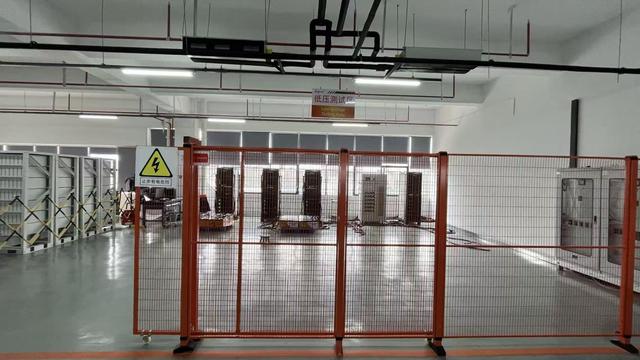
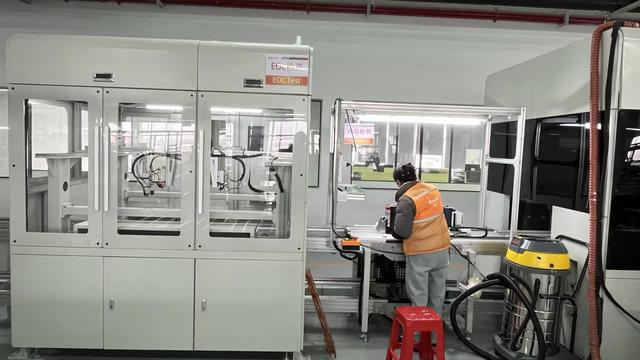
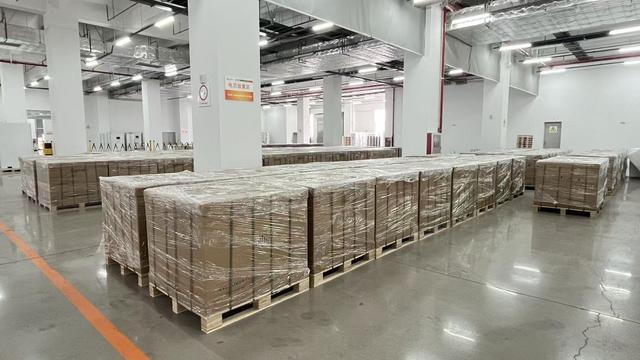
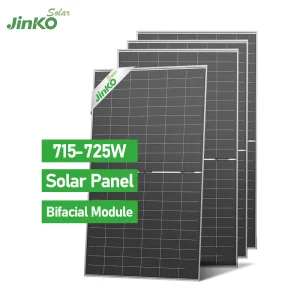
Explore our main catalog of tier-1 design monocrystalline and double glass bifacial PV components, ideal for flat concrete roofs, ground mounts, and agricultural PV systems.
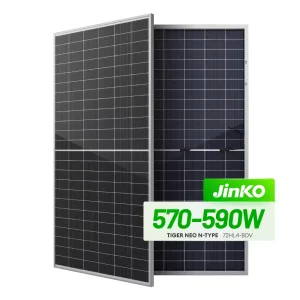
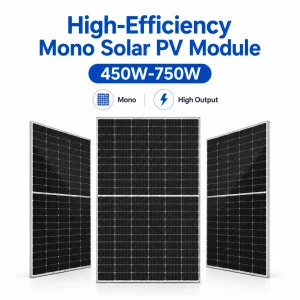
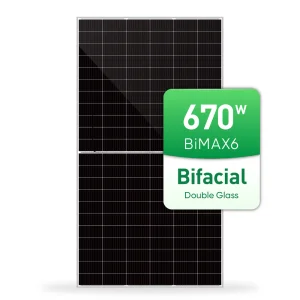
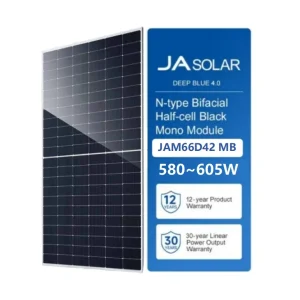
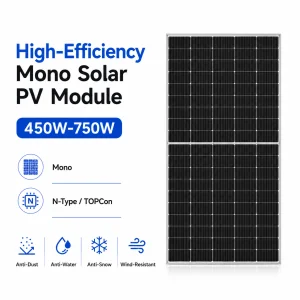
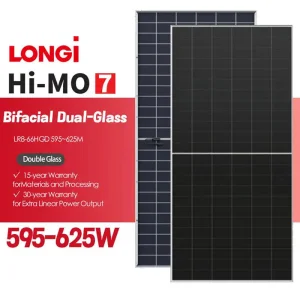
For high-end architectural integrations, warehouses requiring BIPV sandwich installations, or large scale off-grid power grids in Bangkok.
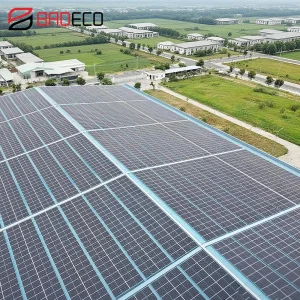

Industrial installations in areas such as Samut Sakhon, Lat Krabang, and the Eastern Economic Corridor (EEC) possess massive flat-roof facilities. The energy profiles of these factories reveal significant afternoon cooling loads driven by refrigeration, water chilling, and HVAC units. Bifacial PV modules align perfectly with this load profile, generating maximum energy during peak sunshine hours.
By implementing a customized high-efficiency system, companies achieve a dual yield benefit:
Critical regulatory and technical insights for solar system deployment in Thailand.
 Halkirk Solar