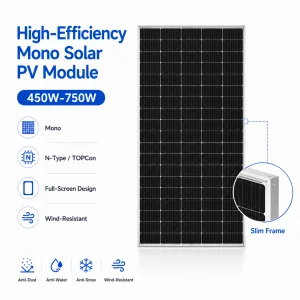
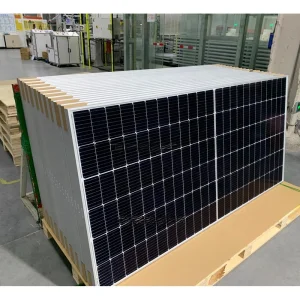
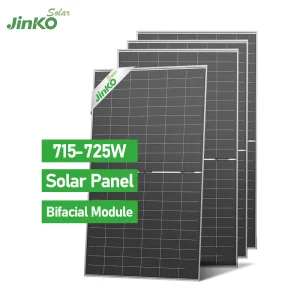
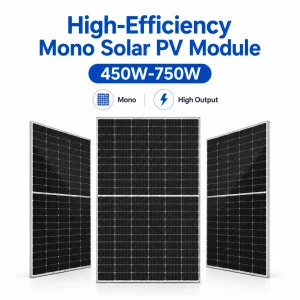
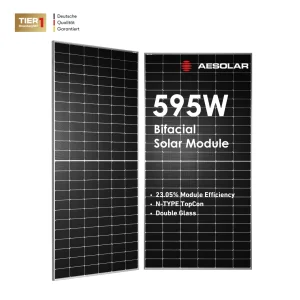
Explore our state-of-the-art hybrid systems and high-efficiency bifacial modules optimized for rapid grid deployment and high yield in Polish environmental conditions.
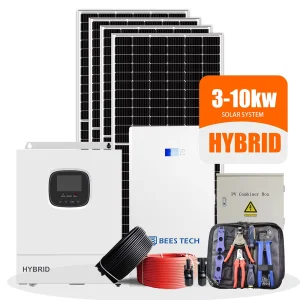
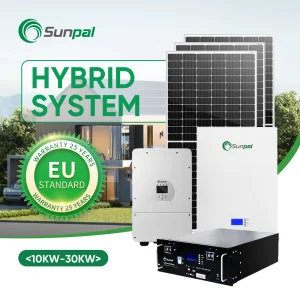
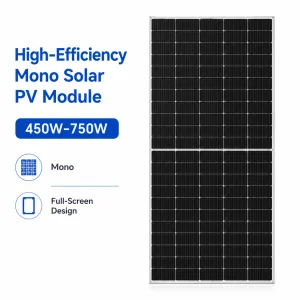
Poland has emerged as one of the fastest-growing solar energy markets in Europe. Driven by the European Union's ambitious decarbonization targets, the Polish national energy framework (PEP2040), and the lucrative "Mój Prąd" (My Electricity) incentives alongside the Net-billing system, the country is witnessing an unprecedented transition from residential micro-installations to massive utility-scale solar parks and Commercial & Industrial (C&I) solar infrastructures.
In this dynamic landscape, traditional monofacial modules are rapidly being phased out in favor of bifacial solar panels. As Poland frequently experiences diverse weather conditions—including significant winter snow cover in regions like Lesser Poland (Małopolska) and Subcarpathia, and sandy soils in Central Poland—the albedo effect becomes a decisive factor in investment profitability. Bifacial modules capture reflected sunlight from the ground, dramatically enhancing energy yield (up to 25% extra output) and driving down the Levelized Cost of Energy (LCOE).
Central Europe presents unique meteorological characteristics: high diffuse radiation during autumn/winter, moderate summer temperatures, and variable ground cover. Standard P-type PERC panels suffer from higher temperature coefficients and faster light-induced degradation (LID). Conversely, modern N-type TOPCon (Tunnel Oxide Passivated Contact) bifacial panels offer superior structural physics:
Unlike P-type modules which offer only 65%-70% backside power extraction, our N-type double glass panels reach up to 85% bifaciality. This means the backside converts ground reflections (snow, gravel, or grass) at near-maximum efficiency.
By substituting boron with phosphorus doping, N-type cells completely eliminate Light-Induced Degradation (LID). Your Polish project maintains peak power outputs from year 1 through year 30.
Poland's winters are characterized by short days and overcast skies. N-type cells trigger generation at lower light thresholds, prolonging the daily production curve compared to conventional panels.
During the peak hot summer months in Masovia or Greater Poland, standard panels lose significant efficiency. Our TOPCon panels mitigate temperature-induced losses, yielding more kWh per installed kWp.
Providing diversified solar system layouts and architectural integrations built to comply with Polish construction and energy safety standards.
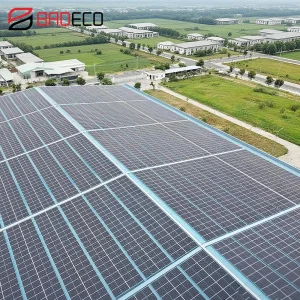
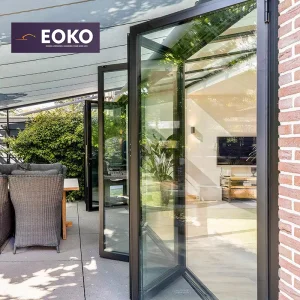
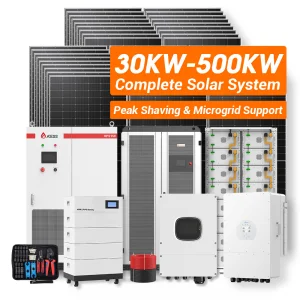
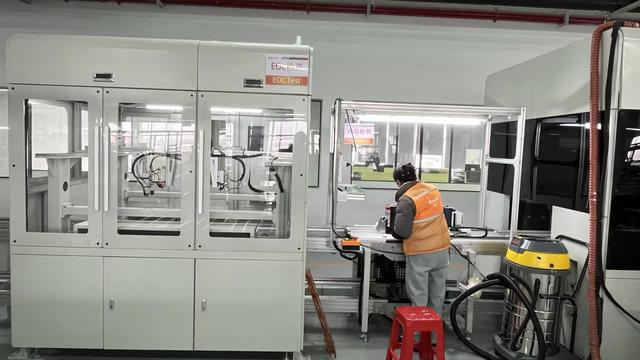
Ningbo Halkirk Solar Co., Ltd., based in the logistics and industrial heart of Ningbo, China, serves as a vital bridge in the global renewable supply chain. Chinese solar manufacturing efficiency is unparalleled, combining fully automated robotic assembly lines with deep vertical integration. By deploying artificial intelligence-driven optical inspection (EL testing) and automated soldering, we reduce defect rates to nearly zero while optimizing material consumption. This scale allows us to offer Polish partners premium-tier TopCon and Monocrystalline double-glass PV panels at highly competitive pricing, circumventing localized inflated manufacturing margins.
For Polish EPCs and solar project developers, time-to-market is crucial. Our strategic location near the Port of Ningbo enables swift, direct container logistics to major Baltic ports like Port of Gdańsk and Port of Gdynia, as well as multimodal rail shipping options via the New Silk Road (Chengdu/Xi'an to Małaszewicze). This dual logistics setup guarantees consistent component supply chains, preventing costly project delays on-site.
Ningbo Halkirk Solar Co., Ltd. is a professional China solar panel manufacturer and monocrystalline & bifacial solar module supplier, dedicated to delivering high-efficiency renewable energy solutions to customers worldwide. Located in Ningbo, China, the company integrates research and development, manufacturing, quality control, and global sales to provide reliable solar products for residential, commercial, industrial, and utility-scale applications.
Halkirk Solar specializes in the production of monocrystalline solar panels, bifacial solar modules, TOPCon solar panels, N-type solar modules, off-grid solar solutions, on-grid solar systems, and customized photovoltaic products. Leveraging advanced cell technology and intelligent manufacturing processes, our products are designed to maximize energy output, improve conversion efficiency, and ensure long-term performance in diverse environmental conditions.
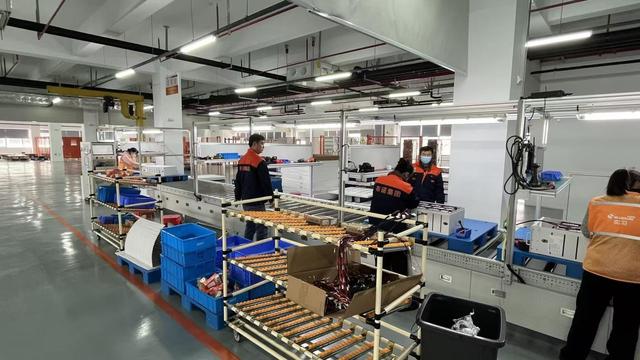
Our modern manufacturing facility is equipped with automated production lines, precision testing equipment, and strict quality management systems. Every solar module undergoes comprehensive inspections and performance testing to guarantee superior reliability, durability, and compliance with international standards. We are committed to providing products that meet the evolving demands of the global renewable energy market.
To better serve international customers, Halkirk Solar offers flexible OEM and ODM services for solar brands, distributors, EPC contractors, wholesalers, and project developers. Our experienced engineering and technical teams work closely with clients to deliver customized solar solutions tailored to specific project requirements, market demands, and branding needs.
Driven by innovation, sustainability, and customer satisfaction, Ningbo Halkirk Solar Co., Ltd. continues to expand its presence in global markets. We strive to become a trusted partner in the photovoltaic industry by providing high-quality solar modules and comprehensive clean energy solutions that contribute to a greener and more sustainable future.
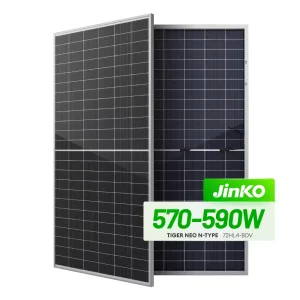
Selected high-performance N-Type double glass and PERC modules engineered for maximum durability, structural load compliance, and long-term bankability.
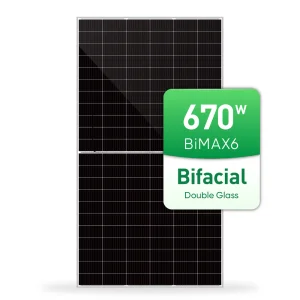
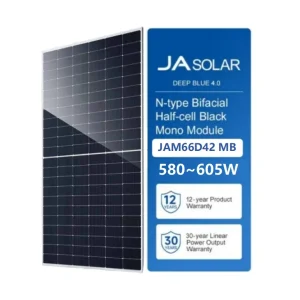
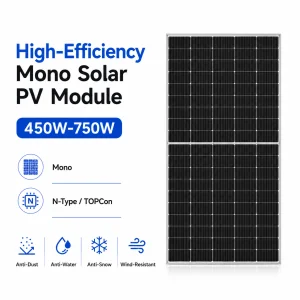
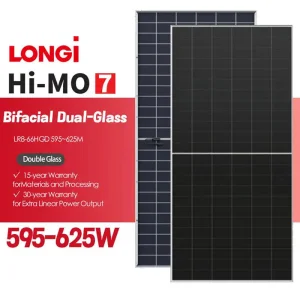
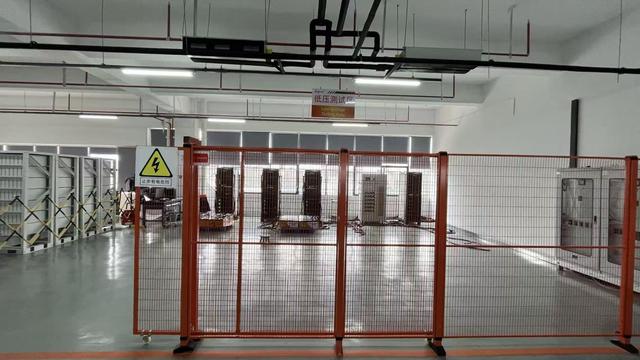
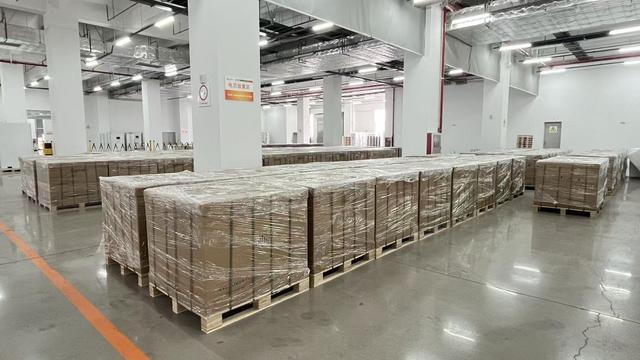
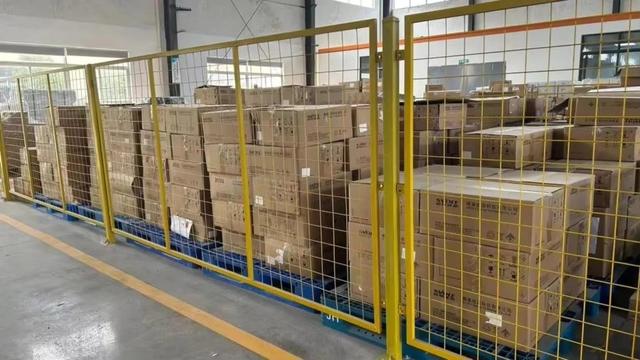
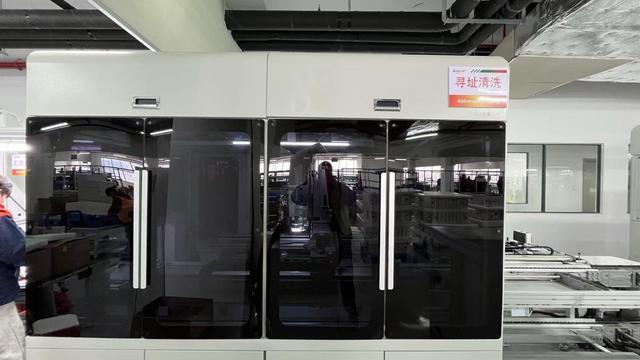
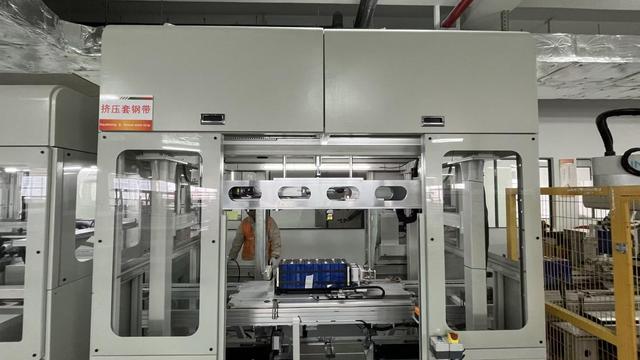
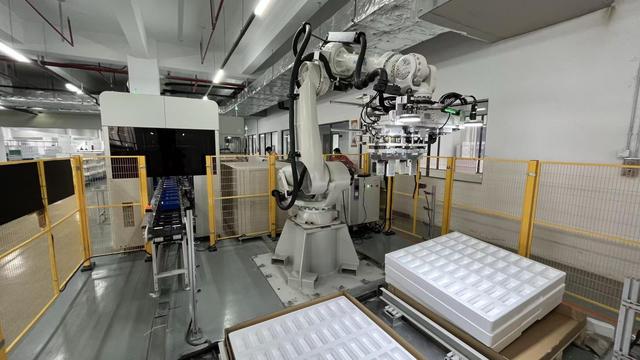
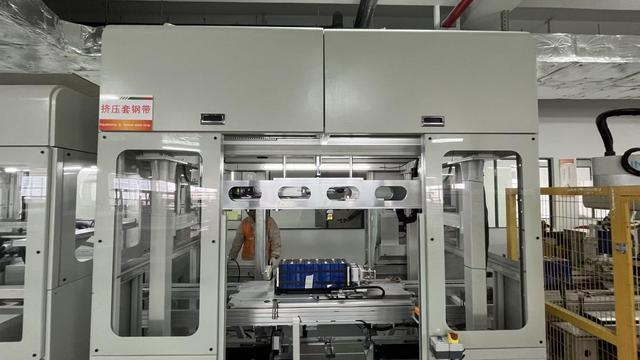
Visualizing the manufacturing precision, optical QA lines, and automated packaging systems of our state-of-the-art facility in Ningbo.

Agriculture remains a key economic sector in Poland, specifically in regions like Greater Poland and Lublin. Agrivoltaics—combining agriculture with solar power—is gaining massive traction. Using high-clearance mounting structures equipped with bifacial modules allows sunlight to pass through to crops while the backside of the panels captures light reflected off the vegetation. This generates clean energy without compromising arable land resources, unlocking dual revenue streams for Polish agricultural developers.
Modern logistic warehouses and factory hubs in suburbs of Warsaw, Poznań, and Wrocław are adopting "cool roofs"—membranes that reflect solar radiation to reduce internal building heating. By combining these highly reflective white roofs with bifacial solar panels, developers capture both direct overhead sunlight and the high-percentage reflection from the membrane below, boosting yield output by over 20% compared to typical black bitumen rooftop solar arrays.
In Southern Poland, where winter brings prolonged periods of snow cover, conventional monofacial panels often suffer complete drop-offs in production due to snow accumulation. Bifacial modules, mounted on optimal tilts, are highly responsive. The backside, which remains clear of snow, continues to generate power from the snow's high albedo reflection (often exceeding 80%). The current running through the cells produces slight internal heat, accelerating the shedding of snow from the front surface and resuming maximum generation far faster.
Exporting PV modules to Poland requires strict adherence to both EU and national regulatory frameworks. Polish grid operators (OSDs) require specific equipment certifications before grid synchronization. When selecting a Chinese supplier, ensuring the following credentials is vital:
Key technical and commercial answers regarding importing and installing bifacial panels in Poland.
Partner with Ningbo Halkirk Solar Co., Ltd. for direct China factory pricing, premium Tier-1 grade quality control, and streamlined Baltic logistics.
Send Inquiry Now Halkirk Solar