Highly optimized solar panels, trackers, and lighting modules designed for yachts, naval vessels, and offshore infrastructure across Abu Dhabi, Dubai, and UAE maritime zones.
The United Arab Emirates is rapidly converting its expansive marine coastlines and offshore zones into active testing grounds for futuristic, decarbonized energy systems. Historically reliant on hydrocarbon extraction, the UAE’s leadership has set a target under the "Net Zero by 2050 Strategic Initiative" to build high-efficiency clean energy assets across the Middle East. With intense sunlight throughout the year, the region is highly prospective for solar energy. However, typical land-based solar installations face limitations due to shifting desert sands, dust storm shading, and high land costs in urban areas like Dubai and Abu Dhabi.
Consequently, municipal authorities, port operators, and national oil corporations (such as ADNOC) are turning their attention to marine-grade floating solar installations and marine vehicle photovoltaics. The Persian Gulf marine atmosphere presents unique environmental challenges—extreme temperatures rising above 50°C in summer, relative humidity levels regularly exceeding 90%, and some of the highest water salinity rates globally. Standard solar PV modules degrade rapidly under these conditions due to Potential Induced Degradation (PID) and salt-spray corrosion of electrical pathways. The market now demands highly specialized marine solar panels that feature advanced material science, chemical resilience, and optimized thermal management.
Achieving energy diversification and high-reliability operations in harsh marine environments:
Ningbo Halkirk Solar Co., Ltd. brings top-tier PV technology to Middle Eastern maritime enterprises.
Operating photovoltaic arrays in the Persian Gulf demands specialized materials. Standard EVA (Ethylene-Vinyl Acetate) encapsulants degrade rapidly under intense ultraviolet (UV) exposure and high temperatures, leading to yellowing, delamination, and moisture ingress. To address this, Ningbo Halkirk Solar Co., Ltd. uses POE (Polyolefin Elastomer) encapsulation. POE exhibits a moisture transmission rate up to 20 times lower than EVA, ensuring the solar cells remain dry even when submerged or exposed to seawater spray.
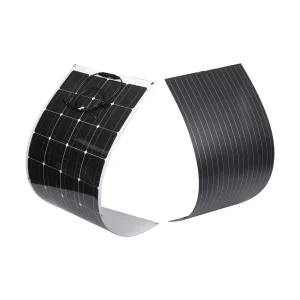
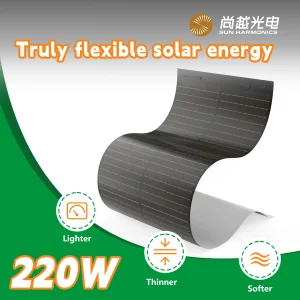
Additionally, our flexible solar panel arrays use ETFE (Ethylene Tetrafluoroethylene) fluoropolymer front films instead of PET. ETFE is highly resistant to UV radiation and chemical attack. It features a low-friction, self-cleaning surface that prevents marine salt crusts and dust from adhering to the panel, maintaining high light transmission over time. For structural floating systems, we use marine-grade high-density polyethylene (HDPE) with UV stabilizers. This material is designed to endure rough waves and high mechanical stresses without cracking or degrading.
High temperatures present a major challenge for solar modules in the Middle East. As the ambient temperature rises, solar panel conversion efficiency drops based on its temperature coefficient. Standard p-type PERC cells experience significant power loss when module temperatures exceed 65°C on hot summer afternoons.
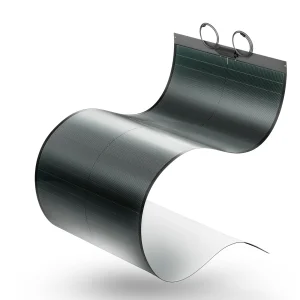
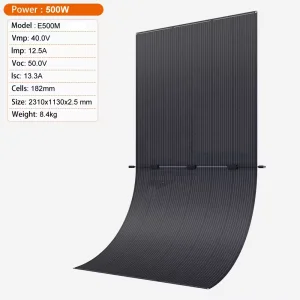
To mitigate this efficiency drop, we offer N-type TOPCon and CIGS (Copper Indium Gallium Selenide) technologies. Our N-type cells feature a lower temperature coefficient (-0.30%/°C) compared to traditional cells, ensuring higher power output under extreme operating temperatures. For curved applications, our CIGS thin-film modules provide stable performance across a wide temperature range, along with excellent shadow tolerance for vessels with rigging or onboard obstacles.
High-performance engineering standards built for commercial maritime and industrial operations.
Passes Severity Level 6 Salt Mist Chamber Testing (IEC 61701), protecting internal copper ribbons and contacts from galvanic corrosion.
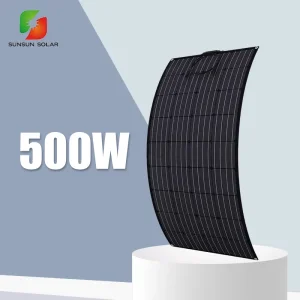
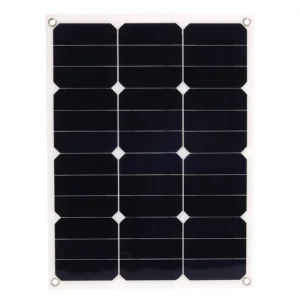
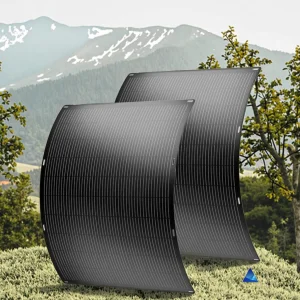
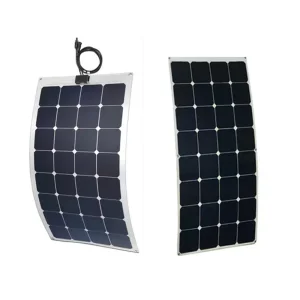
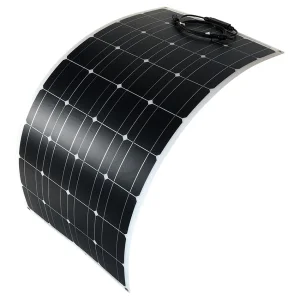
Advanced CIGS and monocrystalline thin laminates allow for curved deck integrations, maximizing surface area on yachts and offshore platforms.
Engineered to withstand heavy foot traffic, hail, bird droppings, and mechanical impacts typical of commercial shipping decks.
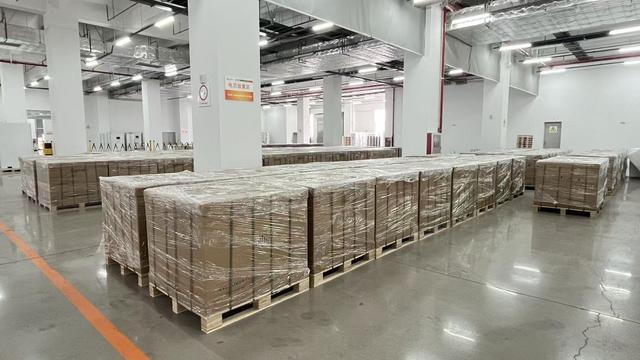
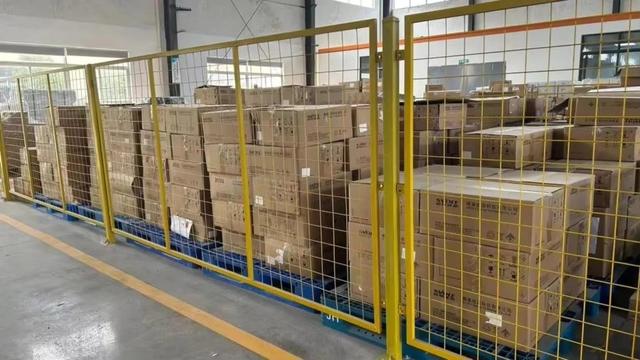
Ningbo Halkirk Solar Co., Ltd. utilizes Ningbo’s industrial infrastructure to supply high-efficiency photovoltaic modules to the global market. Our proximity to the Port of Ningbo-Zhoushan enables efficient shipping logistics to the Middle East, reducing transit times and shipping costs to major UAE ports like Jebel Ali in Dubai and Khalifa Port in Abu Dhabi.
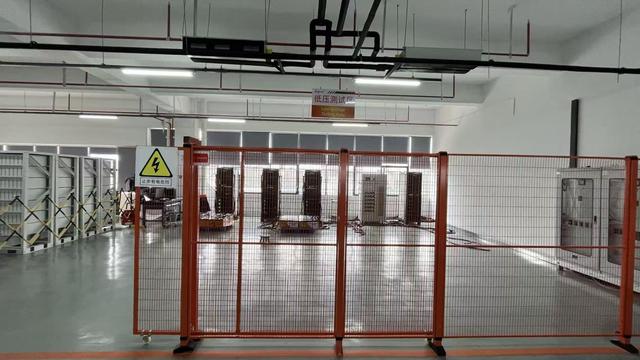
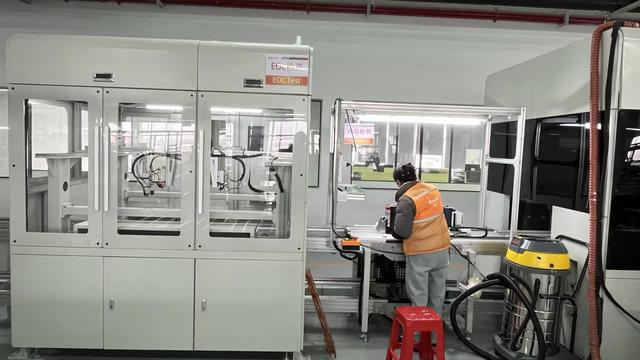
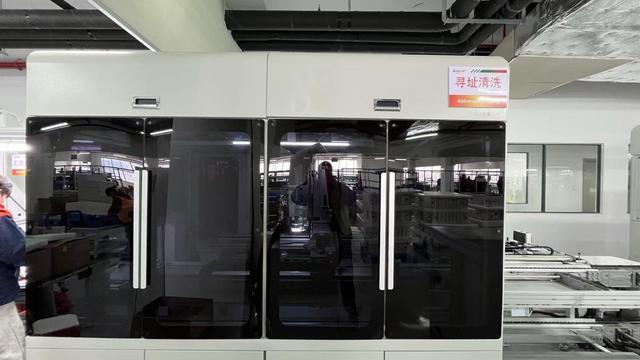
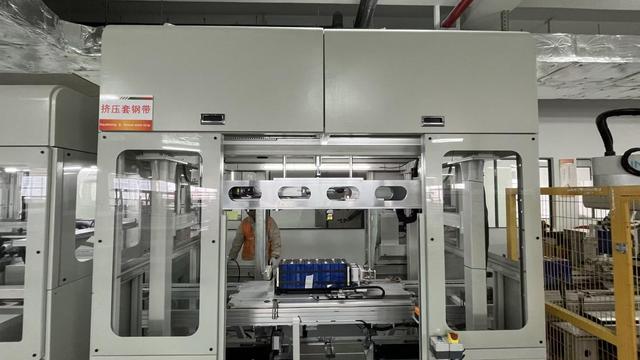
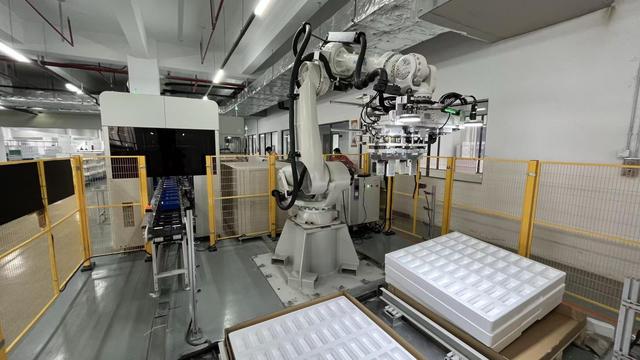
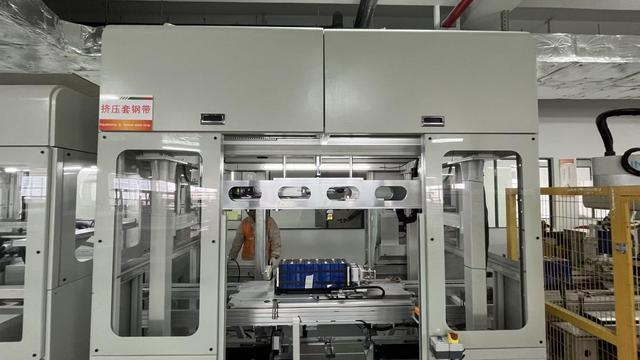
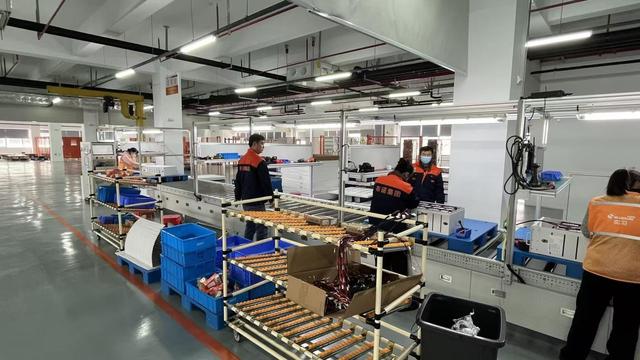
Our factory features high-level automation, including robotic stringer machines, inline EL (Electroluminescence) testing, and automated laminators. These technologies ensure precise cell placement and consistent lamination quality, minimizing the risk of micro-cracks that can lead to hot spots or module failure in high-temperature environments. We manage a secure supply chain for premium components, including DuPont Tedlar backsheets, high-efficiency monocrystalline wafers, and specialized solar connectors, ensuring reliable performance across our product lines.
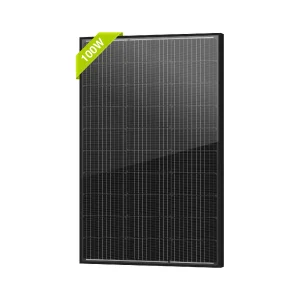
Every maritime project has unique requirements. Yacht builders in Dubai often require custom aesthetic solutions, such as all-black monocrystalline modules that blend into modern vessel designs. On the other hand, offshore petroleum operations in Abu Dhabi require robust, high-voltage floating tracking arrays to power deep-sea monitoring systems.
Ningbo Halkirk Solar offers flexible OEM and ODM services. We work closely with marine architects, EPC contractors, and distributors to customize module dimensions, electrical layouts, backsheet colors, and mounting configurations. Our engineering team provides detailed CAD drawings, electrical simulations, and thermal assessments, ensuring our marine solar panels integrate seamlessly with your onboard electrical grids and battery management systems.
A professional manufacturer of monocrystalline, bifacial, and customized marine photovoltaic systems, providing high-efficiency clean energy solutions worldwide.
Ningbo Halkirk Solar Co., Ltd. is a professional China solar panel manufacturer and monocrystalline & bifacial solar module supplier, dedicated to delivering high-efficiency renewable energy solutions to customers worldwide. Located in Ningbo, China, the company integrates research and development, manufacturing, quality control, and global sales to provide reliable solar products for residential, commercial, industrial, and utility-scale applications.
Halkirk Solar specializes in the production of monocrystalline solar panels, bifacial solar modules, TOPCon solar panels, N-type solar modules, off-grid solar solutions, on-grid solar systems, and customized photovoltaic products. Leveraging advanced cell technology and intelligent manufacturing processes, our products are designed to maximize energy output, improve conversion efficiency, and ensure long-term performance in diverse environmental conditions.
Our modern manufacturing facility is equipped with automated production lines, precision testing equipment, and strict quality management systems. Every solar module undergoes comprehensive inspections and performance testing to guarantee superior reliability, durability, and compliance with international standards. We are committed to providing products that meet the evolving demands of the global renewable energy market.
To better serve international customers, Halkirk Solar offers flexible OEM and ODM services for solar brands, distributors, EPC contractors, wholesalers, and project developers. Our experienced engineering and technical teams work closely with clients to deliver customized solar solutions tailored to specific project requirements, market demands, and branding needs. Driven by innovation, sustainability, and customer satisfaction, Ningbo Halkirk Solar Co., Ltd. continues to expand its presence in global markets. We strive to become a trusted partner in the photovoltaic industry by providing high-quality solar modules and comprehensive clean energy solutions that contribute to a greener and more sustainable future.
Our marine solar modules are engineered to support offshore platforms, commercial shipping, and coastal municipal infrastructure across the GCC.
Modern luxury yachts in Dubai Marina require auxiliary power to run air conditioning, lighting, and desalination systems without relying on diesel generators. Our lightweight, flexible monocrystalline panels and bendable CIGS systems integrate seamlessly with yacht deck curves and cabin roofs. This helps reduce generator noise, fuel consumption, and carbon emissions while maintaining the vessel's clean aesthetic.
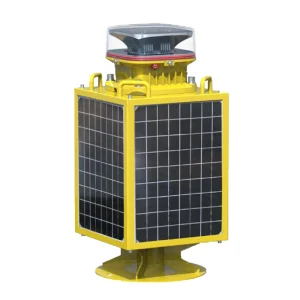
Safety in Persian Gulf shipping lanes depends on reliable marine navigation lights and offshore buoys. Operating far from land-based power grids, these systems require independent energy sources. Our waterproof, solar marine navigation lights and IP68-rated mini solar panels provide consistent power to buoy telemetry and tracking systems, ensuring safe maritime navigation day and night.
Offshore oil platforms and gas drilling rigs operate in demanding marine environments. They require robust backup power for communications and control systems. Our high-efficiency TOPCon solar panels, reinforced with anti-corrosive frames and salt-mist coatings, deliver reliable power under high wind and salt spray conditions, helping to reduce maintenance costs.
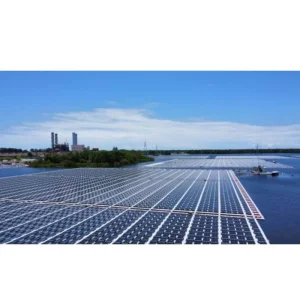
With limited space in coastal cities, floating solar arrays on industrial seawater storage ponds or protected coastal bays offer a viable energy solution. Our HDPE floating solar tracker arrays adapt to changing water levels and wave action, providing high power generation while reducing water evaporation in arid climates.
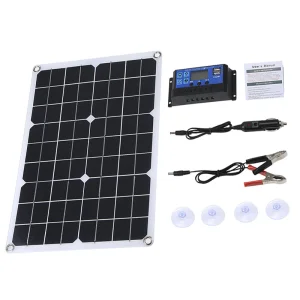
Browse our full range of marine-grade photovoltaic modules, waterproof panels, and flexible solar kits designed for industrial, naval, and recreational marine projects.
Find technical answers regarding product customization, shipping to the Middle East, and performance warranties.
 Halkirk Solar