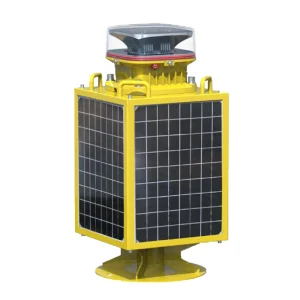
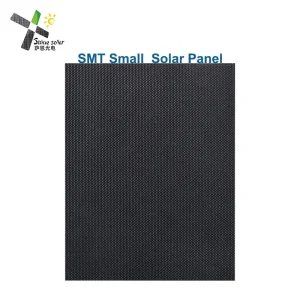
Highly specialized PV systems optimized for Singapore’s maritime fleet, tropical microgrids, offshore installations, and navigation beacons.
As the world's second-busiest port and a major global maritime capital, Singapore is actively driving global decarbonization efforts under the Singapore Green Plan 2030. The Maritime and Port Authority of Singapore (MPA) has implemented strict decarbonization directives requiring all new harbor craft operating within Singapore port limits to be fully electric, capable of using hybrid propulsion systems, or run on net-zero fuels by 2030.
This massive regulatory shift requires highly durable, offshore-resilient photovoltaic energy systems. Unlike terrestrial projects, marine solar installations face severe challenges: constant wave motion, salt-spray polarization, bird droppings causing hot spots, and limited spatial footprints. For cargo ships, service vessels, yachts, and floating offshore platforms, solar integration offers critical auxiliary power, reducing auxiliary diesel generator reliance and fuel consumption while maximizing compliance with localized maritime regulations.
To support this transition, Ningbo Halkirk Solar Co., Ltd. provides specialized marine-grade photovoltaic modules optimized for Singapore's unique tropical, high-humidity, and saline marine microclimates.
Standard solar modules fail within months of oceanic deployment. Marine environments require advanced material science to prevent PID, salt ingress, and mechanical breakdown under high wind loads.
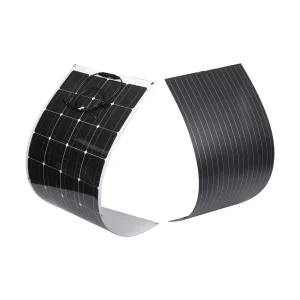
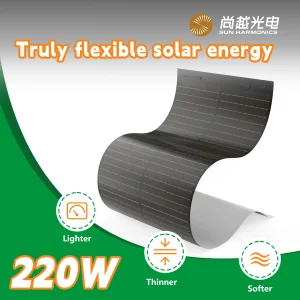
Unlike standard PET flexible panels that degrade and peel under intense UV exposure, Halkirk Solar uses high-grade ETFE polymers. ETFE provides superior UV resistance, high light transmittance (up to 95%), and self-cleaning surface properties that reduce dust and salt crust build-up.
Our marine panels are certified against IEC 61701 salt mist corrosion. The junction boxes are potted with specialized IP68-rated sealants, and connection terminals are gold-plated or nickel-plated to prevent galvanic corrosion resulting from constant seawater contact.
Singapore’s ambient temperatures regularly exceed 32°C, which can degrade panel outputs. Halkirk Solar’s N-Type TOPCon and CIGS modules feature a low temperature coefficient (-0.30%/°C), keeping outputs stable, while bifacial variants leverage the water’s albedo reflection for up to 15% additional energy yield.
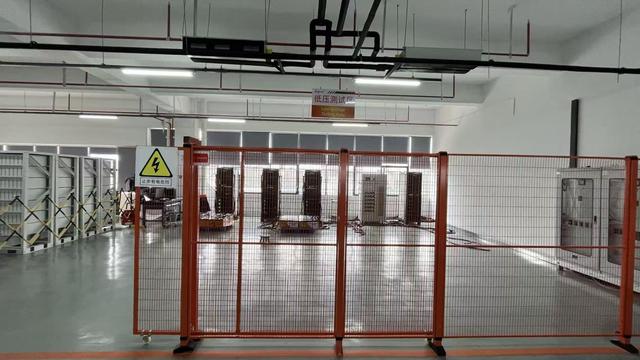
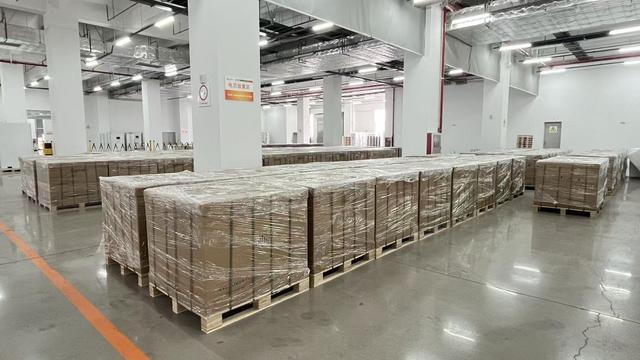
Halkirk Solar operates out of Ningbo, China, the global epicenter of photovoltaic technology development and shipping logistics. Our manufacturing facility combines fully automated assembly processes, high-yield stringer technology, and stringent quality control protocols to ensure every module meets and exceeds standard lifespans in tough marine settings.
Cost-Efficiency & Scale: By sourcing raw silicon wafers directly from leading domestic suppliers and managing state-of-the-art N-type TOPCon and CIGS production lines in-house, we reduce costs by 20% to 30% compared to Western manufacturers. This advantage is directly passed on to engineering, procurement, and construction (EPC) contractors and distributors in the Singapore and wider Southeast Asian markets.
Logistical Advantage: Located minutes from the Port of Ningbo-Zhoushan—the world's busiest cargo port by tonnage—we guarantee rapid shipping to the Port of Singapore, minimizing transit lead times and marine project delays.
Our engineering team designs customized marine PV shapes, specific voltage profiles, and specialized mounting solutions tailored to yachts, commercial bulk carrier hulls, and floating platforms.
Ningbo Halkirk Solar Co., Ltd. is a professional China solar panel manufacturer and monocrystalline & bifacial solar module supplier, dedicated to delivering high-efficiency renewable energy solutions to customers worldwide. Located in Ningbo, China, the company integrates research and development, manufacturing, quality control, and global sales to provide reliable solar products for residential, commercial, industrial, and utility-scale applications.
Halkirk Solar specializes in the production of monocrystalline solar panels, bifacial solar modules, TOPCon solar panels, N-type solar modules, off-grid solar solutions, on-grid solar systems, and customized photovoltaic products. Leveraging advanced cell technology and intelligent manufacturing processes, our products are designed to maximize energy output, improve conversion efficiency, and ensure long-term performance in diverse environmental conditions.
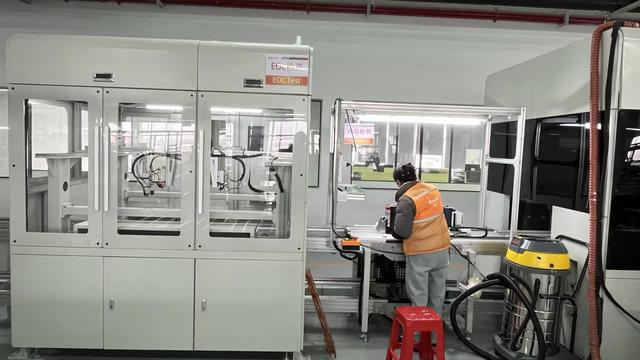
Our modern manufacturing facility is equipped with automated production lines, precision testing equipment, and strict quality management systems. Every solar module undergoes comprehensive inspections and performance testing to guarantee superior reliability, durability, and compliance with international standards. We are committed to providing products that meet the evolving demands of the global renewable energy market.
To better serve international customers, Halkirk Solar offers flexible OEM and ODM services for solar brands, distributors, EPC contractors, wholesalers, and project developers. Our experienced engineering and technical teams work closely with clients to deliver customized solar solutions tailored to specific project requirements, market demands, and branding needs.
Driven by innovation, sustainability, and customer satisfaction, Ningbo Halkirk Solar Co., Ltd. continues to expand its presence in global markets. We strive to become a trusted partner in the photovoltaic industry by providing high-quality solar modules and comprehensive clean energy solutions that contribute to a greener and more sustainable future.
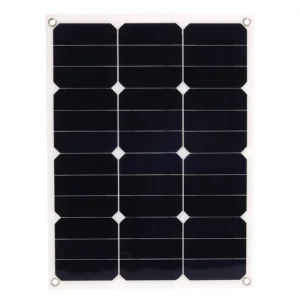
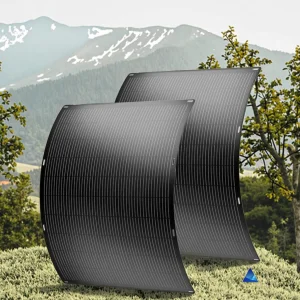
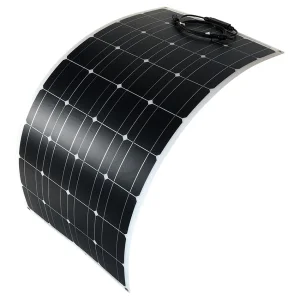
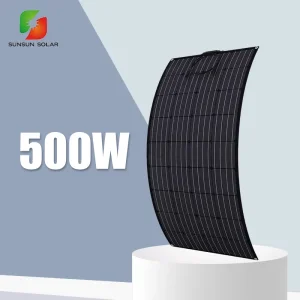
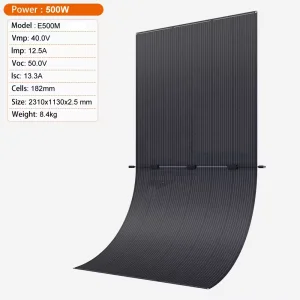
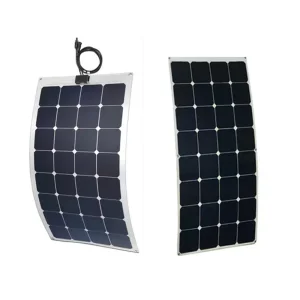
Explore our robust line of monocrystalline, semi-flexible, high-load, and specialty solar products for vessel retrofitting and deep-sea projects in Singapore.
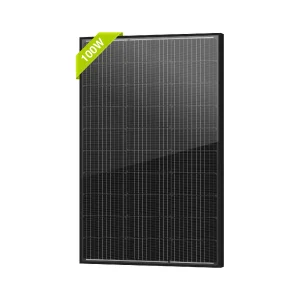
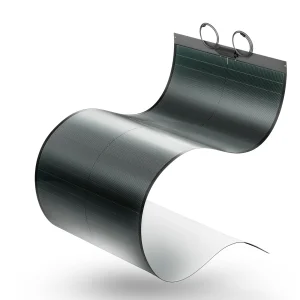
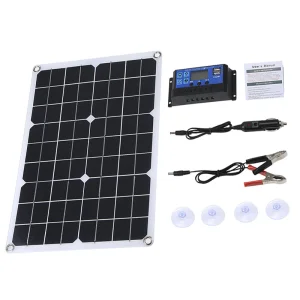
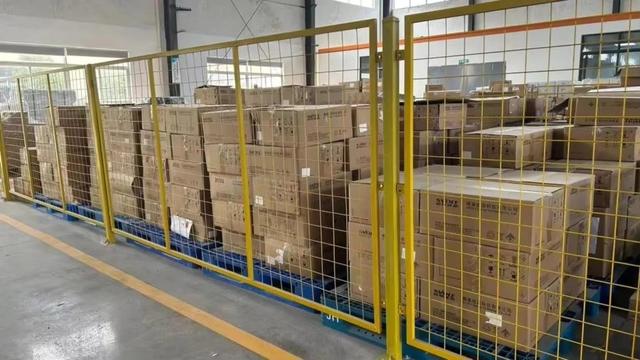
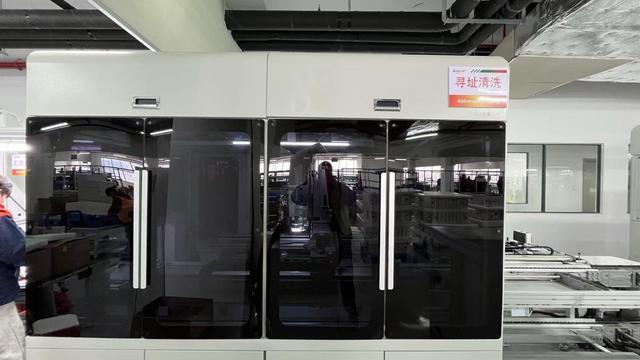
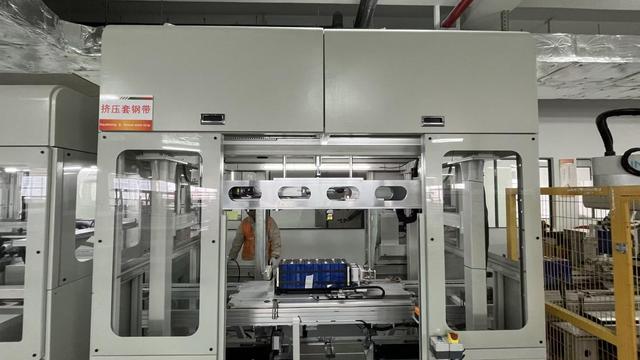
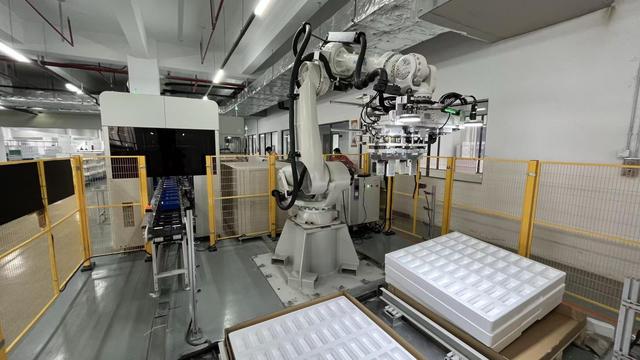
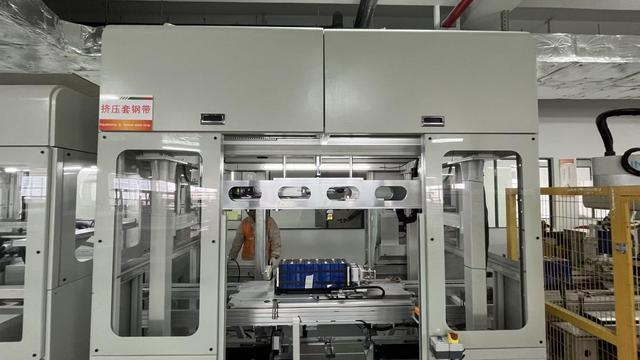
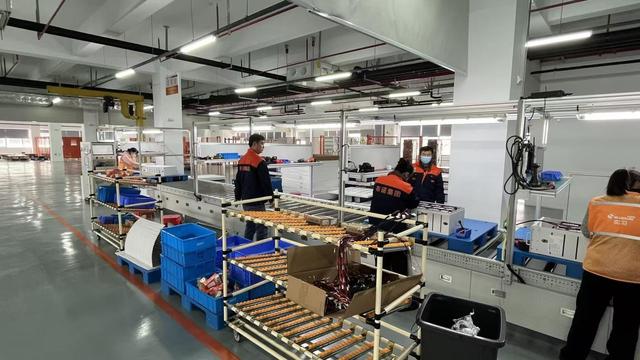
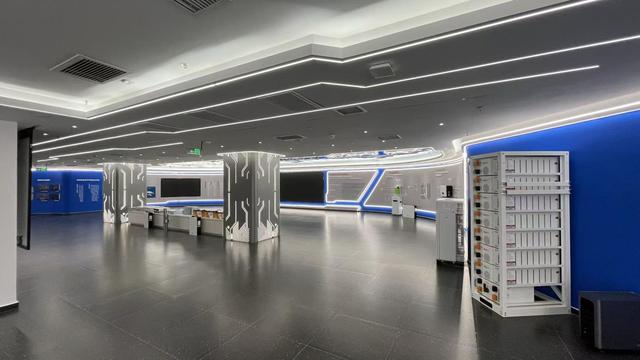
A glimpse inside our ISO 9001, CE, and TUV certified automated manufacturing facilities in Ningbo, China.
Technical answers to the most common questions asked by Singaporean maritime operators, shipbuilders, and EPC contractors.
Marine-grade solar panels are specifically engineered to withstand mechanical stress from wave impacts, chemical attacks from marine salt spray, and extreme UV levels. Key upgrades include replacing standard anodized aluminum frames with glass-fiber composites or frameless designs, using IP68 potted junction boxes, sealing cells with waterproof polymers (such as DuPont ETFE instead of PET), and completing rigorous testing according to the IEC 61701 Salt Mist Corrosion Standard.
Singapore's equatorial UV index is extremely high, and relative humidity stays above 80% year-round. Under these conditions, standard PET (Polyethylene terephthalate) panels degrade quickly, becoming cloudy, yellow, and delaminated within 1 to 2 years. ETFE (Ethylene Tetrafluoroethylene) is a highly durable fluoropolymer. It does not degrade under intense UV, has a self-cleaning non-adhesive surface that resists salt scaling, and maintains high light transmission (95%) over a lifespan of more than 15 years.
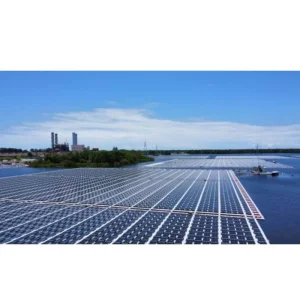
Bifacial solar modules generate power from both sides. When installed over water (such as floating solar arrays in reservoirs or coastal marine zones in the Johor Strait), the rear side of the panel absorbs reflected light from the water surface. Water has a higher albedo (reflectivity) compared to standard soil or grass. This albedo effect can increase power generation by 5% to 15% depending on mounting height, water clarity, and wave conditions.
Yes, CIGS (Copper Indium Gallium Selenide) thin-film solar modules are highly resistant to mechanical stress. Because they do not rely on brittle crystalline silicon cells, they do not suffer from micro-cracking when walked on. When properly bonded to flat deck structures using marine-grade structural adhesives, these panels can handle light foot traffic, making them ideal for space-constrained yachts and commercial vessels.
We provide full structural support, including custom electrical layouts, dimensional modifications, and custom voltage designs (OEM/ODM). We also supply test documentation, including IEC 61701 salt mist resistance certifications, factory flash test data for each module, and direct shipping logistics from the Port of Ningbo to the Port of Singapore, with customs clearance support.
 Halkirk Solar