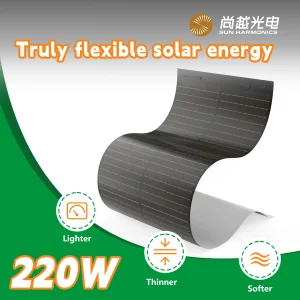
Explore our top 4 marine solar technologies, specifically optimized to withstand extreme UV exposure, high wind loads, and severe saltwater corrosion found along the Australian coast.
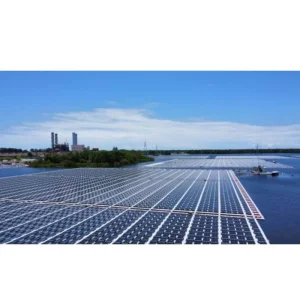
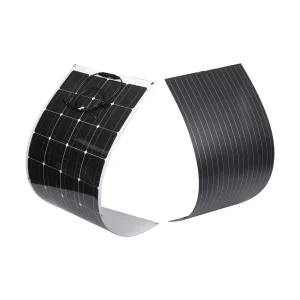
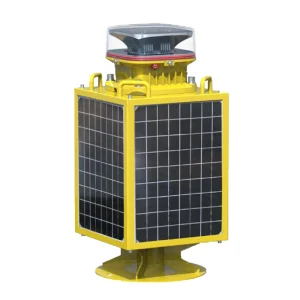
The Australian marine sector operates within some of the most challenging climate zones globally. From the tropical, high-UV expanses of Northern Queensland and the Great Barrier Reef down to the heavy sea swells and winds of the Southern Ocean, offshore electrical installations require materials of superior durability. The adoption of Marine Grade Solar PV systems has transitioned from a niche luxury for recreational yachts into a key design consideration for commercial ships, offshore surveillance buoys, and aquaculture sites seeking self-sufficiency.
Australia's coastline spans over 34,000 kilometers, demanding diverse localized photovoltaic solutions:
Standard residential or commercial solar panels are ill-suited for saltwater exposure. Marine environments introduce distinct degradation mechanisms:
A comparative look at key solar technologies deployed across marine projects in Western Australia, Queensland, and Victoria.
| Technology Profile | Australia Performance Rating | Salt Mist Resistance | Primary Structural Application | Average Lifespan |
|---|---|---|---|---|
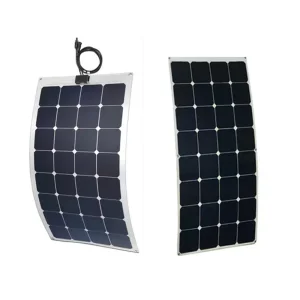
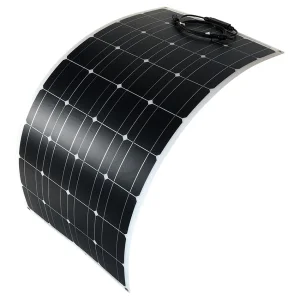
| ETFE Monocrystalline (Semi-Flexible) | Excellent (High Yield) | Class-6 Certified | Yacht Cabin Roofs, RVs, Coastal Buoys | 10 - 15 Years |
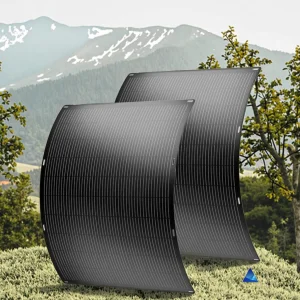
| CIGS Thin-Film (Full Bendable) | Superior (Diffuse Light performance) | High Barrier Polymer Seal | Curved Superstructures, Sailcloths | 15+ Years |
| Bifacial Glass-Glass (N-Type TOPCon) | Maximum (High Albedo from water surface) | Hermetic Seal, No Al-Frame Corrosion | Floating Solar Platforms, Inland Reservoirs | 25+ Years |
| Standard PET Panels (Standard grade) | Poor (High UV Degradation) | Prone to Delamination | Not Recommended for Coastal Marine | 2 - 3 Years |
Ningbo Halkirk Solar Co., Ltd. is a professional China solar panel manufacturer and monocrystalline & bifacial solar module supplier, dedicated to delivering high-efficiency renewable energy solutions to customers worldwide. Located in Ningbo, China, the company integrates research and development, manufacturing, quality control, and global sales to provide reliable solar products for residential, commercial, industrial, and utility-scale applications.
Halkirk Solar specializes in the production of monocrystalline solar panels, bifacial solar modules, TOPCon solar panels, N-type solar modules, off-grid solar solutions, on-grid solar systems, and customized photovoltaic products. Leveraging advanced cell technology and intelligent manufacturing processes, our products are designed to maximize energy output, improve conversion efficiency, and ensure long-term performance in diverse environmental conditions.
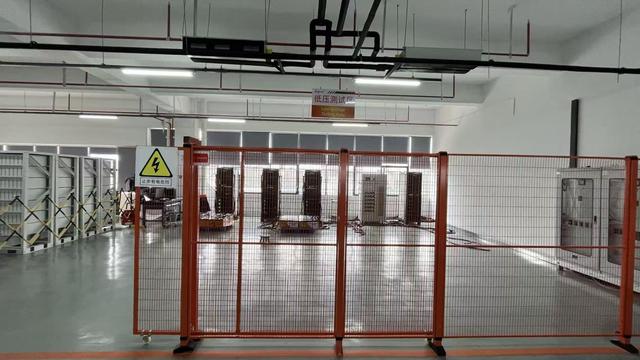
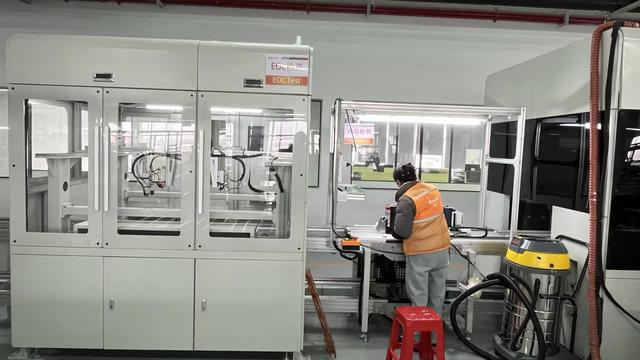
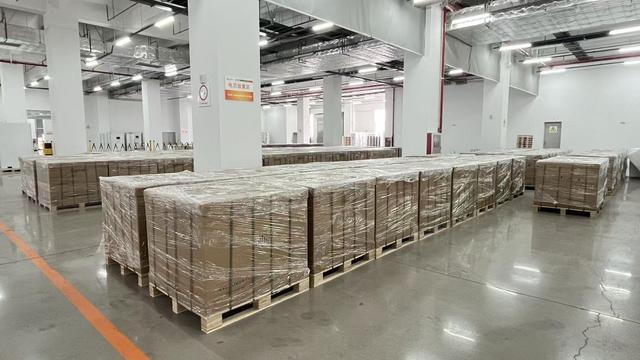
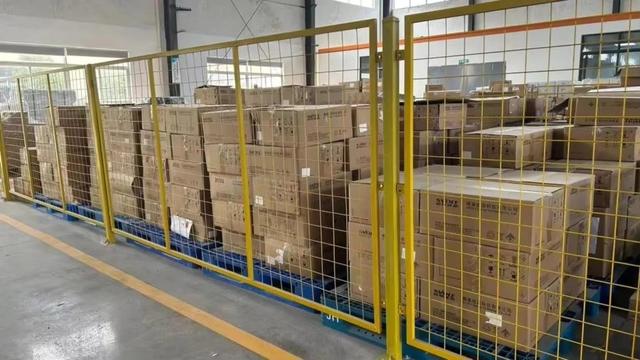
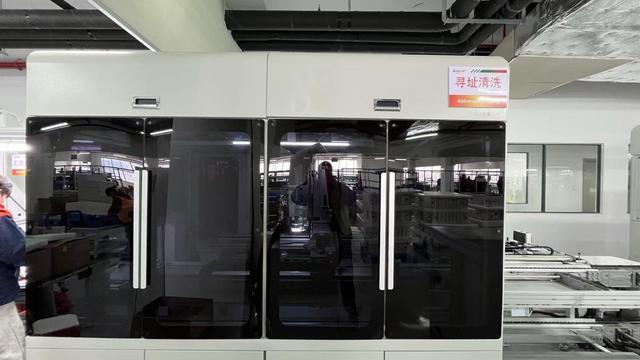
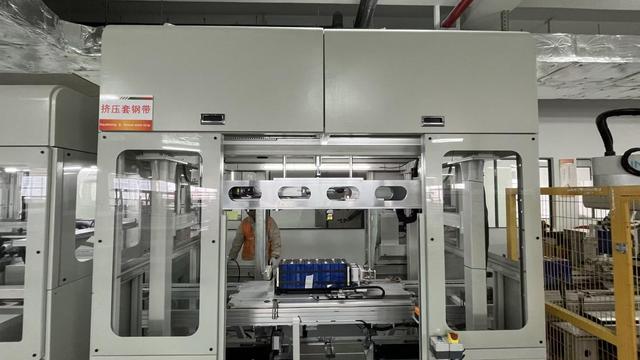
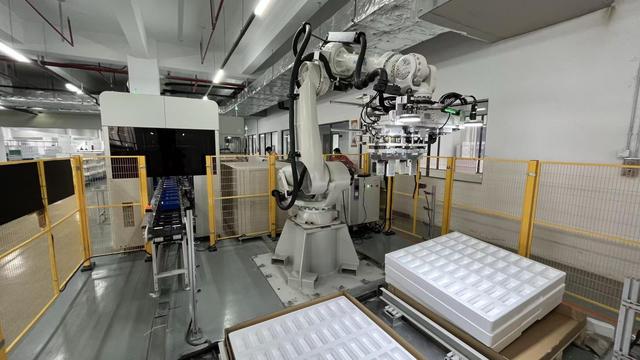
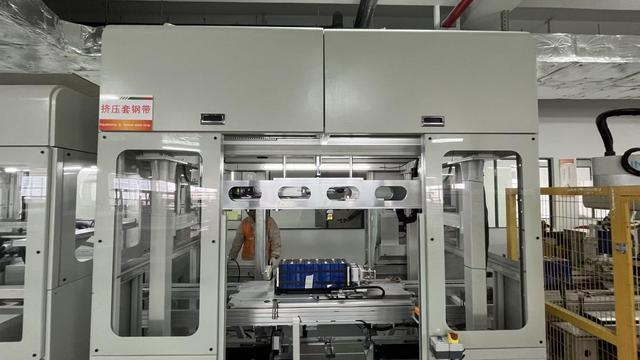
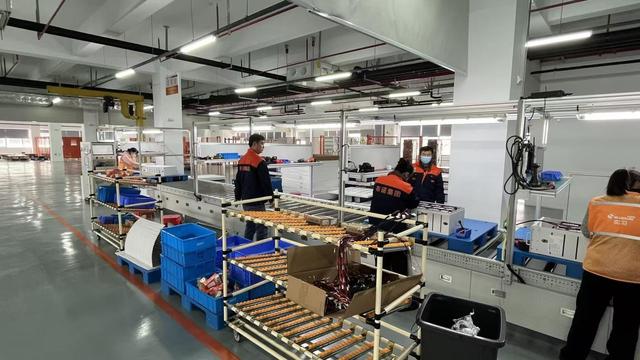
Our modern manufacturing facility is equipped with automated production lines, precision testing equipment, and strict quality management systems. Every solar module undergoes comprehensive inspections and performance testing to guarantee superior reliability, durability, and compliance with international standards. We are committed to providing products that meet the evolving demands of the global renewable energy market.
To better serve international customers, Halkirk Solar offers flexible OEM and ODM services for solar brands, distributors, EPC contractors, wholesalers, and project developers. Our experienced engineering and technical teams work closely with clients to deliver customized solar solutions tailored to specific project requirements, market demands, and branding needs.
Driven by innovation, sustainability, and customer satisfaction, Ningbo Halkirk Solar Co., Ltd. continues to expand its presence in global markets. We strive to become a trusted partner in the photovoltaic industry by providing high-quality solar modules and comprehensive clean energy solutions that contribute to a greener and more sustainable future.
Operating out of the Ningbo-Zhoushan port industrial zone allows Halkirk Solar to secure raw materials—such as premium ETFE films, N-Type monocrystalline silicon wafers, and high-purity solar glass—with minimal lead time. For Australian commercial operators, this translates to faster turnaround times, lower freight costs, and stable pricing during global supply chain fluctuations.
Deploying solar power systems in commercial marine vessels and coastal installations within Australia requires adherence to strict local standards. Compliance ensures both the longevity of the modules and the safety of the vessel's electrical grid.
Compliance with electrical installations on yachts and recreational craft (AS/NZS 3004) requires marine solar installations to run appropriate overcurrent protection and heavy-duty, marine-grade tinned copper cables.
Solar modules must carry certified salt mist corrosion testing (Severity Level 6). This testing exposes materials to cyclic spray and humidity phases to ensure no micro-cracking occurs along the electrical busbars.
Ensures that DC isolators, connection systems, and structural framing are certified to handle local wind load conditions, marine vibrations, and extreme cyclic thermal expansion.
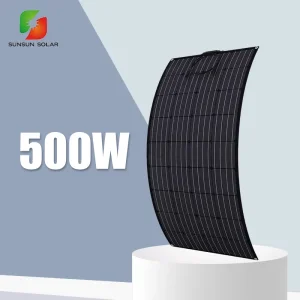
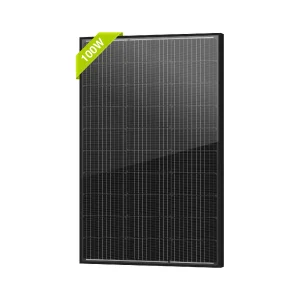
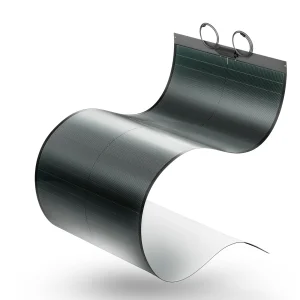
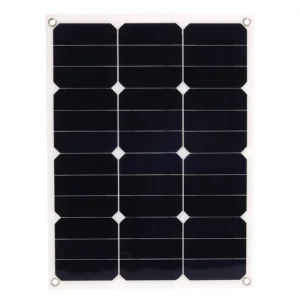
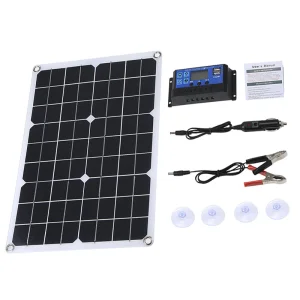
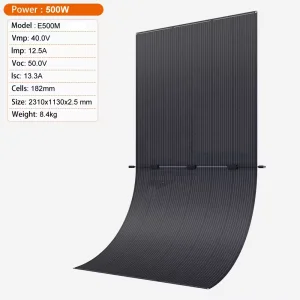
Our extended catalog for marine off-grid networks, yacht upgrades, and coastal buoys. All modules incorporate advanced salt-mist coatings and marine-grade junction boxes.
Practical insights on selecting, installing, and maintaining marine solar arrays along the Australian coast.
 Halkirk Solar