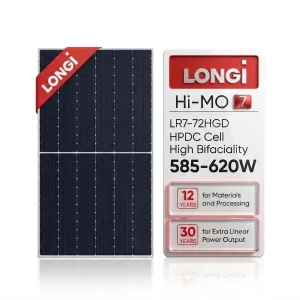
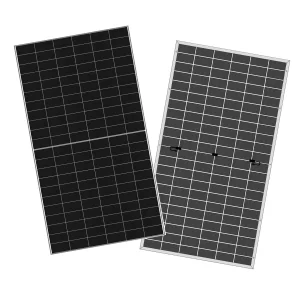
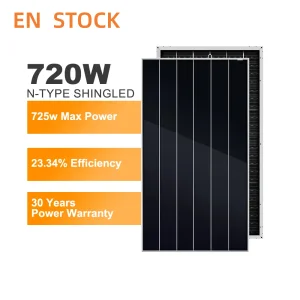
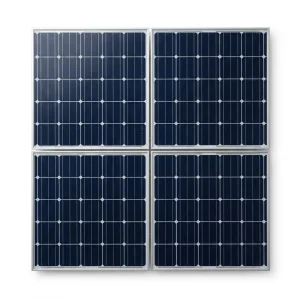
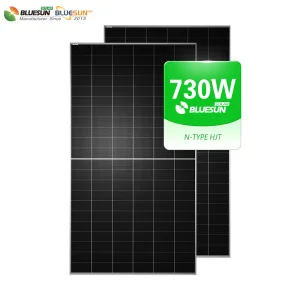
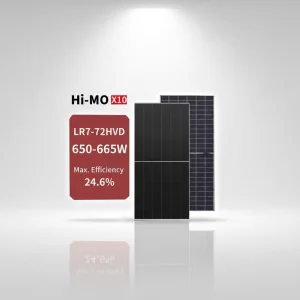
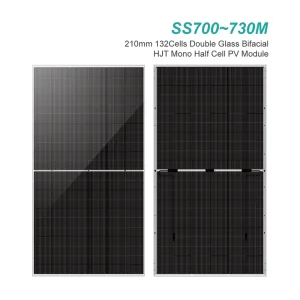
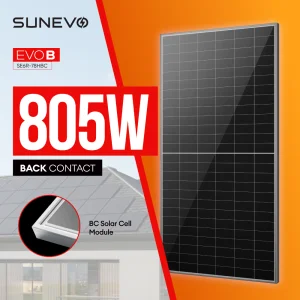
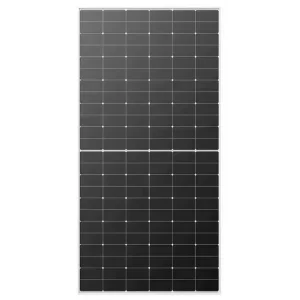
Premium high-power N-type and double-glass bifacial modules designed for extreme performance in Indian solar parks.
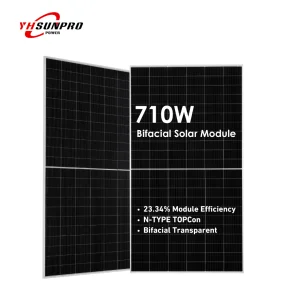
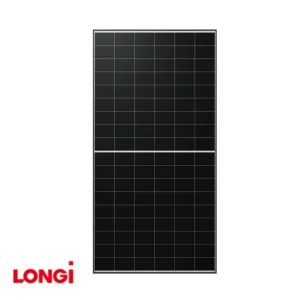
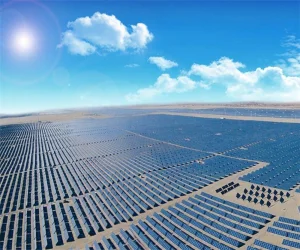
India is positioning itself as a global renewable energy superpower, targeting 500 GW of non-fossil fuel capacity by 2030, with solar energy driving more than half of this expansion. Massive solar zones, such as the Bhadla Solar Park in Rajasthan and Pavagada Solar Park in Karnataka, require gigawatt-scale project execution. However, scaling utility projects in India presents unique deployment and sourcing challenges.
India's solar supply chain is heavily influenced by trade regulations. The implementation of the Approved List of Models and Manufacturers (ALMM) and the Basic Customs Duty (BCD)—imposing 40% duty on solar modules and 25% on solar cells—has transformed the procurement landscape. Indian developers must strategically balance localized sourcing requirements with the import of high-efficiency cells and premium modules from state-of-the-art Chinese manufacturers to maintain competitive Levelized Cost of Energy (LCOE).
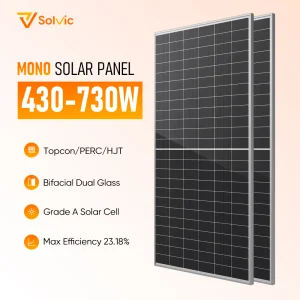
Globally, the solar industry has transitioned from p-type PERC technology to n-type technologies like TOPCon (Tunnel Oxide Passivated Contact) and HJT (Heterojunction Technology). This shift is driven by the demand for higher efficiency, lower degradation rates, and superior bifaciality. For Indian developers, importing N-type products from China’s premier industrial zones, such as Ningbo, ensures access to large-format modules (210mm and 182mm cells) that reduce Balance of System (BOS) costs, including cabling, mounting structures, and land usage.
Evaluating TOPCon, HJT, and Back-Contact (HPBC) technologies for Indian climatic challenges.
| Technology Platform | Cell Efficiency Potential | Bifaciality Factor | Temperature Coefficient | Best Suited For (India Regions) |
|---|---|---|---|---|
| N-Type TOPCon | 25.5% - 26.5% | 80% - 85% | -0.30% / °C | Desert solar parks (Rajasthan, Gujarat, MP) |
| N-Type HJT | 26.0% - 27.2% | 85% - 90% | -0.26% / °C | High-irradiation, extreme hot regions |
| N-Type HPBC 2.0 (Back Contact) | 25.8% - 26.8% | 65% - 75% | -0.29% / °C | C&I rooftops, agricultural agrivoltaics |
| Conventional PERC | 23.0% - 23.8% | 65% - 70% | -0.35% / °C | Legacy projects, low-cost commercial zones |
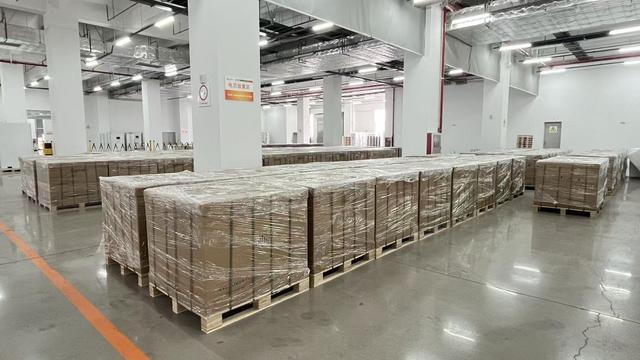
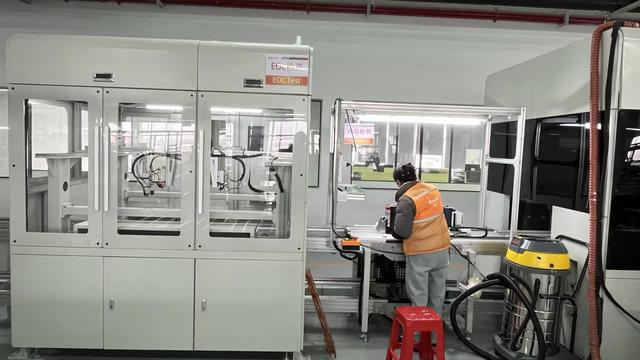
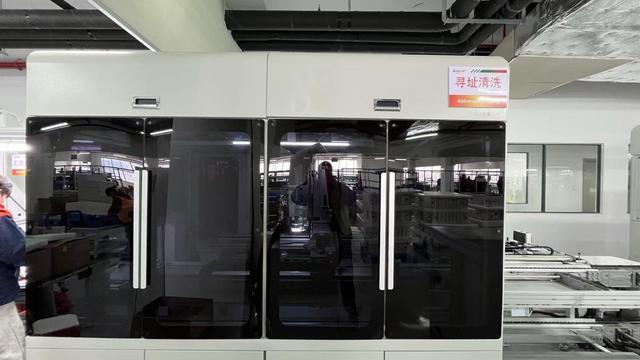
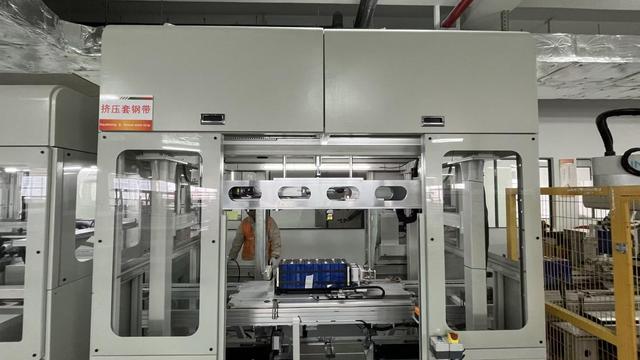
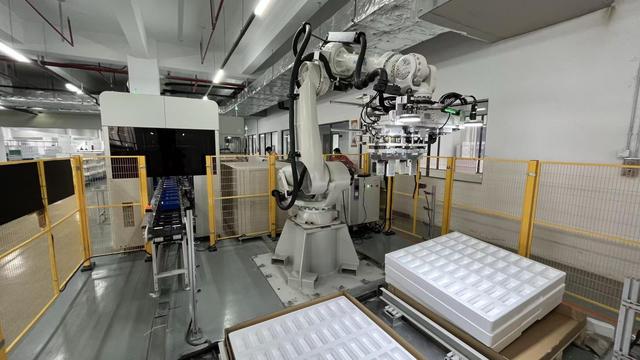
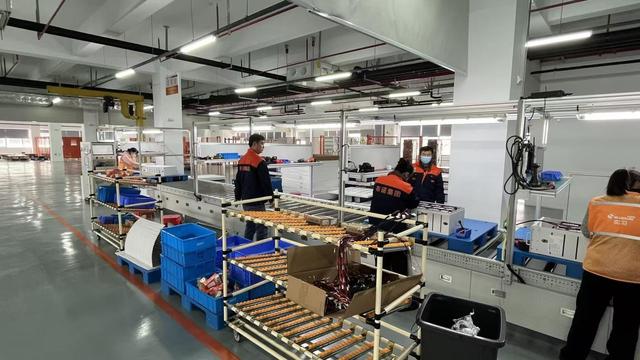
Chinese manufacturing centers like Ningbo combine massive vertical integration with high automation. By housing wafer cutting, cell passivating, double-glass lamination, and automated electroluminescence (EL) testing under one roof, companies like Ningbo Halkirk Solar Co., Ltd. guarantee rigorous quality control. This scale translates directly to cost efficiency, helping project developers absorb localized duties while meeting international Tier-1 quality standards.
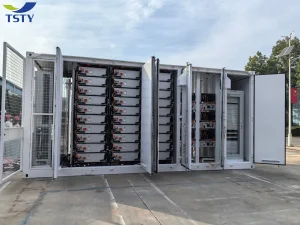
C&I utility solutions, high-output string modules, and advanced energy storage containers.
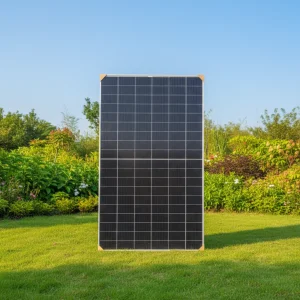
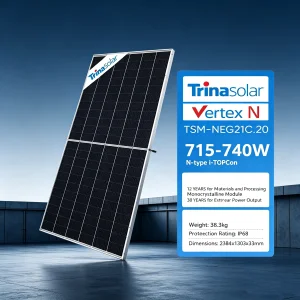
Matching module architecture to diverse physical locations, mounting conditions, and environmental factors.
India’s vast canal infrastructure and agricultural belts are perfect for solar integration. Bifacial modules with high rear-side gain capture reflection from both the water surface and agricultural undergrowth, optimizing energy yield per square meter.
In regions like Rajasthan (Bhadla) and Gujarat (Khavda), solar panels face high temperatures and heavy dust. Modules utilizing dual-glass structures prevent moisture ingress and sand wear, while N-Type cells maintain high output under intense heat.
With land acquisition challenges in India, reservoirs and lakes are increasingly used for floating solar. High-durability IP67/IP68 microgrids and salt-mist-resistant double-glass modules prevent degradation from high humidity and water contact.
For international developers, engineering procurement companies (EPCs), and IPPs (Independent Power Producers), sourcing utility-scale components requires a strict risk mitigation strategy. Key parameters include:
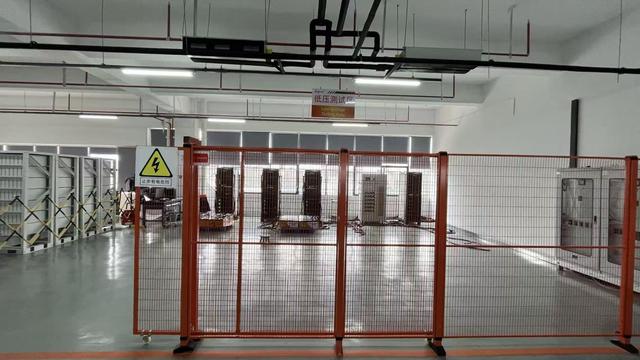
Ningbo Halkirk Solar Co., Ltd. is a professional China solar panel manufacturer and monocrystalline & bifacial solar module supplier, dedicated to delivering high-efficiency renewable energy solutions to customers worldwide. Located in the industrial port city of Ningbo, China, the company integrates research and development, manufacturing, quality control, and global sales to provide reliable solar products for residential, commercial, industrial, and utility-scale applications.
Halkirk Solar specializes in the production of monocrystalline solar panels, bifacial solar modules, TOPCon solar panels, N-type solar modules, off-grid solar solutions, on-grid solar systems, and customized photovoltaic products. Leveraging advanced cell technology and intelligent manufacturing processes, our products are designed to maximize energy output, improve conversion efficiency, and ensure long-term performance in diverse environmental conditions.
Our modern manufacturing facility is equipped with automated production lines, precision testing equipment, and strict quality management systems. Every solar module undergoes comprehensive inspections and performance testing to guarantee superior reliability, durability, and compliance with international standards. We are committed to providing products that meet the evolving demands of the global renewable energy market.
To better serve international customers, Halkirk Solar offers flexible OEM and ODM services for solar brands, distributors, EPC contractors, wholesalers, and project developers. Our experienced engineering and technical teams work closely with clients to deliver customized solar solutions tailored to specific project requirements, market demands, and branding needs.
Driven by innovation, sustainability, and customer satisfaction, Ningbo Halkirk Solar Co., Ltd. continues to expand its presence in global markets. We strive to become a trusted partner in the photovoltaic industry by providing high-quality solar modules and comprehensive clean energy solutions that contribute to a greener and more sustainable future.
Explore our complete range of monocrystalline, TOPCon, HJT, and dual-glass bifacial modules.
Insights into procurement, customs compliance, technological options, and warranty structure for India-bound solar developments.
A: Basic Customs Duty (BCD) places a 40% tariff on imported solar modules and a 25% tariff on solar cells. To minimize these costs, many Indian developers import Tier-1 high-efficiency solar cells or contract Chinese manufacturers for custom manufacturing (OEM/ODM). This approach ensures projects utilize advanced technologies (like HJT and TOPCon) that local manufacturers might not yet supply at gigawatt scale.
A: N-Type TOPCon modules offer a higher bifaciality factor (up to 85% compared to 70% for PERC), a lower temperature coefficient (-0.30%/°C vs. -0.35%/°C), and virtually zero Light-Induced Degradation (LID). This guarantees a higher long-term energy yield, particularly in high-temperature zones like Rajasthan, Madhya Pradesh, and Gujarat, resulting in a lower LCOE.
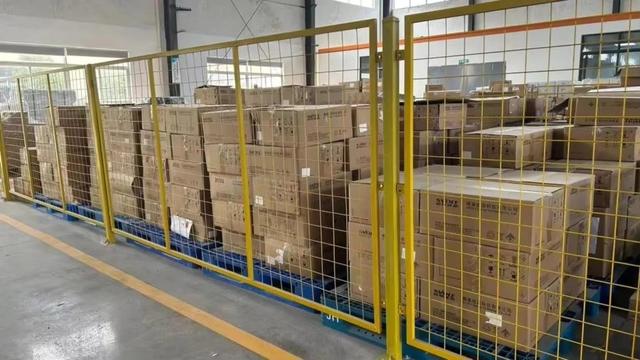
A: Products are dispatched from Ningbo Port, one of the world's largest deep-water shipping hubs. The direct ocean freight routes connect to Nhava Sheva (Mumbai), Mundra (Gujarat), and Chennai Ports, taking approximately 15 to 22 days. Secure container packing ensures safety and prevents micro-cracks during sea transit.
A: Yes, we provide full OEM and ODM services. We customize module power outputs, physical sizes (e.g., specialized spacing for tracker compatibility), frame colors, cable lengths, and junction box configurations to fit your site-specific structural design and electrical layout.
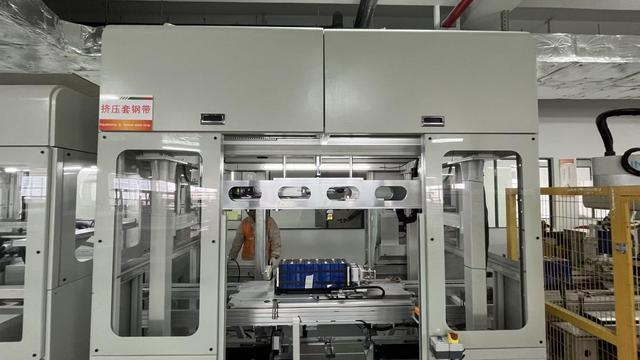
Inside our automated production lines, testing bays, and warehouse facility in Ningbo.

Ready to request custom configurations, volume pricing, and shipping schedules?
Send Inquiry Now → Halkirk Solar