Halkirk Solar
1 / 5
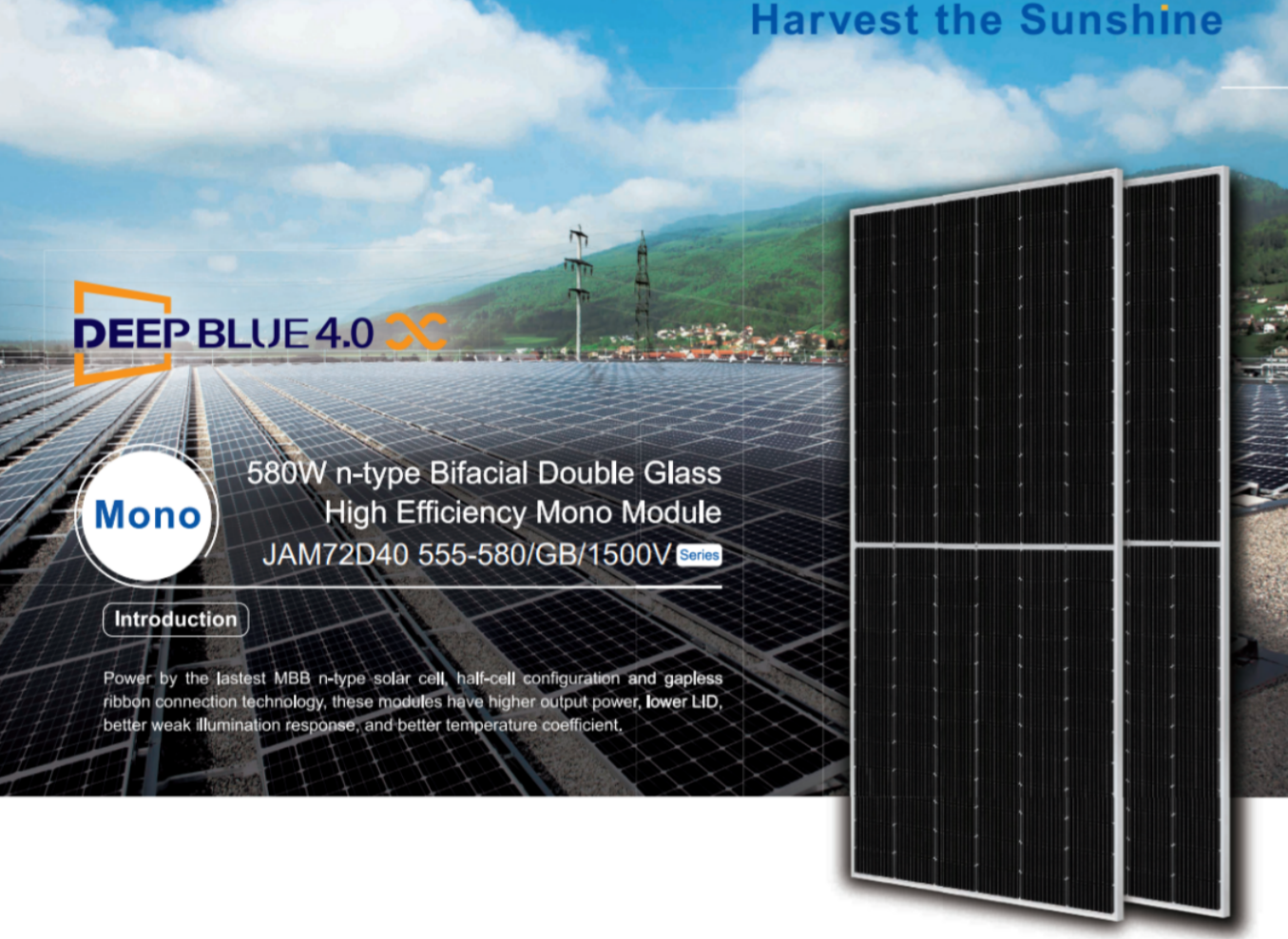

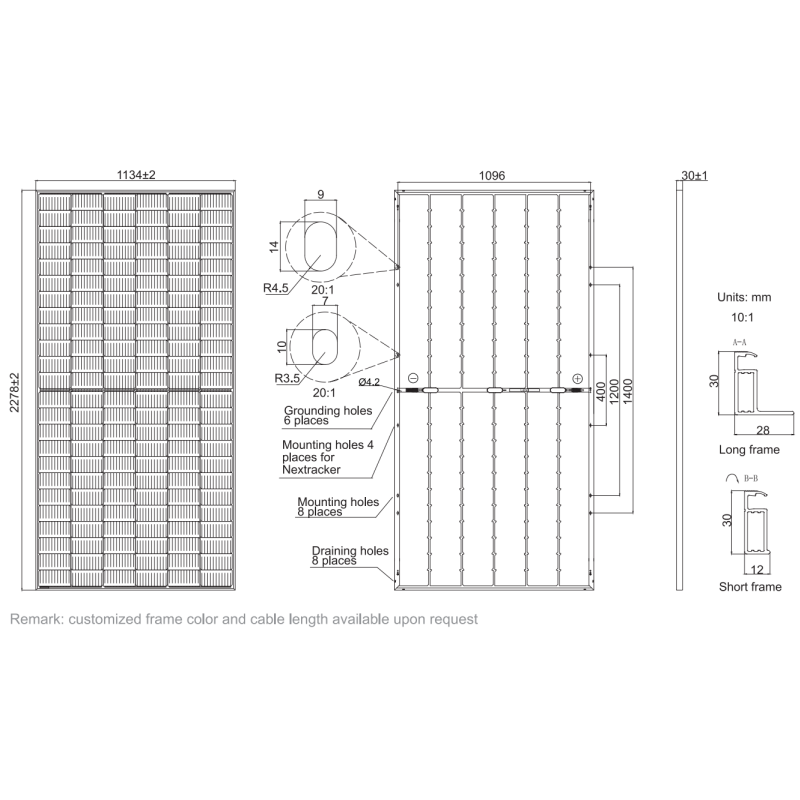
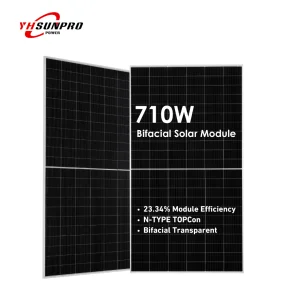
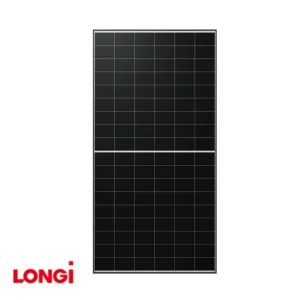
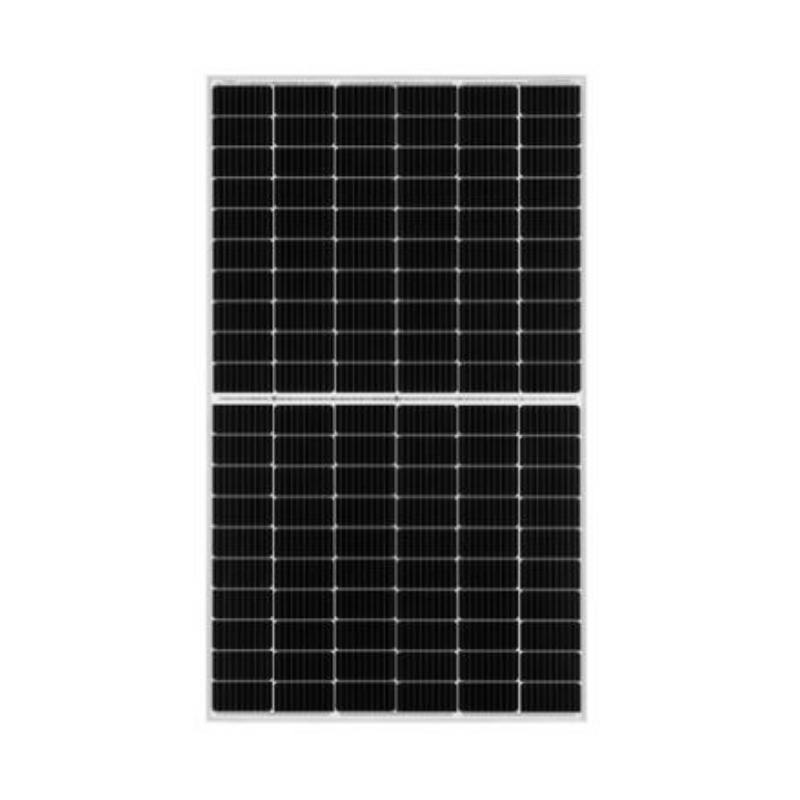
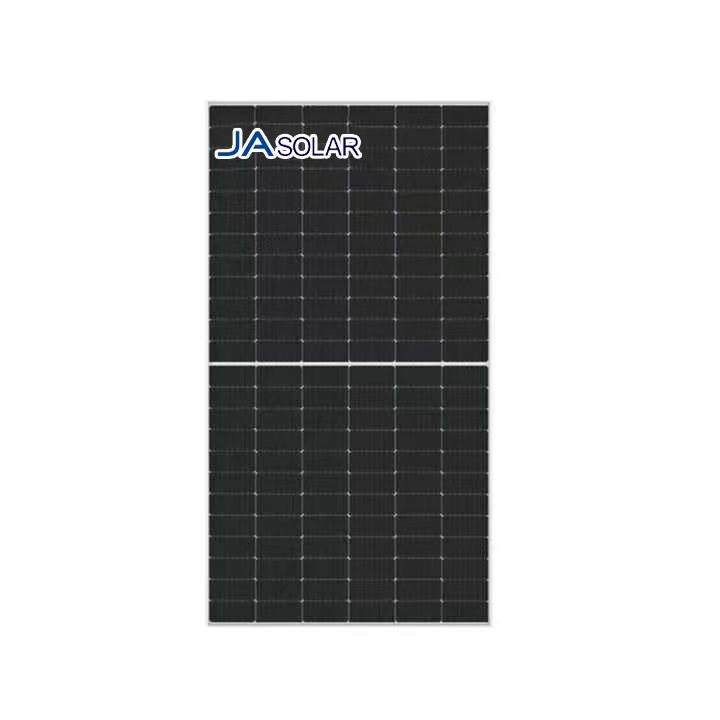
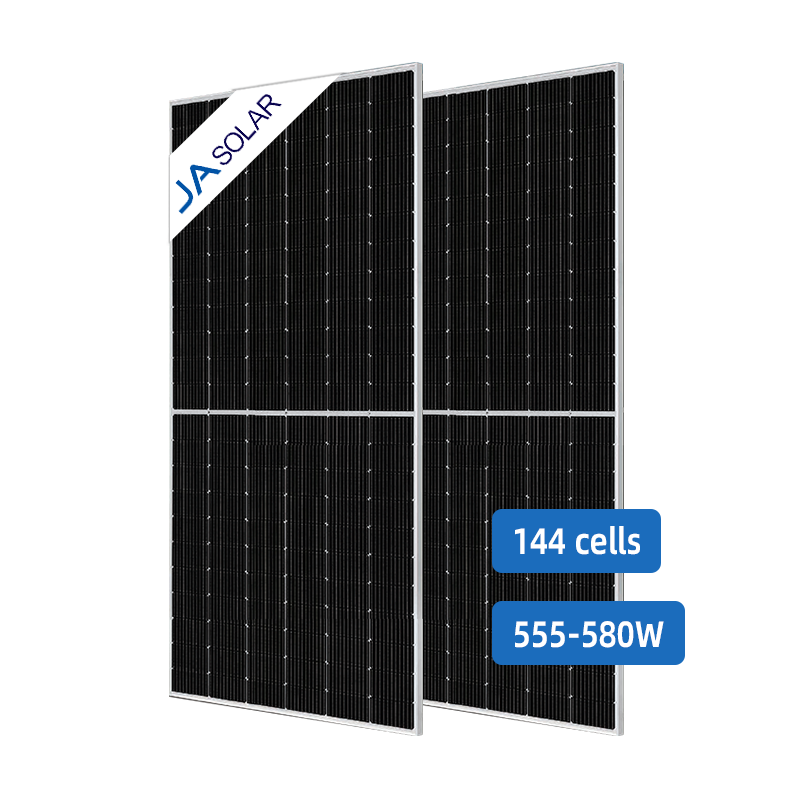
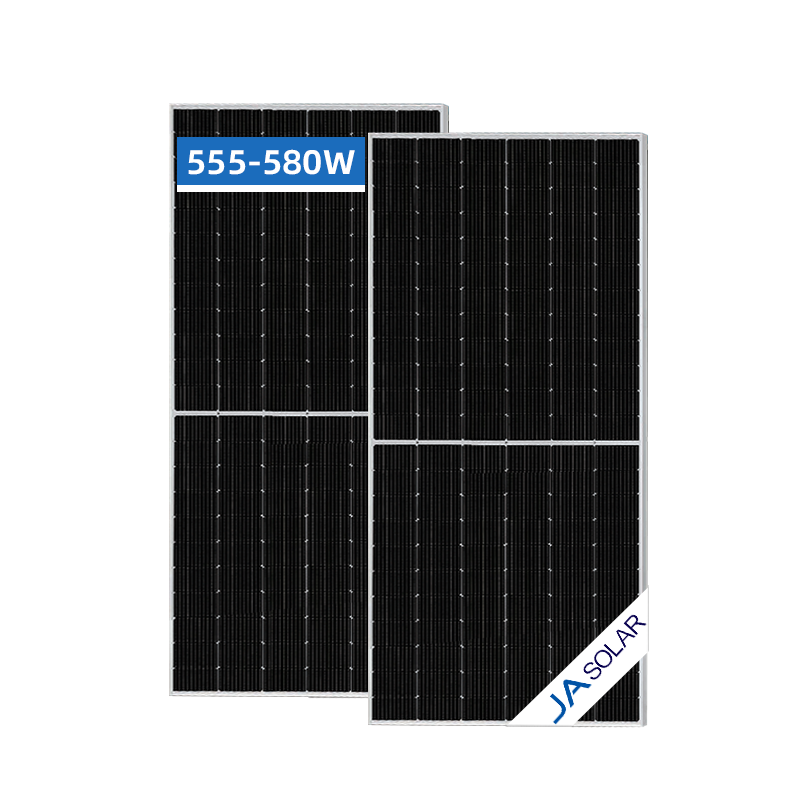
| TYPE | JAM72D40-555/GB | JAM72D40-560/GB | JAM72D40-565/GB | JAM72D40-570/GB | JAM72D40-575/GB | JAM72D40-580/GB |
| Rated Maximum Power (Pmax)[W] | 555 | 560 | 565 | 570 | 575 | 580 |
| Open Circuit Voltage (Voc)[V] | 50.55 | 50.70 | 50.85 | 51.00 | 51.15 | 51.30 |
| Maximum Power Voltage (Vmp)[V] | 42.24 | 42.40 | 42.55 | 42.70 | 42.85 | 44.43 |
| Short Circuit Current (Isc)[A] | 14.02 | 14.09 | 14.16 | 14.23 | 14.30 | 13.46 |
| Maximum Power Current (Imp)[A] | 13.14 | 13.21 | 13.28 | 13.35 | 13.42 | 13.48 |
| Module Efficiency(%) | 21.5 | 21.7 | 21.9 | 22.1 | 22.3 | 22.5 |
| Power Tolerance | 0~+5w | |||||
| STC | Irradiance 1000W/m², cell temperature 25°C, AM1.5G | |||||
| TYPE | JAM72D40-555/GB | JAM72D40-560/GB | JAM72D40-565/GB | JAM72D40-570/GB | JAM72D40-575/GB | JAM72D40-580/GB |
| Rated Maximum Power (Pmax)[W] | 599 | 605 | 610 | 616 | 621 | 626 |
| Open Circuit Voltage (Voc)[V] | 50.58 | 50.73 | 50.88 | 51.03 | 51.16 | 51.30 |
| Maximum Power Voltage (Vmp)[V] | 42.24 | 42.39 | 42.55 | 42.70 | 42.86 | 44.43 |
| Short Circuit Current (Isc)[A] | 15.14 | 15.22 | 15.29 | 15.37 | 15.44 | 135.51 |
| Maximum Power Current (Imp)[A] | 14.19 | 14.27 | 14.34 | 14.42 | 14.49 | 14.56 |
| Irradiation Ratio (rea/front) | 10% | |||||
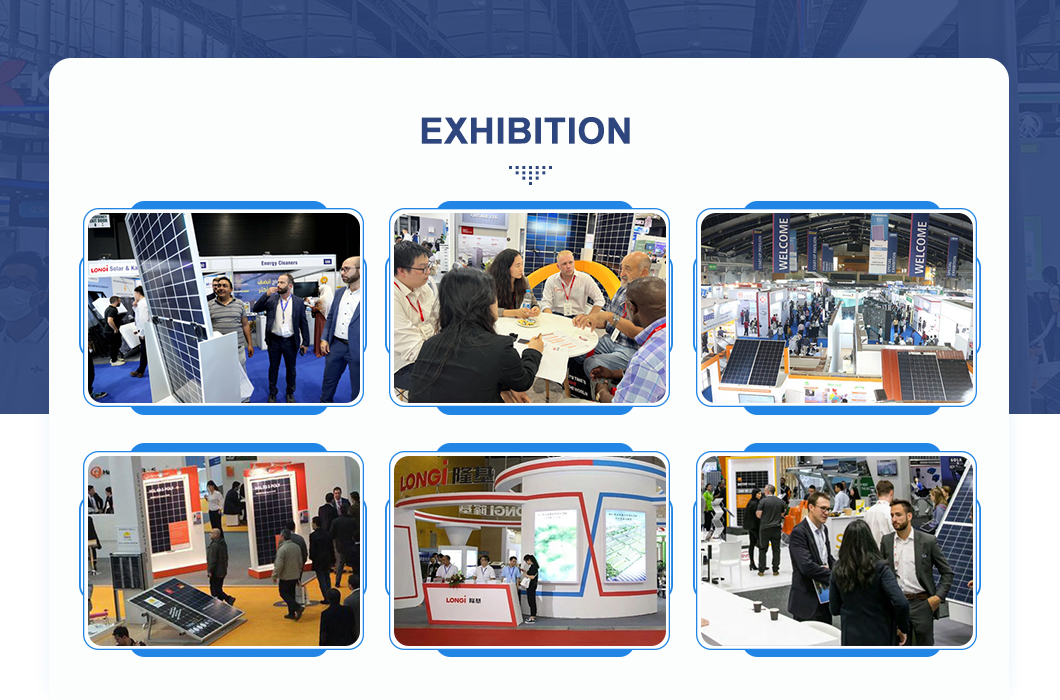
We provide a comprehensive suite of solar PV solutions that can optimize a wide range of project applications.
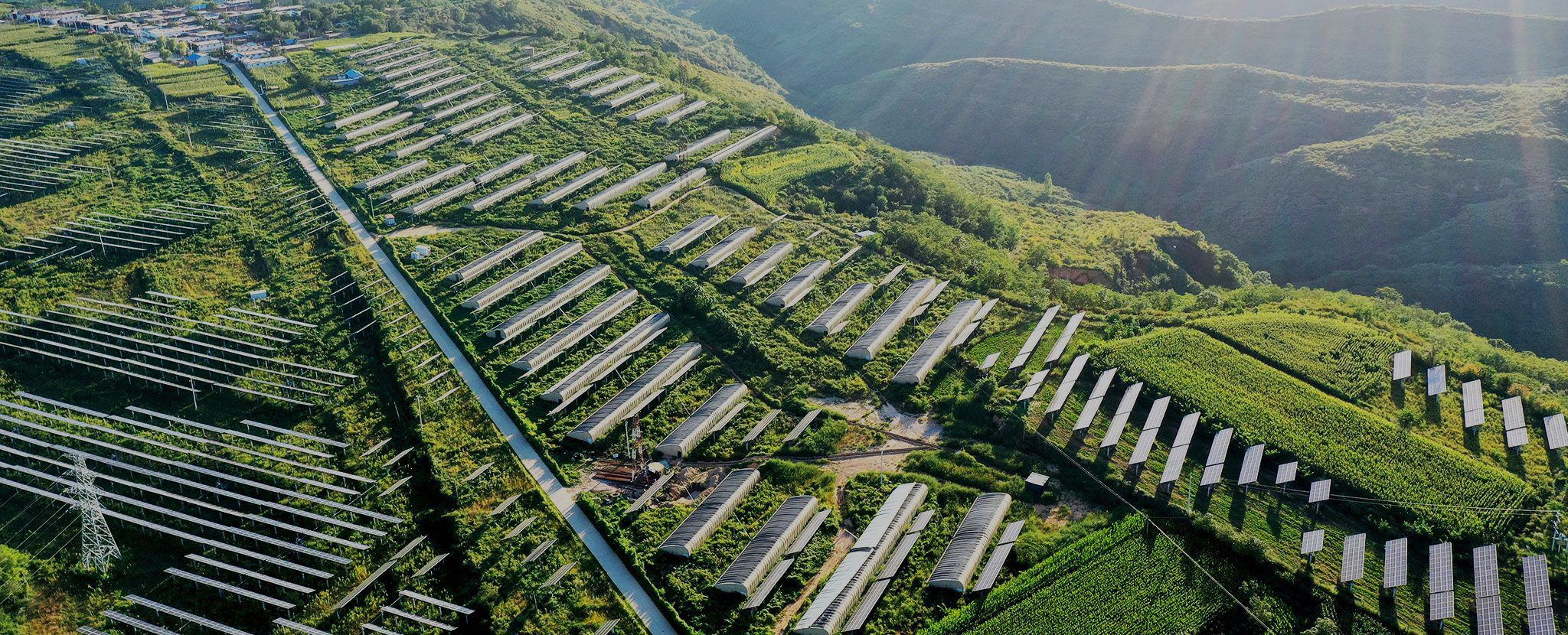
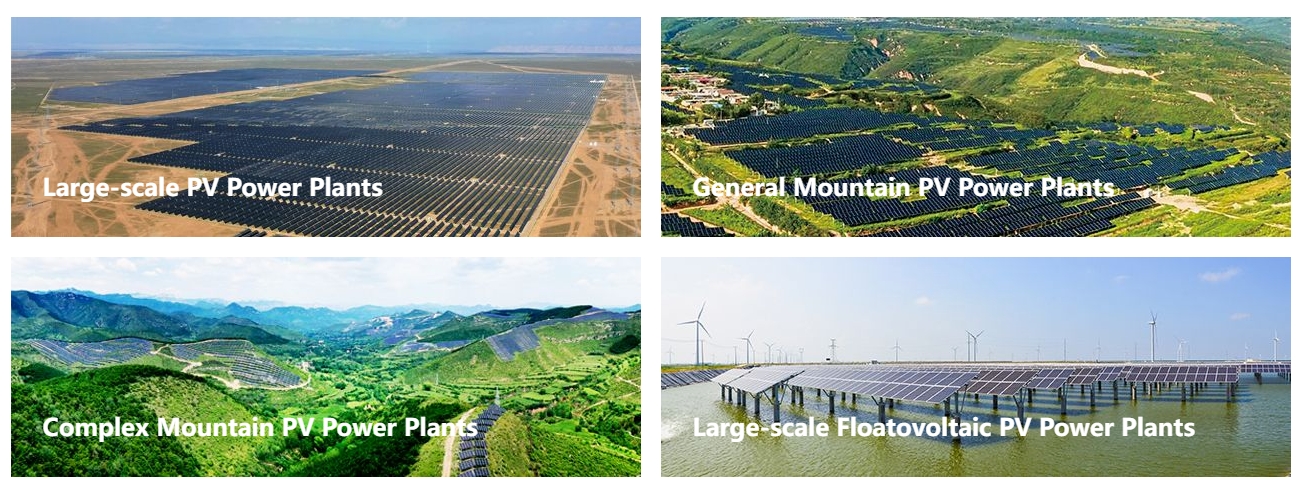
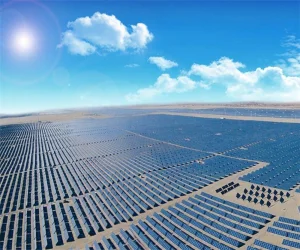
Eco-friendly PV power plants are grid-friendly, environmentally-friendly, and economic benefits-friendly. The featured applications are divided into large-scale PV power plants on mostly flat terrain, PV power plants on mountainous terrain, PV power plants on more complex mountainous terrain, and large-scale PV power plants floating on water (floatovoltaics).
Solar PV can be paired with high-energy-consuming enterprises' own power plants to meet consumer demand. PV can also power the production of green hydrogen as a replacement for carbon-producing fuels, thereby helping companies achieve their decarbonization goals.
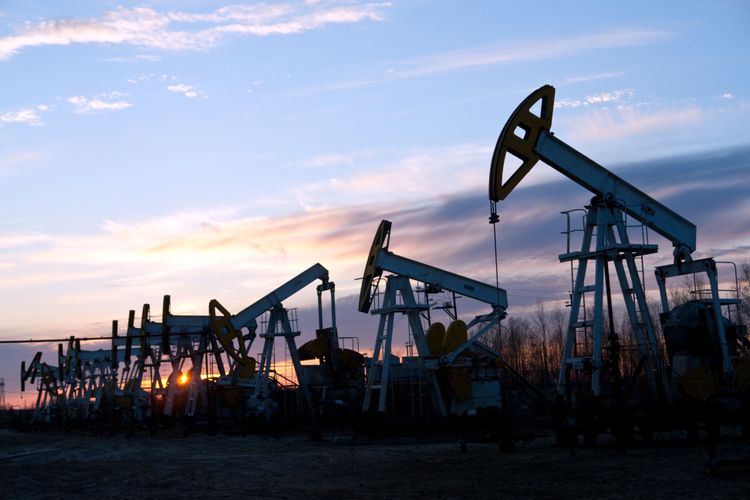
Help petroleum enterprises become greener and enhance the industry's environmental protection, societal benefits and brand equity. Environmental protection value: reduce energy consumption and reduce pollution; social value: improve regional environment and improve public service level; brand value: reduce long-term operating costs and improve brand equity.
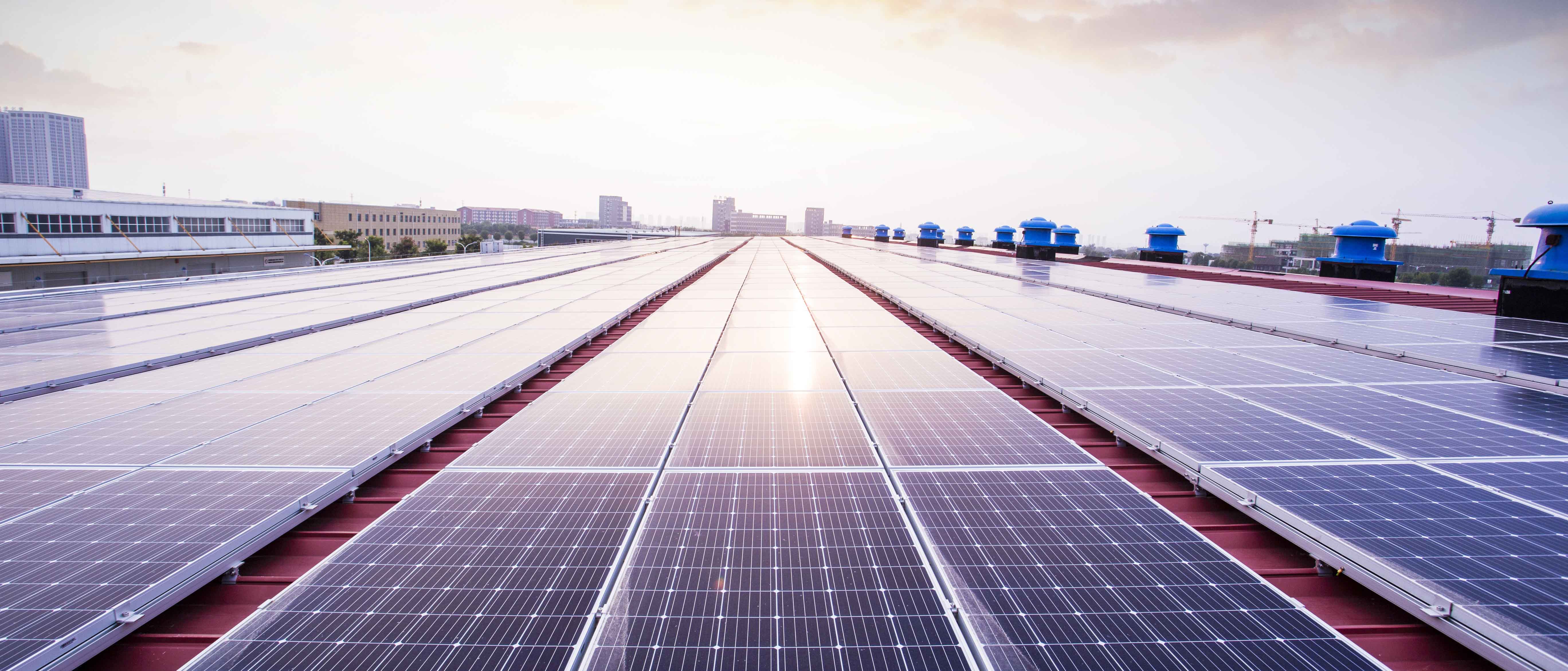
Create a new industrial paradigm with clean energy as the main energy system, which promotes global green environmental protection.
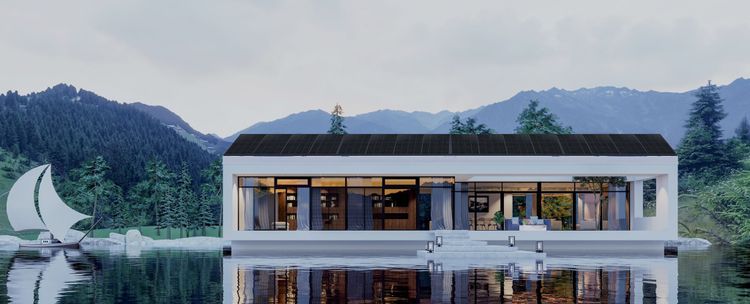
Standardized residential solution mainly covers flat roofs and pitched roofs, designed for self-generation and self-consumption and providing surplus electricity to grid. The survey and design of professional technical team’s expertise facilitates the rapid response and implementation of the solutions.
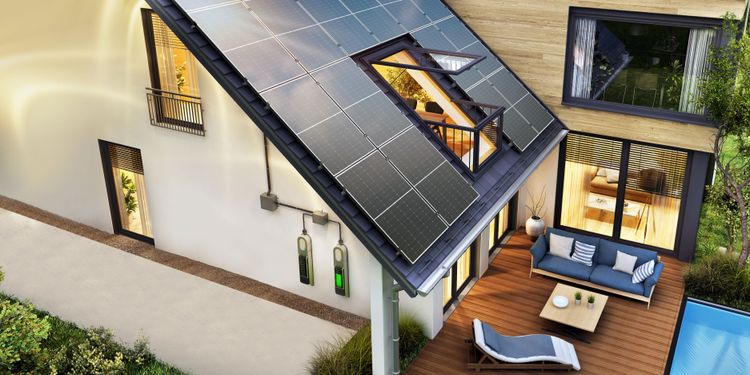
Customized residential solutions simplify the sometimes complicated design and installation of PV systems on nonstandard rooftops. Professional design teams match the perfect module for any rooftop, thus maximizing value for the customer.
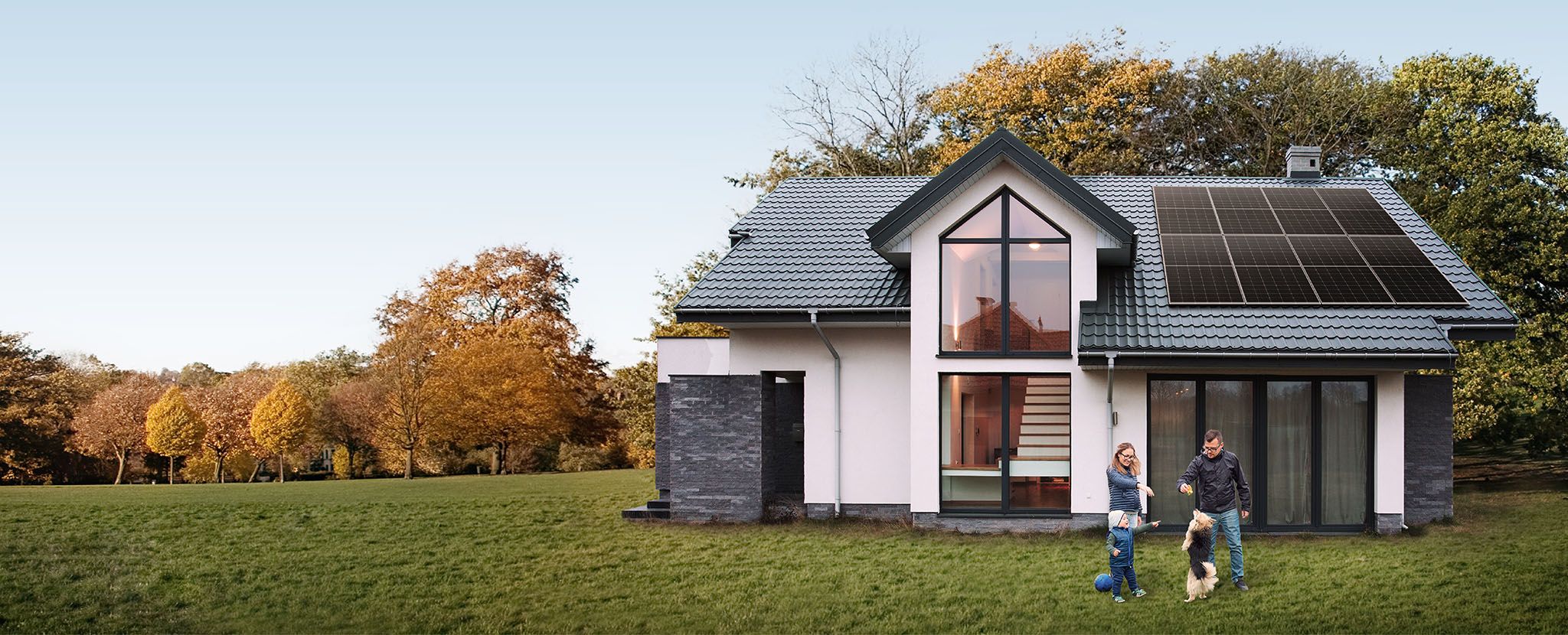
Our residential PV solutions are applicable for a wide range of rooftops, with differentiated module types and flexible system design.
Depending on the different types of construction sites, installation locations and methods, we can provide solutions for large-scale PV power plants, general mountain PV power plants, complex mountain PV power plants, and floatovoltaic PV power plants.