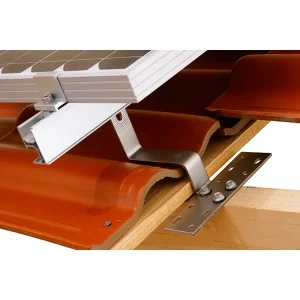
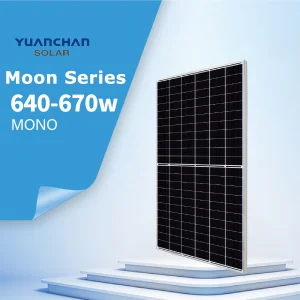
Explore our CE & TUV certified solar batteries, flexible solar arrays, high-efficiency monocrystalline PV panels, and modular battery management systems engineered for commercial, residential, and industrial applications.
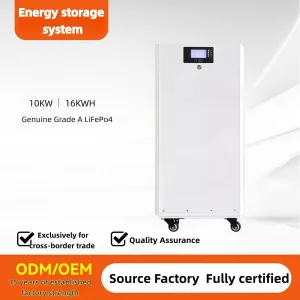
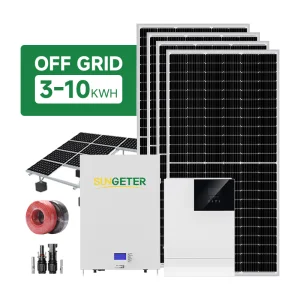

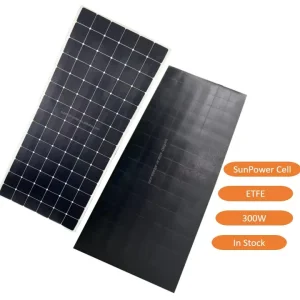
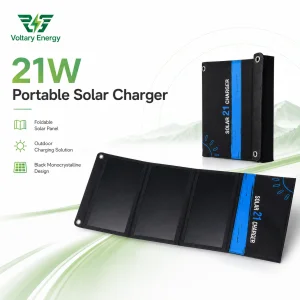
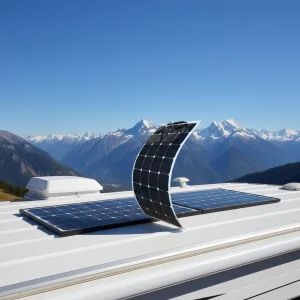
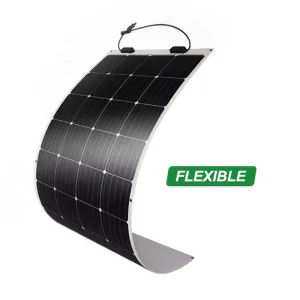
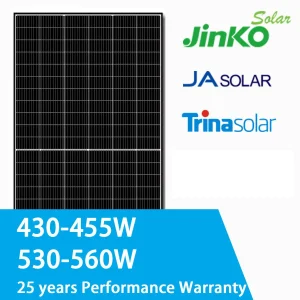
The global transition to decentralized clean energy has repositioned the Battery Energy Storage System (BESS) from a secondary power asset to the cornerstone of modern grid infrastructure. Rapid shifts in grid compliance requirements, coupled with volatile peak pricing models, require commercial enterprises, EPC developers, and state agencies to implement highly reliable, CE-certified storage architectures. This paradigm shift demands more than basic storage capacity; it mandates the adoption of smart systems capable of sub-millisecond dispatch times, complex thermal cycling, and advanced communication integrations with virtual power plants (VPPs).
As the international community converges on net-zero emission mandates, regional markets present highly diversified technical requirements. In Western Europe, stringent environmental standards such as the EU Battery Regulation demand complete transparency over the battery lifecycle, including carbon footprint declarations and material recycling paths. Concurrently, North American utilities prioritize long-duration energy storage (LDES) formats capable of stabilizing grids prone to climate-induced volatility. These dynamic variables mean that selecting a CE-certified solar battery manufacturer is no longer just a purchasing decision—it is a critical exercise in technical compliance and risk mitigation.
Why regulatory compliance represents the bottom line in safety, performance, and legal bankability across the European Union and international markets.
Modern solar battery systems leverage Lithium Iron Phosphate (LiFePO4) chemistry due to its structural stability, long cycle life, and thermal safety profile. Compared to traditional Nickel Manganese Cobalt (NMC) cells, LiFePO4 maintains a significantly higher thermal runaway temperature (exceeding 270°C, compared to NMC's ~210°C). This chemical structure practically eliminates the risk of catastrophic oxygen release during overheating, making it the preferred standard for residential basements, commercial server rooms, and critical industrial depots.
Standard LiFePO4 cells yield between 6,000 to 8,000 cycles at 80% Depth of Discharge (DoD) before capacity drops to 80% of nominal rating. This translates directly to a lower Levelized Cost of Storage (LCOS) over a typical 10-to-15-year operational lifecycle, offering substantial financial advantages for long-term project developers.
Commercial and Industrial (C&I) buyers operate under unique requirements, balancing capital expenditures (CAPEX), operational expenses (OPEX), system safety, and ESG metrics. Procurement teams are tasked with identifying solar suppliers capable of proving product bankability, delivering continuous technical support, and maintaining component consistency over multi-year rollouts.
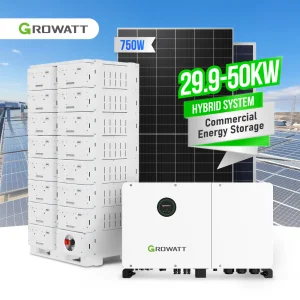
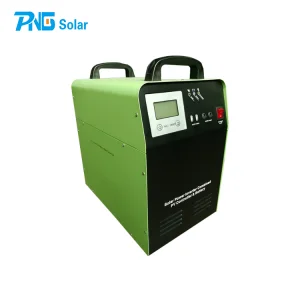
A primary challenge in global battery sourcing is ensuring compatibility across complex component systems. A modern commercial hybrid solar system requires seamless communication between the solar array, the smart hybrid inverter, and the high-voltage battery racks. Without standardized communication protocols (such as Modbus TCP/IP or CANbus), integration costs can escalate, leading to commissioning delays. Procurement departments mitigate this risk by sourcing fully integrated kits—such as complete off-grid or on-grid solar systems—where cells, BMS, and power conversion systems are pre-configured, tested, and certified as a single unit.
Additionally, regulatory frameworks like the Carbon Border Adjustment Mechanism (CBAM) in the European Union require suppliers to provide documented carbon-equivalent output data. Ningbo Halkirk Solar Co., Ltd. addresses this directly by employing low-emission, highly efficient manufacturing processes that help international buyers meet their sustainability goals and reduce tariff exposures.
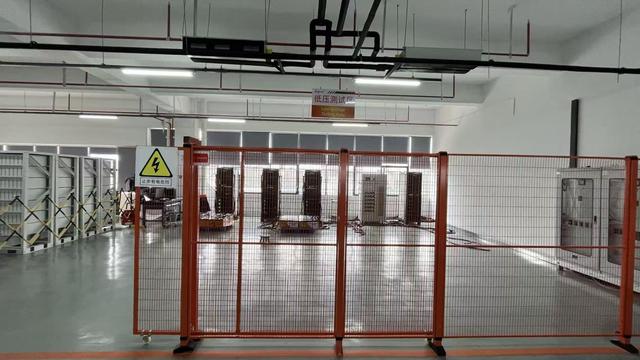
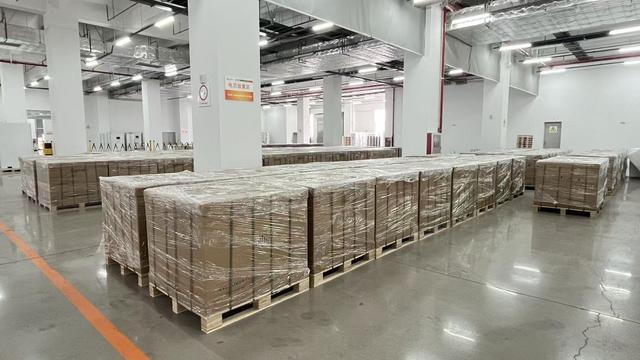
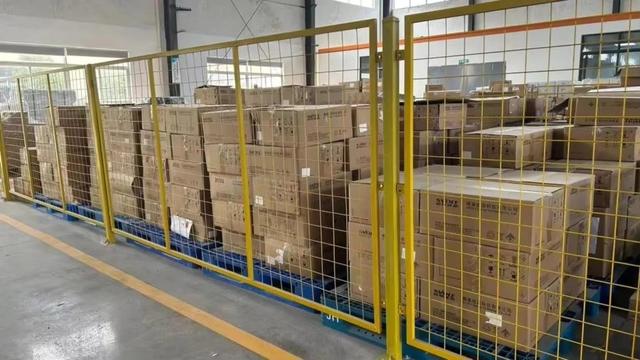
Ningbo, China stands as a global hub for solar cell and energy storage manufacturing. The region's dense ecosystem of raw material providers, precision machinery developers, and deepwater logistics terminals creates an exceptionally resilient supply chain. Our factory integrates advanced automation, real-time quality control, and data-driven manufacturing processes to maintain these standards.
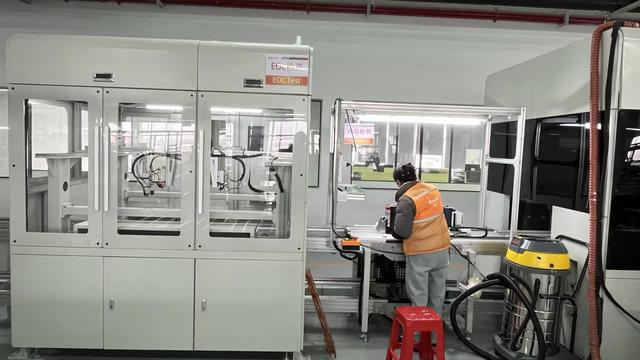
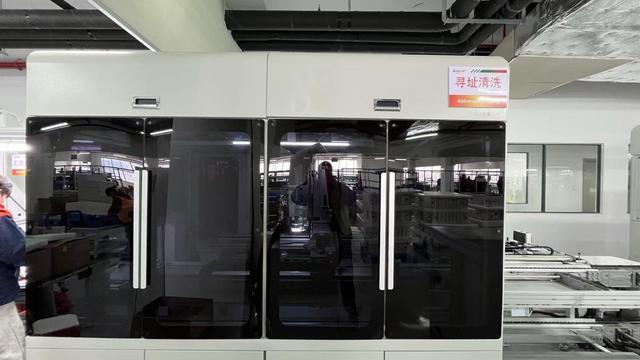
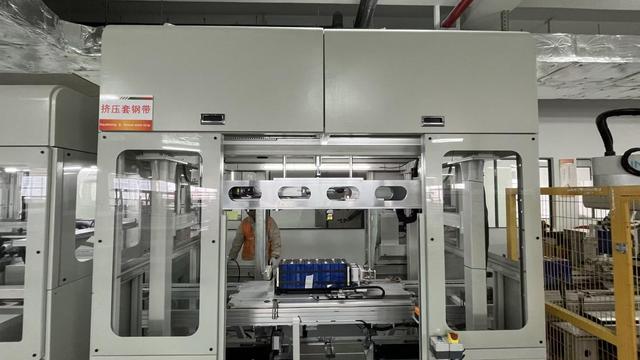
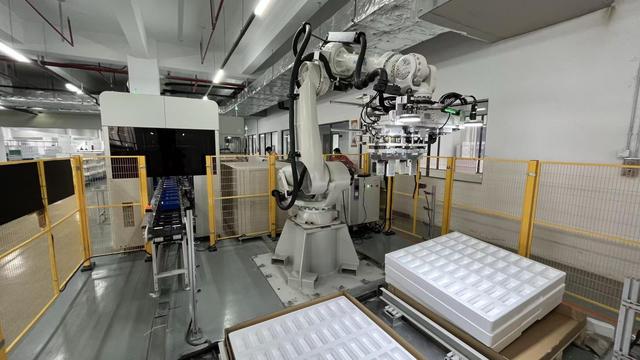
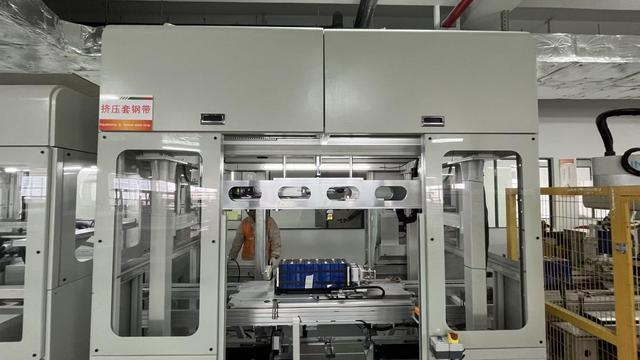
Our Factory 4.0 facility utilizes automated cell-sorting systems, laser welding terminals, and smart automated guided vehicles (AGVs) to minimize manual handling risks. Advanced optical inspection systems (AOI) and double Electroluminescence (EL) testing identify micro-cracks or grid line defects that might bypass standard inspection protocols. By addressing issues at the cell stage, we ensure that every high-efficiency monocrystalline solar panel, TOPCon module, and LiFePO4 battery pack meets long-term performance expectations.
This localized supply chain resilience protects our partners from sudden market shifts. Sourcing cells, silicon wafers, custom protective enclosures, and circuit boards from within a 100-kilometer radius of Ningbo allows us to maintain consistent production timelines, control costs, and offer highly competitive pricing for large-scale utility and industrial deployments.
From remote high-latitude environments to marine deployments, our modular solar systems are engineered to withstand diverse environmental challenges.
A professional China solar panel manufacturer and monocrystalline & bifacial solar module supplier, dedicated to delivering high-efficiency renewable energy solutions to customers worldwide.
Located in Ningbo, China, Ningbo Halkirk Solar Co., Ltd. integrates research and development, manufacturing, quality control, and global sales to provide reliable solar products for residential, commercial, industrial, and utility-scale applications.
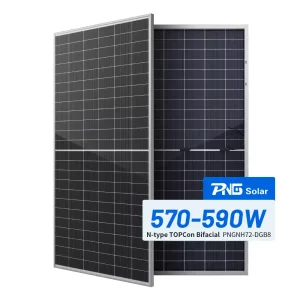
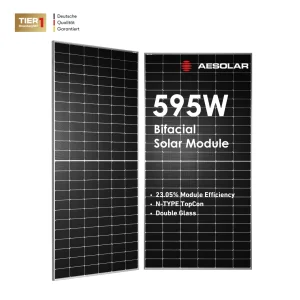
We specialize in the production of monocrystalline solar panels, bifacial solar modules, TOPCon solar panels, N-type solar modules, off-grid solar solutions, on-grid solar systems, and customized photovoltaic products. Leveraging advanced cell technology and intelligent manufacturing processes, our products are designed to maximize energy output, improve conversion efficiency, and ensure long-term performance in diverse environmental conditions.
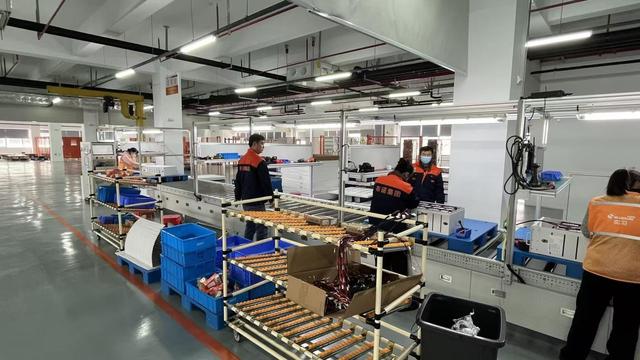
Our modern manufacturing facility is equipped with automated production lines, precision testing equipment, and strict quality management systems. Every solar module undergoes comprehensive inspections and performance testing to guarantee superior reliability, durability, and compliance with international standards. We are committed to providing products that meet the evolving demands of the global renewable energy market.
To better serve international customers, Halkirk Solar offers flexible OEM and ODM services for solar brands, distributors, EPC contractors, wholesalers, and project developers. Our experienced engineering and technical teams work closely with clients to deliver customized solar solutions tailored to specific project requirements, market demands, and branding needs.
Driven by innovation, sustainability, and customer satisfaction, Ningbo Halkirk Solar Co., Ltd. continues to expand its presence in global markets. We strive to become a trusted partner in the photovoltaic industry by providing high-quality solar modules and comprehensive clean energy solutions that contribute to a greener and more sustainable future.
Find clear answers to common questions about CE certification, system design, integration, and supply chain processes.
CE certification proves that a battery energy storage system complies with European Union health, safety, and environmental protection standards. It ensures the product meets safety requirements (LVD 2014/35/EU), electromagnetic compatibility standards (EMC 2014/30/EU), and material safety guidelines (RoHS). This certification is essential for import compliance, local grid connection approval, and obtaining project insurance.
N-Type TOPCon (Tunnel Oxide Passivated Contact) cells offer high efficiency (typically 22-25%) and low LID (Light Induced Degradation) at a competitive production cost. HJT (Heterojunction Technology) cells combine crystalline silicon with amorphous silicon thin films, yielding slightly higher efficiency (23-26%), a better temperature coefficient (-0.26%/°C), and higher bifaciality, making them well-suited for high-temperature and ground-mount installations.
Our Smart BMS (Battery Management System) uses active and passive cell-balancing algorithms to manage charge distribution across cells, preventing overcharging and deep discharge. The system monitors parameters such as cell voltage, internal resistance, and temperature, regulating thermal limits to slow down chemical aging and maintain capacity retention over thousands of cycles.
Yes. Flexible solar panels can be configured in series-parallel combinations to match the voltage requirements of high-voltage charge controllers or hybrid inverters. They are commonly used on weight-sensitive surfaces, such as curved roofs, campervans, and marine structures, and integrate with LiFePO4 batteries using compatible MPPT charge controllers.
We offer comprehensive OEM/ODM customization options, including custom cell sizes, specialized glass thicknesses, custom wiring lengths, and customized branding on frames and packaging. Our engineering team works directly with clients to design photovoltaic and energy storage solutions tailored to specific commercial or residential system requirements.
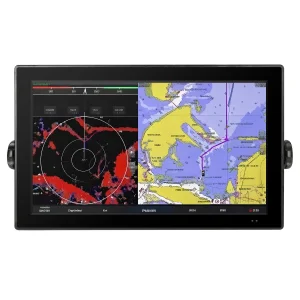
Discover our comprehensive selection of hybrid systems, off-grid kits, and specialty displays designed to meet the demands of challenging commercial, residential, and marine projects.
 Halkirk Solar