
In the modern era of capital allocation, solar energy has transitioned from a specialized green asset class into one of the most reliable and high-yield categories of utility and commercial infrastructure investments. As national grids globally aim for net-zero carbon thresholds, the criteria for selecting manufacturing partners have dramatically tightened. Institutional investors, sovereign wealth funds, and global project developers no longer simply look at base cost-per-watt metrics. Instead, the focus has shifted toward long-term Levelized Cost of Energy (LCOE), robust bankability indexes, and comprehensive structural compliance.
Operating from the global manufacturing core of Ningbo, China, Ningbo Halkirk Solar Co., Ltd. stands as a key partner in this transition. We offer specialized OEM/ODM capabilities integrated with CE certified processes to ensure that large-scale portfolios meet rigorous European and American grid integration protocols. The combination of local government support, technological leadership, and absolute compliance with safety directives makes CE certified manufacturing a foundational requirement for securing investment capital.
Institutional buyers demand tier-structured validation. Every solar installation is designed for a multi-decade operational life. Ningbo Halkirk Solar addresses this vulnerability by deploying strict cell materials selection, extensive third-party testing, and structural warranty coverage that ensures predictable investment amortization.
Compliance with global trade policies (such as the EU's Corporate Sustainability Due Diligence Directive) requires complete visibility. Our manufacturing setup provides transparent, audited sourcing of silicon ingots, wafers, and cell materials to protect investors from geopolitical disruptions.
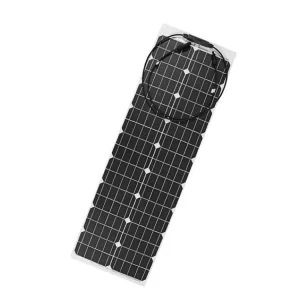
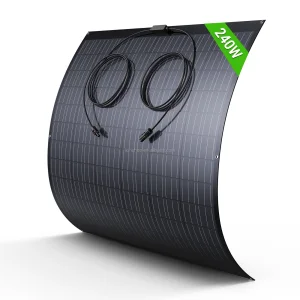
No two utility projects share identical characteristics. From Marine environments needing lightweight CIGS flexible systems to high-altitude utility systems demanding bifacial high-wattage modules, we customize parameters to optimize project parameters.
For capital to achieve optimal returns, modules must be matched with specific environments. We map our advanced manufacturing configurations directly to major macroeconomic infrastructure demands.
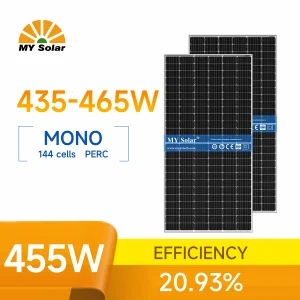
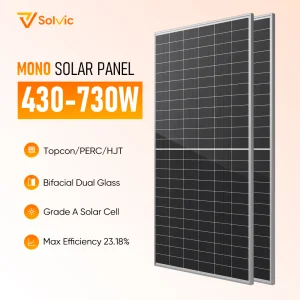
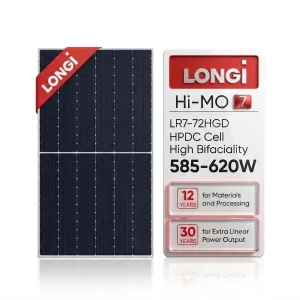
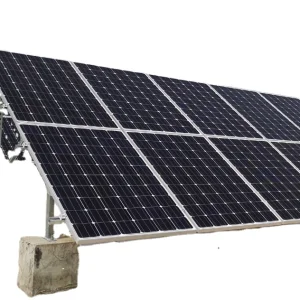
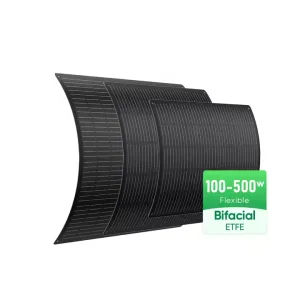
Designed for Independent Power Producers (IPPs) seeking high grid capacity stability. Utilizing N-Type TOPCon technology, these bifacial modules capture reflected albedo radiation from the ground, boosting real-world output by up to 25% compared to monofacial equivalent installations.
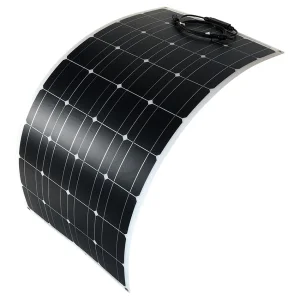
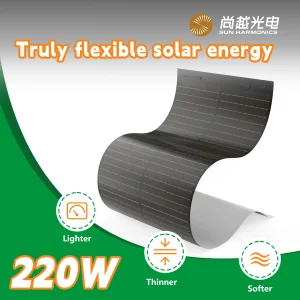
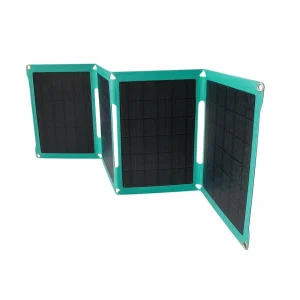
Optimized for factory warehouses, logistics parks, and office buildings where structural load limits apply. Integrating flexible, light-weight CIGS systems permits power generation on curved and load-sensitive roofs without compromising waterproofing integrity.
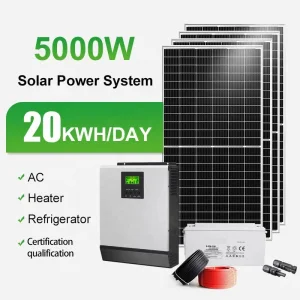
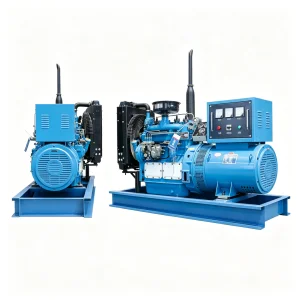
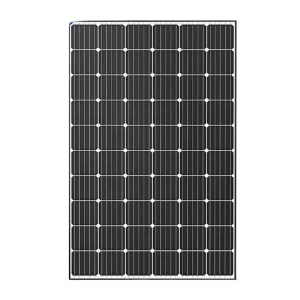
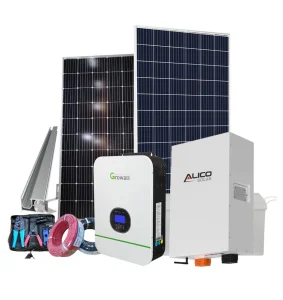
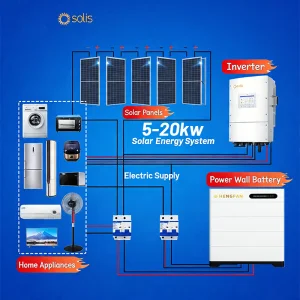
Engineered for rural electrification, remote telecom centers, and residential developments seeking grid independence. These integrate high-capacity hybrid inverters and storage batteries with high-yield monocrystalline modules.
The photovoltaic market has moved beyond p-type PERC technology. Today, N-Type TOPCon (Tunnel Oxide Passivated Contact) and IBC (Interdigitated Back Contact) are the leading standards for capital efficiency. By utilizing ultra-thin tunnel oxide layers combined with highly doped polycrystalline silicon, our cells experience near-zero Light-Induced Degradation (LID) and significantly lower LeTID.
For solar investors, this optimization directly improves generation yields in hot climates and low-light hours. Our current technology roadmap is focused on raising cell efficiencies beyond 24.5% in mass production while optimizing mechanical structural flexibility for mobile and architectural integrations.
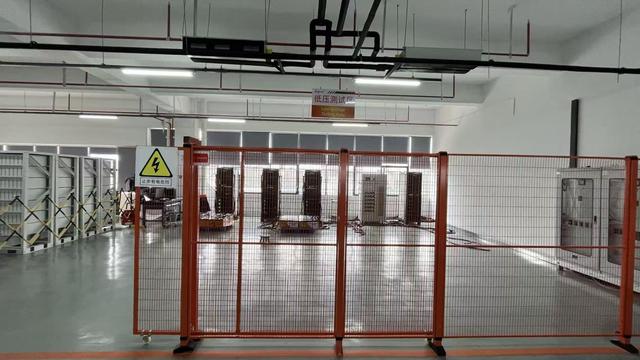
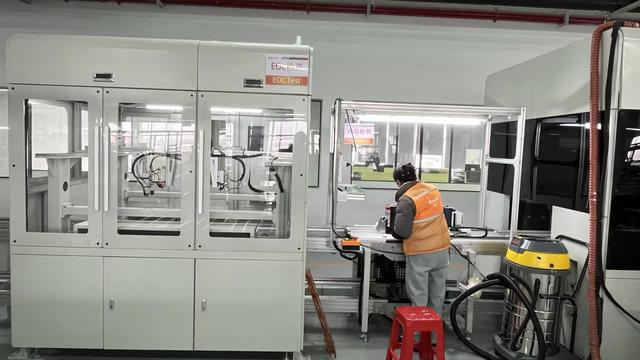
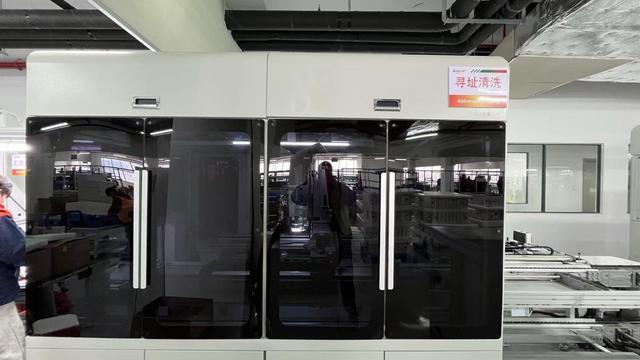
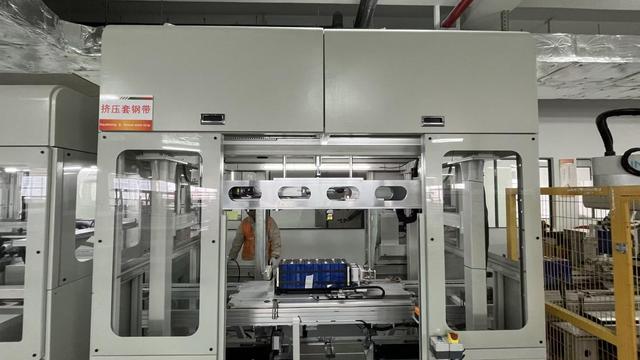
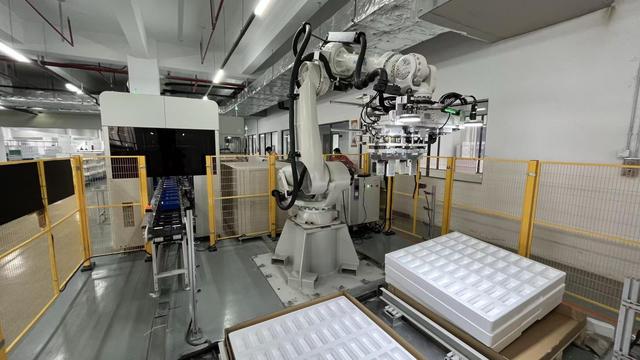
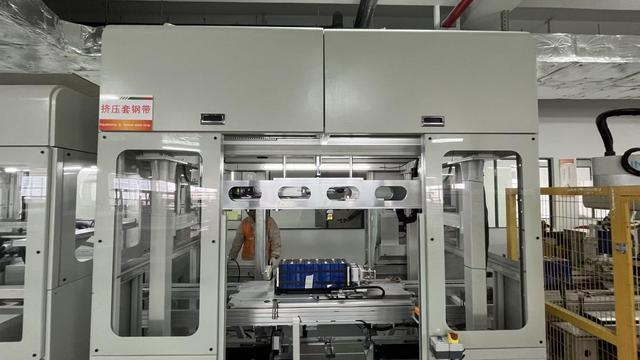
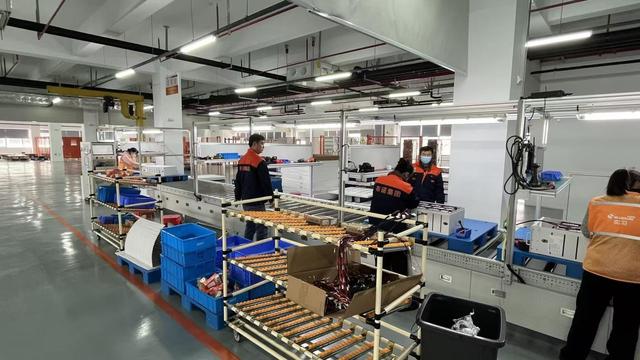
Ningbo Halkirk Solar Co., Ltd. invests continuously in automated manufacturing lines. Our production processes minimize human handling, reduce micro-cracking risk, and ensure that every delivered batch matches the technical parameters specified in the initial design.
Every solar module produced by Ningbo Halkirk Solar undergoes rigorous quality testing before leaving our facility. This includes double EL testing, thermal cycling, wind and snow mechanical load testing, and precise flash testing to verify power output accuracy.
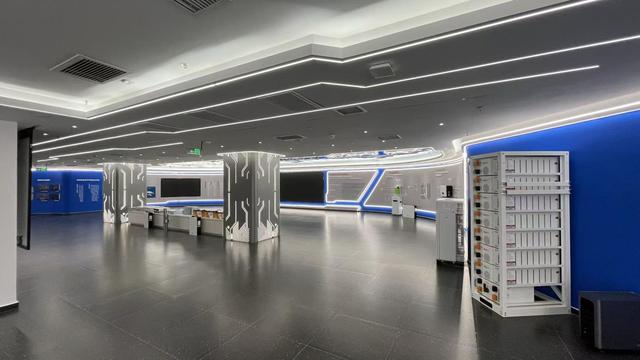
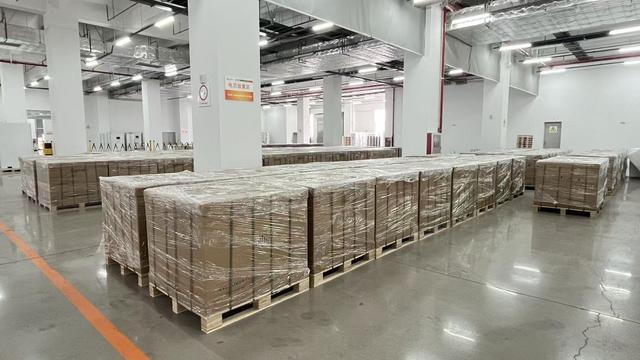
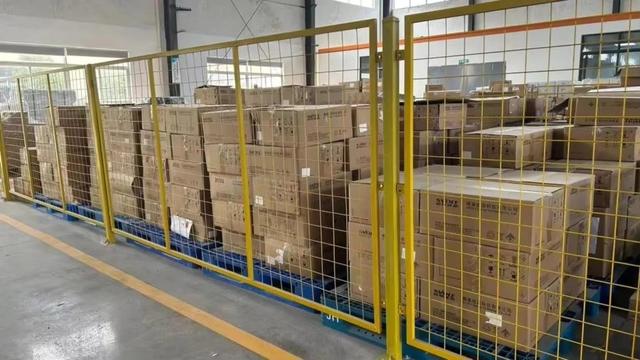
To support international buyers, Ningbo Halkirk Solar Co., Ltd. provides local warehousing solutions in Europe. By maintaining stock in key distribution hubs, such as Essen, Germany, we offer direct local delivery and customs-cleared solutions.
Having local inventory helps investors avoid standard supply chain bottlenecks, import tariff complications, and international transport delays. For smaller installations or urgent project replacements, our self-pickup options in Essen ensure access to components when they are needed.
Ningbo Halkirk Solar Co., Ltd. provides flexible OEM and ODM services to fit custom commercial profiles. We adapt solar configurations to match specific climate, load, and grid parameters.
Available in all-black, transparent bifacial, or traditional white frames to meet local architectural requirements.
Flexible voltage and current tailoring for compatibility with centralized and string inverter technologies.
Heavy-duty framing designed to withstand long ocean transits and heavy site handling.
CE certification is a mandatory conformity mark for products placed on the market in the European Economic Area (EEA). For solar investors, it certifies that our modules meet essential health, safety, and environmental protection requirements (specifically the Low Voltage Directive 2014/35/EU and EMC Directive 2014/30/EU). Without valid CE certification, solar systems cannot be connected to the grid, insurance coverage cannot be secured, and projects cannot qualify for public feed-in tariffs or bank financing.
N-type TOPCon cells use a tunnel oxide layer to passivate contacts, reducing electron recombination. This yields a higher theoretical efficiency limit (up to 28.7% compared to PERC's 24.5%). In practical applications, TOPCon offers an improved temperature coefficient (-0.30%/°C vs. PERC's -0.35%/°C), better performance under low light, and near-zero Light-Induced Degradation (LID). For project developers, this increases energy generation per square meter and reduces long-term LCOE.
Bifacial modules capture light on both the front and back surfaces. By utilizing ground albedo (reflected light from surfaces like sand, concrete, or white gravel), bifacial panels can generate up to 5% to 30% additional electricity compared to monofacial panels. When combined with solar tracking systems, bifacial modules optimize energy yield profiles, offering a reliable option for utility-scale solar installations.
Micro-cracks can cause hot spots and cell failure over time. Halkirk Solar implements an automated quality control process that includes double Electroluminescence (EL) testing: first after cell stringing, and second after final lamination. We use multi-busbar (MBB) layouts to shorten the current path and lower stress across the cell, minimizing the risk of micro-crack propagation during transport and installation.
We provide customized options for system developers and regional distributors. This includes adjustments to physical size, power ratings (from 100W up to 700W+), frame colors (anodized black or silver), backsheet options (transparent, white, black), cable lengths, MC4 connector types, and custom branding on labels and packaging.
By stocking modules locally in Essen, Germany, we allow European buyers to bypass container logistics delays and customs clearance processes. This setup is useful for completing project phases, replacing damaged inventory, or fulfilling smaller commercial orders quickly. Buyers can arrange self-pickup or use local road freight, which reduces overall transport costs and transit times.
 Halkirk Solar