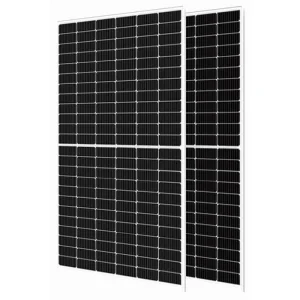
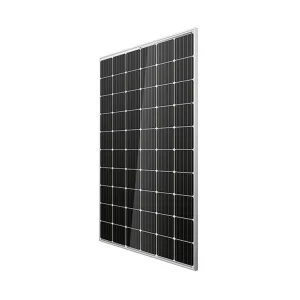
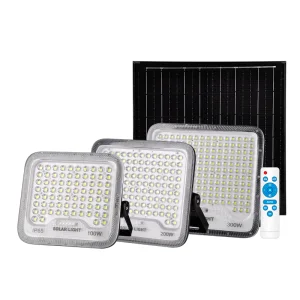
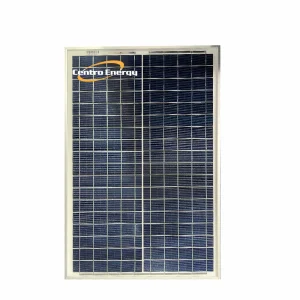
Explore our premium range of industrial, commercial, and flexible solar panels engineered for maximum yield.
An in-depth evaluation of technological shifts, supply chain mechanics, and industrial-scale photovoltaic deployments.
The global energy landscape is undergoing a critical transition, marked by a decisive shift towards renewable resources to combat climate change and secure energy independence. Solar Photovoltaic (PV) technology stands at the forefront of this transition, acting as the primary engine for utility, commercial, industrial (C&I), and residential energy generation. According to latest research, global cumulative solar installations have crossed terawatt thresholds, driven by dramatic reductions in the Levelized Cost of Electricity (LCOE) and substantial advancements in cell architectures.
Within the realm of solar energy research, the race to maximize quantum efficiency while maintaining long-term reliability has shifted the standard from traditional P-type PERC (Passivated Emitter and Rear Cell) structures to next-generation N-type configurations. Chief among these are Tunnel Oxide Passivated Contact (TOPCon) and Heterojunction (HJT) technologies. These advanced N-type systems exhibit significantly lower degradation rates (LID/LETID), superior temperature coefficients, and high bifaciality factors, making them highly favorable for large-scale utility projects and harsh operating environments.
The operational limits of P-type solar cells have practically capped at approximately 24.5% efficiency. In response, modern R&D efforts led by Ningbo Halkirk Solar Co., Ltd. and other research leaders focus on N-type silicon substrates, which do not suffer from boron-oxygen defects. This completely mitigates Light-Induced Degradation (LID). TOPCon technology integrates an ultra-thin silicon oxide tunnel layer followed by highly doped polycrystalline silicon, providing outstanding passivation properties. Concurrently, HJT combines crystalline silicon with thin amorphous silicon films to minimize recombination losses, achieving open-circuit voltages (Voc) exceeding 750mV.
China has established an unrivaled, fully integrated PV supply chain ecosystem that spans polysilicon refining, ingot growing, wafer slicing, cell fabrication, and module assembly. This comprehensive vertical integration ensures that raw material supply shocks are minimized, and technological innovations are rapidly scaled up. In Ningbo, a major industrial and logistics hub in China, manufacturing benefits from optimized industrial clusters. The close proximity to key suppliers of solar glass, EVA/POE encapsulants, aluminum frames, and junction boxes reduces logistics costs and carbon footprints.
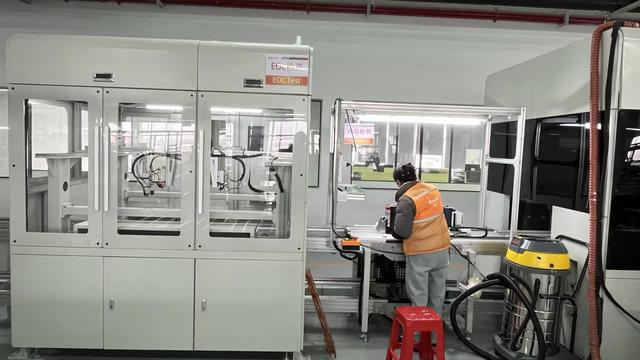
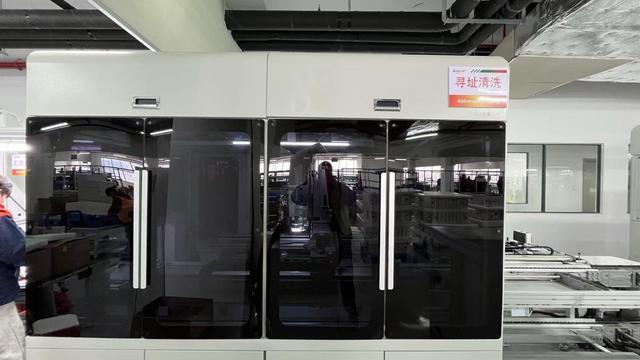
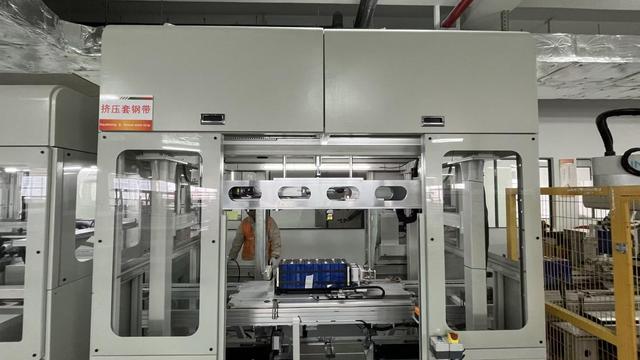
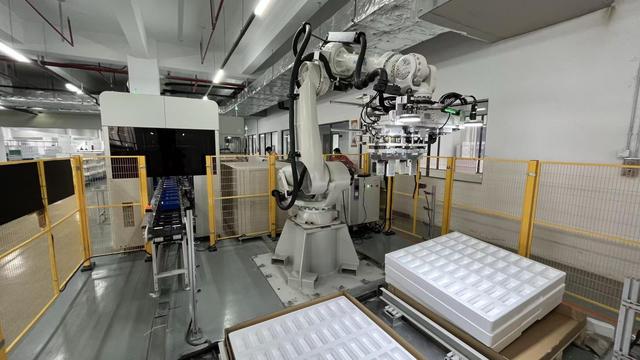
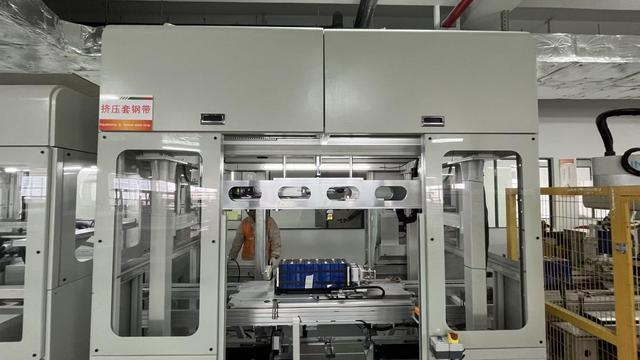
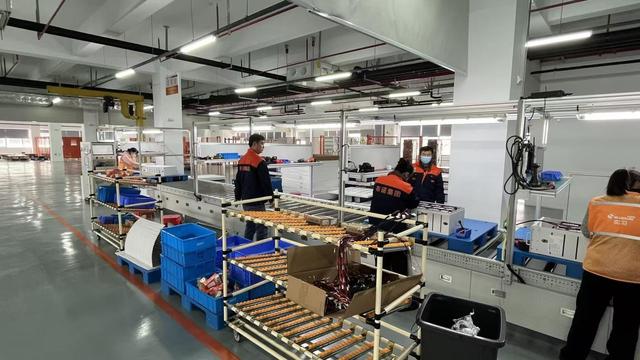
Furthermore, Ningbo Halkirk Solar Co., Ltd. utilizes automated smart manufacturing processes (Industry 4.0). Robotic stringers, automated optical inspection (AOI), and artificial intelligence-driven Electroluminescence (EL) defect detection ensure that micro-cracks, black spots, and alignment issues are identified and resolved before lamination. This level of automated precision translates into lower labor costs, higher throughput, and highly consistent product quality that meets rigorous international certification standards (TUV, CE, IEC, UL).
Professional China solar panel manufacturer and monocrystalline & bifacial solar module supplier.
Ningbo Halkirk Solar Co., Ltd. is dedicated to delivering high-efficiency renewable energy solutions to customers worldwide. Located in Ningbo, China, our company integrates research and development, manufacturing, quality control, and global sales to provide reliable solar products for residential, commercial, industrial, and utility-scale applications.
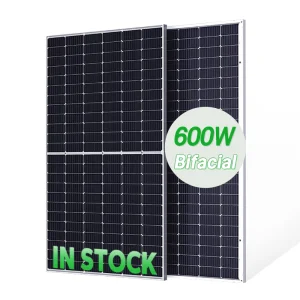
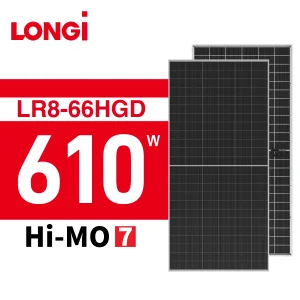
Halkirk Solar specializes in the production of monocrystalline solar panels, bifacial solar modules, TOPCon solar panels, N-type solar modules, off-grid solar solutions, on-grid solar systems, and customized photovoltaic products. Leveraging advanced cell technology and intelligent manufacturing processes, our products are designed to maximize energy output, improve conversion efficiency, and ensure long-term performance in diverse environmental conditions.
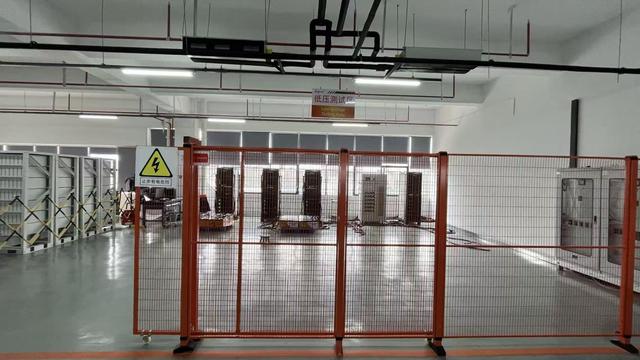
Our modern manufacturing facility is equipped with automated production lines, precision testing equipment, and strict quality management systems. Every solar module undergoes comprehensive inspections and performance testing to guarantee superior reliability, durability, and compliance with international standards. We are committed to providing products that meet the evolving demands of the global renewable energy market.
To better serve international customers, Halkirk Solar offers flexible OEM and ODM services for solar brands, distributors, EPC contractors, wholesalers, and project developers. Our experienced engineering and technical teams work closely with clients to deliver customized solar solutions tailored to specific project requirements, market demands, and branding needs.
Driven by innovation, sustainability, and customer satisfaction, Ningbo Halkirk Solar Co., Ltd. continues to expand its presence in global markets. We strive to become a trusted partner in the photovoltaic industry by providing high-quality solar modules and comprehensive clean energy solutions that contribute to a greener and more sustainable future.

Optimizing solar system outputs for distinct environmental and industrial installations globally.
A major focus of current solar energy research is identifying how specific geographical coordinates, local ambient temperatures, and architectural structures dictate the configuration of solar arrays. No single module design fits all environments. Thus, Ningbo Halkirk Solar engineers custom designs for specific localized use cases:
Essential strategies for EPC contractors, project developers, and large-scale PV distributors.
For international procurement managers, acquiring solar modules involves more than comparing pricing per watt. Factors such as Bill of Materials (BOM) transparency, financial stability (Tier 1 rating status), supply chain traceability, and bankability are essential. In addition, the procurement strategy must account for shipping costs, import duties, and anti-dumping regulations (such as anti-dumping/countervailing duties in certain jurisdictions).
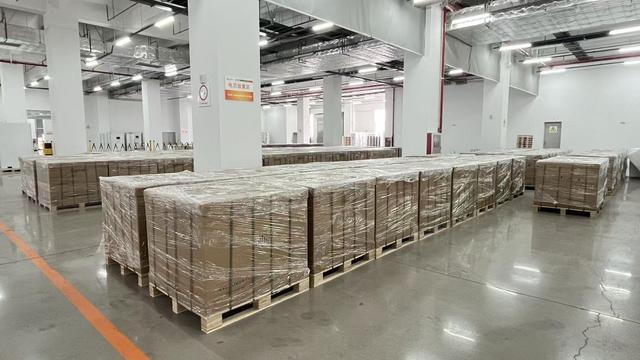
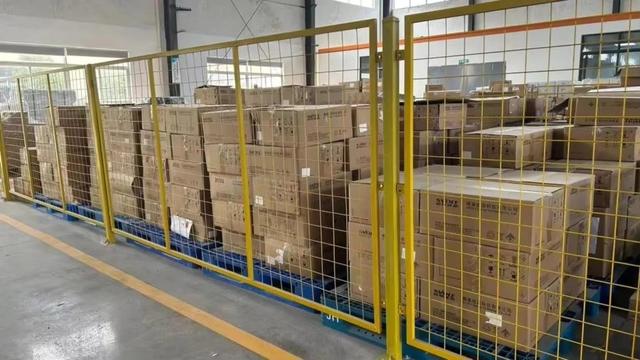
Ningbo Halkirk Solar Co., Ltd. addresses these challenges by offering flexible OEM/ODM agreements that utilize verified, high-quality bills of materials (including certified silicon wafers, specialized junction boxes, and premium glass). Furthermore, by shipping directly from Ningbo’s deep-water port, we ensure rapid, cost-effective transit routes, reducing storage fees and transit risks. All modules are backed by a comprehensive linear performance warranty, ensuring less than 0.4% to 0.5% annual degradation over a 25-to-30-year lifecycle.
Crucial industry questions answered by leading R&D engineers.
Discover specialized solar panels designed for custom projects, extreme utilities, marine environments, and outdoor applications.
 Halkirk Solar