High-efficiency monocrystalline solar panels, dynamic flexible modules, and integrated power bank solutions designed to maximize output across off-grid, on-grid, and smart hybrid infrastructures.
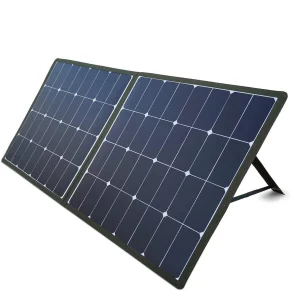
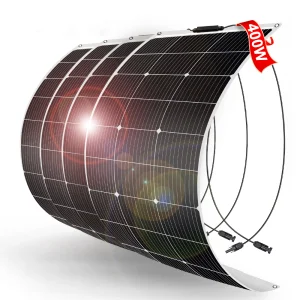
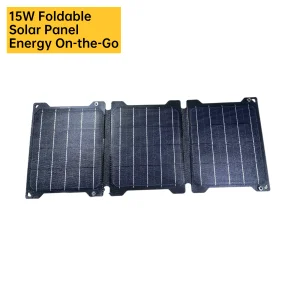
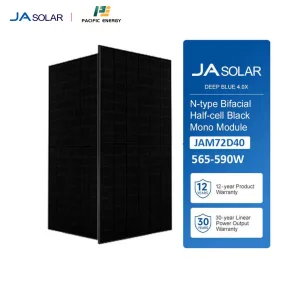

Ningbo Halkirk Solar Co., Ltd. stands at the forefront of the global photovoltaic manufacturing industry as a premier China solar panel manufacturer and monocrystalline & bifacial solar module supplier. Strategically based in the deep-water port city of Ningbo, China, we integrate rigorous academic and engineering research with state-of-the-art manufacturing, automated quality control, and streamlined global logistics. We deliver highly reliable solar grid integration solutions designed to withstand challenging climatic conditions while optimizing Levelized Cost of Energy (LCOE).
Halkirk Solar specializes in high-efficiency technologies including N-Type TOPCon modules, dual-glass bifacial panels, and smart off-grid & on-grid solar systems. Our core focus centers on the intersection of solar generation and intelligent power grid interfaces, ensuring seamless grid harmonization, active power control, and dynamic grid support capabilities.
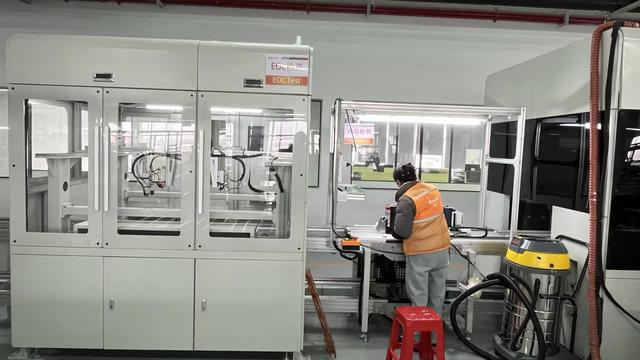
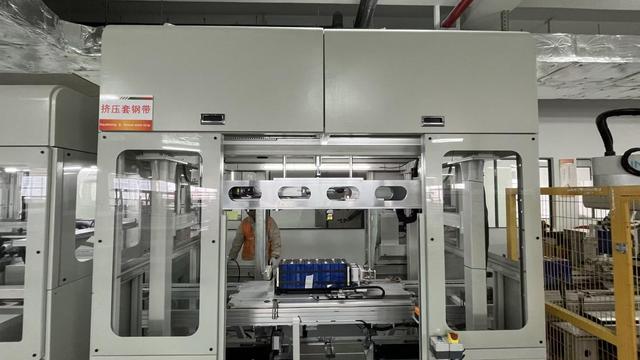
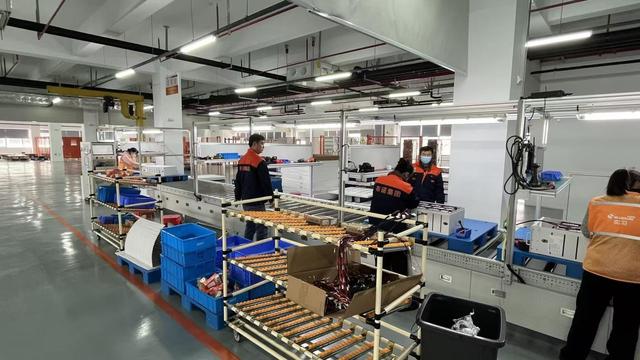
Our integrated facility handles the entire value chain from initial PV material testing through automated layout and lamination to post-production electrical characterization.
Collaborative innovation in cell passivated contact technologies and PV system stability.
100% automated production lines with triple EL testing and AI cell sorting.
Proximity to Ningbo Port ensures short-transit export, reducing transport-induced micro-fractures.
Grid congestion and power quality requirements demand specialized engineering approaches. Our turnkey PV solutions accommodate modern macro-grid demands.
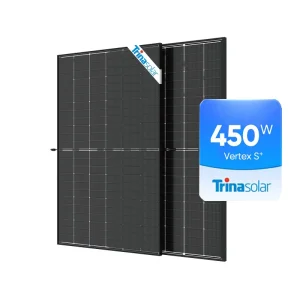
High-density bifacial N-type layouts designed for extreme environmental durability. Integrates seamlessly with centralized multi-megawatt inverters and substation interfaces, supporting high-voltage grid requirements with negligible power loss.
Commercial and Industrial microgrid systems utilizing smart energy management modules. Supports zero-export limitations, peak shaving functions, and local grid ancillary services, ensuring manufacturing facilities remain resilient to voltage fluctuations.
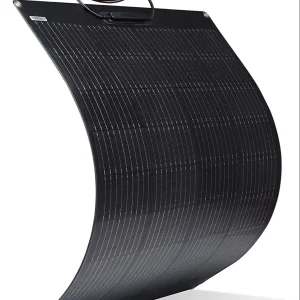
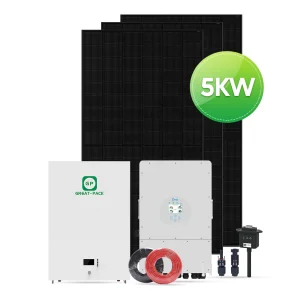
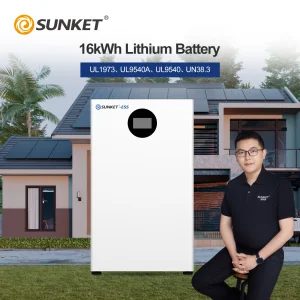
Balcony storage kits, off-grid flexible array configurations, and modular battery systems. Programmed for standard single-phase residential grids, adhering to localized plug-and-play standards and safety disconnect regulations.
At Ningbo Halkirk Solar Co., Ltd., we have configured our production floors to address the supply chain bottlenecks common in the renewable energy sector. Our smart factory relies on integrated Manufacturing Execution Systems (MES) that trace every raw material lot—from silicon ingot sourcing and wafer thickness verification to busbar soldering and EVA lamination.
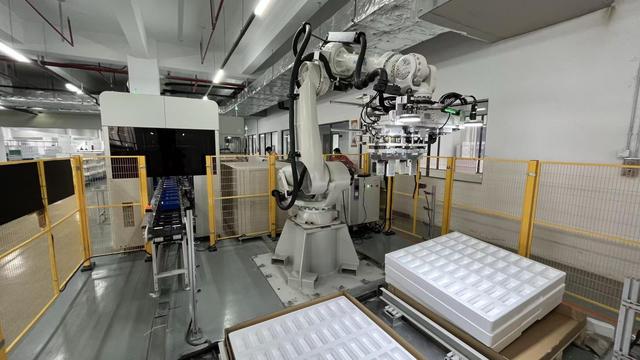
Our automation limits manual handling of PV cells, reducing mechanical stress and preventing microscopic cracks that compromise module lifespans. Automated optical inspections (AOI) combined with dual-stage electro-luminescence (EL) imaging ensure that every cell and connection meets Tier 1 industry metrics prior to packaging.
Operating out of Ningbo gives our clients an unmatched logistic advantage. Fast connectivity to the Ningbo-Zhoushan Port—one of the largest deep-water ports in the world—enables seamless maritime distribution, reducing loading delays and minimizing container transport shaking, protecting fragile glass-glass panels from micro-fractures.
Rigorous inspection of silicon purity, ribbon tensile strength, and backsheet UV stability.
Non-destructive infrared welding of multi-busbar ribbons prevents micro-cracks.
Simulated solar flash tests verify electrical power output and compliance within a ±3% tolerance.
Grid integration requires modules and electrical component arrays to play an active role in grid health. We design systems that meet rigorous parameters.
Low-Voltage and High-Voltage Ride-Through parameters ensure our integrated arrays do not immediately disconnect during brief voltage drops or surges, preventing cascade failures in regional grids.
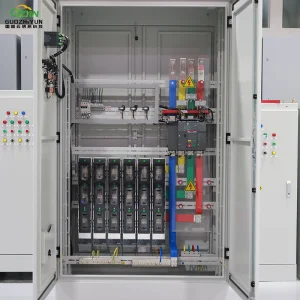
Supporting grid power quality via dynamic reactive power control. Our high-voltage distribution panels and combiner systems manage voltage phases, mitigating issues caused by local capacitance anomalies.
Sophisticated disconnection relays sense localized load loss, isolating decentralized generation loops to prevent hazard scenarios for utility maintenance workers.
Navigating global grid integration demands compliance with strict regional regulations. Ningbo Halkirk Solar Co., Ltd. ensures all materials are validated by third-party certification bodies.
For installations throughout Europe, our components align with the latest EN 50549-1 / 2 standards, addressing low and medium voltage network requirements. In Germany, our hybrid systems and micro-inverter storage models are registered and optimized for VDE-AR-N 4105 regulations, assuring residential balcony systems and commercial microgrids can feed back to the grid safely. For the United Kingdom, our distribution arrays correspond with G99 engineering recommendations for generation equipment.
To enter the US and Canadian commercial solar grids, systems must implement rigid smart inverter functions. Halkirk's product setups are tested to satisfy UL 1741 SB and IEEE 1547-2018 standards. These specifications dictate active power frequency response, voltage ride-through operations, and high-frequency communications protocols (such as SunSpec Modbus over TCP/IP) required by public utilities commissions.
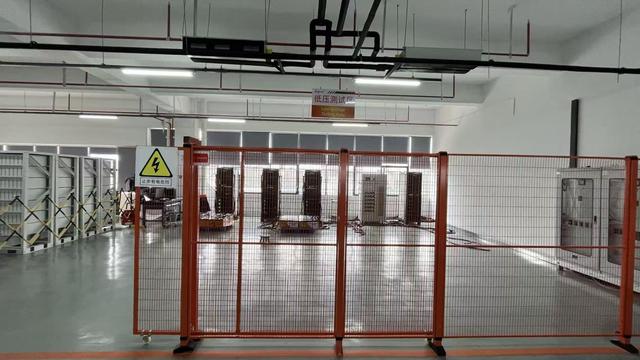
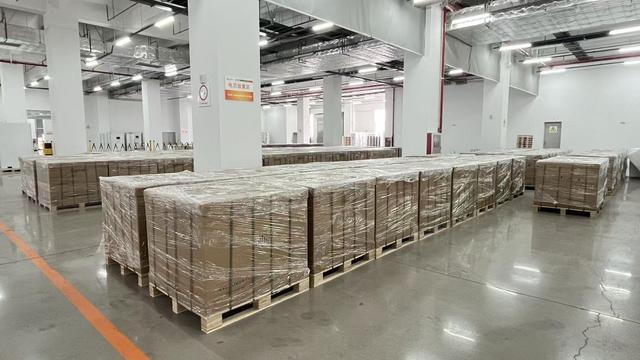
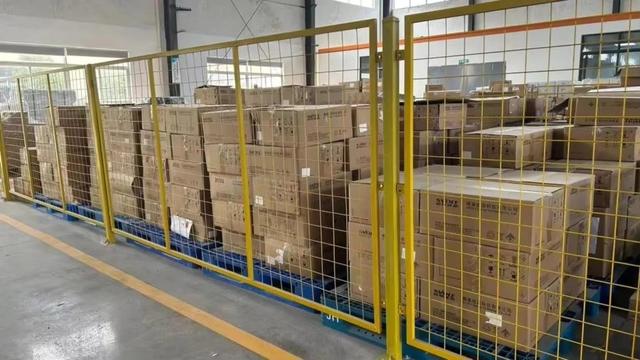
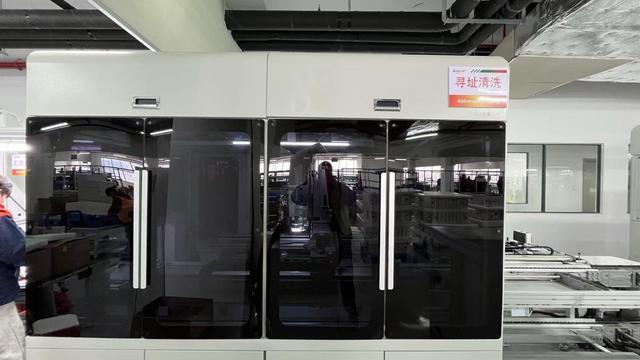
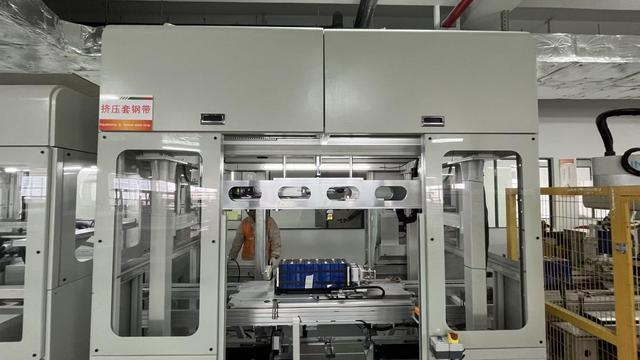
A pictorial walkthrough of our automated production floors, EL detection stations, laminating processes, and quality verification zones in Ningbo, China.

Clear, direct technical answers regarding grid interconnection codes, factory capacities, custom OEM services, and hardware design considerations.
Solar grid integration refers to the structural compatibility and electronic coordination between decentralized photovoltaic panels, solar inverters, and the public electrical grid. This involves parameters like active/reactive power frequency control, phase harmonization, voltage regulation, and automated safety shutdowns (such as anti-islanding) to maintain transmission line balance and prevent local system degradation.
We leverage automated Factory 4.0 equipment, high-purity raw materials, and certified testing standards (TUV, IEC, UL) to maintain performance transparency. Every solar panel is delivered with complete trace reports, flash test metrics, and double EL check validations to support project developers during financial underwriting processes.
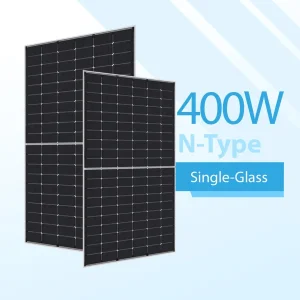
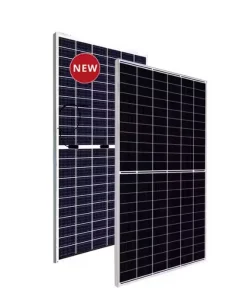
N-type Tunnel Oxide Passivated Contact (TOPCon) cells reduce recombination losses and maximize power density, boosting module efficiency over 22.5%. The bifacial design captures reflected ambient light on the backside, generating up to 25% additional power depending on albedo conditions (such as sand, snow, or concrete surfaces).
Yes, our engineering team works directly with global EPC contractors, project developers, and distributors. We modify junction box configurations, frame dimensions, glass thickness, and cable lengths, and integrate customized power components (like specific combiners and protection relays) tailored for diverse grid interconnection designs.
Complete grid-connected packages, high-capacity combiner boxes, and durable N-type modules engineered for utility-grade projects and robust residential grids.

 Halkirk Solar