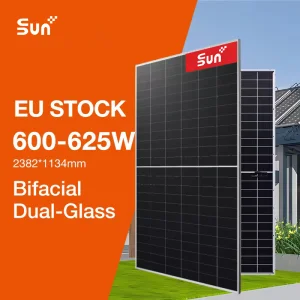
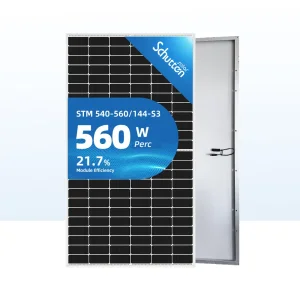
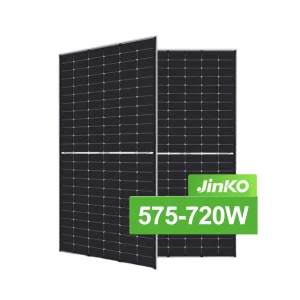
Ningbo Halkirk Solar Co., Ltd. is a professional China solar panel manufacturer and monocrystalline & bifacial solar module supplier, dedicated to delivering high-efficiency renewable energy solutions to customers worldwide. Located in Ningbo, China, the company integrates research and development, manufacturing, quality control, and global sales to provide reliable solar products for residential, commercial, industrial, and utility-scale applications.
Halkirk Solar specializes in the production of monocrystalline solar panels, bifacial solar modules, TOPCon solar panels, N-type solar modules, off-grid solar solutions, on-grid solar systems, and customized photovoltaic products. Leveraging advanced cell technology and intelligent manufacturing processes, our products are designed to maximize energy output, improve conversion efficiency, and ensure long-term performance in diverse environmental conditions.
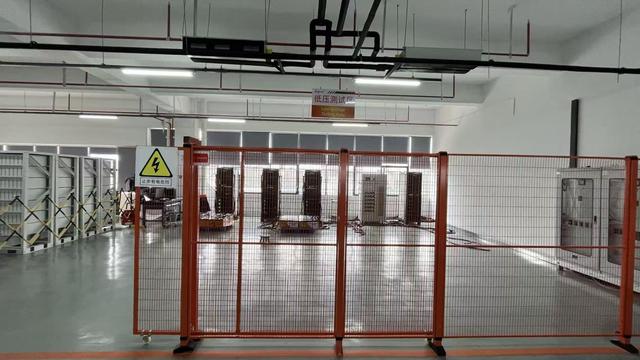
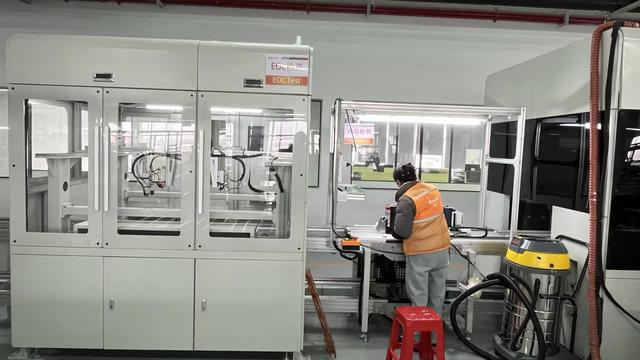
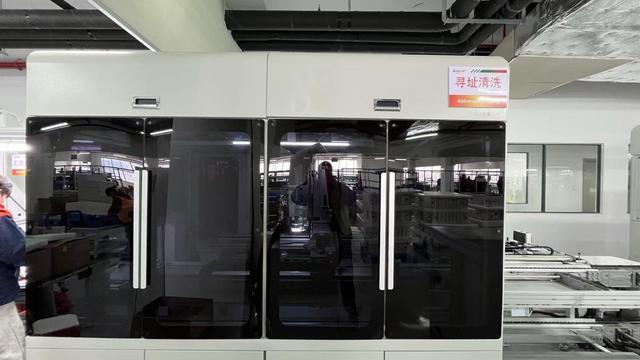
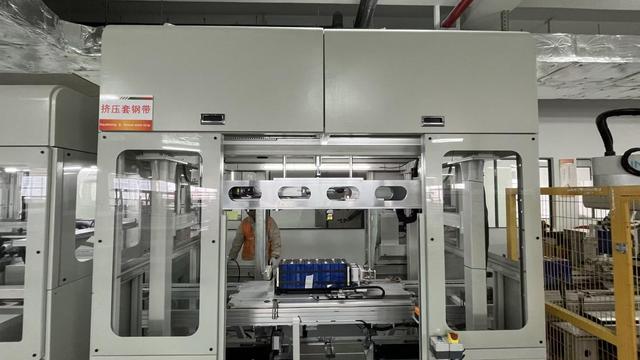
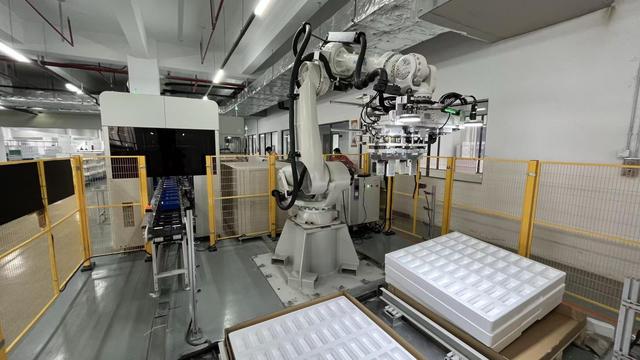
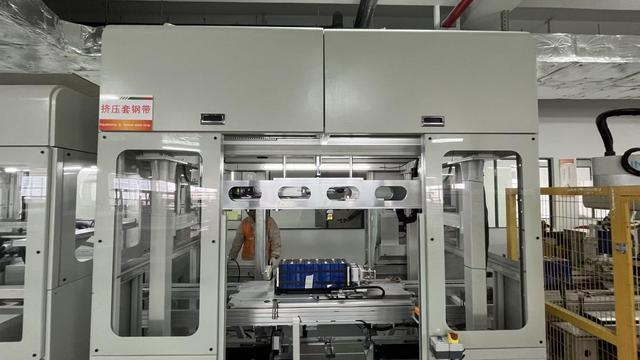
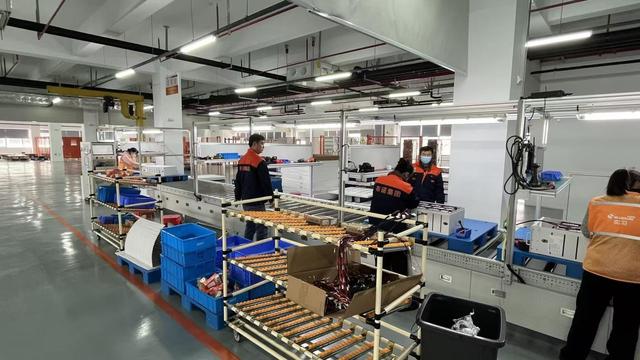
Our modern manufacturing facility is equipped with automated production lines, precision testing equipment, and strict quality management systems. Every solar module undergoes comprehensive inspections and performance testing to guarantee superior reliability, durability, and compliance with international standards. We are committed to providing products that meet the evolving demands of the global renewable energy market.
To better serve international customers, Halkirk Solar offers flexible OEM and ODM services for solar brands, distributors, EPC contractors, wholesalers, and project developers. Our experienced engineering and technical teams work closely with clients to deliver customized solar solutions tailored to specific project requirements, market demands, and branding needs.
In modern energy deployment, the paradigm of choosing between solar photovoltaic (PV) modules and solar thermal collectors is shifting. While traditional photovoltaic systems convert solar radiation directly into electricity, their efficiency drops by roughly 0.4% for every degree Celsius rise above 25°C. Solar thermal collectors, on the other hand, are highly efficient at capturing heat but produce no electrical power.
Ningbo Halkirk Solar Co., Ltd. stands at the forefront of this industrial transformation. By leveraging advanced thermal transfer science, our core monocrystalline and bifacial technologies lay the foundation for state-of-the-art Photovoltaic-Thermal (PVT) hybrid collectors. These integrated systems circulate thermal fluid (glycol-water mixture) behind high-efficiency TOPCon or HJT cells. The fluid cools the silicon cells to maintain optimum electrical output while harvesting thermal energy for space heating, domestic hot water, and industrial processes.
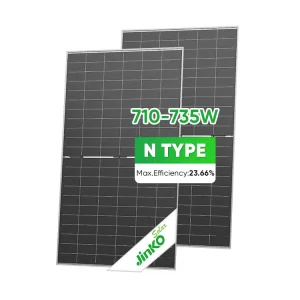
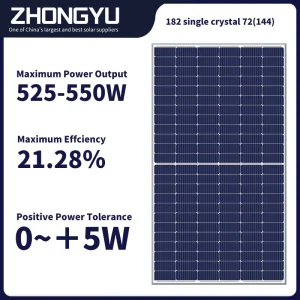
Utilizes tunnel oxide passivated contacts to achieve up to 23.0% cell efficiency. Features ultra-low degradation and improved temperature coefficients, ideal for thermal co-generation setups.
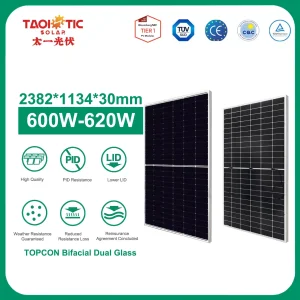
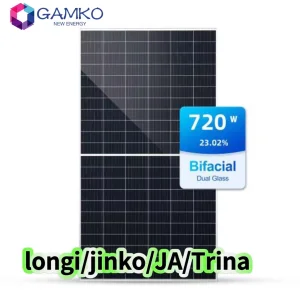
Captures reflected light from the rear side, boosting total energy yield by up to 25%. Enhanced structural rigidity ensures resistance against extreme environmental stresses.
Combines crystalline silicon with amorphous silicon thin films. Exceptionally low temperature coefficient (-0.26%/°C) minimizes performance loss in high-temperature climates.
Decarbonization mandates across the European Union (RePowerEU), North America (Inflation Reduction Act), and Asia-Pacific have accelerated the deployment of high-density solar infrastructure. In the commercial and industrial sectors, roof space is a premium resource. Maximizing energy yield per square meter is no longer just an environmental goal; it is a strict financial metric (Levelized Cost of Energy - LCOE).
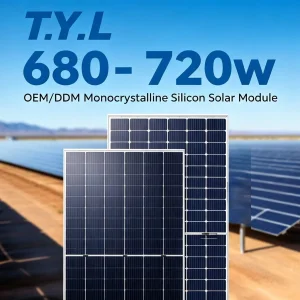
In regions with high thermal demands—such as agricultural processing plants, breweries, chemical manufacturing, and district heating grids—installing separate solar PV and thermal collectors is often space-prohibitive. Ningbo Halkirk Solar addresses this by exporting high-power density modules. The integration of 700W+ HJT and TOPCon panels into hybrid PVT solar thermal collector arrays allows industrial users to reclaim up to 60% more solar energy from their rooftops compared to standard PV arrays alone.
At Ningbo Halkirk Solar Co., Ltd., quality is governed by strict thermodynamic and material standards. Our manufacturing roadmap integrates:
Driven by innovation, sustainability, and customer satisfaction, Ningbo Halkirk Solar Co., Ltd. continues to expand its presence in global markets. We strive to become a trusted partner in the photovoltaic industry by providing high-quality solar modules and comprehensive clean energy solutions that contribute to a greener and more sustainable future.
Environmental stress changes depending on geography. Ningbo Halkirk Solar's engineering team adapts product architectures to distinct macro-environments:
High ambient temperatures dramatically lower PV power output. By combining bifacial N-type TOPCon double-glass modules with albedo-enhancing grounds, we enable maximum energy capture. The dual-pane structure resists sandstorm abrasion, while the high PID resistance preserves cells under sustained high voltage.
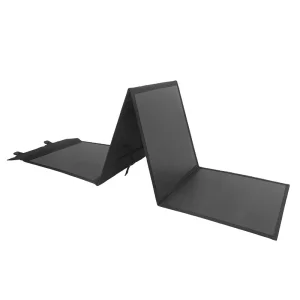
In these zones, space heating and grid power are equally expensive. Integrating our portable, residential, or commercial modules within hybrid PVT collector configurations allows users to exploit the low temperatures of the thermal loop. Cold heat-transfer fluid keeps PV cells working at peak efficiency, while the recovered heat supports heat-pump systems.
Salt mist corrosion, high humidity, and ammonia present major risks to solar components. Our modules undergo rigorous testing to ensure IP68 junction box security, high-grade anti-corrosive aluminum framing, and complete isolation of active silicon cells from corrosive moisture.

Q1: How does a Hybrid PVT system compare to separate PV panels and solar thermal collectors?
A PVT (Photovoltaic-Thermal) system combines both functions into a single footprint. By using liquid cooling loops behind the monocrystalline cell layer, PVT collectors recover waste heat to generate warm water while cooling the photovoltaic cells to increase their electrical generation efficiency. This results in up to 15-20% higher electrical output compared to hot, uncooled PV modules on a hot summer day, and uses half the roof area.
Q2: Why are N-type TOPCon and HJT cells superior for integration into thermal-hybrid environments?
N-type architectures have an inherently lower temperature coefficient (typically -0.30%/°C to -0.26%/°C) compared to older P-type PERC cells. This means that even if the liquid cooling loop operates at elevated temperatures to harvest usable thermal energy (e.g. 40°C to 50°C), the N-type silicon maintains a higher electrical output efficiency without severe thermal degradation.
Q3: How does Ningbo Halkirk Solar ensure the durability of modules in high-humidity or coastal zones?
We use double-glass structure designs, premium POE encapsulation film instead of standard EVA (which has higher water vapor transmission rates), and corrosion-resistant anodized aluminum frames. Our modules undergo rigorous testing for salt mist, ammonia, and PID (Potential Induced Degradation) to guarantee 30-year operational lifetimes in harsh marine environments.
Q4: Can these solar panels be integrated into off-grid systems with energy storage?
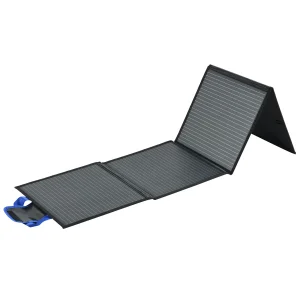
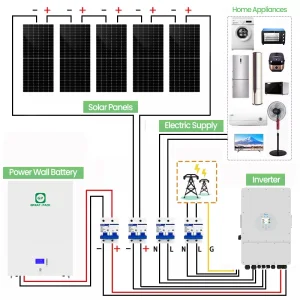
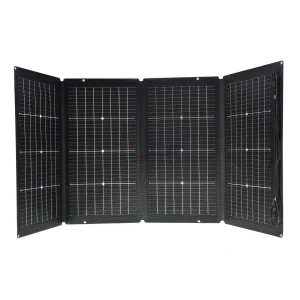
Yes. We supply comprehensive solutions including 10kW Hybrid systems, portable folding systems, and high-power industrial bifacial panels that connect directly to advanced MPPT charge controllers and Lithium-iron phosphate (LiFePO4) battery systems for reliable off-grid and microgrid applications.
 Halkirk Solar