Halkirk Solar
1 / 5
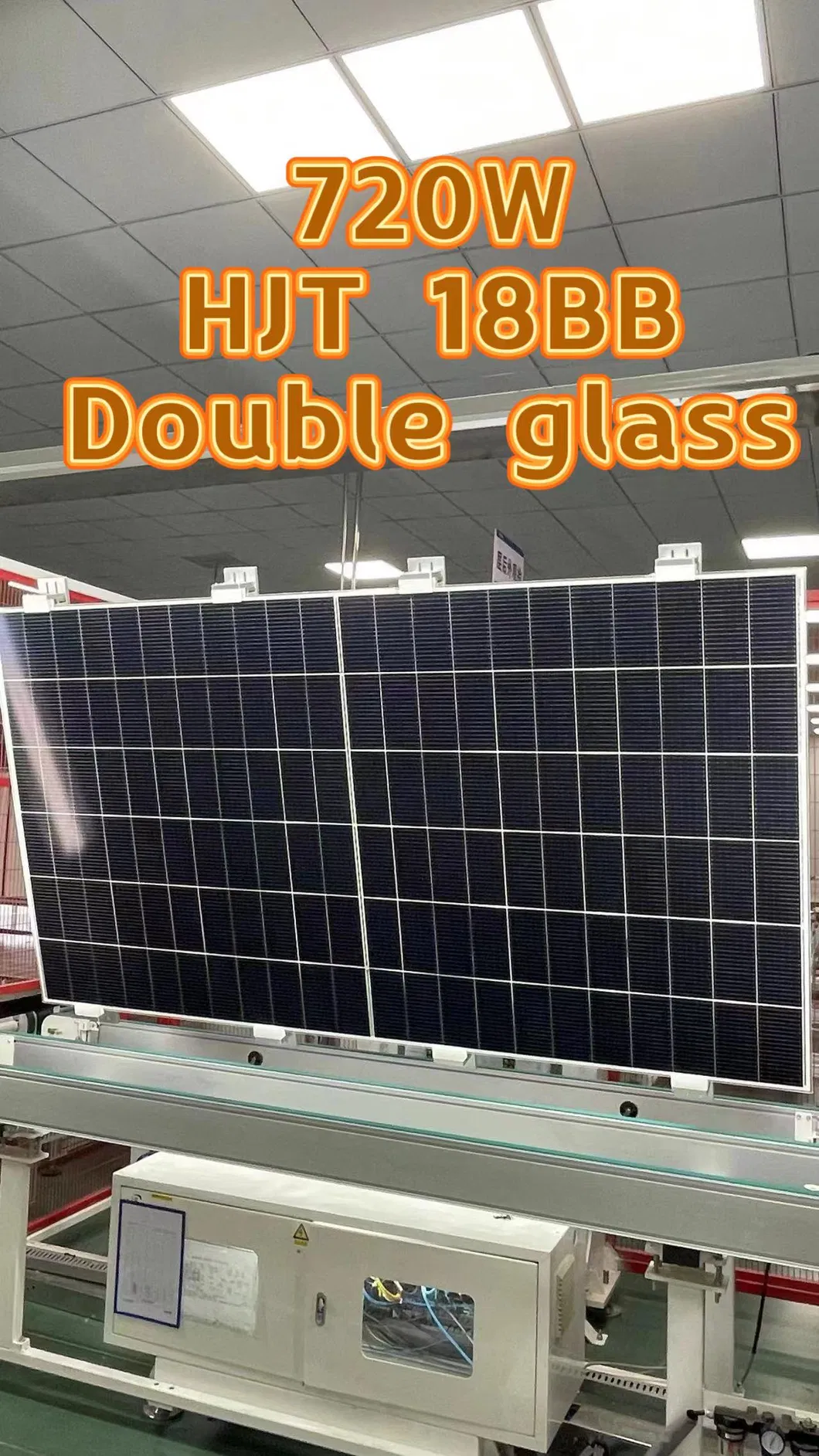
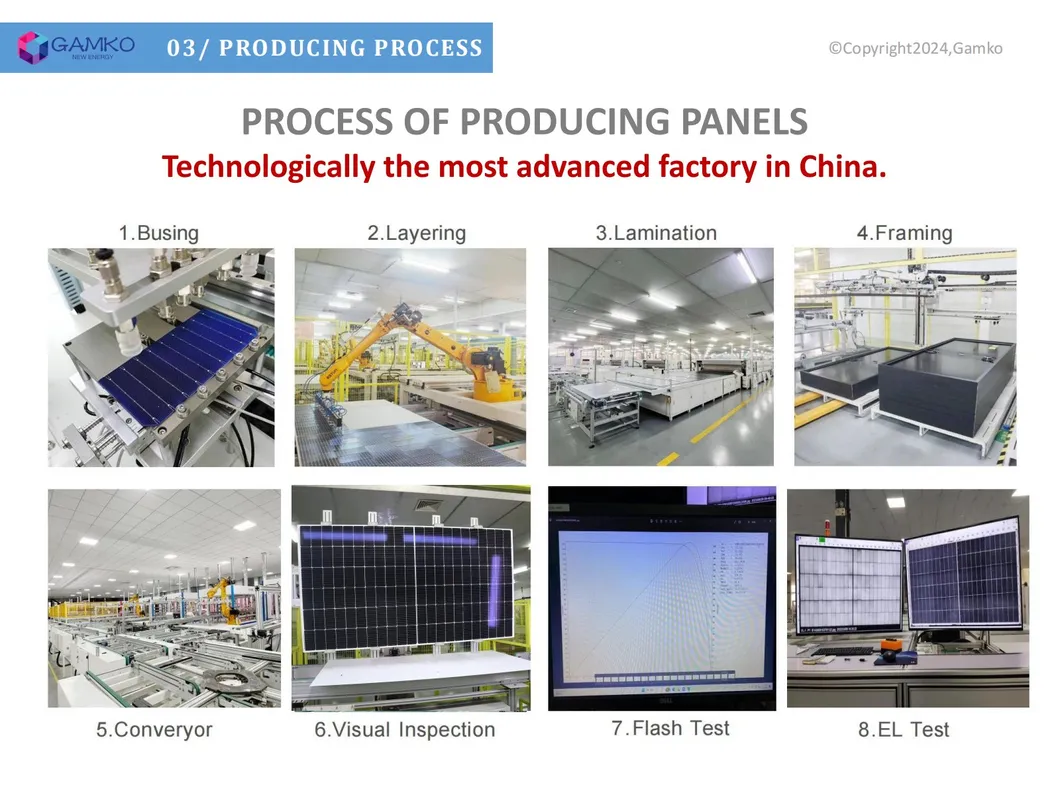
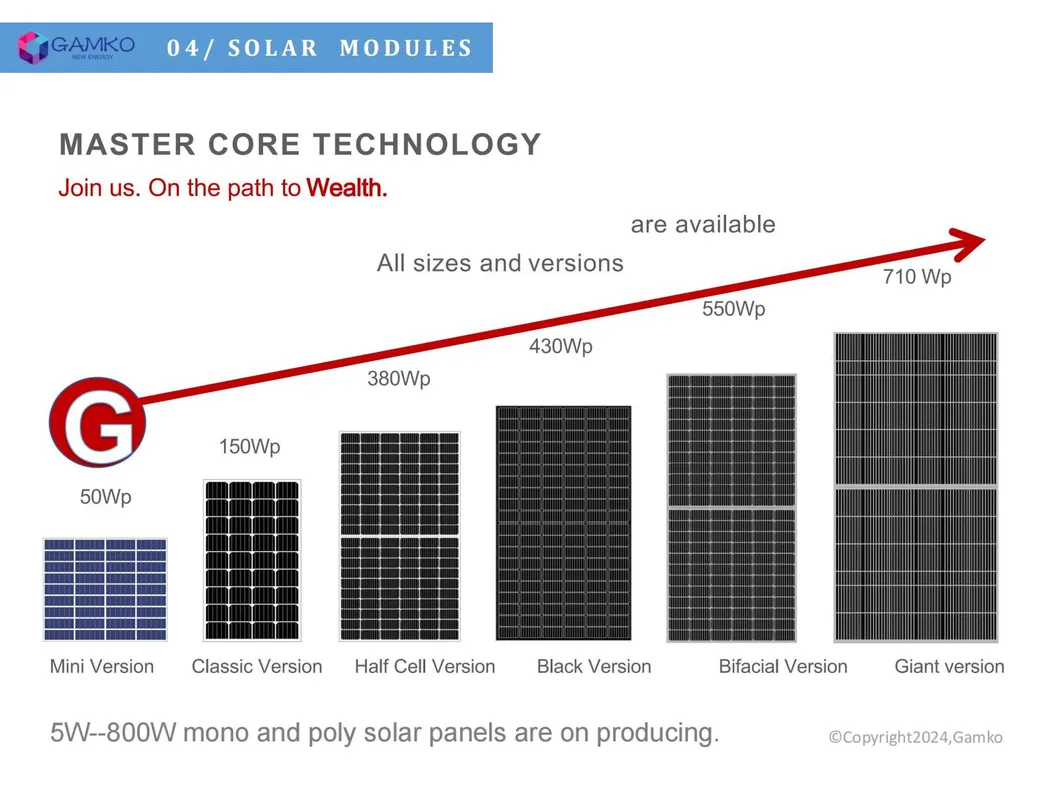
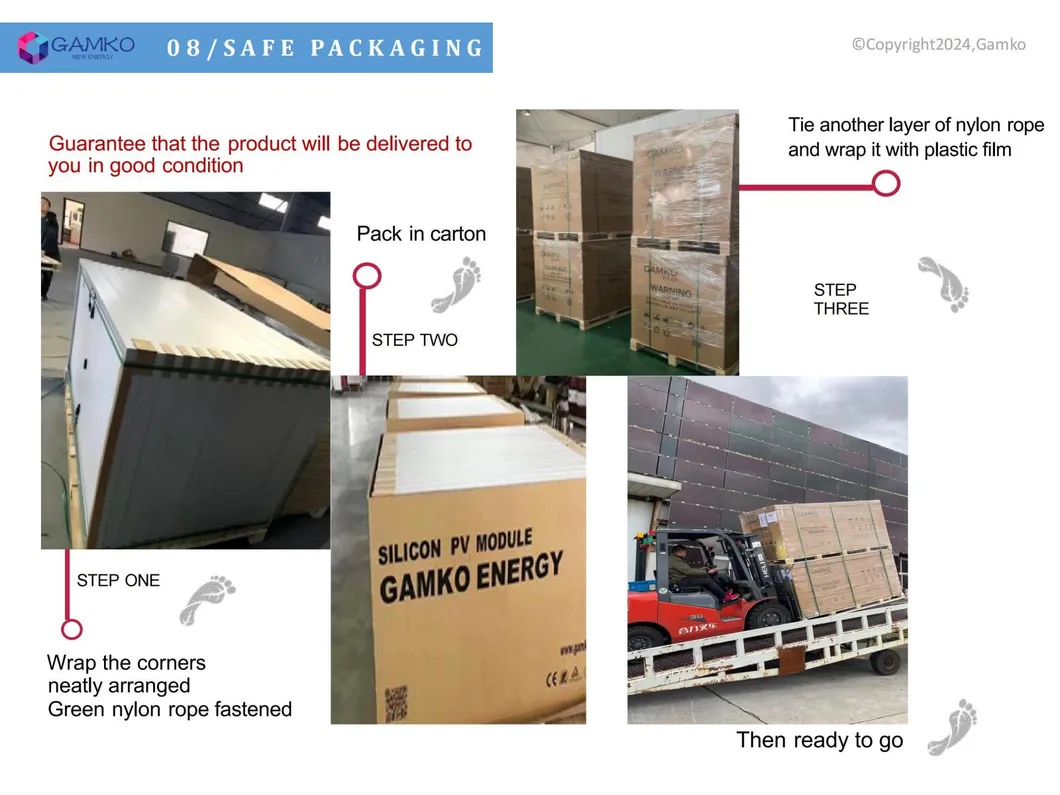
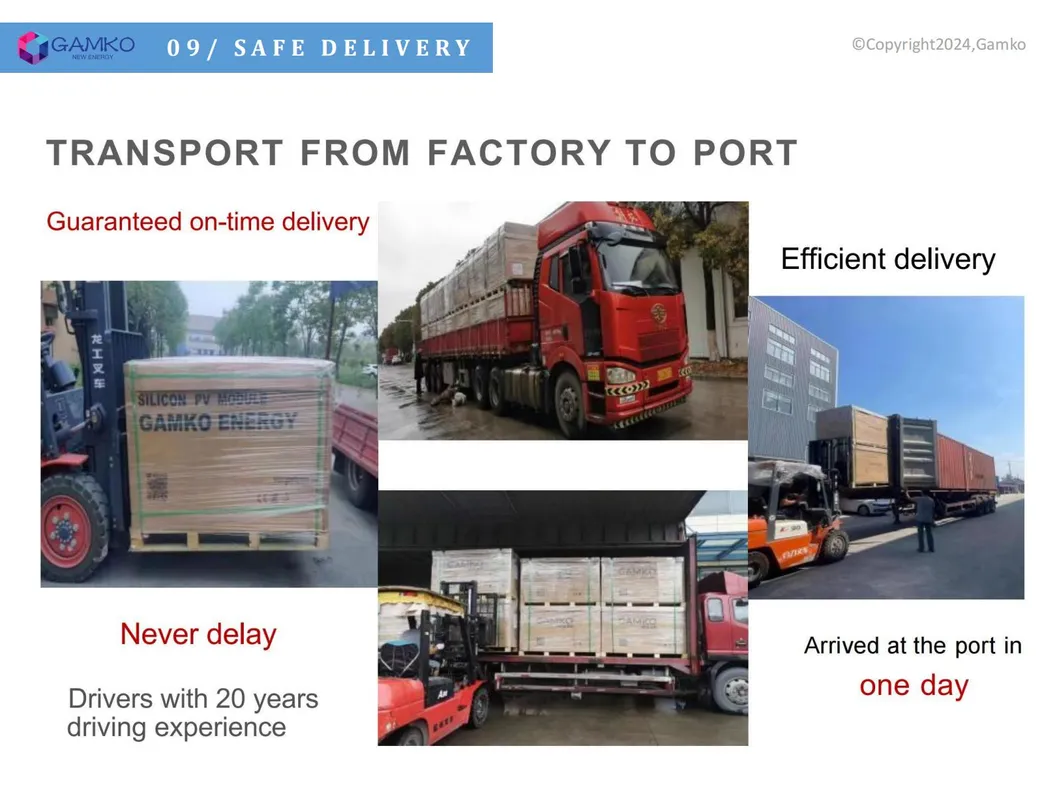
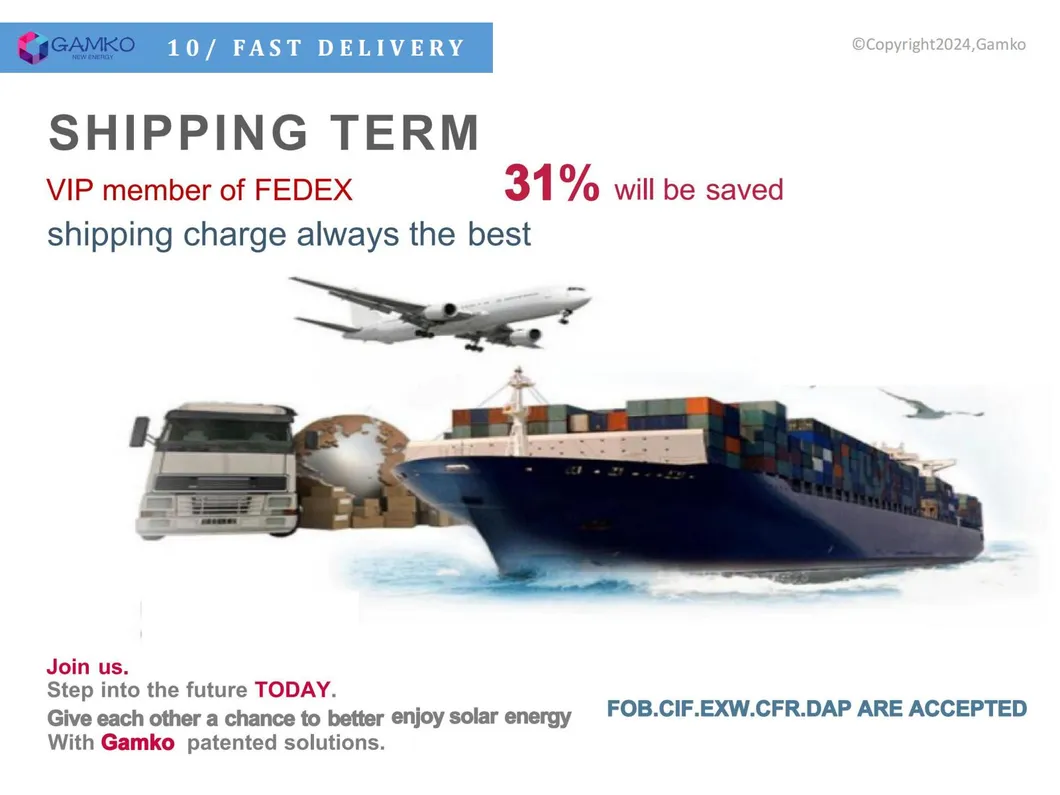
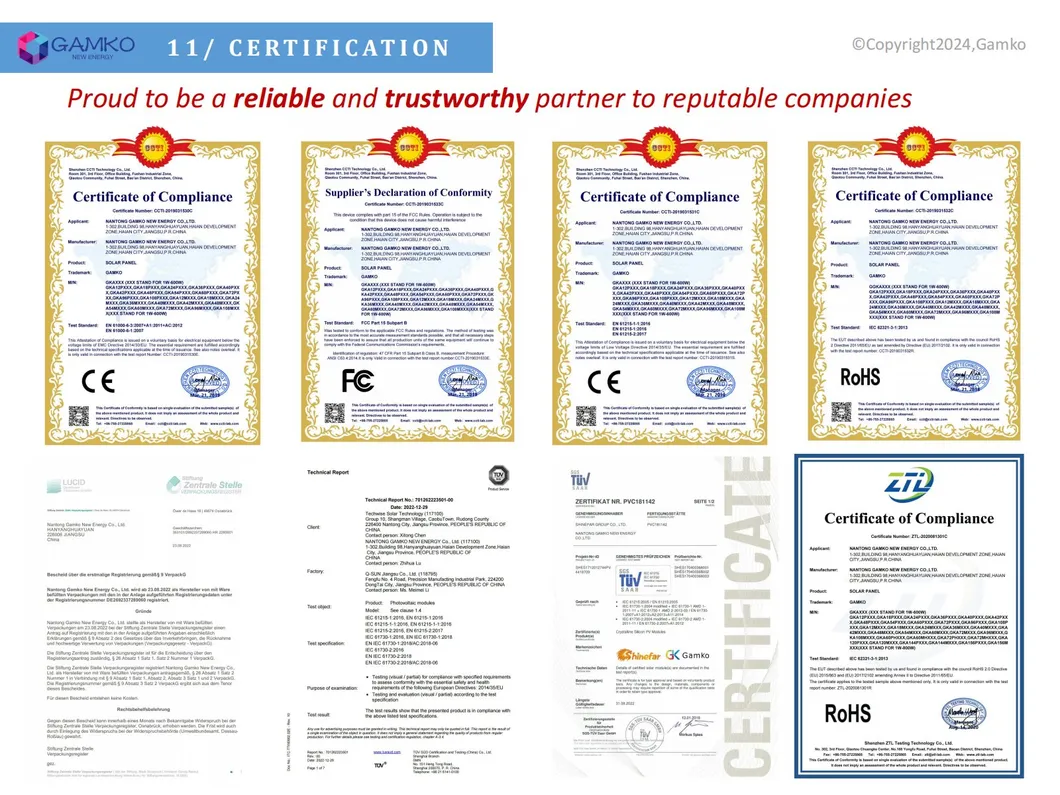
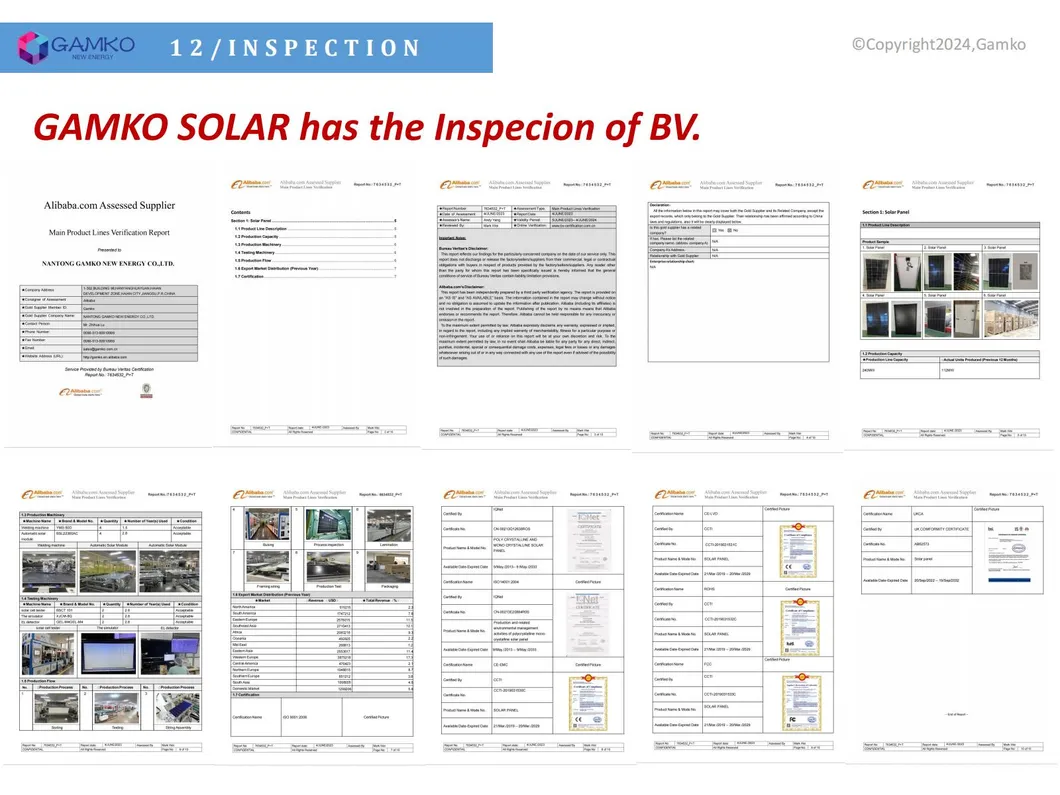
As a matter of fact, the factories in some areas of China are indeed 10% or even more cheaper than us. However, even with such a cheap price, their profit margin is still higher than ours due to key differences in procurement and production quality:
(1) Cell Procurement Quality: They often utilize reverse current and low-efficiency solar cells, completely skipping Flash and EL testing. While the visual appearance post-production is identical to A-grade solar panels, issues like cell cracks and mixed cell grades are highly prevalent. This is the main cause of the hot spot effect, which can lead to system fires.
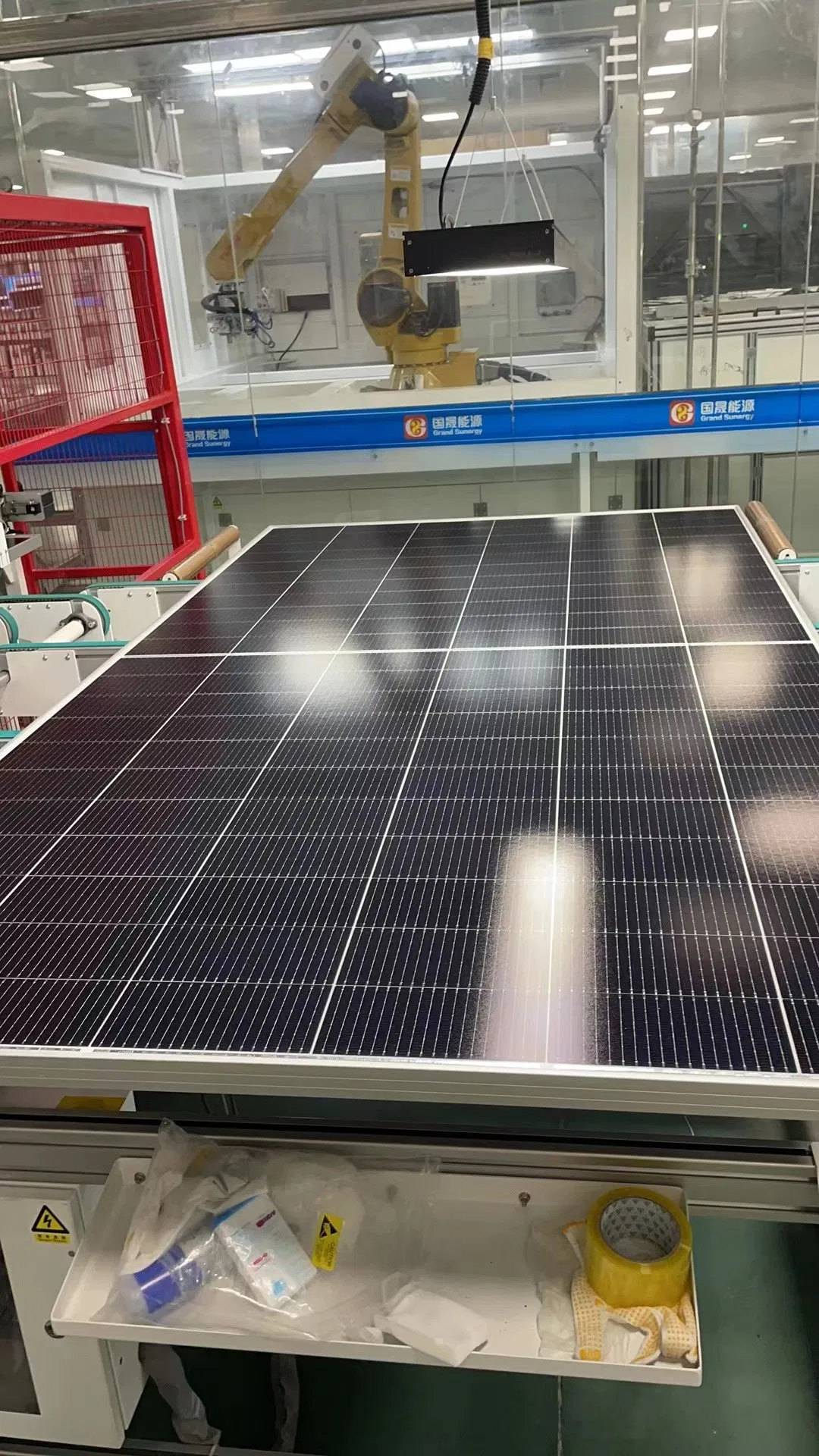
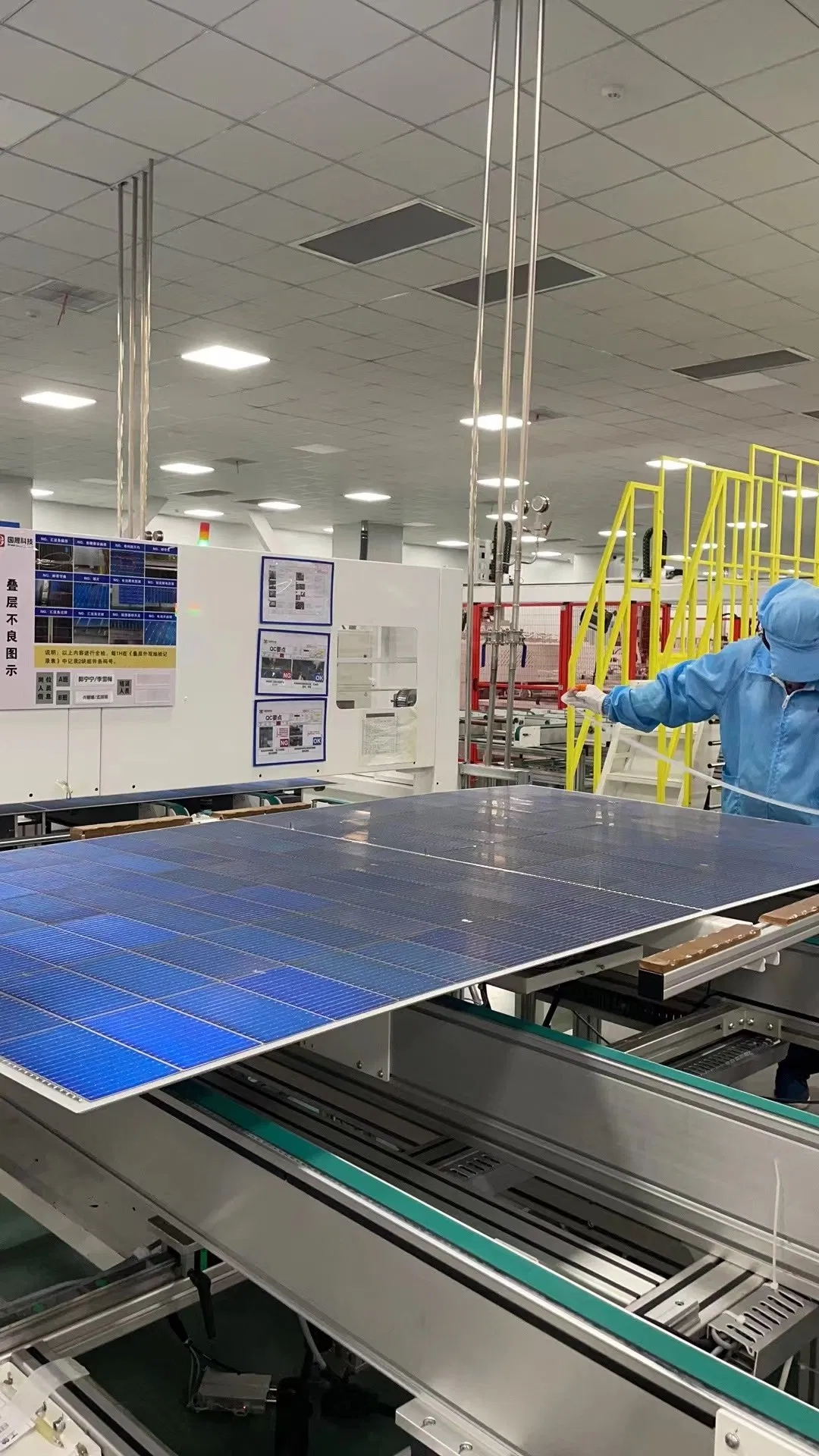
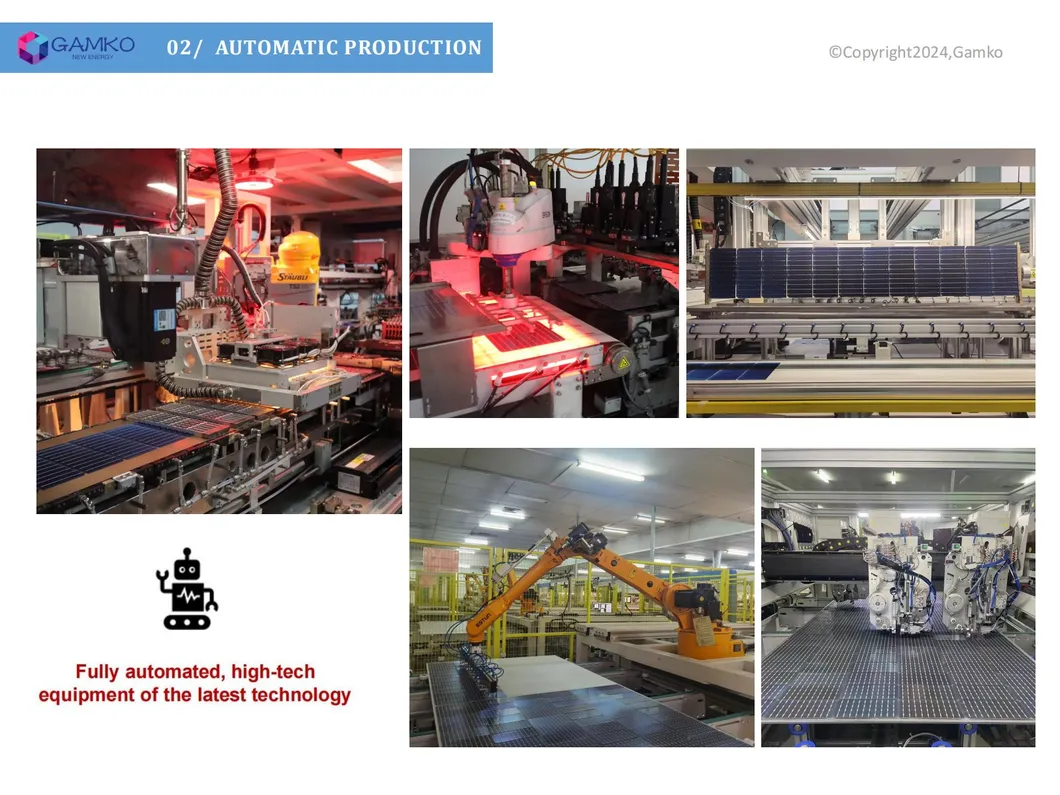
During our production process, we conduct 3 EL tests and 2 Flash tests—ranging from string welding, intermediate inspection, to final inspection—to completely avoid hidden cracks and mixed cell grades.
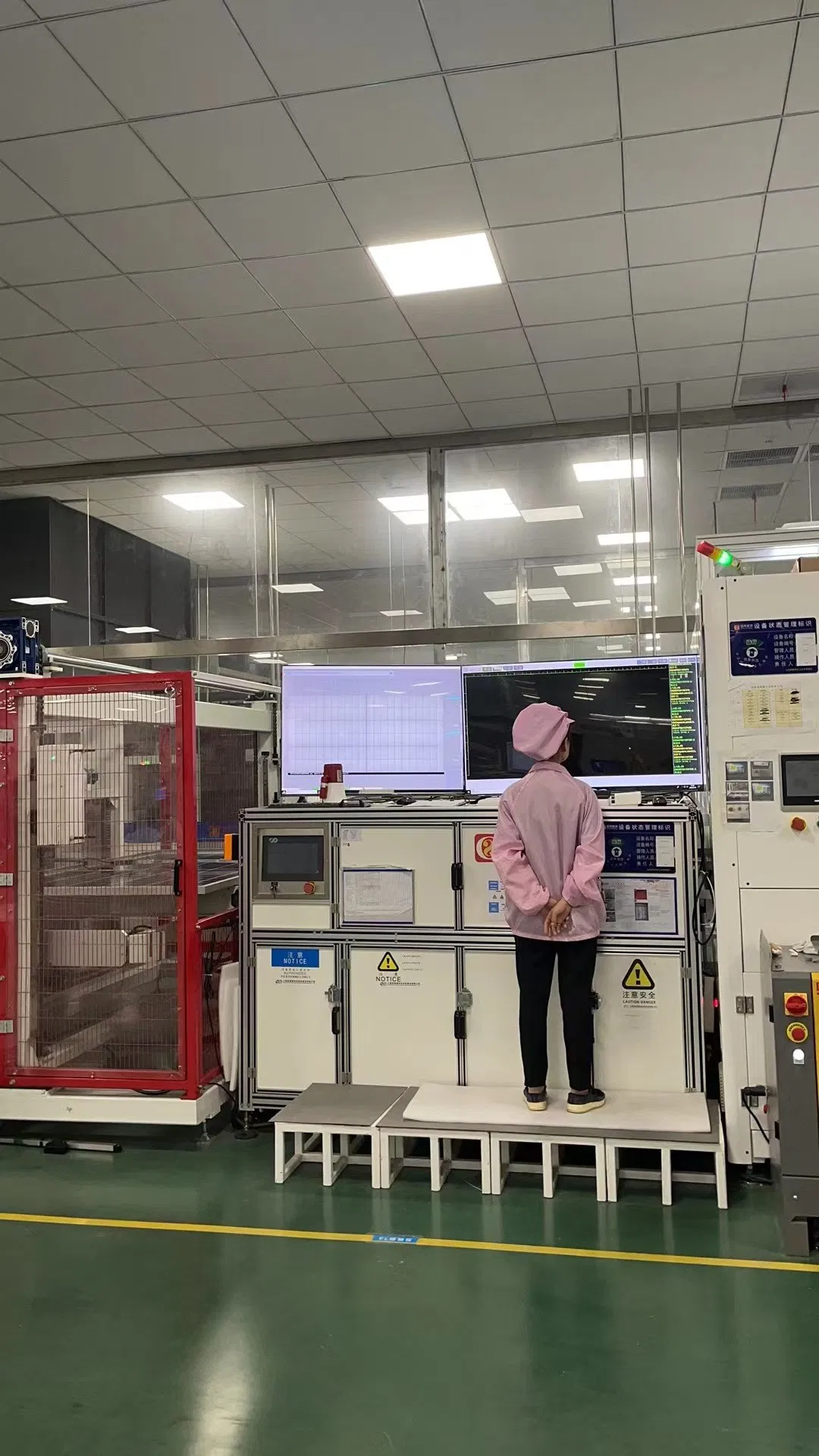
(2) Production Automation: Some low-cost factories are poorly equipped and rely heavily on manual labor. This reduces overhead but leads to unstable production quality, resulting in issues like manual welding cracks, chipping edges, missing corners, and insufficient gluing. These factors severely degrade the efficiency and lifespan of the solar panels.
Our standard payment terms are 30% prepayment and 70% before shipment. We fully accept third-party inspections before final payment is made. We also accept L/C at sight. For specific countries, we can accept a 30% prepayment and 70% against the copy of the Bill of Lading.
Additionally, we support secure platform payment methods (like STS on Made-in-China), where the customer pays a neutral third-party company. We only receive the payment after submitting the Bill of Lading and verified shipping documents post-shipment.
Yes, absolutely. Our customers frequently use third-party companies like BV or SGS to carry out on-site testing and inspections. We fully cooperate with these inspection agents to build a transparent and long-term partnership.
Furthermore, for order volumes exceeding two containers, we will bear the inspection cost of the third-party company. We also cooperate fully in providing certificates like CQC for countries that require them.
We provide a warranty certificate and a unique flash test report with the product's barcode upon shipment, as shown below:
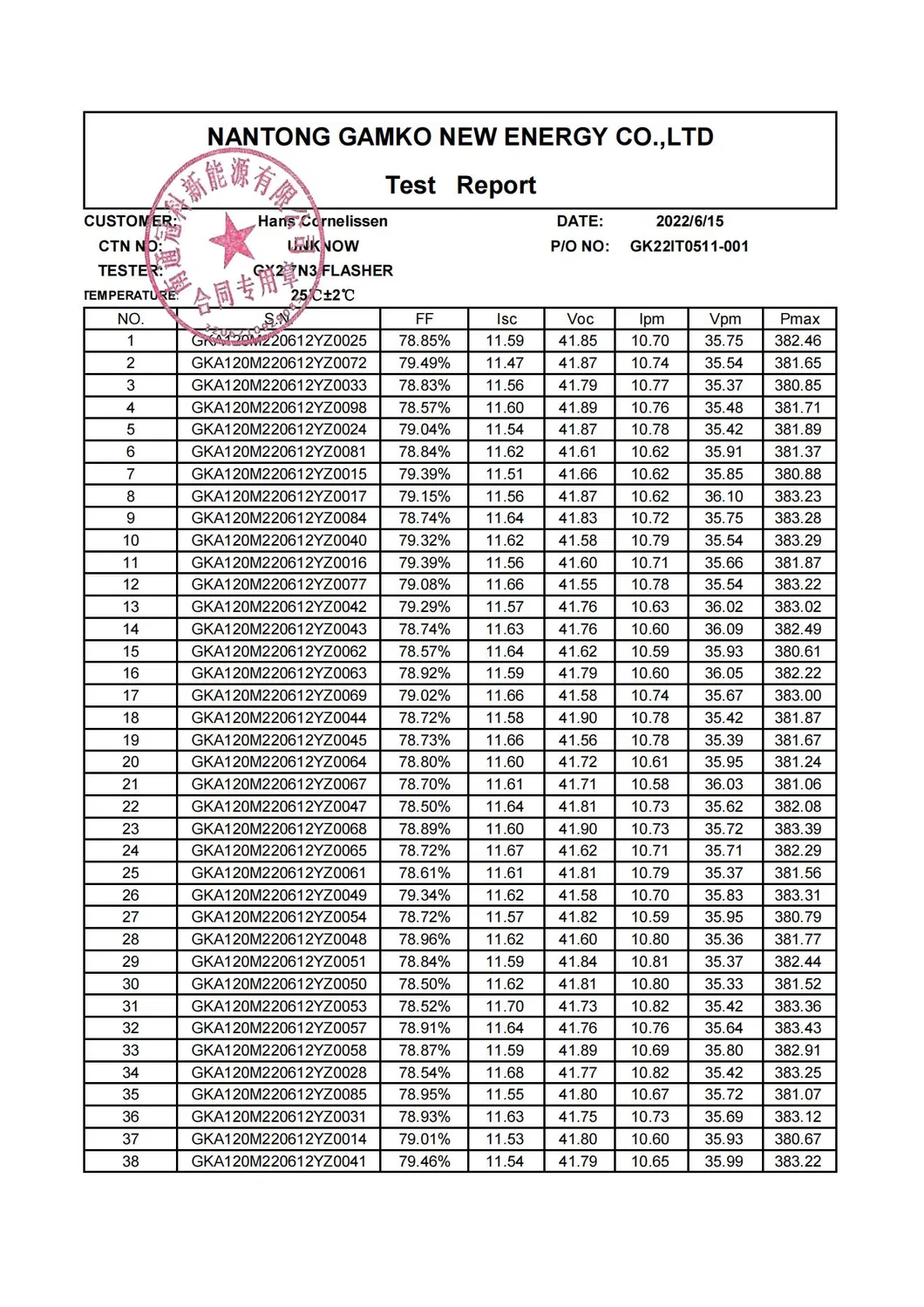
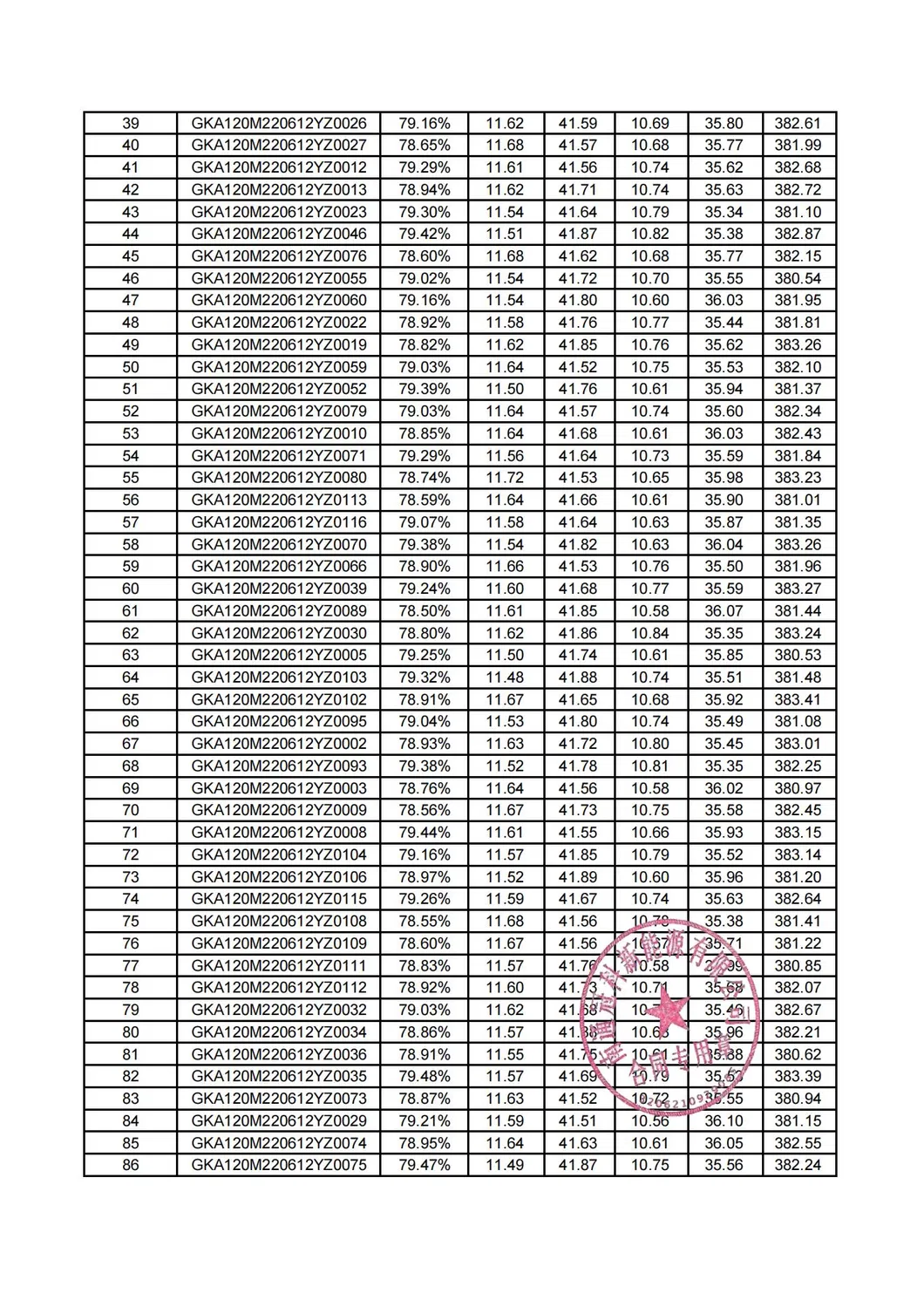
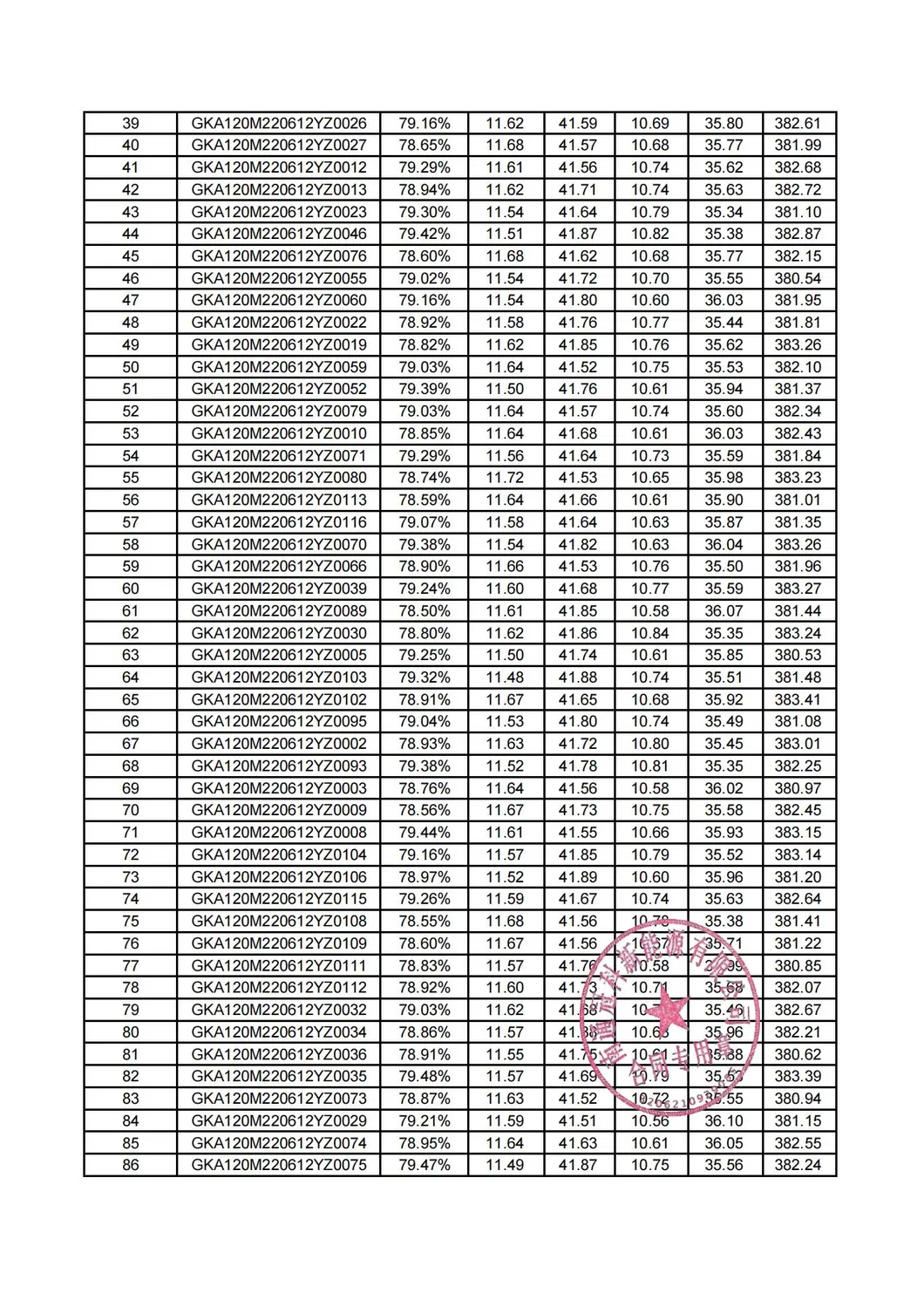
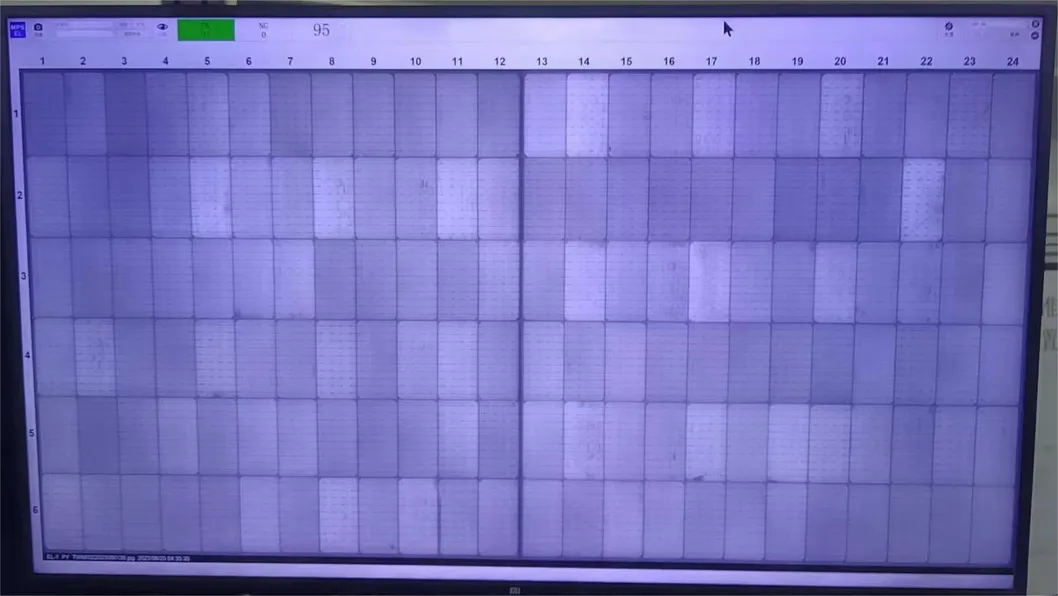
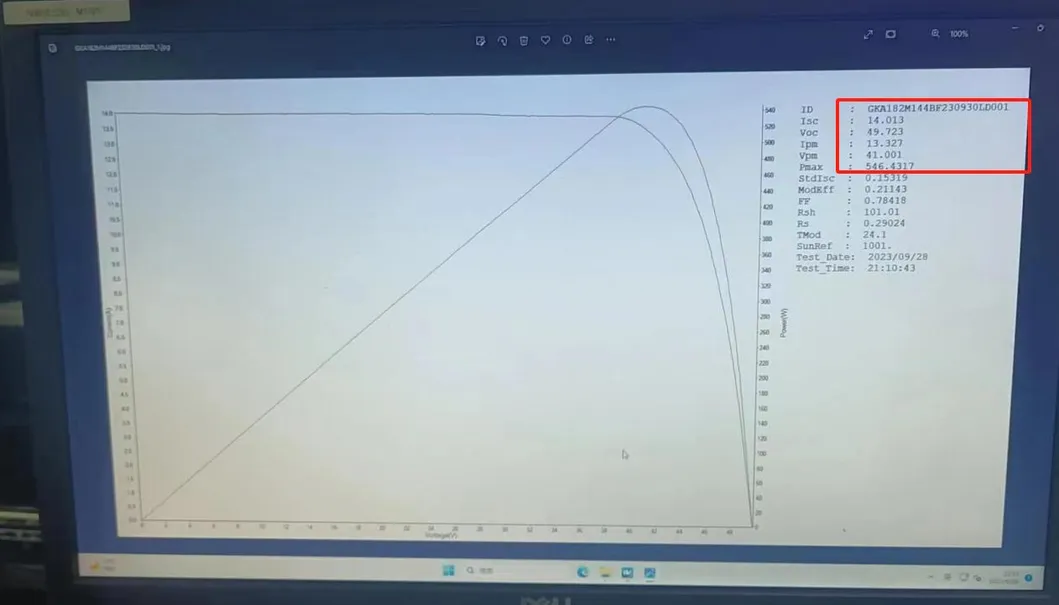
During the warranty period, you can submit claims along with these flash test reports and barcodes, and our team will process the after-sales claim accordingly.
There are numerous counterfeit and unauthorized Tier 1 panels circulating in the spot market. Customers buying these will not receive any official warranty. Additionally, due to the lack of export authorization, buyers risk heavy customs fines (2-5 times the cargo value) or outright confiscation at port borders.
Many cheap panels are branded defective units that were ordered to be destroyed but illegally routed into the market. Furthermore, solar panels stored improperly over long periods degrade significantly in power output and service life.
Warning: Without a direct export permit from the original factory, brand-name solar panels and inverters cannot be officially verified, and carry no factory warranty or performance guarantees.
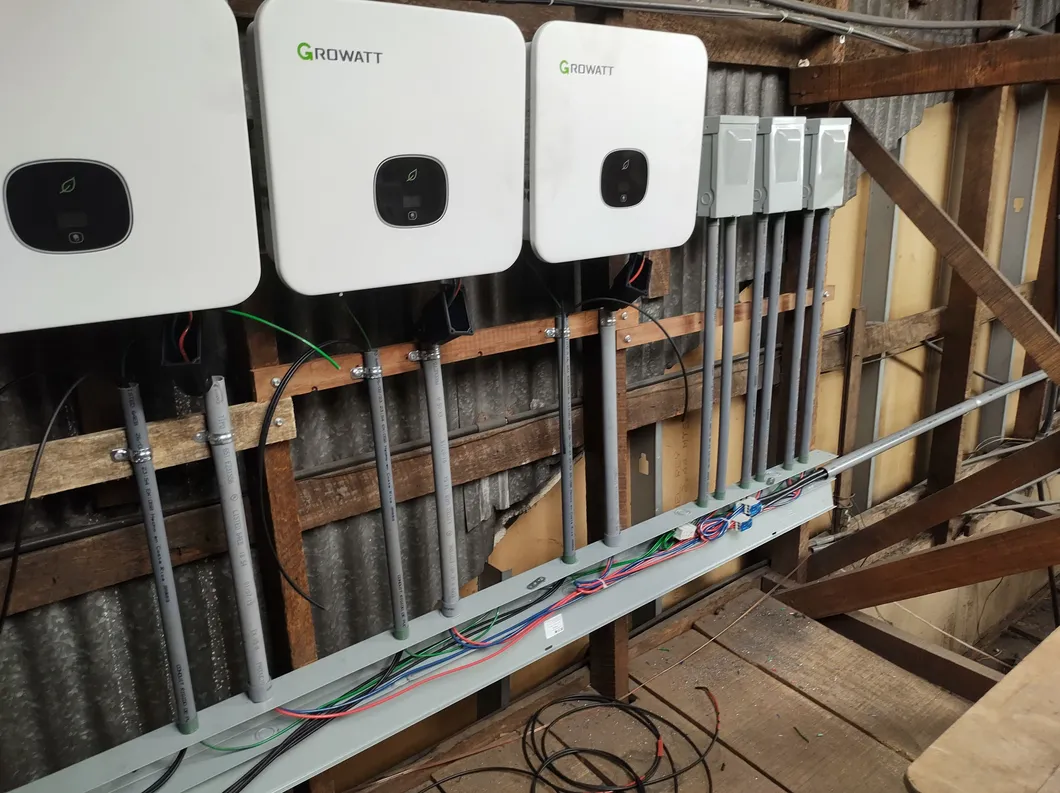
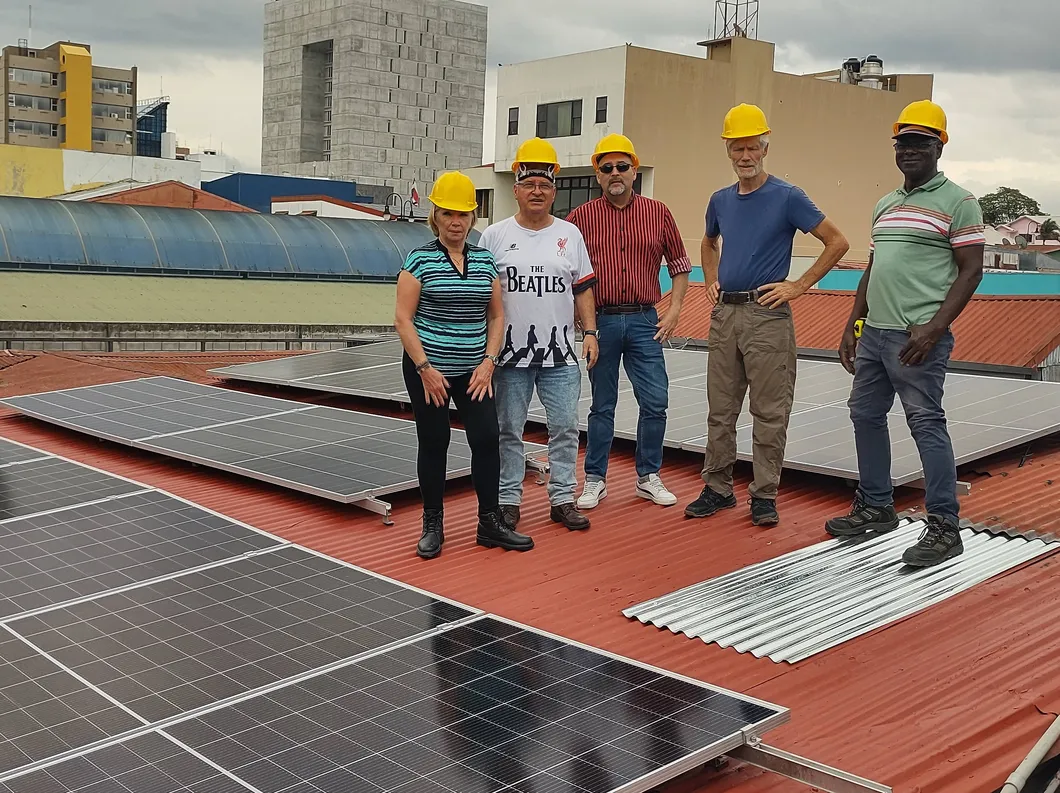
Yes, we have professional engineers who design on-grid, off-grid, and hybrid solar systems. The largest system we have designed overseas is 1.27MW. For systems larger than this, we recommend seeking design validation from your local power utility, and we will quote and package materials according to the specified bill of materials (BOM).
For system design requests, we provide a data collection sheet to gather site details, grid voltage parameters, and layout requirements. We also provide structural mounting drawings for client reference during the process. Please note we offer remote installation guidance online, but do not provide physical door-to-door installation services.