The global demand for clean energy is shifting from simple volume installation to high-performance operational optimization. As grid capacity constraints tighten, developers look toward Solar Energy Efficiency as the ultimate metric to minimize Levelized Cost of Energy (LCOE). Industrial facilities, logistics ports, and remote projects require highly integrated photovoltaic systems that can deliver high power density, even under non-optimal atmospheric conditions.
Currently, the standard commercial solar efficiency has climbed significantly due to the scale production of Mono-Si architectures and the deployment of advanced passivating layers. China's top tier manufacturing clusters have optimized the manufacturing value chain, integrating structural metallurgy with wafer precision technology. Ningbo, as a focal industrial zone, is at the heart of this revolution, combining direct deep-water port logistics with a dense ecosystem of raw polysilicon processing, ingot pulling, and advanced module assembly plants.
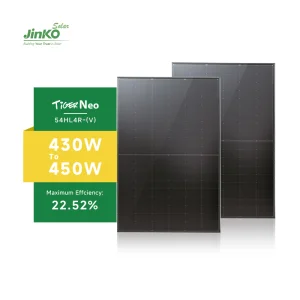
In regional markets like North America, Europe, and Asia-Pacific, localization has driven custom solar solutions. While residential applications demand aesthetic integrations such as "Full Black" panels, large C&I projects demand robust trackers, bifacial performance, and modules that stand up to PID (Potential Induced Degradation) and LID (Light Induced Degradation) risks. Understanding the engineering parameters that drive energy yield over decadal lifetimes is central to procurement decisions.
To maximize the power output per square meter, the manufacturing sector has transitioned away from classic P-Type Al-BSF layouts to advanced N-Type cells. Understanding the architectural differences between these pathways is critical for project engineers planning long-term installations:
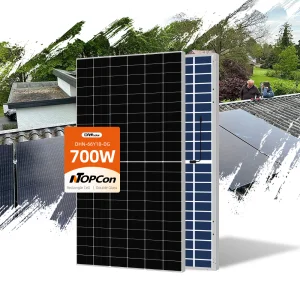
TOPCon relies on an ultra-thin silicon oxide layer combined with doped polycrystalline silicon. This reduces carrier recombination at the contacts, boosting potential efficiency towards the theoretical limit of 28.7%. Under low irradiance, TOPCon modules generate up to 2-3% more energy compared to legacy PERC equivalents.
By utilizing phosphorus instead of boron for silicon doping, N-type wafers completely eliminate Light-Induced Degradation (LID) caused by boron-oxygen complexes. They demonstrate far better temperature coefficients, ensuring superior yield in extreme desert and tropical regions.
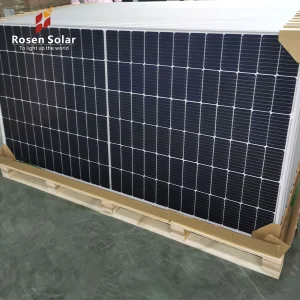
Utilizing glass layers on both front and rear surfaces allows the cell to capture reflected albedo light from the ground. Rearside gain can enhance energy generation by 10% to 30%, depending on the surface albedo (e.g., gravel, concrete, sand, or snow).
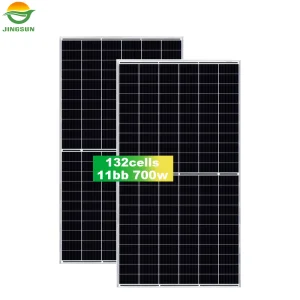
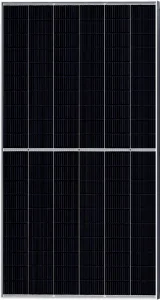
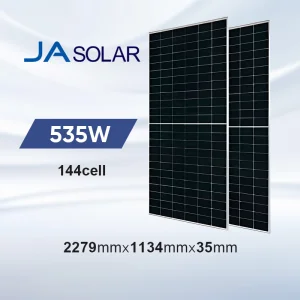
The mechanical design is equally critical. Modern modules utilize half-cut cell configurations. By cutting cells in half with precision lasers, the internal electric current is halved, reducing resistive losses within the ribbon connections by 75%. This configuration ensures that even if one half of the panel is shaded, the other half continues to generate power at full capacity.
Ningbo Halkirk Solar Co., Ltd. is a professional China solar panel manufacturer and monocrystalline & bifacial solar module supplier, dedicated to delivering high-efficiency renewable energy solutions to customers worldwide. Located in the deeply connected logistical hub of Ningbo, China, the company integrates research and development, manufacturing, quality control, and global sales to provide reliable solar products for residential, commercial, industrial, and utility-scale applications.
Halkirk Solar specializes in the production of monocrystalline solar panels, bifacial solar modules, TOPCon solar panels, N-type solar modules, off-grid solar solutions, on-grid solar systems, and customized photovoltaic products. Leveraging advanced cell technology and intelligent manufacturing processes, our products are designed to maximize energy output, improve conversion efficiency, and ensure long-term performance in diverse environmental conditions.
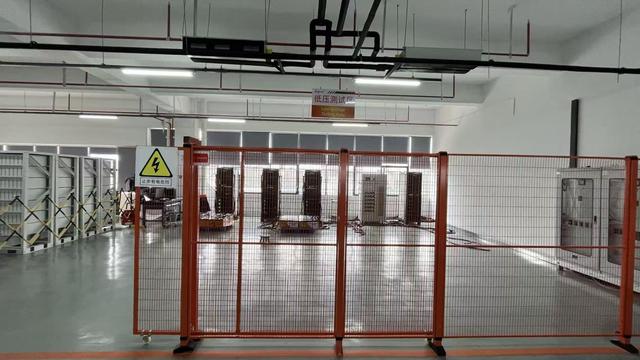
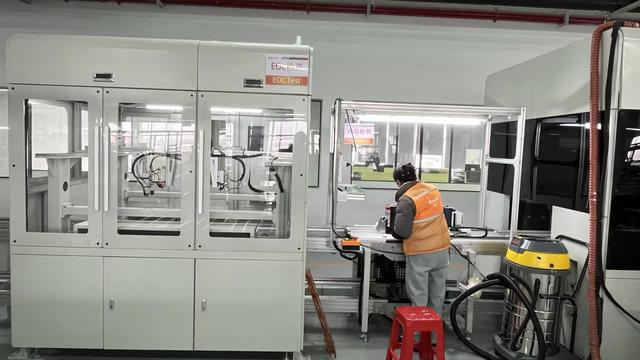
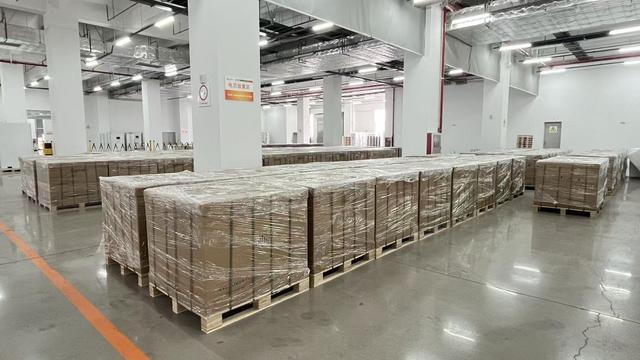
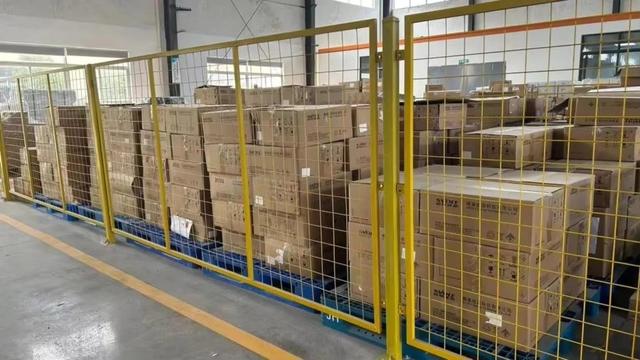
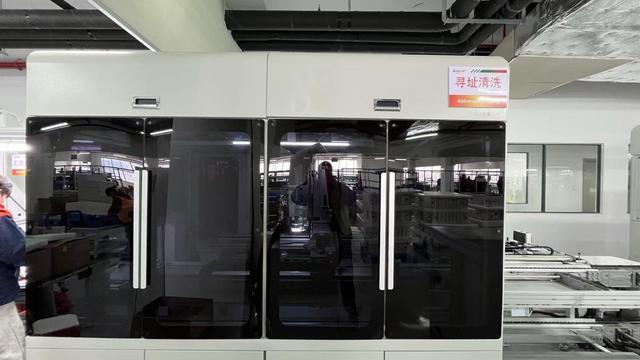
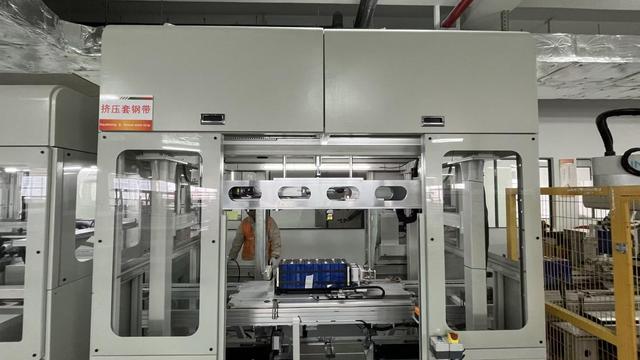
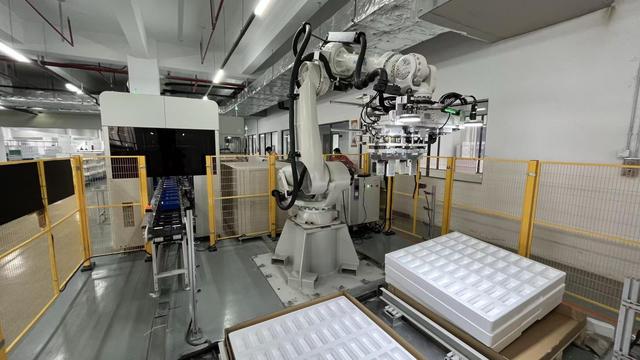
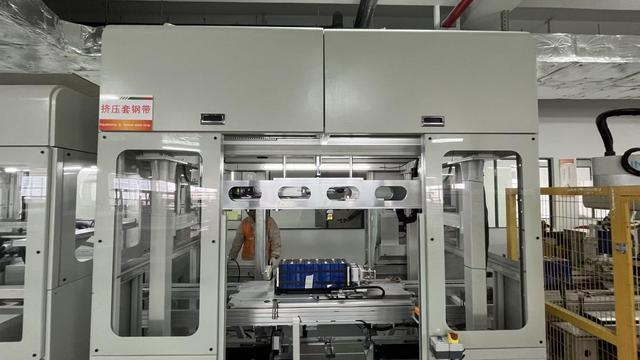
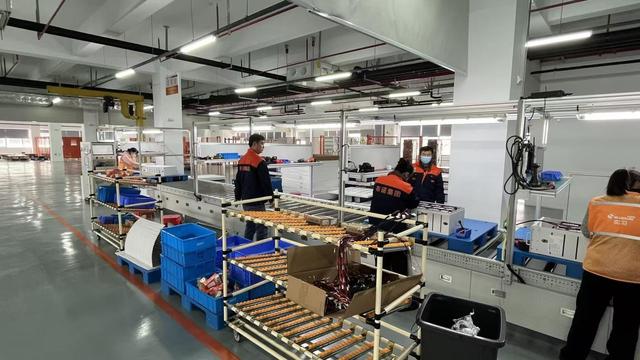
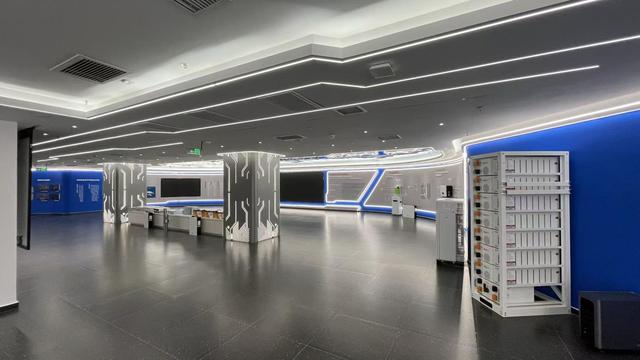
Our modern manufacturing facility is equipped with automated production lines, precision testing equipment, and strict quality management systems. Every solar module undergoes comprehensive inspections and performance testing to guarantee superior reliability, durability, and compliance with international standards. We are committed to providing products that meet the evolving demands of the global renewable energy market.
To better serve international customers, Halkirk Solar offers flexible OEM and ODM services for solar brands, distributors, EPC contractors, wholesalers, and project developers. Our experienced engineering and technical teams work closely with clients to deliver customized solar solutions tailored to specific project requirements, market demands, and branding needs. Driven by innovation, sustainability, and customer satisfaction, Ningbo Halkirk Solar Co., Ltd. continues to expand its presence in global markets.
Optimized solar modules cannot perform in a vacuum; they must be deployed within balanced, context-aware hardware ecosystems. Depending on geography and sector, the optimal technical approach shifts:
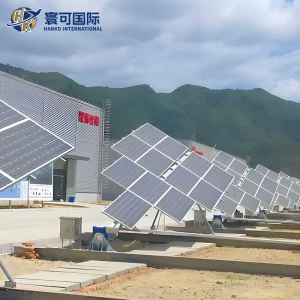
Large-scale solar installations require hardware that mitigates structural stress while maintaining peak production. In hilly, rocky, or uneven configurations, fixed racking results in shadow losses. Here, Inclined Solar Tracking Systems are crucial. When matched with high-output Bifacial modules (such as 670W 210mm arrays), the tracker continuously maximizes angle-of-incidence, generating high power even in low-light environments.
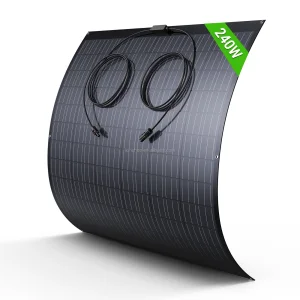
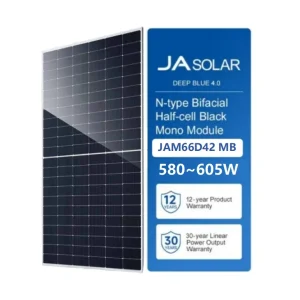
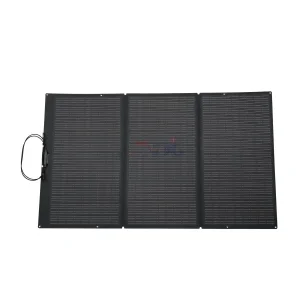
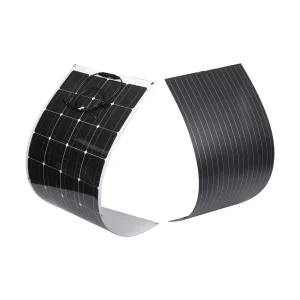
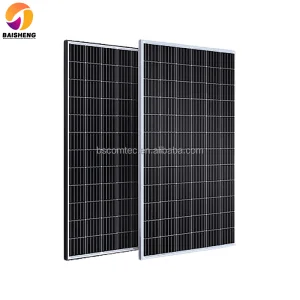
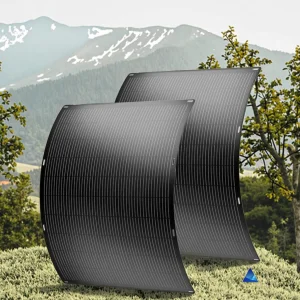
For factories, warehouses, and corporate facilities, spatial utilization is critical. Roof structures often have load-bearing limitations. Using lightweight semi-flexible solar modules provides a solution, as they bypass heavy glass structures. In cases where roof space is premium, utilizing TOPCon N-type modules of 580W to 600W delivers the highest wattage per square foot, drastically accelerating amortization schedules.
Solar adoption has expanded beyond grid-tied structures. Special environments require custom form factors:
The roadmap of solar energy generation points towards multi-junction structures and digitalized operations. While current technologies focus on refining single-junction silicon wafers (maximizing contacts, adjusting dopants), the next technological wave lies in Perovskite-Silicon Tandem Cells. By stacking perovskite layers over silicon, cells can capture different segments of the solar spectrum, elevating commercial cell efficiency limits past 30% within this decade.
Simultaneously, "smart" modules are gaining market share. Integrating micro-inverters and DC optimizers at the panel level allows for real-time monitoring of performance parameters. Any cell degradation, microcracking, or dust accumulation is flagged instantly via automated systems. Manufacturing plants are also adapting, replacing manual quality inspections with automated optical inspection (AOI) systems powered by AI, ensuring zero defect escape rates during cell stringing and encapsulation processes.
TOPCon (Tunnel Oxide Passivated Contact) panels utilize an ultra-thin oxide layer to minimize recombination losses, achieving commercial cell efficiencies of 24.5% to 25.5%, whereas PERC modules typically top out at 23%. Additionally, TOPCon modules offer a better temperature coefficient and lower annual degradation rate, maximizing lifetime energy yield.
N-type wafers are doped with phosphorus instead of boron. In traditional P-type panels, boron reacts with oxygen under sunlight to cause Light-Induced Degradation (LID), reducing performance by 1-3% immediately. N-type panels do not suffer from boron-oxygen defects, resulting in near-zero LID and longer warranties.
Bifacial modules can generate an additional 10% to 30% of energy from their rear side. This gain depends heavily on the surface albedo. For instance, installing dual-glass bifacial modules over light-colored gravel or white concrete yields maximum performance, whereas dark soil yields lower gains.
High-quality flexible panels utilize advanced polymers like ETFE (Ethylene Tetrafluoroethylene) instead of standard PET. ETFE provides high UV resistance, high light transmittance, self-cleaning capabilities, and robust ingress protection (IP67/IP68), allowing the panel to survive salt spray and marine exposure.
Yes, Ningbo Halkirk Solar Co., Ltd. provides full engineering and design services for OEM and ODM projects. We customize module dimensions, junction box configurations, frame colors, backsheets, and electrical parameters to meet specialized application profiles and regional regulatory standards.
Modern utility-scale trackers feature dynamic structural designs. When high wind speeds are detected by anemometers, the automated tracking controller automatically rotates the solar array into a "stow position" (usually flat or at a slight angle) to minimize wind lift forces, preventing mechanical failures.
 Halkirk Solar