Engineered for Global Regulation Compliance and Maximum Energy Yields
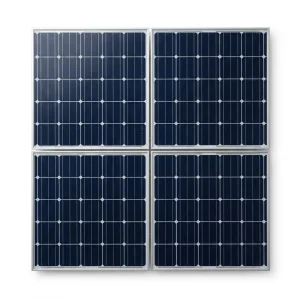
Tier 1 N-Type TOPCon Bifacial Solar Panel 182N-72HD Double Glass PV Module for Large Scale Ground Utility Projects
View Details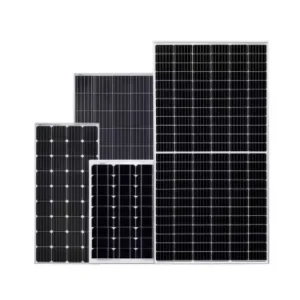
Solar Panel System Home 500W Mono 182mm Grade a Solar Panels Half Cell 530W 540W
View Details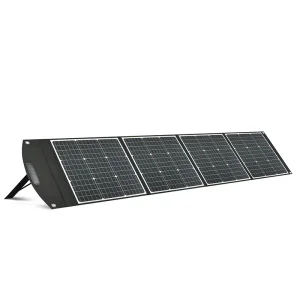
Portable 200W Paneles Solares 200W Mono Crystalline Solar Panel 200W Folding Solar Panel
View Details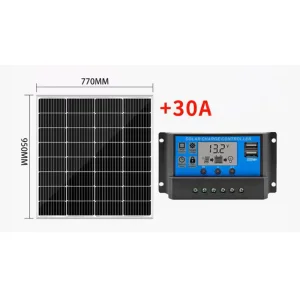
150 Watt Solar Panels 12V Monocrystalline Cell High-Efficiency PV Module Solar Panels for Homes Camping RV Battery Boat Caravan
View Details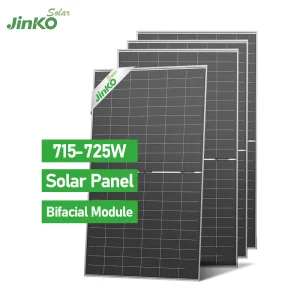
Jinko 2384*1303*30mm 695W-720W 700W 705W 710W 715W 720W 725W 730W 735W N Type JInko Solar Panels Factory
View Details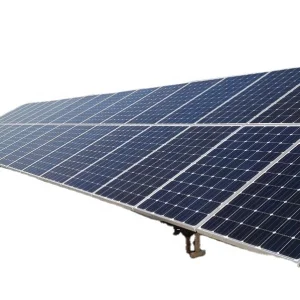
Monocrystalline Silicon MPPT Solar Panels for Park Homes & Factory Off-Grid 5kW Home Use Solar Power System
View Details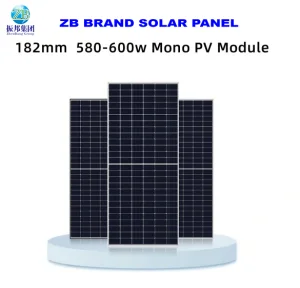
156m 580-600W 182mm Mono Perc Solar Module Roof Mount Solar Panel
View Details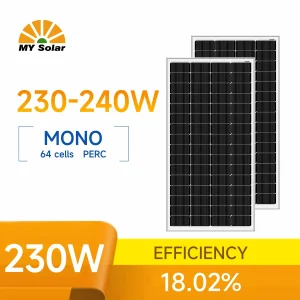
Mypvtech High-Quality 230W 235W 240W Monocrystalline Solar Panels
View DetailsUnlocking Supply Chain Predictability in Highly Regulated Markets
Navigating varying national grid-tied protocols (such as Europe's EN 50549 or North America's IEEE 1547) ensures modules perform flawlessly under strict voltage fluctuation, frequency response, and active power mitigation rules.
Compliance with carbon reporting tools like Europe's CBAM (Carbon Border Adjustment Mechanism) and tracing raw silicon origins (preventing forced labor under UFLPA guidelines) are essential to prevent cross-border supply shocks.
Adherence to testing sequences including IEC 61215 for terrestrial PV design suitability and IEC 61730 for module safety qualification forms the baseline for bankability and project insurance underwriting.
A Premier China Manufacturer & Global Solar Technology Partner
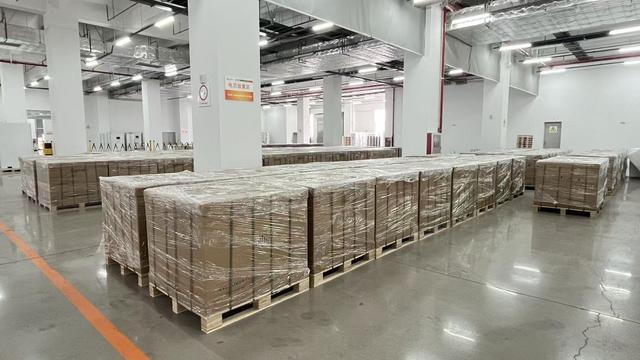
Ningbo Halkirk Solar Co., Ltd. is a professional China solar panel manufacturer and monocrystalline & bifacial solar module supplier, dedicated to delivering high-efficiency renewable energy solutions to customers worldwide. Located in Ningbo, China, the company integrates research and development, manufacturing, quality control, and global sales to provide reliable solar products for residential, commercial, industrial, and utility-scale applications.
Halkirk Solar specializes in the production of monocrystalline solar panels, bifacial solar modules, TOPCon solar panels, N-type solar modules, off-grid solar solutions, on-grid solar systems, and customized photovoltaic products. Leveraging advanced cell technology and intelligent manufacturing processes, our products are designed to maximize energy output, improve conversion efficiency, and ensure long-term performance in diverse environmental conditions.
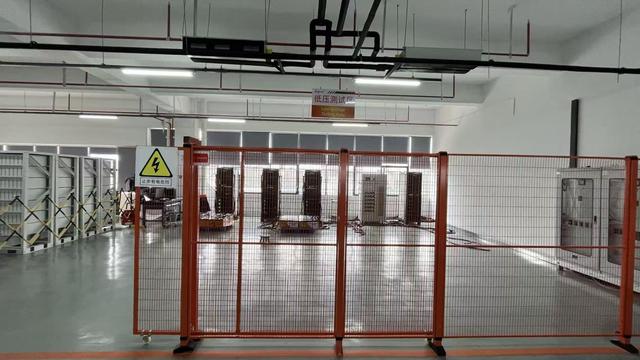
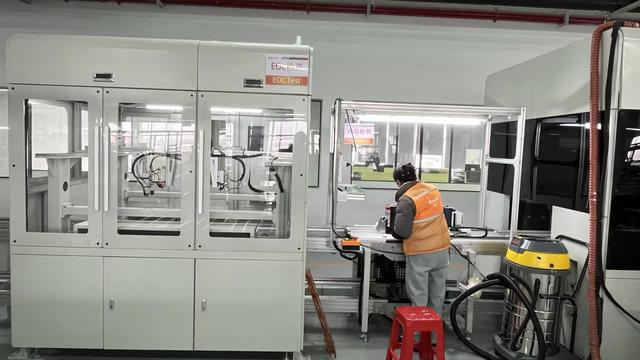
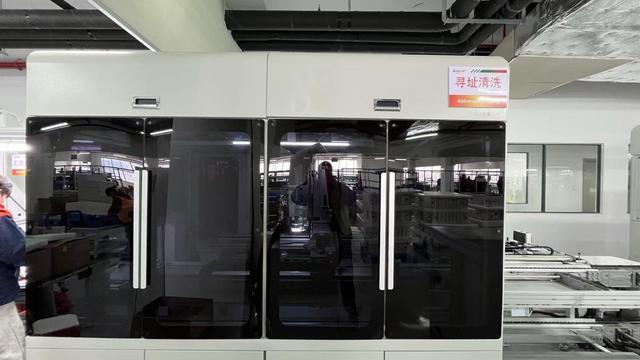
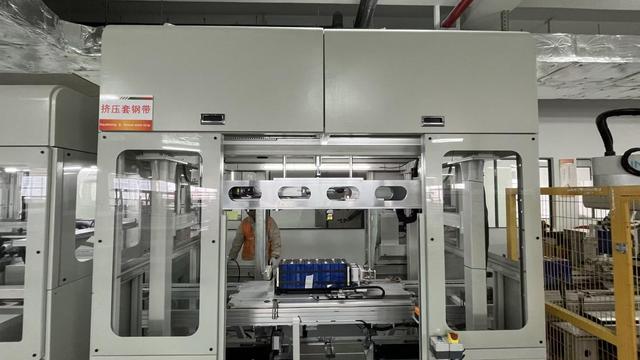
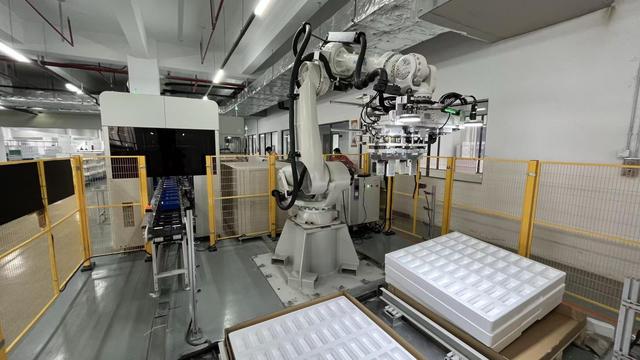
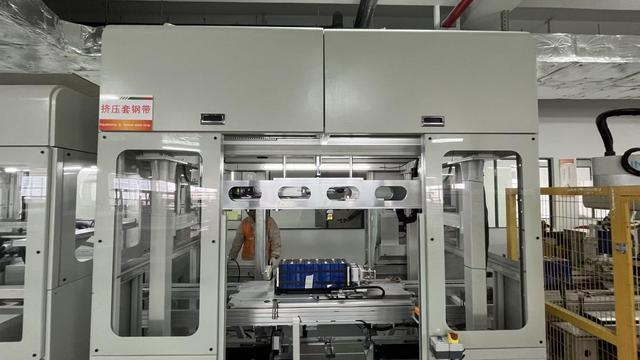
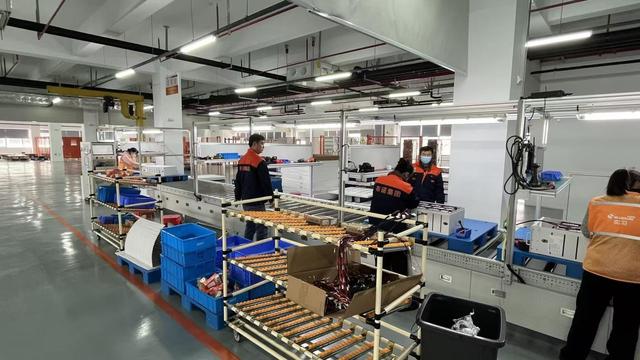
Our modern manufacturing facility is equipped with automated production lines, precision testing equipment, and strict quality management systems. Every solar module undergoes comprehensive inspections and performance testing to guarantee superior reliability, durability, and compliance with international standards. We are committed to providing products that meet the evolving demands of the global renewable energy market.
To better serve international customers, Halkirk Solar offers flexible OEM and ODM services for solar brands, distributors, EPC contractors, wholesalers, and project developers. Our experienced engineering and technical teams work closely with clients to deliver customized solar solutions tailored to specific project requirements, market demands, and branding needs.

Comparing PV Cell Architectures for Commercial & Industrial Utility Systems
PERC has long served as the industry standard, offering high reliability and lower initial CAPEX. However, PERC is subject to relatively high LID (Light-Induced Degradation) rates and has reached its practical conversion efficiency limit at approximately 23-23.5% in mass production.
By employing an ultra-thin silicon oxide tunnel layer paired with highly doped polycrystalline silicon, TOPCon modules reduce recombination losses. This results in practical mass-production cell efficiencies surpassing 25.5%, lower temperature coefficients, and virtually zero Boron-Oxygen LID.
Modern commercial frameworks focus extensively on LCOE (Levelized Cost of Energy) calculations. Dual-glass bifacial panels harness albedo reflectance from the surrounding ground, increasing energy yields by 5% to 30% depending on surface conditions (soil, concrete, sand, or snow).
Operational Parameters and Safety Compliances in Modern Microgrids
Rooftop systems frequently encounter localized shading from HVAC units, structural profiles, and surrounding trees. Implementing MPPT controllers at the string or module level dynamically adjusts current-voltage operational ranges. This prevents mismatch losses and hot-spot degradation, maximizing the output of systems like our Monocrystalline Silicon MPPT Solar Systems.
Fire mitigation codes, such as the National Electrical Code (NEC) Article 690.12 in North America, mandate module-level rapid shutdown (RSD) capabilities. These systems quickly lower voltage within the boundary array during emergencies, protecting first responders and ensuring compliance with commercial building insurance policies.
Strategic Sourcing and Risk Mitigation for International Project Developers
We provide full raw material traceability reports, detailing silicon ingoting, wafer slicing, cell fabrication, and module assembly locations. This ensures compliance with ESG criteria and import regulations, including the Uyghur Forced Labor Prevention Act (UFLPA).
Every production batch undergoes comprehensive EL (Electroluminescence) testing both before and after lamination. This process identifies microcracks, cold solder joints, and grid line defects invisible to the naked eye, ensuring only top-tier panels leave our facility.
We offer customized module configurations to meet specific project criteria. This includes custom dimensions, black-frame aesthetics for residential installations, custom cable lengths, and MC4-compatible junction box integrations.
Authoritative Answers to Common Sourcing, Certification, and Logistical Queries
Off-Grid, Foldable, and Customized Power Solutions for Diverse Commercial Settings
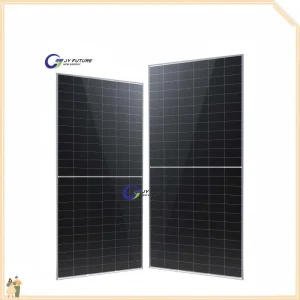
for Jinko 3 Solar Panel Stand CE for Certified with Perc and Half Cell Technology
View Details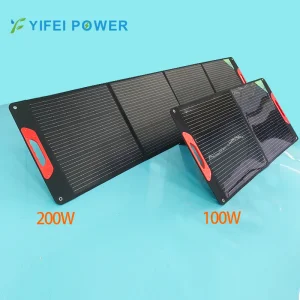
Wholesale 200W Foldable Solar Panel for Balcony & Outdoor Camping Portable Power Station
View Details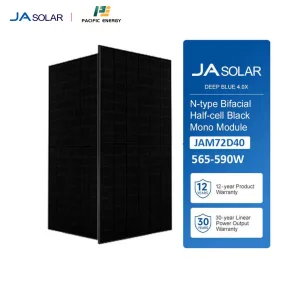
JA Solar Panel 550W to 720W Bifacial PERC Solar Panels with 144 Cells N-Type Front Glass OEM Power in Stock
View Details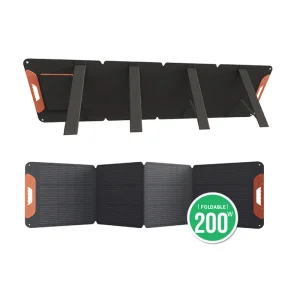
High Conversion Long Service Life 200W Foldable Solar Panel Portable Solar Panel for Portable Power Station
View Details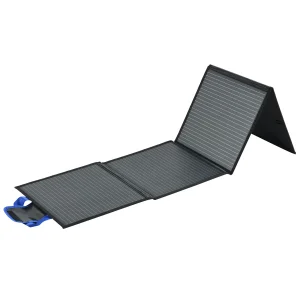
Ultra Lightweight 150W 160W 170W 180W 190W 200W Folding Solar Panel Portable Solar Charger Bag ETFE Coating Mono PV Module for RV, Marine, Yachts Power Supply
View Details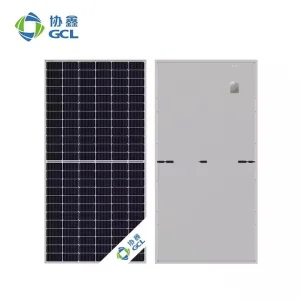
GCL 525W 530W 540W 535W 545W 550W 555W 560W Solar Panel Flexible Photovoltaic Panel Solar Panel System for Home Use
View Details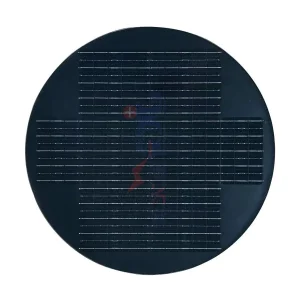
OEM Customized 6V 9V 18V Monocrystalline Solar Panel for Garden Light
View Details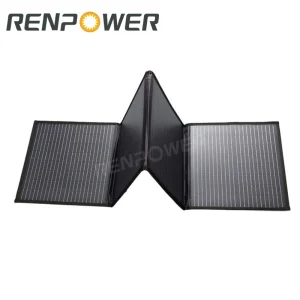
60W Waterproof Foldable Solar Panel for Laptops Cell Phones Solar Generators 12vbatteries
View Details Halkirk Solar