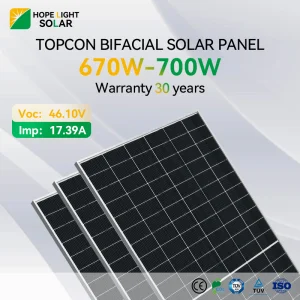
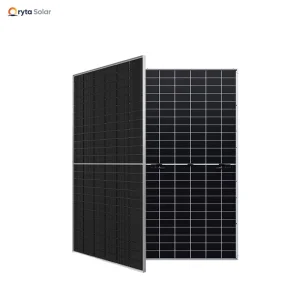
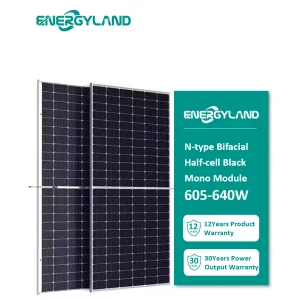
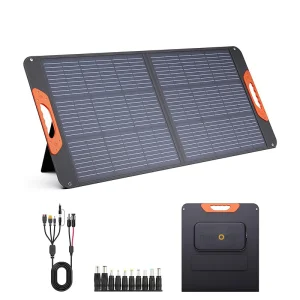
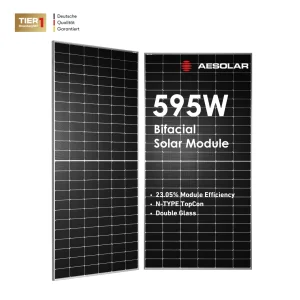
In the modern renewable energy landscape, maximum energy yields are no longer achieved simply through the quality of the silicon cells. True project viability is governed by digital twins, real-time string diagnostics, and automated anomaly isolation. As a leading customized OEM Solar System Performance Monitoring Supplier & Exporter, we engineer edge-to-cloud architectures that allow project operators to mitigate degradation risk, verify performance ratios (PR), and secure consistent ROI.
Historically, solar monitoring was a retrofitted reporting mechanism that relied on basic inverter telemetry. Modern infrastructure requires comprehensive physical-asset visibility. An optimized solar system performance monitoring stack requires the integration of diverse sensing systems, logic layers, and secure cloud ingestion pipelines.
At the baseline level, our monitoring systems pull high-frequency data from three critical components:
Monitors cell temperature, backsheet stress, and localized string current. Crucial for detecting hotspots and early bypass diode failures.
Measures battery state of charge (SoC), state of health (SoH), temperature variances, and charge/discharge efficiency in hybrid configurations.
Tracks active/reactive power levels, grid frequency abnormalities, and harmonic distortion profiles to ensure strict local grid compliance.
By designing the software and hardware under a unified OEM scope, we deliver customized data gateways that translate diverse proprietary protocols (such as Modbus RTU/TCP, CAN Bus, and Profinet) into streamlined, secure MQTT or HTTPS payloads, reducing cloud storage overhead and network bandwidth consumption.
Operating within the strategic industrial cluster of Ningbo, China, Ningbo Halkirk Solar Co., Ltd. stands as a premier monocrystalline and bifacial solar module manufacturer. Ningbo's robust localized supply chain serves as a crucial differentiator for global renewable projects:
Proximity to raw polysilicon processing, high-grade aluminum frame fabricators, and advanced semiconductor testing hubs ensures rapid hardware turnaround.
Direct access to one of the world's busiest container shipping hubs enables reduced transit times, optimized freight costs, and predictable shipping schedules.
Our engineering division can prototype customized PCB sensors, gateway enclosures, and solar tracking algorithms within days rather than months.
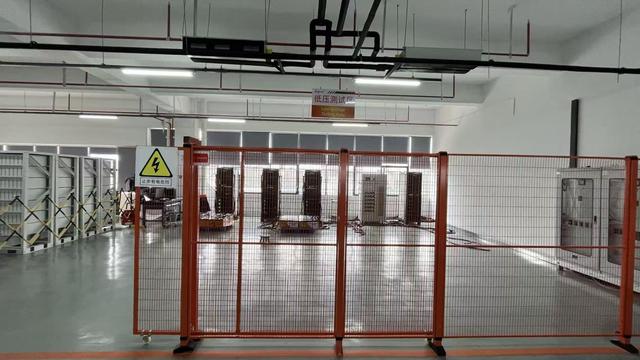
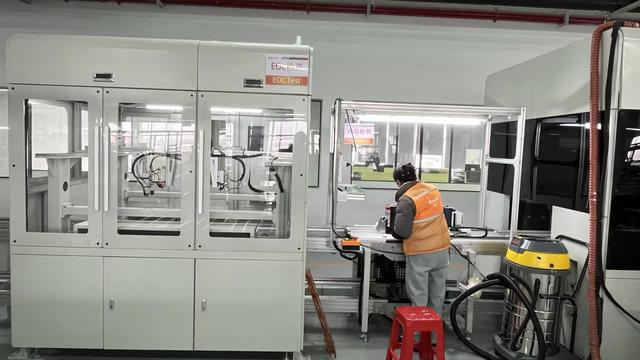
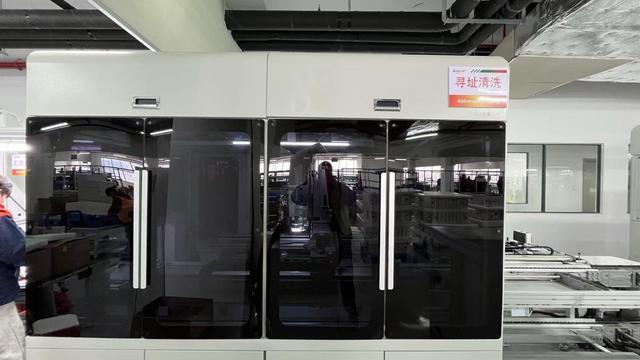
Our manufacturing processes rely on fully automated SMT lines and high-precision testing machinery. By leveraging automated optical inspection (AOI) alongside rigorous thermal cycle chambers, we ensure every exported PV module and monitoring unit exhibits zero physical degradation when exposed to harsh sub-zero temperatures or high-humidity tropical conditions.
Solar telemetry cannot follow a "one-size-fits-all" framework. Different application fields demand localized engineering solutions:
A. Utility-Scale PV Power Plants (Over 100MW): In massive solar farms, tracking performance ratios (PR) across millions of panels requires automated edge computing. Our customized monitoring gateways run localized anomaly detection algorithms. Instead of streaming gigabytes of raw performance data to the cloud, the edge devices process the raw input and only transmit alerts when anomalies occur, saving on bandwidth costs.
B. Off-Grid Remote Microgrids & RV/Marine Applications: High-end leisure systems and isolated stations need energy resiliency. Using our advanced 120V 230V Complete Off-Grid Solar Kits, operators monitor charge currents from MPPT controllers and battery temperature parameters simultaneously over Bluetooth or local LORA links, safeguarding the system without requiring active internet connectivity.
C. C&I Rooftop Configurations: Industrial operations must maximize performance under shading constraints. Our monitoring software calculates dynamic shadows and alerts maintenance crews when specific panels fail to match standard performance curves, reducing physical diagnostic time by up to 80%.
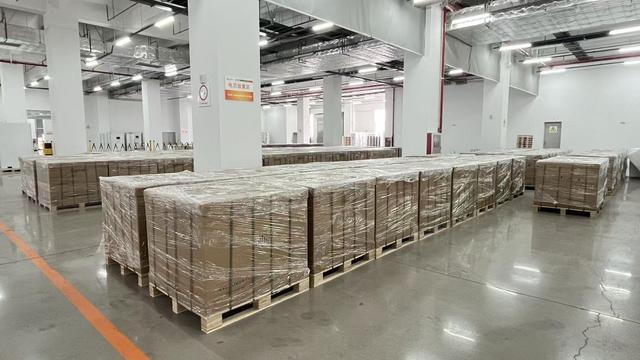
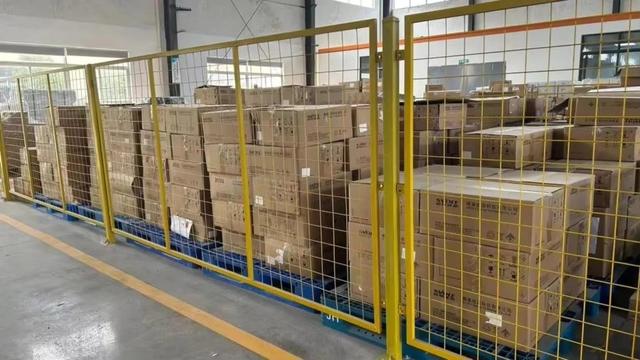
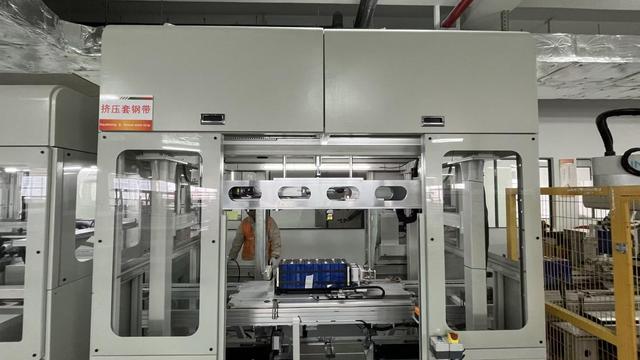
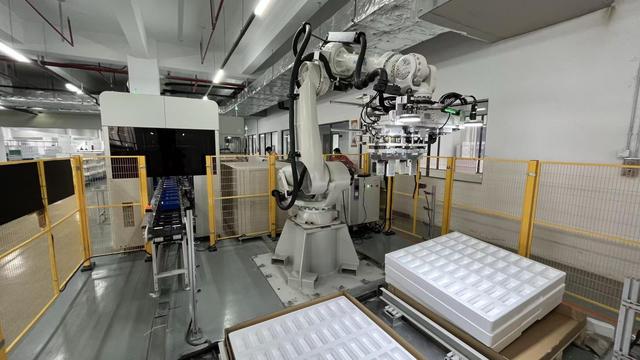
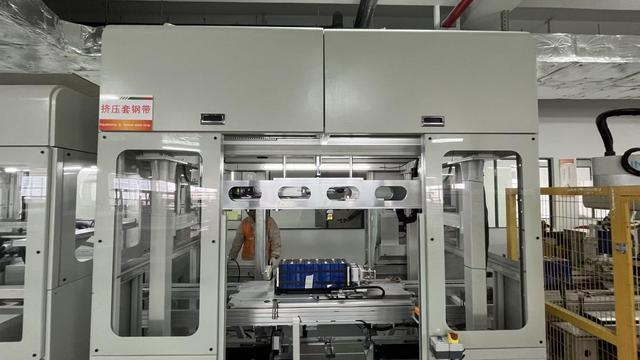
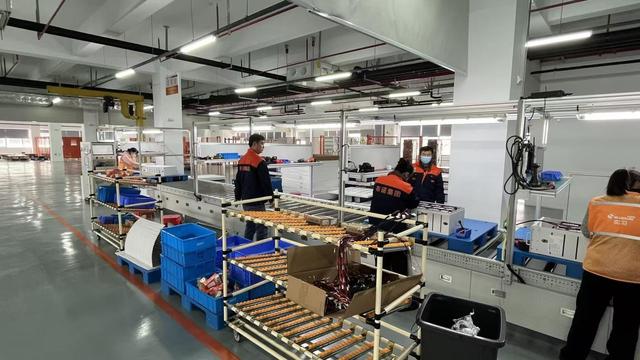
Ningbo Halkirk Solar Co., Ltd. integrates research and development, manufacturing, and global sales to deliver reliable solar products. Below is our manufacturing plant, showing our testing procedures and modern assembly lines:

When procuring performance monitoring components internationally, smart buyers prioritize several parameters to ensure long-term system stability:
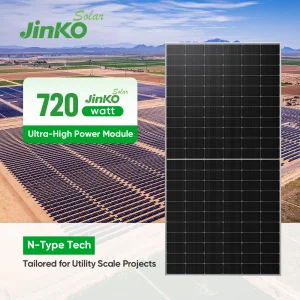
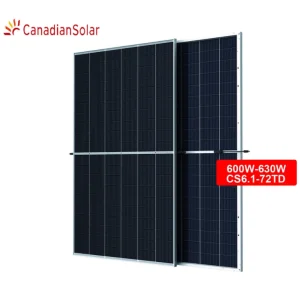
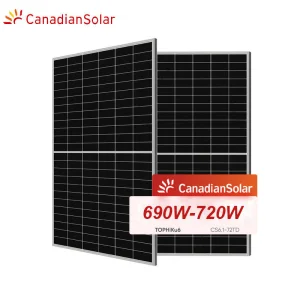
First, hardware interoperability is vital. Modern projects combine modules from manufacturers like Jinko, AE Solar, and Canadian Solar, using inverters from global brands. The monitoring gateway must offer out-of-the-box support for multiple data models without requiring custom software development.
Second, cybersecurity and data sovereignty are critical. Sourcing from a partner that provides customized local hosting configurations or support for secure clouds (such as AWS, Azure, or private servers) ensures compliance with strict local regulations.
Third, firmware updates over-the-air (FOTA) are essential. Since solar sites are designed to operate for 25+ years, physically sending technicians to update tracking software is costly. A reliable system must support secure remote updates to handle evolving grid regulations and security patches.
 Halkirk Solar