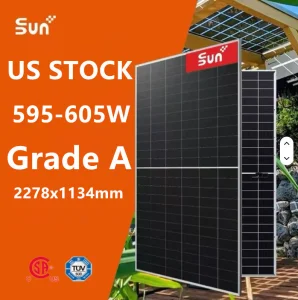
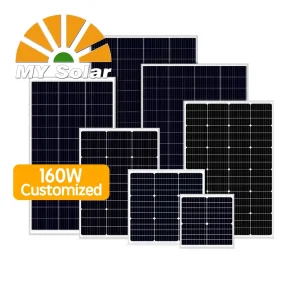
Explore our customizable OEM/ODM product portfolio developed to meet complex global project parameters and performance standards.
The shift toward highly customized photovoltaic solutions introduces technical, regulatory, and financial hurdles for utility-scale developers and B2B buyers.
The transition from P-type PERC technology to N-type architectures (such as TOPCon and HJT) has introduced a manufacturing learning curve. Achieving high conversion efficiency without sacrificing yield rates demands absolute precision during the phosphorus/boron diffusion and passivation processes.
Solar farms are increasingly built in marginal lands, offshore zones, and extreme climates. Modules must resist Potential Induced Degradation (PID), Light and Elevated Temperature Induced Degradation (LeTID), and wind and snow loads up to 5400 Pa / 2400 Pa respectively.
OEM and ODM buyers face severe tracking challenges. Under regulatory regimes like UFLPA (USA) and the EU Corporate Sustainability Due Diligence Directive, tier-1 tracing from polysilicon mining, ingot growth, wafer slicing, cell dicing, to final panel integration is mandatory.
How our automated facility in Ningbo, China overcomes engineering limits and standardizes global supply chains.
Ningbo Halkirk Solar Co., Ltd. is a professional China solar panel manufacturer and monocrystalline & bifacial solar module supplier, dedicated to delivering high-efficiency renewable energy solutions to customers worldwide. Located in Ningbo, China, the company integrates research and development, manufacturing, quality control, and global sales to provide reliable solar products for residential, commercial, industrial, and utility-scale applications.
Halkirk Solar specializes in the production of monocrystalline solar panels, bifacial solar modules, TOPCon solar panels, N-type solar modules, off-grid solar solutions, on-grid solar systems, and customized photovoltaic products. Leveraging advanced cell technology and intelligent manufacturing processes, our products are designed to maximize energy output, improve conversion efficiency, and ensure long-term performance in diverse environmental conditions.
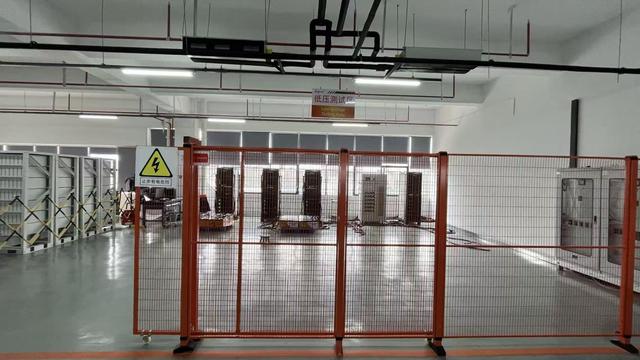
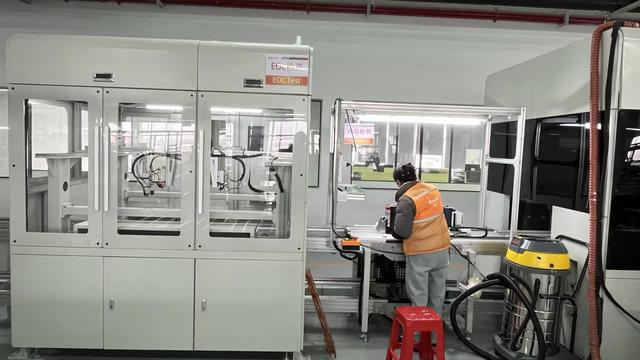
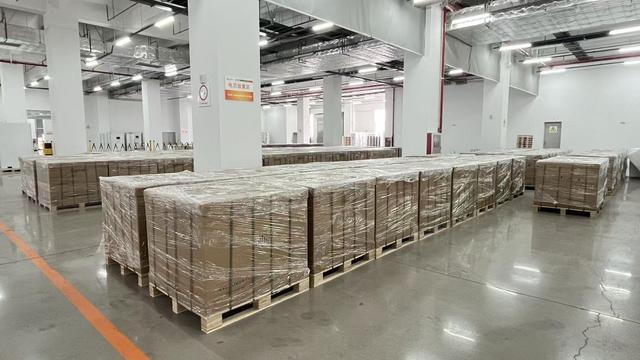
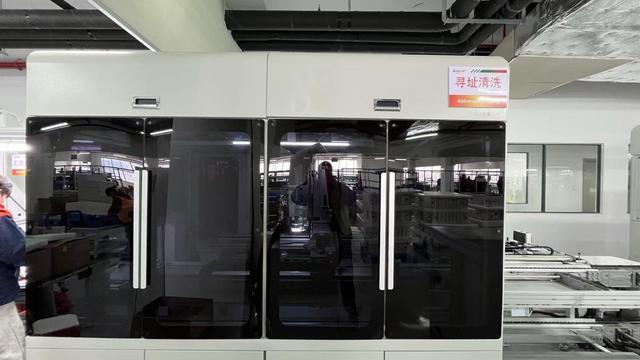
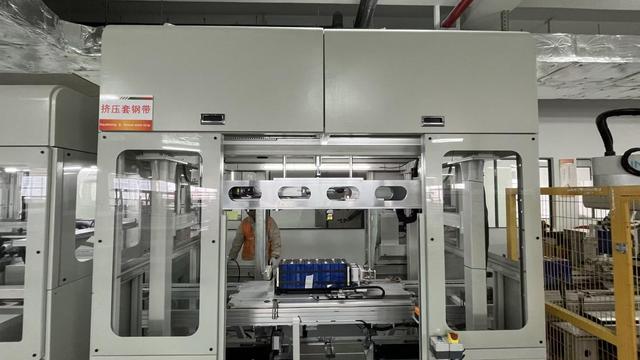
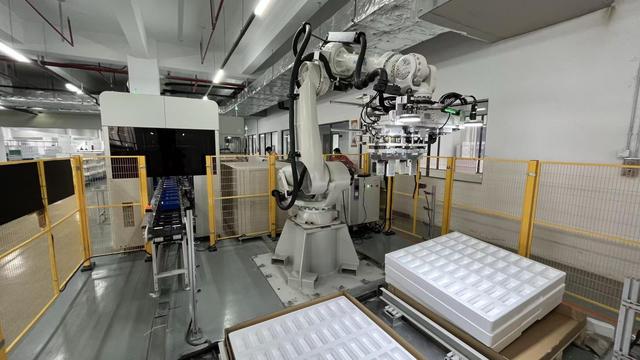
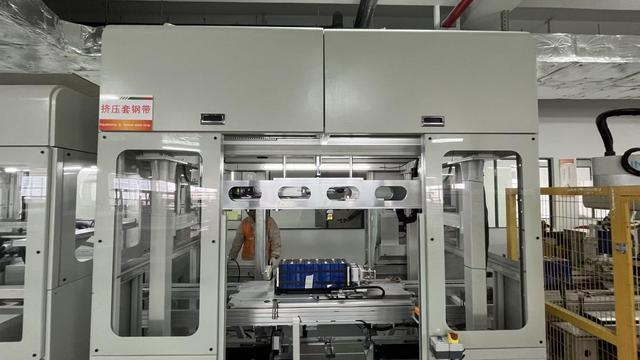
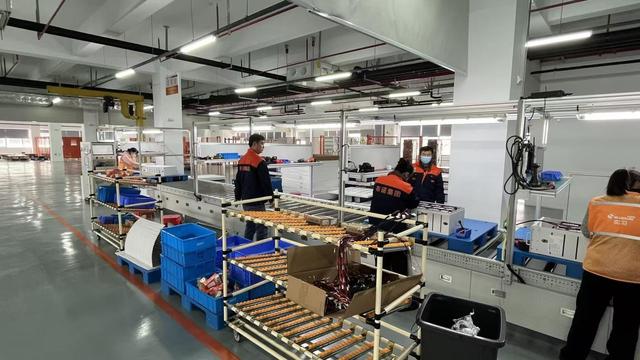
Our modern manufacturing facility is equipped with automated production lines, precision testing equipment, and strict quality management systems. Every solar module undergoes comprehensive inspections and performance testing to guarantee superior reliability, durability, and compliance with international standards. We are committed to providing products that meet the evolving demands of the global renewable energy market.
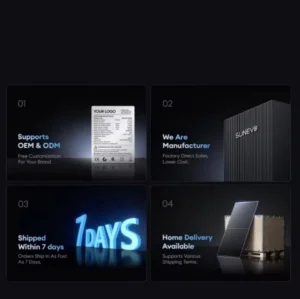
To better serve international customers, Halkirk Solar offers flexible OEM and ODM services for solar brands, distributors, EPC contractors, wholesalers, and project developers. Our experienced engineering and technical teams work closely with clients to deliver customized solar solutions tailored to specific project requirements, market demands, and branding needs.
From custom dimensions, frame colors, junction box lead lengths, to premium glass thickness, we handle diverse Bills of Materials (BOM) to fit precise project architectures.
Being based in Ningbo grants us access to one of the world's largest container shipping hubs, reducing transit times, local logistical barriers, and handling costs.
How distinct commercial contexts call for custom design parameters to achieve optimal Levelized Cost of Energy (LCOE).
Requires high-clearance mounting, specific light transmission ratios (via semi-transparent bifacial structures), and superior corrosion protection against ammonia and high humidity.
Demands low-weight modules (like thin-film or flexible perovskite panels) to avoid structural modifications on light corrugated steel roofs, alongside stringent fire safety ratings (Class A).
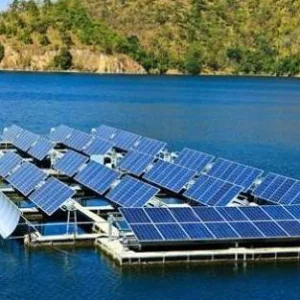
Demands specialized salt-mist, damp-heat, and high moisture resistance. Double-glass modules with specialized polyolefin elastomer (POE) encapsulants are standard to prevent water vapor penetration.
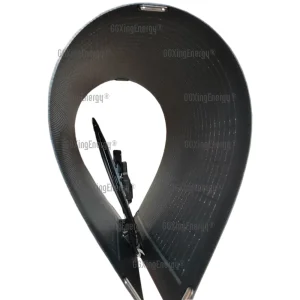
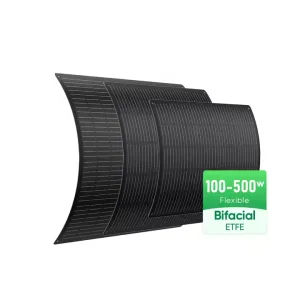
Field exploration, Marine, and recreational vehicles use custom ETFE coating flexible panels that adapt to curved surfaces and survive rugged handling.
An authoritative guide to resolving the technical complexities of module production, warranty assurance, and global compliance.
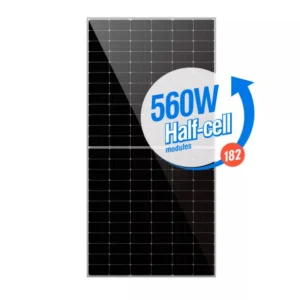
During bulk international transport and installation, silicon wafers are subject to vibration and impact. Even a sub-millimeter hairline crack can lead to significant output degradation over time due to localized hot-spots. By utilizing Half-Cell Multi-Busbar (MBB) technology, Halkirk Solar reduces the electrical current path per busbar, minimizing resistive losses and confining mechanical failures to smaller isolated areas.
Under intense desert solar conditions, cell temperatures can easily surpass 65°C. Traditional PERC modules suffer from a power temperature coefficient of -0.38%/°C, resulting in massive efficiency losses. Halkirk's N-type TOPCon monocrystalline cells feature a superior temperature coefficient of -0.30%/°C, yielding up to 3% more energy annually under high-temperature operating conditions.
Bifacial solar energy structures generate power from both sides by capturing albedo reflection. However, dual-glass configurations expose margins to damp-heat ingress. Choosing high-performance POE instead of standard EVA film prevents acetic acid creation inside the cell layers, guaranteeing that the module retains over 87.4% of its rated capacity after 30 years of utility-scale operation.
Industrial clients often require custom-anodized black or silver aluminum frames that are either reinforced for high wind load regions or thinned out for lightweight architectural integration. Halkirk Solar partners with tier-1 glass processors to apply specialized double-layer AR coatings that increase light transmission by up to 1.5%, increasing raw solar harvesting capacity even at shallow winter sunlight angles.
Key inquiries regarding OEM/ODM manufacturing processes, certifications, customization options, and lead times.
Our standard manufacturing minimum order quantity (MOQ) for standard modules is typically 1 container (approx. 620-720 pieces depending on module dimensions). For highly customized requests involving non-standard dimensions, custom busbars, or specialized junction box layouts, the MOQ generally starts at 1 MW to justify cell matrix recalibration and automated line adjustments.
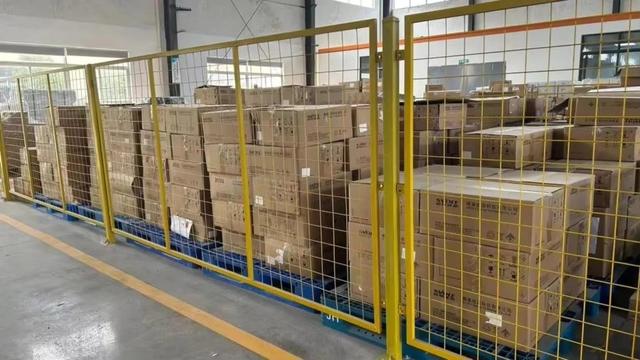
We deploy strict double EL (Electroluminescence) testing protocols: first after stringer soldering and laminating, and secondly after framing and final flash testing. Additionally, modules are packed vertically with reinforced corner protectors and shipped in robust marine pallets to isolate the silicon wafers from micro-vibrations during shipping.
All our production lines follow strict quality guidelines, meeting IEC 61215 and IEC 61730 safety and performance standards. Depending on the target market, our modules carry CE, TUV, and UL certifications. For specific regional distribution, we can work with clients to acquire localized approvals such as MCS (UK) or CEC (Australia) using our testing lab data.
EVA (Ethylene Vinyl Acetate) is cost-effective but can decompose and release acetic acid when exposed to water vapor, leading to corrosion and Potential Induced Degradation (PID). POE (Polyolefin Elastomer) has water-vapor transmission rates that are up to 100 times lower than EVA, preventing PID and guaranteeing the longevity of bifacial configurations in high-humidity or coastal zones.
Standard lead times for OEM/ODM production run between 20 to 30 days after drawing sign-off and deposit receipt. Highly customized components (e.g., custom frame molds or non-standard glass dimensions) may require an additional 15 days for tooling validation and safety testing.
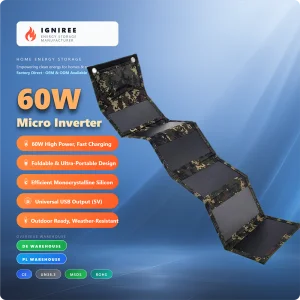
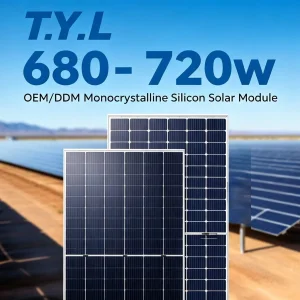
Explore additional specialized solar modules, thin-film flexible cells, and portable systems tailored for versatile application demands.
 Halkirk Solar